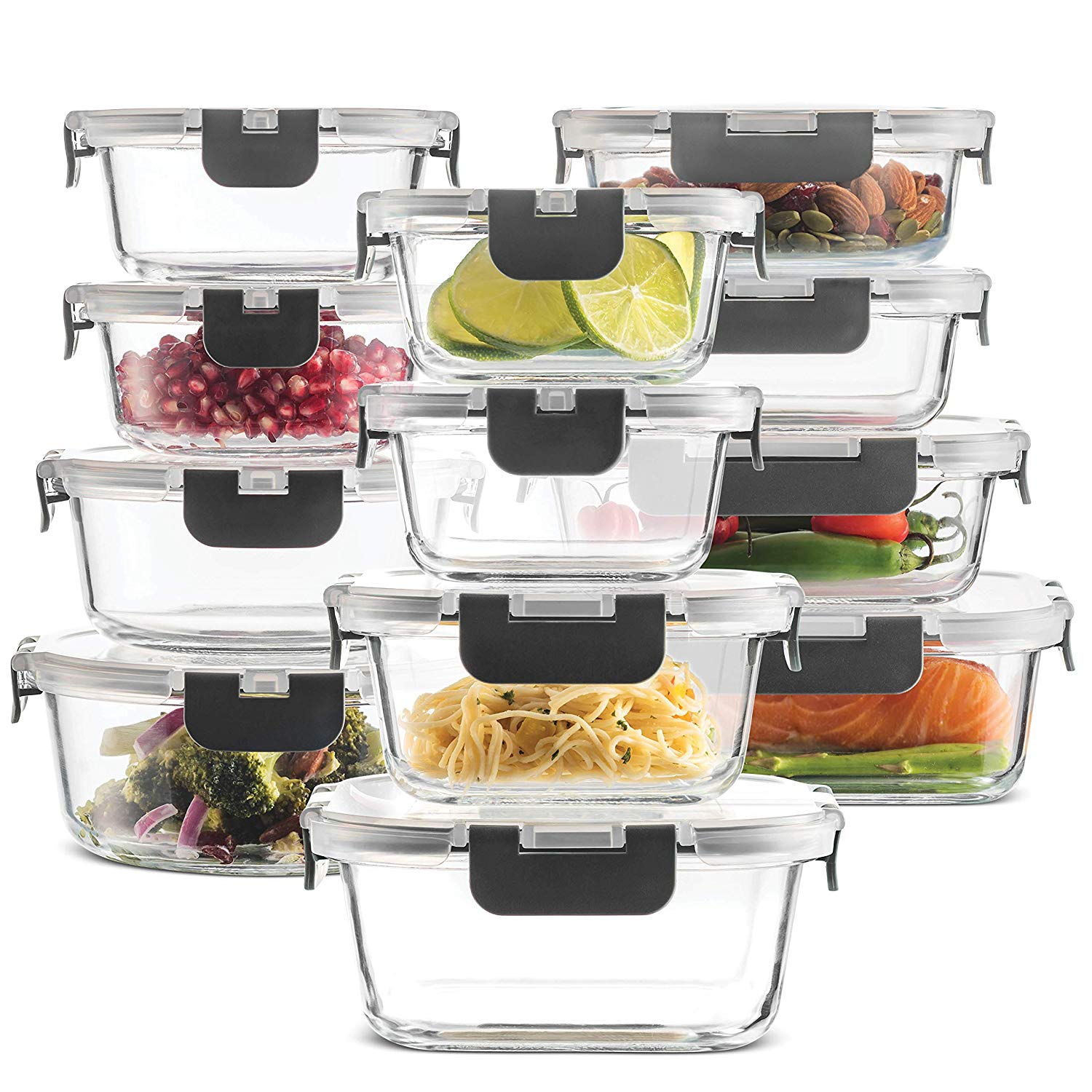
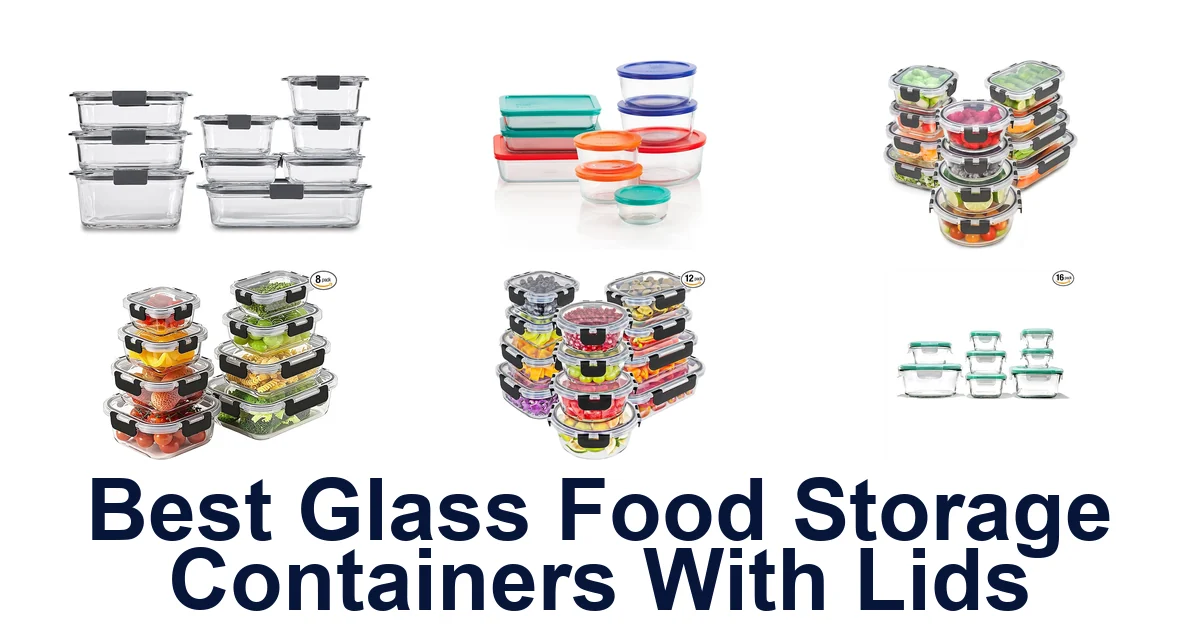
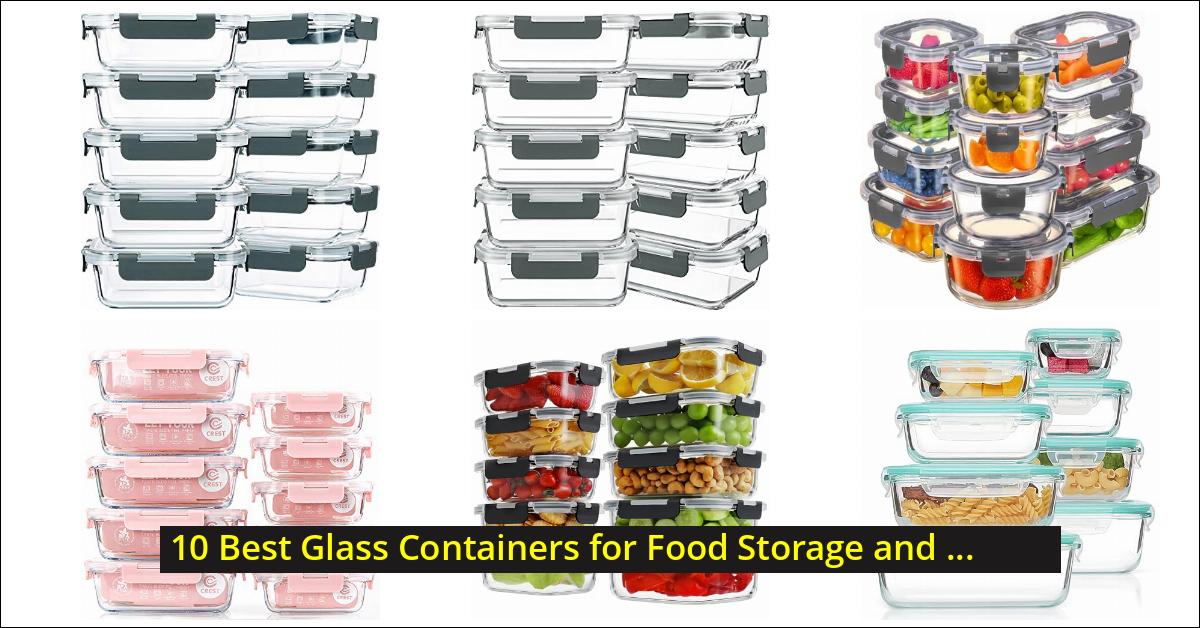
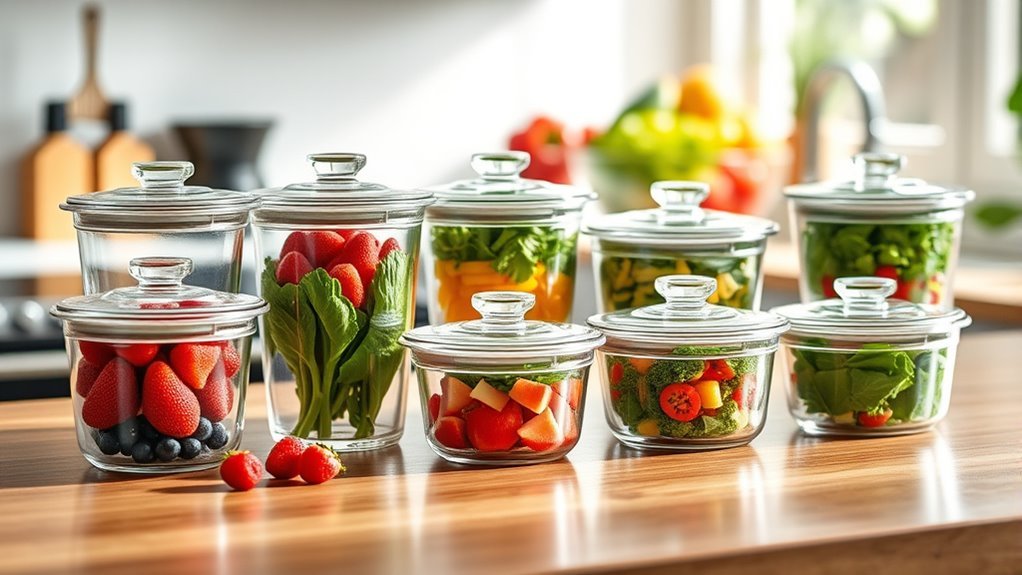
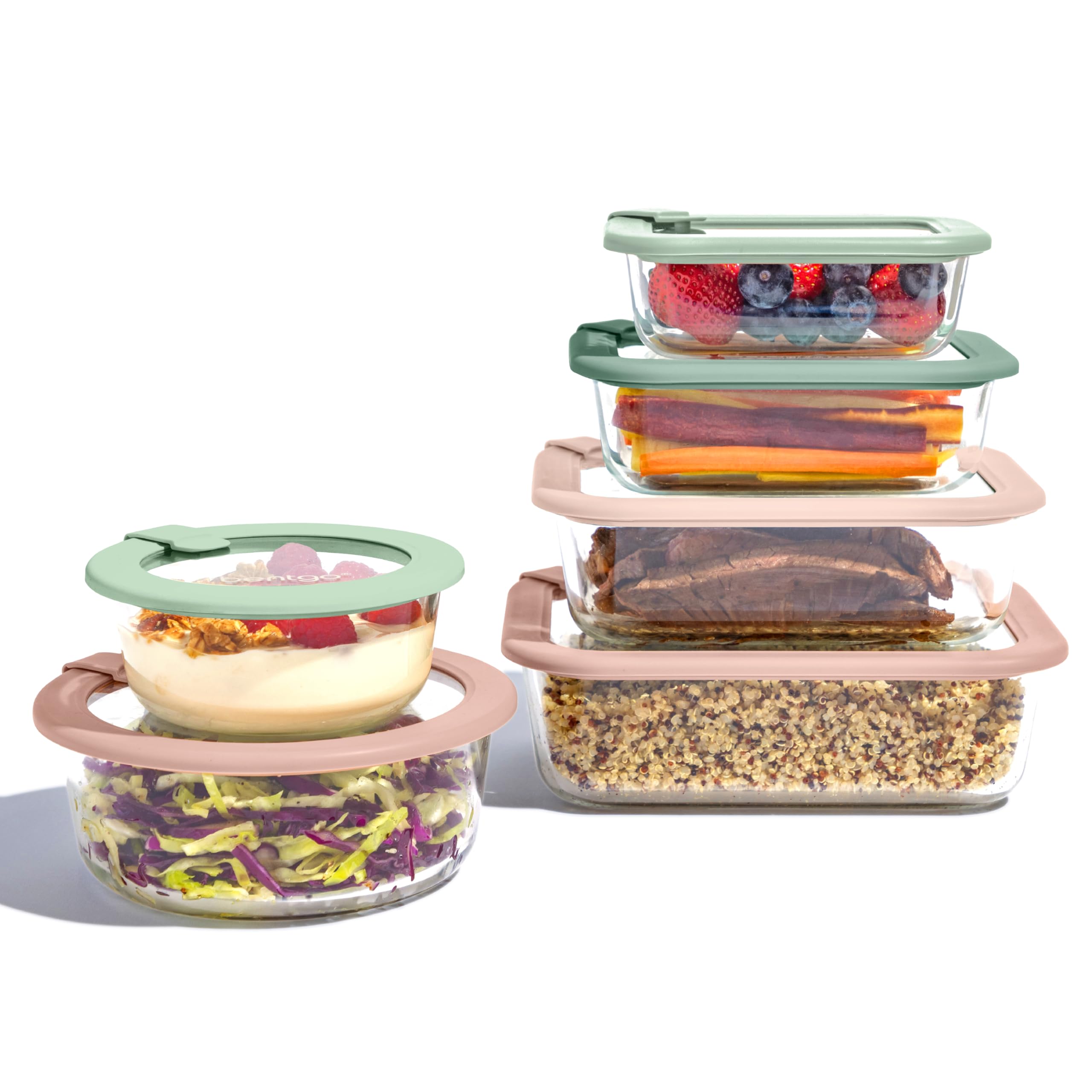
Selecting the best glass container brand involves balancing thermal durability, seal integrity, and environmental impact. As of 2026, Glasslock stands as the top overall choice for durability and leak-proof performance, while Caraway and Weck lead the market for consumers prioritizing 100% plastic-free sustainability and aesthetic modularity.
Why Glass Remains the Gold Standard for Sustainability in 2026
As we move further into 2026, the transition away from "forever chemicals" (PFAS) and microplastics has solidified glass as the premier material for food preservation. Unlike plastic, which degrades over time and can leach endocrine disruptors into hot or acidic foods, glass is chemically inert. This means it does not absorb odors, flavors, or stains, ensuring that your leftovers taste exactly as intended.
From a sustainability perspective, glass is infinitely recyclable without loss in quality. While the initial energy required to manufacture glass is higher than that of plastic, its life-cycle assessment (LCA) is significantly better due to its longevity. A single high-quality glass container can replace hundreds of single-use plastic bags and dozens of cheap plastic tubs over a decade of use. Furthermore, many leading brands in 2026 have shifted toward "closed-loop" manufacturing, utilizing a higher percentage of cullet (recycled glass) to reduce carbon emissions during production.
Key Factors in Evaluating Glass Storage Brands
To determine which brand suits your kitchen, it is essential to understand the technical differences in glass composition and lid engineering. Not all glass is created equal, and the "best" brand often depends on whether you prioritize drop-resistance or temperature-shock resistance.
Borosilicate vs. Tempered Soda-Lime Glass
The market is primarily divided into two types of glass. Borosilicate glass (used by brands like OXO and Caraway) contains boron trioxide, which gives it a very low coefficient of thermal expansion. This makes it highly resistant to thermal shock—you can move it from a freezer to a preheated oven with minimal risk of shattering.
Tempered soda-lime glass (favored by Glasslock and modern American Pyrex) is physically stronger and more resistant to impacts if dropped. However, it is more sensitive to extreme temperature shifts. Understanding this distinction is the first step in ensuring your containers last a lifetime, which is the ultimate goal of sustainable consumption.
Lid Integrity and Material Composition
The "sustainability" of a glass container is often compromised by its lid. Most affordable brands use BPA-free plastic lids with silicone seals. While functional, these lids are often the first part of the set to fail. In 2026, premium brands have introduced lids made of stainless steel, bamboo, or reinforced glass to eliminate plastic entirely. When evaluating a brand, consider whether the manufacturer sells replacement seals and lids; a brand that forces you to buy a whole new set because a lid cracked is not truly sustainable.
Top Glass Container Brands for 2026
The following brands represent the pinnacle of food storage technology and environmental responsibility in 2026. Each has been selected based on material quality, seal reliability, and long-term value.
Glasslock: The Leader in Durability
Glasslock has maintained its position as a market leader by specializing in tempered glass that is significantly tougher than standard kitchenware. Their "Snapware" style locking lids provide a truly airtight and leak-proof seal, which is critical for preventing food waste—a major component of kitchen sustainability.
Glasslock containers are ideal for those who carry lunches to work or store liquids like soups and stews. While the lids are generally plastic, the brand has made strides in using recycled polypropylene and offers extensive replacement programs to keep the glass bases in use for decades.
Pyrex: The Versatile Household Standard
Pyrex remains a staple because of its ubiquity and "oven-to-table" functionality. In 2026, Pyrex has expanded its "Pyrex Ultimate" line, which features glass lids with a silicone rim, moving away from the flimsy plastic covers of the past.
It is important to note that Pyrex manufactured for the North American market is typically tempered soda-lime, while European "Pyrex" (licensed differently) is often borosilicate. For sustainability, Pyrex wins on "local availability," reducing the carbon footprint associated with shipping heavy glass products long distances.
Caraway: Aesthetic Excellence and Plastic-Free Design
Caraway disrupted the market with its ceramic-coated cookware and has applied the same design philosophy to food storage. Their containers use high-quality borosilicate glass paired with glass lids that feature a revolutionary air-tight silicone seal and a strategic strap system for travel.
Caraway is the top choice for consumers who want to eliminate plastic from their kitchen entirely. Their sets are designed to be modular and "display-worthy," which encourages users to organize their kitchens more effectively and reduce the likelihood of food being forgotten at the back of the fridge.
Weck: The Heritage Sustainability Choice
For those committed to a zero-waste lifestyle, Weck jars are the gold standard. Originally designed for canning, these German-made jars use a glass-on-glass lid system with a natural rubber ring and stainless steel clips.
Weck containers are completely free of plastic and are aesthetically timeless. While they are not as "quick" to open and close as a snap-lid container, they are the most sustainable option because every single component is biodegradable or infinitely recyclable. They are also highly versatile, functioning as drinking glasses, vases, or dry-good canisters.
Comparison of Leading Glass Storage Systems
The table below summarizes the technical specifications and sustainability profiles of the top brands available in 2026.
| Brand | Glass Type | Lid Material | Oven Safe? | Best For | Sustainability Rating |
|---|---|---|---|---|---|
| Glasslock | Tempered Soda-Lime | BPA-Free Plastic | Yes (up to 450°F) | Leak-proof travel | High (Durability) |
| Caraway | Borosilicate | Glass & Silicone | Yes (up to 450°F) | Plastic-free/Display | Elite (Materials) |
| Pyrex | Tempered Soda-Lime | Plastic or Glass | Yes (up to 425°F) | General Versatility | Mid-High (Longevity) |
| Weck | Soda-Lime | Glass & Rubber | Yes (Canning safe) | Zero-waste/Canning | Elite (Plastic-free) |
| OXO Good Grips | Borosilicate | Plastic (Pop-top) | Yes (Glass only) | Dry Goods/Pantry | High (Function) |
Maintenance and Longevity: Making Your Investment Last
A sustainable product is only as green as its lifespan. To ensure your glass containers last until 2036 and beyond, follow these technical maintenance guidelines:
- Avoid Thermal Shock: Even borosilicate glass has limits. Never take a container directly from the freezer and place it in a hot oven. Allow it to thaw in the refrigerator or on the counter first.
- Lid Care: While many glass bases are dishwasher safe, heat can warp plastic lids and degrade silicone seals over time. Hand-washing lids will extend the life of the airtight seal by several years.
- Check for Micro-Cracks: Periodically inspect your containers for chips or "spidering." A compromised glass structure is more likely to fail under thermal stress.
- Stain Removal: If a silicone seal becomes discolored from tomato sauce or turmeric, a paste of baking soda and lemon juice can restore it, preventing the need for a premature replacement.
Addressing the "Plastic Lid" Problem
The most significant hurdle in the glass storage industry is the lid. While glass is sustainable, the mechanical requirements of a leak-proof seal often necessitate flexible polymers. In 2026, we are seeing a rise in platinum-grade silicone, which is more stable and durable than traditional plastics. When choosing a brand, look for "platinum-cured" silicone seals, as these do not contain the fillers found in cheaper alternatives. Brands like Stasher (while primarily known for bags) have influenced the container market by proving that high-grade silicone can provide a sustainable, long-lasting alternative to rigid plastic clips.
FAQs
Is borosilicate glass better than tempered glass for sustainability?
Borosilicate glass is generally considered better for longevity in the kitchen because it survives the extreme temperature changes common in cooking and meal prepping. By reducing the likelihood of breakage due to thermal shock, borosilicate containers tend to stay in the consumer cycle longer, though tempered glass is more resistant to "clinking" or dropping on hard floors.
Can I recycle glass food containers in my curbside bin?
This depends on your local municipality, but technically, borosilicate and tempered glass have different melting points than standard bottle glass. In 2026, many specialized recycling programs have emerged. It is best to check with the manufacturer; brands like Glasslock and Pyrex often have take-back programs for damaged glassware to ensure it is processed correctly.
Are bamboo lids actually more sustainable than plastic?
Bamboo is a rapidly renewable resource, making it excellent for the "front end" of sustainability. However, bamboo lids often require a plastic or silicone liner to be airtight, and they can harbor mold if not dried properly. For long-term use, a high-quality glass or stainless steel lid is often more sustainable than bamboo.
Why did my glass container shatter in the oven if it was "oven-safe"?
"Oven-safe" refers to the glass's ability to withstand heat, but not necessarily rapid changes in temperature. If an oven-safe container is placed on a cold granite countertop or a wet surface immediately after being removed from the oven, the localized cooling can cause a "stress fracture," leading to shattering.
Do glass containers save money in the long run?
Yes. While a set of high-quality glass containers from a brand like Caraway or Glasslock may cost 3–4 times more than a plastic set, they do not need to be replaced every 1–2 years. When factored over a 10-year period, glass storage is significantly more cost-effective.
Final Recommendation for 2026 Buyers
For the majority of households, the Glasslock 18-Piece Assortment remains the most practical investment. Its superior resistance to physical impact makes it "family-proof," and its airtight seals are unmatched for preserving food freshness. However, if your primary goal is the total elimination of synthetics, the Caraway Food Storage Set is the premier choice for 2026, offering a plastic-free experience without sacrificing the convenience of a modern, airtight seal. Before purchasing, audit your current cabinet space—choosing a single brand and sticking with it allows for nesting and stacking, which reduces clutter and ensures you will actually use your sustainable investment every day.