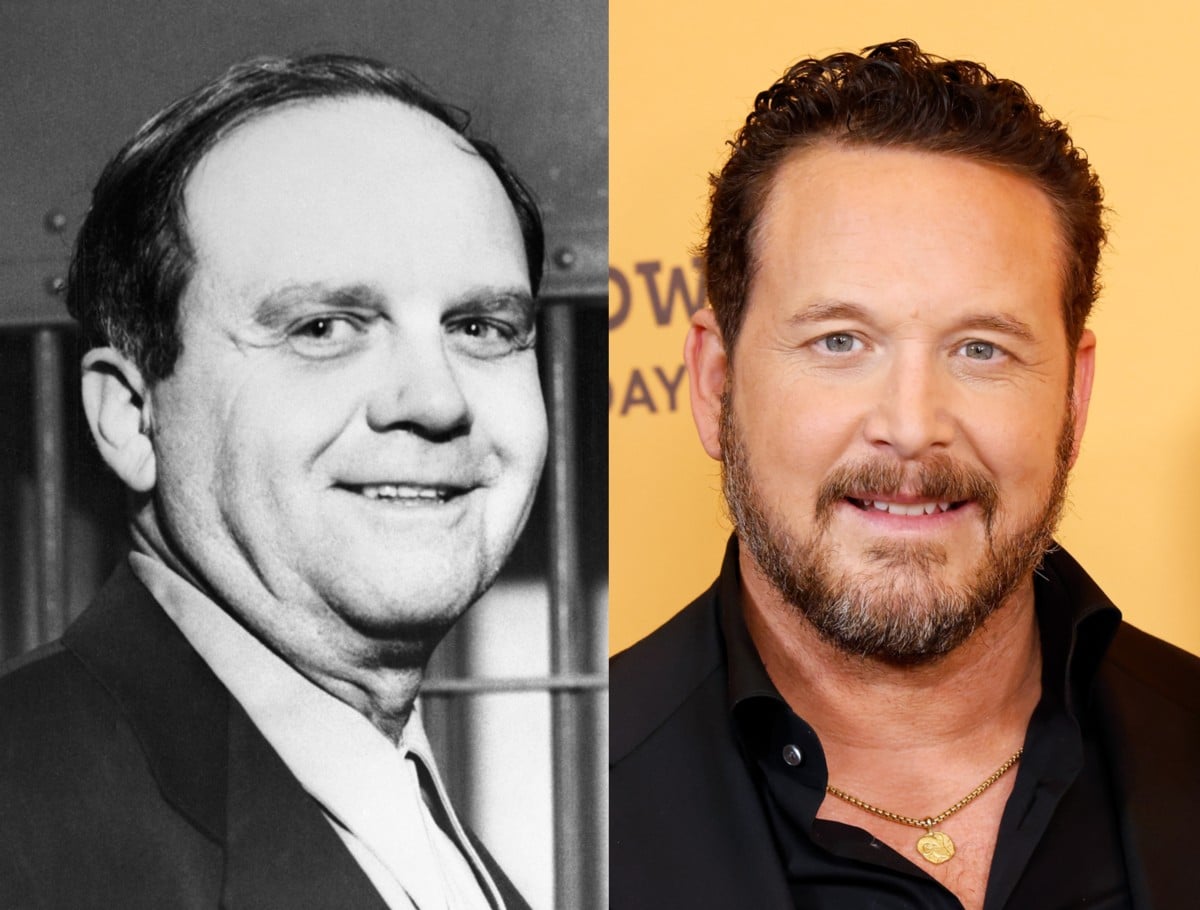
Benny Binion was a foundational figure in Las Vegas history, best known for founding Binion’s Horseshoe casino in 1951 and creating the World Series of Poker in 1970. A former Texas mobster turned gambling icon, his philosophy of high betting limits, "good food, good whiskey, and a good gamble" revolutionized the casino industry and helped establish downtown Las Vegas as a premier gambling destination.
The Texas Roots of a Gambling Legend
Long before his name was synonymous with the neon lights of Fremont Street, Lester Ben "Benny" Binion was a dominant force in the underground gambling scene of Dallas, Texas. Born in 1904 in Grayson County, Binion grew up traveling with his father, a horse trader. This nomadic upbringing exposed him to the world of gambling at a young age, as trade meets were frequently accompanied by backroom poker games and dice matches.
By the 1920s and 30s, Binion had established a vast network of "policy" games and illegal casinos in Dallas. His rise to power was not without violence; he was involved in several high-profile turf wars, most notably with rival racketeer Herb Noble. Binion’s reputation as a "tough guy" was forged in these years, where he reportedly survived multiple assassination attempts and was himself convicted of two murders (though he served little time, claiming self-defense).
His departure from Texas in 1946 was a turning point for Las Vegas. Facing increased pressure from local law enforcement and a new district attorney intent on cleaning up Dallas, Binion packed his bags—and according to legend, several suitcases filled with cash—and headed for the burgeoning gambling oasis in the Nevada desert. His arrival marked the beginning of a shift in the Las Vegas power structure, moving from small-time operators to visionary icons who understood the psychology of the gambler.
Establishing an Empire: The Rise of Binion’s Horseshoe
When Benny Binion arrived in Las Vegas, the "Strip" was in its infancy, and downtown’s Fremont Street was the heart of the action. In 1951, he purchased the Eldorado Club and the Apache Hotel, reopening them as Binion’s Horseshoe. While other casino owners were attempting to emulate the European style of "gaming" with tuxedos and formal atmospheres, Binion took a different approach.
The Horseshoe was designed for the serious gambler. Binion famously discarded the plush carpets and chandeliers in favor of a sawdust-on-the-floor aesthetic that made Westerners and "regular folks" feel at home. His business model was built on three pillars:
- High Table Limits: Binion was the first to offer limits that dwarfed his competitors. He believed that if a person wanted to bet a fortune, the house should be brave enough to take it.
- Customer Hospitality: He pioneered the practice of offering free drinks to all players, not just the high rollers. He also ensured the casino’s restaurant served high-quality food at exceptionally low prices to keep players in the building.
- Accessibility: Unlike the gated resorts on the Strip, the Horseshoe was open and inviting, located right on the sidewalk of Fremont Street.
Binion’s philosophy was simple: treat the gambler like a king, and they will return. This approach turned the Horseshoe into one of the most profitable casinos in the world, despite its modest physical footprint compared to the massive resorts that would eventually define the Las Vegas Strip.
Revolutionary Innovations in the Casino Industry
Benny Binion’s impact on Las Vegas extends far beyond the walls of his own casino. Many of the standards we see in modern gaming were originally conceptualized or popularized by Binion. His most famous marketing masterstroke was the "Binion’s Million." In 1954, he displayed one hundred $10,000 bills in a horseshoe-shaped glass case. It became one of the most photographed tourist attractions in Las Vegas history, giving visitors a tangible look at a sum of money most would never see otherwise.
Beyond the spectacle, Binion understood the importance of the "limit." In the early days of the Horseshoe, he set the craps limit at $500—ten times higher than any other casino at the time. He eventually raised this to $10,000. This attracted the "whales" of the gambling world, establishing the Horseshoe as the place where the biggest action in town happened.
One of the most legendary stories in Las Vegas lore involves the "Suitcase Man," William Lee Bergstrom. In 1980, Bergstrom entered the Horseshoe with a suitcase containing $777,000. He walked up to the craps table and asked if he could place it all on a single "don't pass" bet. Adhering to his policy that a player’s first bet could be as large as they wanted, provided the house could cover it, Binion’s son Jack (who was running the floor) accepted the bet. Bergstrom won, and the Horseshoe paid out without hesitation. This level of integrity and boldness cemented the Binion family's reputation in the gambling community.
The Birth of the World Series of Poker (WSOP)
Perhaps Benny Binion’s most enduring legacy is the creation of the World Series of Poker (WSOP). In 1970, Binion invited six of the best-known poker players in the country—including legends like Amarillo Slim and Doyle Brunson—to the Horseshoe for a "Texas Gamblers Reunion."
The inaugural event was vastly different from the televised spectacles of 2026. There was no "Main Event" tournament structure; instead, the players competed in various cash games. At the end, they voted on who they believed was the "best all-around player." Johnny Moss was the recipient of the first silver cup.
Binion saw the potential for the event to grow. The following year, he introduced the freeze-out tournament format, which remains the standard for the WSOP Main Event today. He famously predicted that the tournament would one day have over 50 entrants; as of the mid-2020s, the Main Event regularly sees nearly 10,000 participants. Binion’s vision transformed poker from a backroom game associated with outlaws into a legitimate international sport. He understood that by publicizing the game and creating "characters" out of the players, he was building a brand that would outlast him.
Legal Turmoil and the Binion Family Legacy
The history of Benny Binion is inseparable from his brushes with the law. In 1953, he was sentenced to five years in federal prison for income tax evasion. During his incarceration at Leavenworth, he was forced to sell his share of the Horseshoe to pay his legal debts and back taxes. However, his family regained control of the property in 1964.
Because of his felony conviction, Binion was never technically allowed to hold a gaming license in Nevada again. To circumvent this, he was officially employed as a "consultant" while his wife, Teddy Jane, and his sons, Jack and Ted, managed the official operations. Everyone in Las Vegas knew, however, that Benny was still the man in charge.
The 1990s and early 2000s were a turbulent time for the Binion family. Following Benny’s death in 1989, internal family disputes led to Jack Binion leaving the Horseshoe to start his own successful "Horseshoe" brand in other states. The death of Ted Binion in 1998 under suspicious circumstances led to a sensational trial that captivated the nation. Eventually, the original Horseshoe was sold to Harrah’s Entertainment (now Caesars Entertainment) in 2004, which moved the WSOP to the Rio and later to the Strip.
| Feature | Benny Binion's Horseshoe (1951-2004) | Modern Corporate Casinos (2026 Context) |
|---|---|---|
| Primary Focus | The Gambler/High Stakes | Entertainment/Non-Gaming Revenue |
| Betting Limits | Extremely high; "Sky is the limit" | Regulated, tiered limits |
| Atmosphere | Casual, "Old West," Sawdust floors | Luxury, high-tech, sensory-focused |
| Customer Perks | High-quality, low-cost food; free drinks | Loyalty points, resort credits |
| Management | Individual/Family-owned | Publicly traded corporations |
Historical Significance of the Binion Philosophy
Benny Binion’s impact on the development of Las Vegas can be measured by how his "Downtown" style contrasted with the emerging "Strip" style. While figures like Jay Sarno (Caesars Palace) and Steve Wynn (The Mirage) focused on the "resort" experience, Binion focused on the "gamble."
He was one of the first to recognize that gambling was a form of entertainment that required a narrative. By showcasing the $1,000,000 display and hosting the WSOP, he gave people a reason to visit Fremont Street that had nothing to do with the odds and everything to do with the experience of being near "the action." This concept of "experience-driven gambling" is a cornerstone of how Las Vegas markets itself in 2026.
Furthermore, his dedication to the "Common Man" created a loyal customer base that spanned generations. He famously said, "If you want to get rich, make the little people feel like big people." By providing the same level of service to a nickel-slot player as he did to a high-stakes craps shooter, he democratized the Las Vegas experience in a way that hadn't been done before.
Frequently Asked Questions
Did Benny Binion really commit murder?
Yes, Benny Binion was involved in multiple violent altercations during his time in Texas. He was convicted of killing Frank Eldredge, a rival bootlegger, in 1931, though he received a suspended sentence. He also confessed to killing a rival named Ben Frieden, claiming self-defense. His past as a Texas mobster was well-documented, but in Las Vegas, he was largely viewed as a benevolent, if tough, patriarch.
Is the original Binion's Horseshoe still open?
The physical location at 128 Fremont Street still exists, but it is now known as Binion's Gambling Hall & Hotel. It is currently owned by TLC Casino Enterprises. While it retains the Binion name and some of the historic aesthetics, it is no longer owned by the Binion family, and the World Series of Poker is no longer held there.
How much was the "Binion’s Million" actually worth?
The display consisted of 100 authentic $10,000 bills. While the face value was $1,000,000, the numismatic (collector) value of those bills today would be significantly higher, as $10,000 bills are no longer in circulation. The display was dismantled and sold to collectors in the early 2000s after the casino was sold.
Why did the World Series of Poker leave the Horseshoe?
Following the sale of the Horseshoe to Harrah’s (Caesars) in 2004, the new owners wanted to capitalize on the poker boom of the early 2000s. The Horseshoe on Fremont Street was too small to accommodate the thousands of players entering the tournament. Consequently, the event was moved to the Rio All-Suite Hotel & Casino and eventually to the Horseshoe Las Vegas (formerly Bally's) and Paris on the Las Vegas Strip.
A Practical Recommendation for History Enthusiasts
If you are visiting Las Vegas in 2026 and wish to experience the legacy of Benny Binion, begin with a walking tour of Fremont Street. While the original family management is gone, the Binion’s Gambling Hall still houses a poker room that pays homage to its history. Afterward, visit the Mob Museum (National Museum of Organized Crime and Law Enforcement) nearby, which provides a detailed and factual account of Binion’s life in Texas and his transition to the Nevada desert. Understanding Binion is key to understanding how Las Vegas evolved from a dusty railroad stop into the gambling capital of the world.