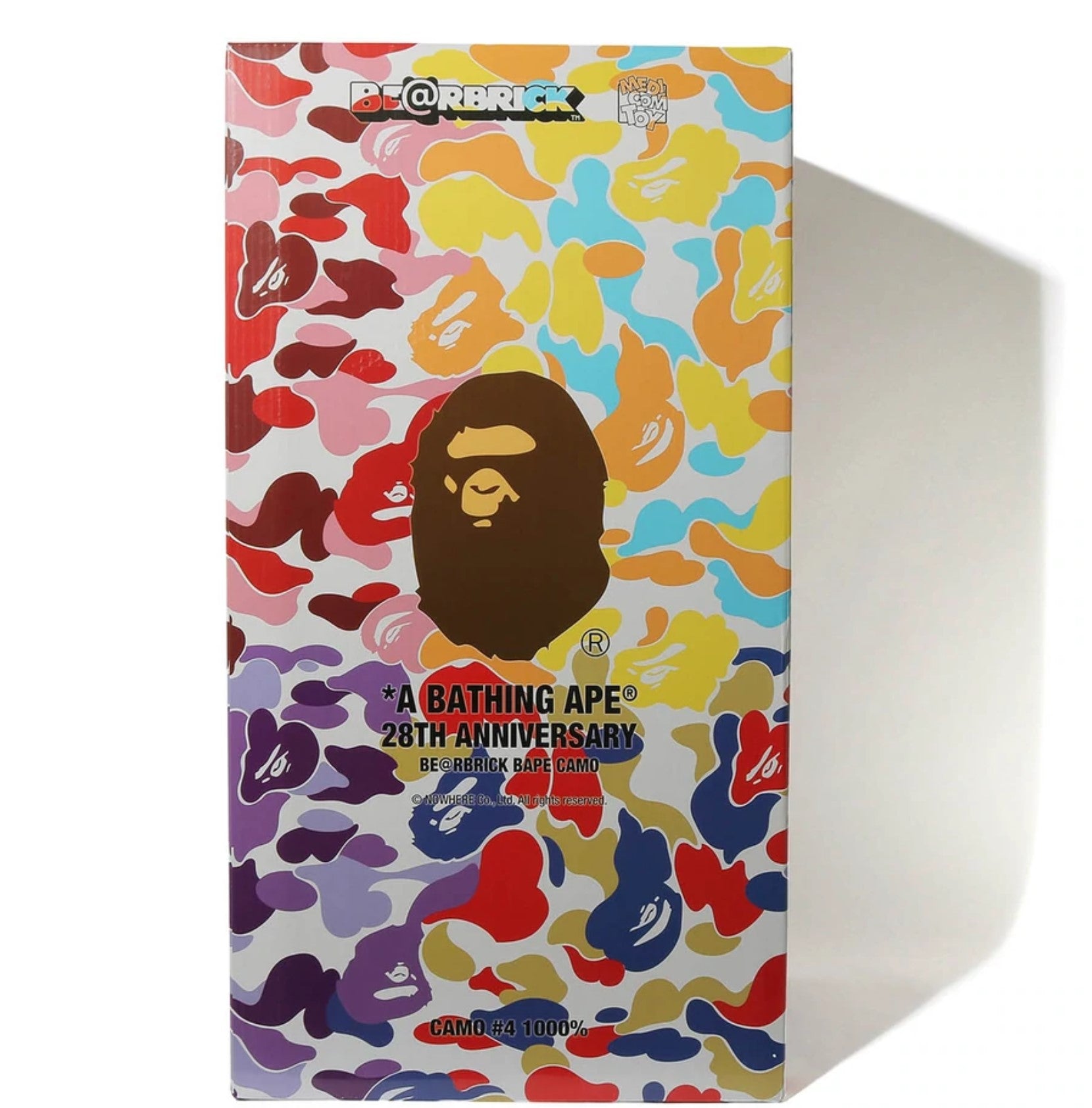
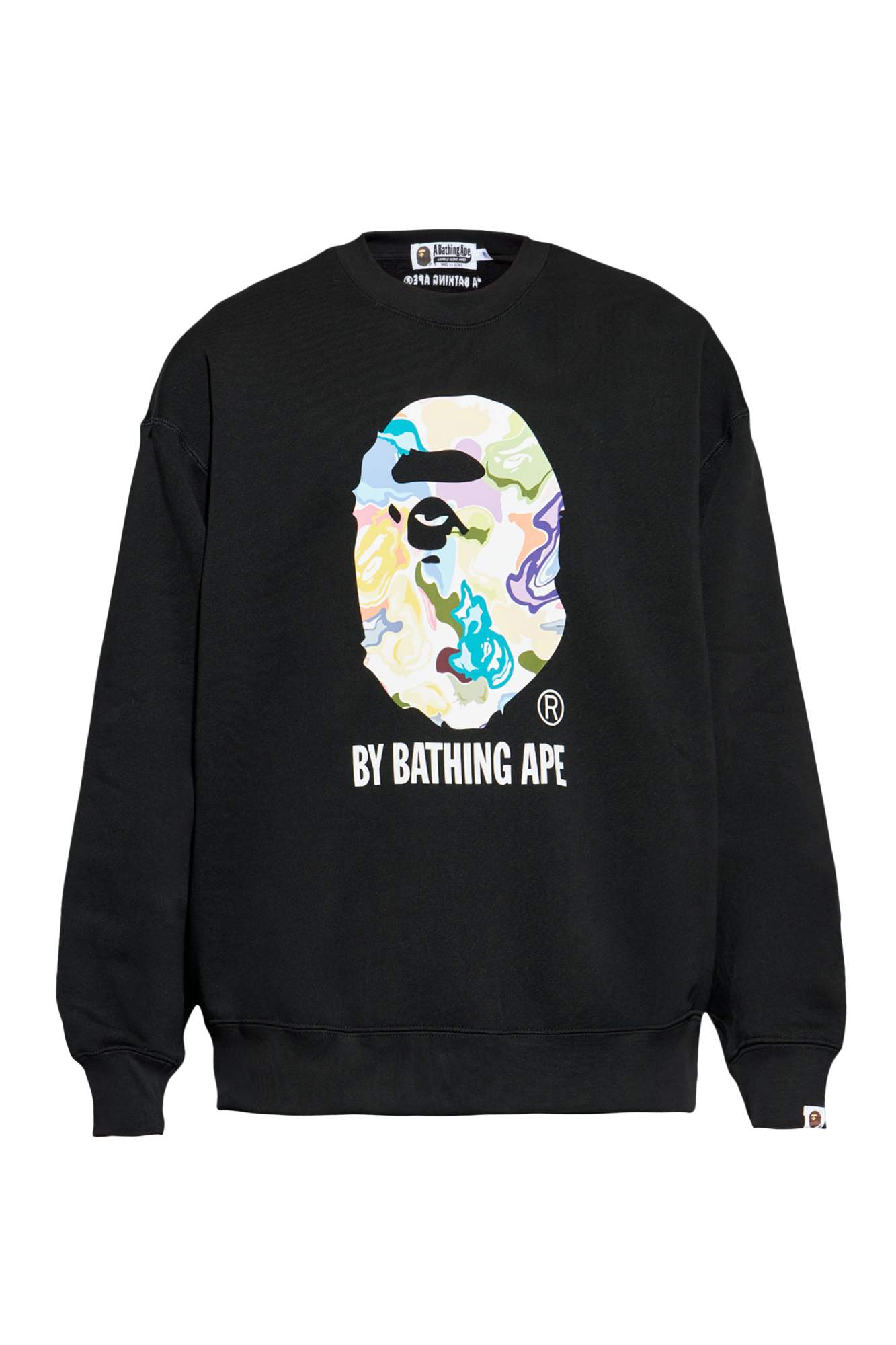
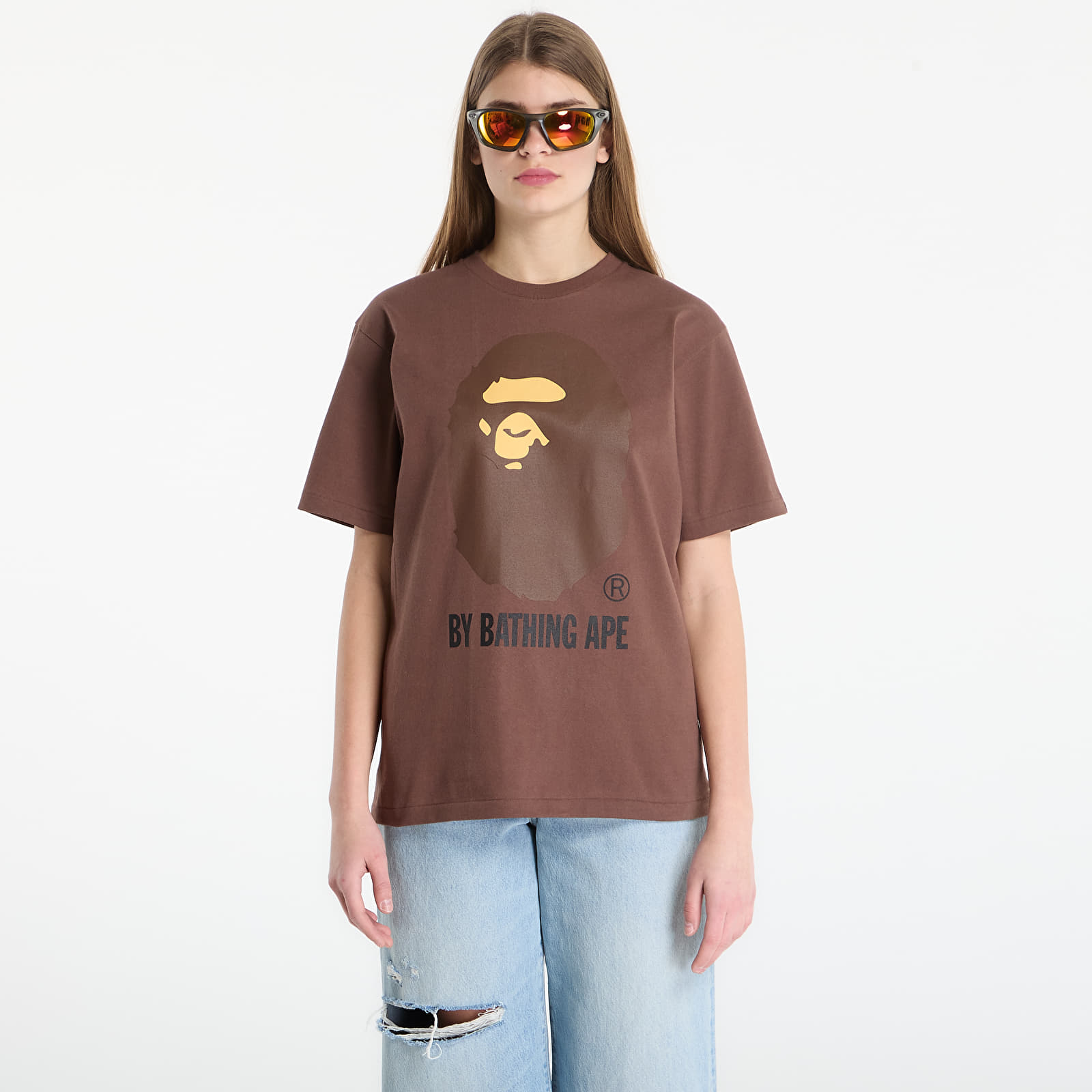
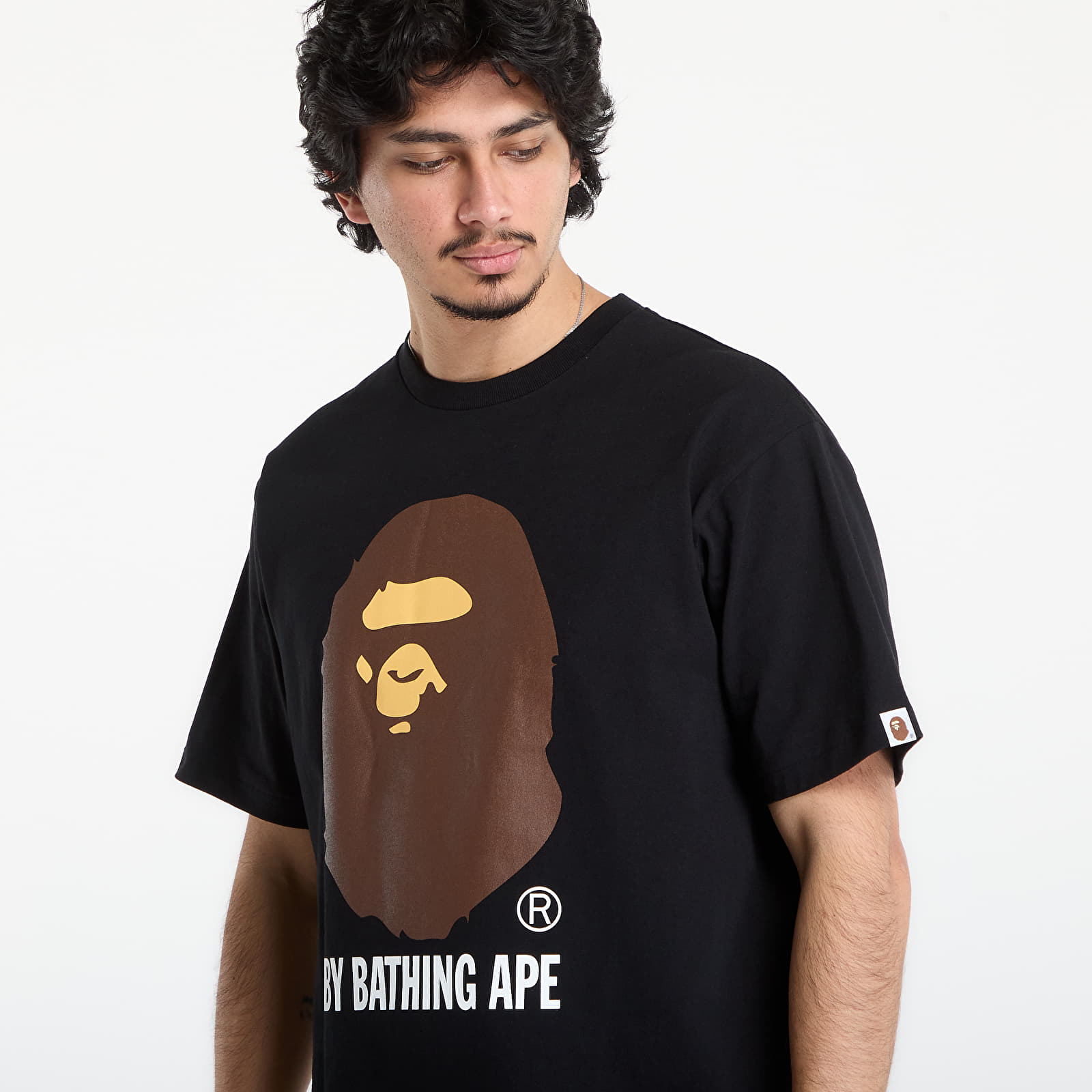
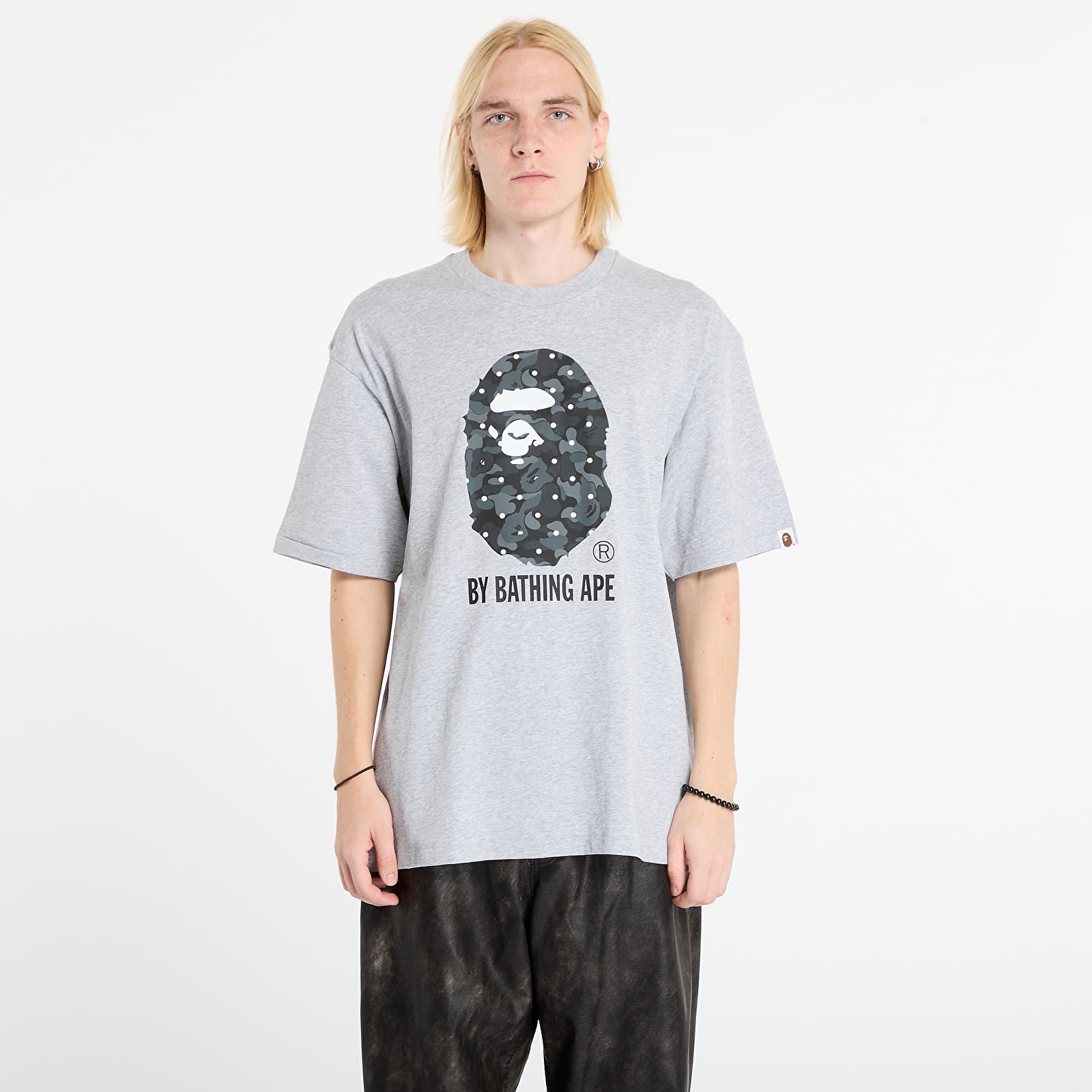
A Bathing Ape, or BAPE, is a cornerstone of Japanese streetwear, founded by Tomoaki "NIGO" Nagao in 1993. Known for its iconic camouflage patterns, Shark Hoodies, and BAPE STA sneakers, the brand bridges the gap between underground Harajuku culture and global luxury fashion through scarcity and bold, recognizable aesthetics.
The Origins and Philosophy of Ura-Harajuku Culture
To understand A Bathing Ape is to understand the "Ura-Harajuku" (hidden Harajuku) movement of the early 1990s. In 1993, NIGO, a DJ and stylist influenced by the hip-hop scene and vintage Americana, opened a small boutique called "Nowhere" alongside Jun Takahashi of Undercover. This era was defined by a rejection of mainstream Japanese fashion in favor of a DIY, community-driven approach.
The name "A Bathing Ape in Lukewarm Water" is a satirical reference to the opulent, overindulgent lifestyle of young Japanese consumers at the time—metaphorically "bathing in lukewarm water." The brand's aesthetic was heavily inspired by NIGO’s obsession with the 1968 film Planet of the Apes. This cinematic influence, combined with the "Ape Shall Never Kill Ape" slogan, created a tribal sense of belonging among its early adopters.
BAPE’s early success was built on extreme scarcity. In its infancy, NIGO would produce only small runs of T-shirts, giving half away to influential friends in the Tokyo music scene and selling the rest. This created an organic hype that preceded the modern "drop" culture seen in contemporary streetwear. By the late 1990s, the brand had transitioned from a local secret to a national phenomenon in Japan, setting the stage for its global expansion in the early 2000s through partnerships with Western artists like Pharrell Williams and Kanye West.
Signature Design Language and Iconic Products
BAPE’s longevity is rooted in its ability to create "visual shorthand"—graphic elements so distinct that they are recognizable from a distance. As we look at the brand's status in 2026, these core designs remain the primary drivers of both retail and resale value.
The BAPE Shark Hoodie
First released in 2004, the Shark Full-Zip Hoodie is perhaps the most famous garment in the brand's history. Inspired by military nose art found on WWII fighter planes, the hoodie features a stylized shark face on the hood and a full-length zipper that extends to the very top. This "gimmick" transformed the hoodie into a mask, aligning with the brand's playful yet aggressive design ethos. In 2026, the Shark Hoodie remains a staple, often released in updated fabrics like Gore-Tex or reflective 3M materials.
The BAPE STA Sneaker
Introduced in 2002, the BAPE STA is a direct homage to (and subversion of) the Nike Air Force 1. By replacing the "Swoosh" with the BAPE "Star" and utilizing vibrant, high-gloss patent leather, NIGO created a sneaker that felt more like a luxury accessory than athletic equipment. The BAPE STA played a pivotal role in the "bootleg" sneaker movement, proving that high-quality reinterpretations of classic silhouettes could command premium prices.
Cloud Camo and Baby Milo
The "1st Camo" and "ABC Camo" patterns are the brand's most pervasive motifs. Unlike traditional military camouflage, BAPE’s version incorporates the hidden "Ape Head" silhouette within the organic shapes. Complementing this is Baby Milo, a cute, cartoonish character that allows the brand to appeal to a younger demographic and venture into lifestyle goods, toys, and home decor.
The BAPE Brand Ecosystem in 2026
Following the acquisition of BAPE by the Hong Kong-based fashion conglomerate I.T Group in 2011, the brand expanded into several sub-labels to target different market segments. Understanding these distinctions is essential for modern consumers.
| Sub-Label | Target Audience | Primary Aesthetic | Price Point |
|---|---|---|---|
| A Bathing Ape (OG) | Streetwear Purists | Classic Camo, Shark Hoodies, Heavyweight cotton | Premium |
| AAPE by A Bathing Ape | Youth/Mainstream | Bold logos, more affordable materials, accessible | Mid-Range |
| BAPE Black | Luxury/High-Fashion | Leather, Swarovski crystals, monochromatic black/gold | Luxury |
| BAPY | Women’s Fashion | Feminine silhouettes, softer colors, elevated basics | Premium |
| BAPE Kids | Children | Baby Milo graphics, playful colors | Premium |
Each of these branches serves a specific function. While AAPE allows the brand to maintain a presence in shopping malls and high-street retailers, the mainline BAPE remains exclusive to flagship "BAPE Stores." BAPE Black represents the brand's attempt to compete with European luxury houses, utilizing premium Italian leathers and high-end hardware.
Authentication and Quality Control: Spotting Real vs. Fake
Because BAPE products command high resale values, the market is flooded with high-quality counterfeits. For collectors in 2026, verification requires a technical eye for detail. Authenticating a piece involves checking several "security features" that the brand has refined over decades.
- The Sleeve Tag: Every authentic BAPE shirt and hoodie features a small woven "Ape Head" tag on the left sleeve. On genuine pieces, the stitching is dense, and the ape head is perfectly proportioned. Fakes often have "bulging eyes" or a jagged "mouth" line.
- The "Golden Ape" Tag: On newer garments (post-2010), a small, shiny gold thread ape head tag is often found behind the main neck label or care instructions. This tag uses a specific holographic-style weave that is difficult for counterfeiters to replicate perfectly.
- The Care Label Asterisk: On the internal wash tags, authentic BAPE items feature a specific asterisk symbol (
*) located near the top of the tag. On legitimate items, this asterisk has a specific shape—not a standard computer-generated star, but a hand-drawn look with a slightly thicker center. - Zipper Quality: BAPE primarily uses YKK zippers, specifically the "Vislon" or "Excella" lines. The hardware should feel heavy and glide smoothly. On Shark Hoodies, the zipper should align the "teeth" of the shark graphic perfectly when closed.
The Resale Market and Investment Value
In 2026, the secondary market for A Bathing Ape remains robust, though it has matured since the hyper-inflated era of the mid-2000s. Early "NIGO-era" pieces (1993–2011) are considered true "grails" and often appreciate in value, especially those from limited collaborations with brands like Supreme, Stüssy, or KAWS.
The investment value of BAPE is tied to its "scarcity-to-demand" ratio. While general-release camo hoodies may hold their retail value, limited-edition colorways or anniversary releases are where the most significant growth occurs. For those looking to enter the market, focusing on "deadstock" (unworn) items with original packaging and BAPE "dust bags" is the most reliable way to ensure long-term value.
Collaborations continue to be the brand's primary method for staying relevant. By partnering with unexpected entities—ranging from high-end watchmakers like Patek Philippe to global franchises like Star Wars or Pokémon—BAPE ensures that it is constantly reaching new audiences while providing collectors with unique, "one-time" releases that become historical markers of the brand's timeline.
Where to Buy A Bathing Ape in 2026
Purchasing BAPE requires choosing between official retail channels and the secondary market. Each has its own set of prerequisites and risks.
Official Retail Channels
The most reliable way to purchase authentic BAPE is through its official flagship stores, known as BAPE Stores. These locations are designed with a consistent "laboratory" aesthetic, featuring stainless steel, glass, and neon lighting. In the United States, major hubs include New York, Los Angeles, and Miami. Internationally, Tokyo remains the heart of the brand, with multiple locations in Shibuya and Harajuku.
Authorized Digital Stockists
For those unable to visit a physical store, authorized online retailers like I.T Group's official webstore and select luxury boutiques like Selfridges or Dover Street Market provide guaranteed authenticity. Shipping typically includes the signature BAPE camouflage packaging, which is a collector's item in itself.
Secondary Markets and Consignment
If a specific item is sold out, secondary platforms like StockX, GOAT, and Grailed are the primary options. These platforms offer "authentication services" where experts inspect the item before it reaches the buyer. However, buyers should always perform their own "legit checks" upon arrival, focusing on the tag details mentioned previously.
FAQ
Why is BAPE so expensive?
BAPE’s pricing is a reflection of its luxury positioning, Japanese manufacturing costs (for mainline items), and the "hype" premium. By limiting supply, the brand maintains a high perceived value. Additionally, the heavyweight cotton and unique dyeing processes used in Japan contribute to a higher cost of production compared to standard fast-fashion brands.
Does BAPE run small?
Yes, BAPE typically follows Japanese sizing, which runs approximately one size smaller than standard US or UK sizing. Most collectors recommend "sizing up" (e.g., if you wear a Medium, buy a Large) to achieve the intended baggy, streetwear fit, especially for Shark Hoodies and T-shirts.
Who owns BAPE now?
As of 2026, BAPE remains under the ownership of the I.T Group, a fashion conglomerate based in Hong Kong. While NIGO left the brand entirely in 2013 to pursue other ventures like Human Made and Kenzo, the current design team continues to draw heavily from his original archives.
Is AAPE the same as BAPE?
No, AAPE (AAPE by A Bathing Ape) is a diffusion line launched in 2012. It features different branding (the "Moon Face" logo), is produced in larger quantities, and uses more cost-effective manufacturing methods. It is intended to be a more accessible entry point into the BAPE aesthetic.
How should I wash my BAPE clothing?
To preserve the print and fabric quality, BAPE items should be washed inside out in cold water on a gentle cycle. Air drying is highly recommended, as commercial dryers can cause the "Ape Head" graphics to crack and the heavy cotton to shrink.
Building a BAPE Collection: Next Steps
If you are beginning your journey with A Bathing Ape in 2026, the best approach is to start with the "staples." A classic "1st Camo" College T-shirt or a pair of BAPE STA sneakers in a traditional colorway provides a solid foundation. These items have stayed in style for over 30 years and are less likely to be affected by shifting fashion trends.
Before making a significant purchase, research the specific release year of the item. Older pieces may have different fits and tag variations compared to modern releases. Joining online communities and forums dedicated to Japanese streetwear can provide invaluable insights into current market prices and trusted sellers. Whether you view BAPE as a fashion statement or a wearable investment, its status as a cultural icon ensures that it will remain a focal point of the global streetwear conversation for years to come.