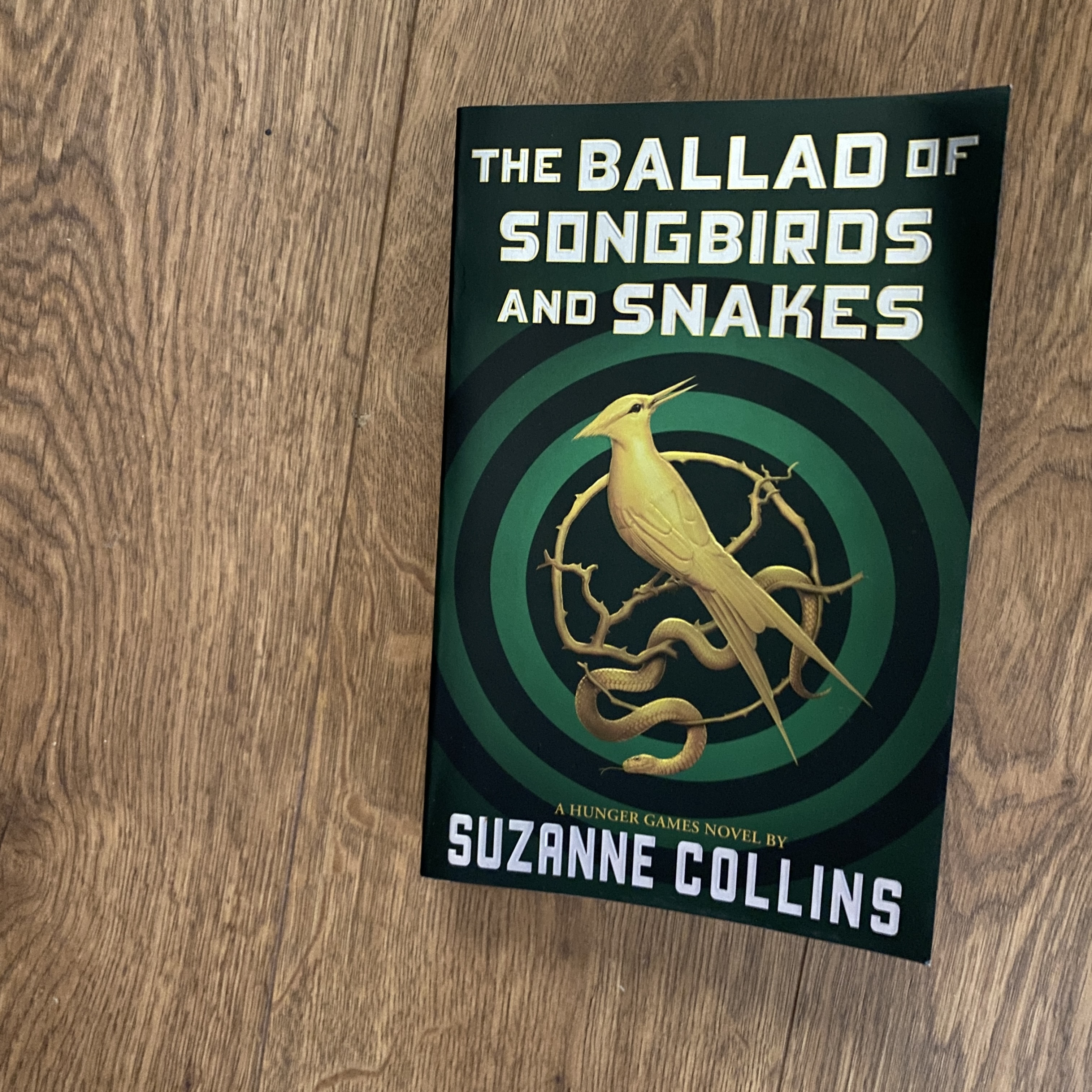
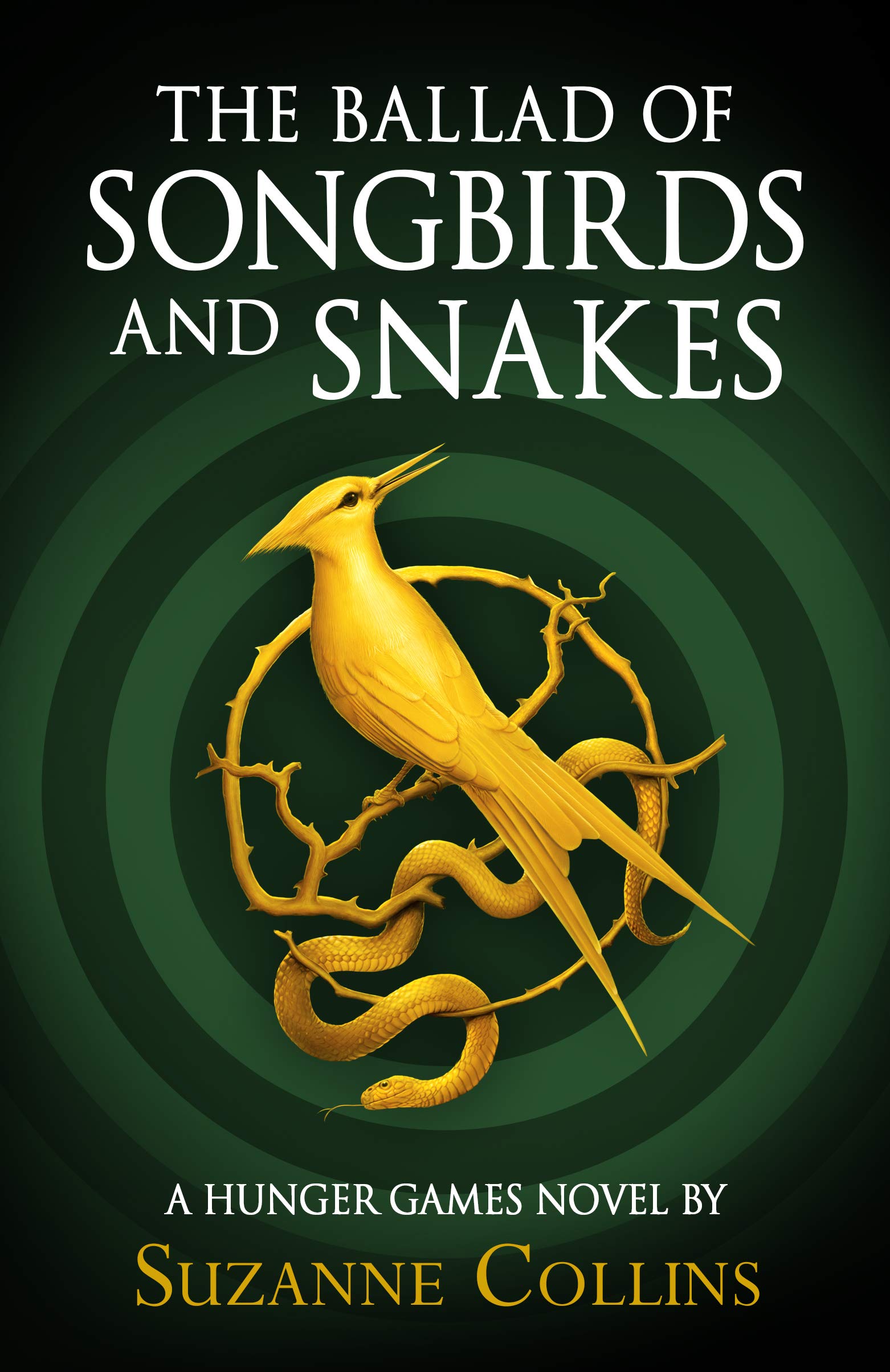
A Ballad of Songbirds and Snakes is a prequel to Suzanne Collins' The Hunger Games trilogy, set 64 years before the events of the original series. It chronicles the rise of an eighteen-year-old Coriolanus Snow during the 10th annual Hunger Games, detailing his transition from a struggling aristocratic student to a ruthless political strategist.
In the landscape of modern dystopian literature and cinema, few stories have sparked as much analytical debate as the origin story of Panem's most notorious tyrant. As of 2026, the work remains a cornerstone of the genre, offering a chilling look at the philosophical foundations of authoritarianism. This comprehensive guide explores the intricate plot, the complex character dynamics, the philosophical themes, and the technical aspects of both the 2020 novel and its 2023 cinematic adaptation.
Historical Context: The World of the 10th Hunger Games
To understand A Ballad of Songbirds and Snakes, one must first understand the state of Panem during the "Dark Days" aftermath. Unlike the gleaming, high-tech Capitol seen in the original trilogy, the Capitol of the 10th Hunger Games is a city still recovering from a brutal civil war. Buildings are being rebuilt, food is occasionally scarce, and the psychological scars of the District uprisings are fresh.
The Hunger Games themselves are in their infancy. In their first decade, they were a crude, untelevised affair held in a crumbling sports arena. The tributes were treated like livestock, often dying of starvation or infection before the Games even began. Public interest in the Capitol was waning, leading the architects of the Games—specifically Dean Casca Highbottom and Dr. Volumnia Gaul—to introduce the Mentor Program. This program paired top students from the Academy with tributes to make the "spectacle" more engaging for the audience.
This era serves as the catalyst for the modern Hunger Games. It marks the transition from a simple punishment to a sophisticated tool of psychological warfare. The guide highlights how Coriolanus Snow’s involvement was not just about personal survival, but about redefining how a government maintains absolute control over a fractured population.
Character Profiles: The Players of the 10th Games
The narrative hinges on a cast of characters who represent different ideological responses to trauma and power. Each figure serves as a mirror to Coriolanus Snow’s developing morality.
Coriolanus Snow
The protagonist—and future antagonist—is presented as a young man obsessed with "landing on top." The Snow family has lost its fortune, and Coriolanus must maintain a facade of wealth to secure a scholarship. His primary motivation is not initially malice, but the desperate need for security and the restoration of his family’s legacy. His internal monologue reveals a calculating mind that views human relationships as transactional.
Lucy Gray Baird
The tribute from District 12, Lucy Gray is the antithesis of Katniss Everdeen. Where Katniss was a hunter and a stoic, Lucy Gray is a performer—a member of the "Covey," a group of nomadic musicians. She uses her charm, voice, and theatricality to win over the Capitol audience. Her relationship with Coriolanus is the emotional core of the story, representing a "songbird" caught in the machinations of a "snake."
Sejanus Plinth
The moral foil to Coriolanus, Sejanus is a Capitol citizen originally from District 2. He views the Hunger Games as a moral abomination and uses his family’s immense wealth to advocate for the tributes. His struggle represents the conflict between individual conscience and state-mandated cruelty. His eventual fate serves as a turning point for Coriolanus, solidifying Snow’s belief that idealism is a fatal weakness.
Dr. Volumnia Gaul
As the Head Gamemaker, Dr. Gaul is the true architect of the philosophy behind the Games. She is a social Darwinist who believes that without the total control of the state, humanity would devolve into savage chaos. She mentors Snow not in academics, but in the brutal reality of human nature, challenging him to define what happens in an arena when there are no rules.
The Narrative Structure: A Three-Act Descent
The story is meticulously divided into three distinct parts, each representing a stage in Coriolanus Snow’s transformation.
- Part I: The Mentor – This section introduces the Academy and the initial pairing of Snow and Lucy Gray. It focuses on the intellectual battle within the Capitol to make the Games "relevant." Snow learns the importance of image and the power of the "star-crossed" narrative.
- Part II: The Prize – This act covers the duration of the 10th Hunger Games. Unlike later iterations, the Games here are chaotic and unpolished. The focus is on the psychological toll on the mentors and the literal survival of the tributes in a decaying environment.
- Part III: The Peacekeeper – Following the conclusion of the Games, the setting shifts to District 12. Snow is exiled to serve as a Peacekeeper. This section is a psychological thriller that deconstructs Snow’s capacity for love and loyalty. It concludes with his ultimate choice to prioritize his own safety and power over his humanity.
Comparison of the 10th and 74th Hunger Games
Understanding the technological and cultural evolution of the Games is vital for any comprehensive study of the franchise.
| Feature | 10th Hunger Games (Prequel) | 74th Hunger Games (Original) |
|---|---|---|
| Arena | A decaying sports stadium in the Capitol. | A high-tech, controlled outdoor environment. |
| Tribute Treatment | Starved, kept in animal cages, no healthcare. | Groomed, fed high-quality meals, medical care. |
| Mentors | High school students from the Academy. | Former victors from the respective Districts. |
| Technology | Primitive drones, basic television broadcast. | Advanced muttations, force fields, holograms. |
| Sponsorship | Just being introduced; simple food drops. | Highly organized system of luxury gifts. |
| Public Sentiment | Apathy and disgust in the Capitol. | Celebrated as the ultimate entertainment event. |
Philosophical Themes: Nature vs. Nurture
At its heart, A Ballad of Songbirds and Snakes is an exploration of the "Social Contract" theory. Suzanne Collins draws heavily from the works of Thomas Hobbes, John Locke, and Jean-Jacques Rousseau.
- The Hobbesian View: Dr. Gaul represents the belief that human life in its natural state is "solitary, poor, nasty, brutish, and short." She uses the Games to prove that humans are naturally violent and need a strong central authority (the Capitol) to prevent total war.
- The Struggle for Control: The recurring motif of "Chaos, Control, and Contract" is central to Snow’s education. He eventually concludes that control is the only way to prevent chaos, leading him to accept the necessity of the Hunger Games as a "contract" that maintains order.
- The Symbolism of Names: The title itself—Songbirds and Snakes—represents the duality of the human spirit. The songbird (Lucy Gray) symbolizes art, freedom, and the ephemeral nature of life. The snake (Coriolanus) symbolizes survival, cold-blooded calculation, and the hidden danger within the grass.
The 2023 Film Adaptation: Technical Overview
The film adaptation, directed by Francis Lawrence, brought the gritty aesthetic of the early Capitol to life. It is noted for its faithful adherence to the book's three-act structure and its emphasis on world-building through production design.
- Casting: Tom Blyth's portrayal of Snow was praised for capturing the character's internal conflict and eventual hardening. Rachel Zegler’s performance as Lucy Gray brought the musical elements of the book to the forefront, with several live-recorded songs that grounded the character in the "Covey" culture.
- Visual Style: The film utilizes a "Post-War Reconstruction" aesthetic. The Capitol feels heavy, industrial, and authoritarian, contrasting with the vibrant, folk-inspired visuals of the District 12 scenes.
- Critical Reception: As of 2026, the film is regarded as a successful expansion of the franchise, though critics often note the difficulty of translating Snow’s internal monologues from the page to the screen. It holds a significant place in the "prequel" sub-genre for its refusal to redeem its protagonist.
Frequently Asked Questions
Do I need to read the original trilogy before this guide?
While A Ballad of Songbirds and Snakes is a prequel, it is highly recommended to read or watch the original Hunger Games trilogy first. The prequel gains much of its weight from the dramatic irony of knowing what Coriolanus Snow eventually becomes. Understanding the world of Katniss Everdeen makes the "primitive" version of Panem in the prequel much more impactful.
Is Lucy Gray Baird related to Katniss Everdeen?
There is no explicit confirmation in the text or from Suzanne Collins that Lucy Gray is a direct ancestor of Katniss. However, the book contains numerous hints, such as the Covey’s knowledge of the "Hanging Tree" song and their use of the Katniss plant. The connection is more thematic and cultural than genealogical, suggesting that Lucy Gray’s legacy survived in District 12 long after she disappeared.
What happened to Lucy Gray at the end of the story?
The ending of Lucy Gray’s story is intentionally ambiguous. Like the poem she was named after (by William Wordsworth), she simply vanishes into the woods. This ambiguity is crucial to Snow’s character development; she is the one thing he could never truly own or control. Her fate remains one of the most discussed "unresolved" mysteries in the franchise.
Why did Snow poison his allies later in life?
The prequel provides the "why" behind Snow’s signature method of assassination. In the book, we see his early exposure to poisons and his realization that poisoning is a "quiet" way to remove obstacles without the mess of a public execution. It also reflects his own internal state: cold, hidden, and lethal.
Are there more prequels planned?
As of early 2026, Suzanne Collins has not officially announced a direct sequel to A Ballad of Songbirds and Snakes. However, the "Hunger Games: Sunrise on the Reaping" (the 50th Games) has been a significant point of discussion in the literary community, focusing on Haymitch Abernathy’s backstory. Fans continue to monitor official publisher channels for further expansions of the Panem lore.
Next Steps for Fans and Researchers
For those looking to deepen their understanding of A Ballad of Songbirds and Snakes, several avenues of exploration are recommended:
- Literary Analysis: Re-read the book with a focus on the lyrics of the songs. Many of the songs performed by the Covey foreshadow the events of the original trilogy and provide insight into Lucy Gray’s motivations.
- Film Study: Watch the 2023 film with attention to the "costume evolution" of Coriolanus Snow. Notice how his clothing becomes more structured and "Capitol-like" as his morality shifts.
- Comparative Mythology: Look into the Roman influences in Panem. The names (Coriolanus, Sejanus, Tigris) and the "Bread and Circuses" (Panem et Circenses) philosophy are vital to understanding the political structure Suzanne Collins created.
Whether viewed as a standalone psychological thriller or a piece of a larger political allegory, the story of Coriolanus Snow’s rise provides a chillingly relevant look at how power is seized and maintained.