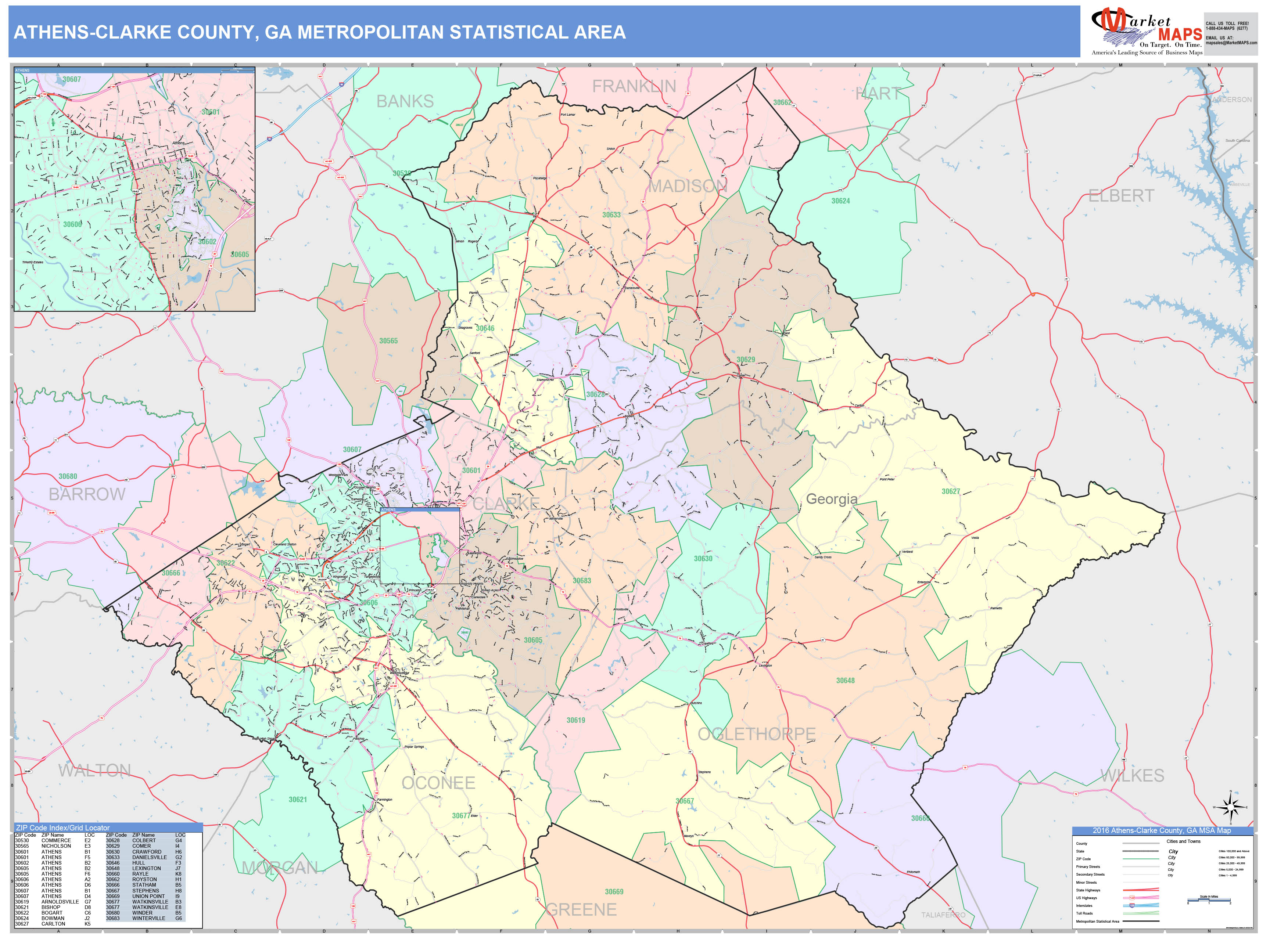
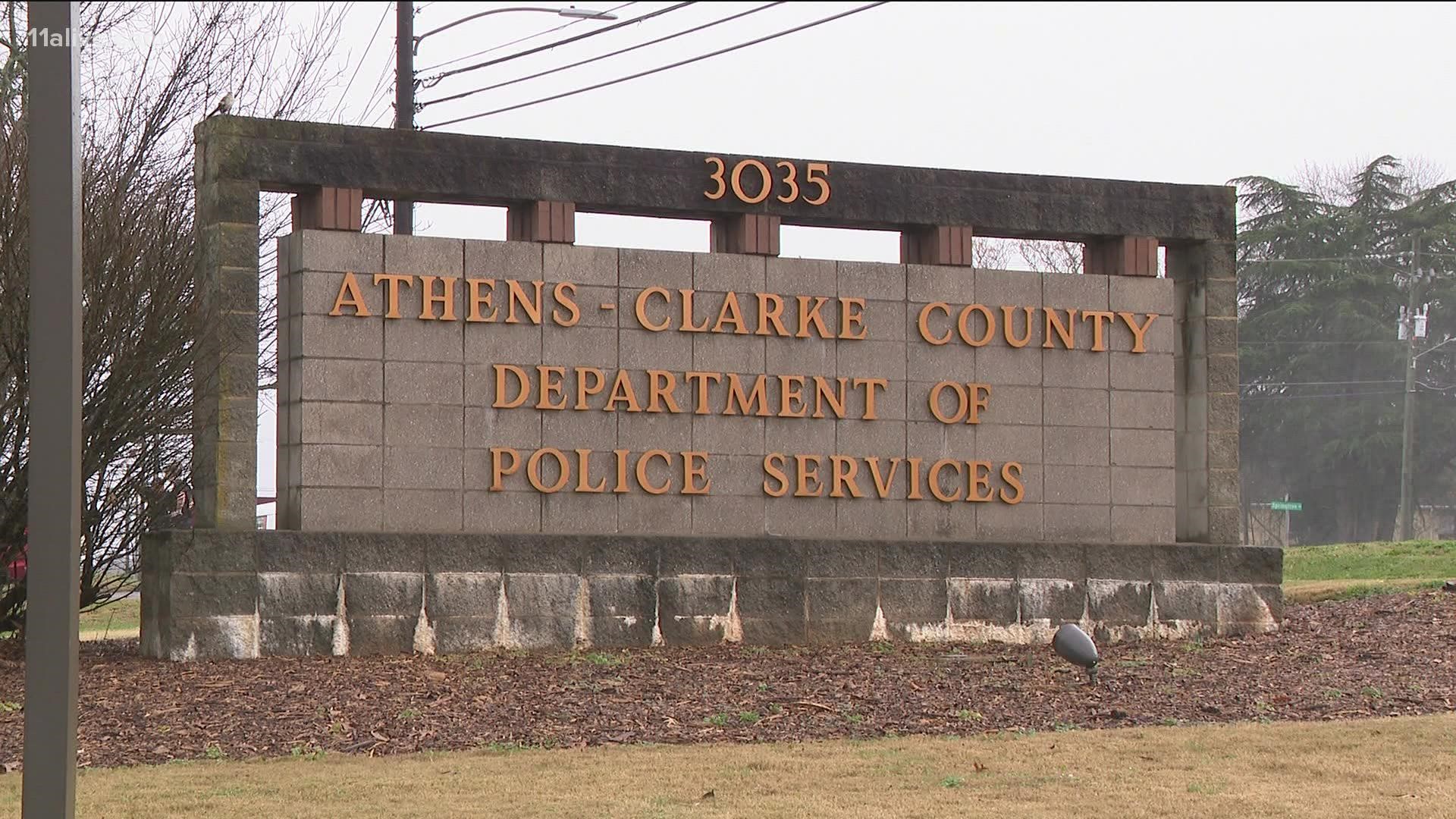
The phrase "bad and busted" in the context of Athens-Clarke County, Georgia, primarily points toward local public safety records, arrest logs, and criminal justice transparency initiatives. Navigating the legal and correctional systems in this vibrant university town requires a clear understanding of public records accessibility, local law enforcement frameworks, and the digital platforms citizens use to track local arrests. This guide examines how arrest tracking operates in Athens-Clarke County, the technological tools available in 2026, and the constitutional rights associated with public booking records.
The Evolution of Public Booking Logs and Arrest Records in Athens
Access to public arrest logs has shifted dramatically over the past decade. Historically, local newspapers and printed police blotters were the primary mediums for viewing recent bookings. Today, digital transparency has taken center stage, driven by open government mandates and community demand for real-time information from the Athens-Clarke County Police Department (ACCPD) and the Athens-Clarke County Sheriff's Office.
The modern digital ecosystem allows citizens to view inmate populations, active warrants, and recent booking photographs online. However, this accessibility introduces complex challenges regarding digital footprints, data privacy, and the presumption of innocence. When an individual is labeled or indexed on public lookup databases, that digital record often persists across multiple third-party aggregate websites long after charges have been resolved, dismissed, or expunged.
Core Jurisdictional Entities in Athens-Clarke County
Understanding who holds custody of public safety records involves recognizing the distinct roles of local and state agencies operating within the county boundaries:
- Athens-Clarke County Police Department (ACCPD): Handles primary municipal law enforcement, initial incident reports, and local patrols within the consolidated government boundaries.
- Athens-Clarke County Sheriff's Office: Manages the county jail facility, executes judicial warrants, oversees civil processes, and provides courthouse security.
- University of Georgia Police Department (UGAPD): Operates jurisdictionally across campus properties and interacts closely with local city courts for student-related infractions.
- Western Judicial Circuit: Encompasses the Superior, State, and Magistrate courts responsible for adjudicating criminal cases originating within Athens-Clarke County.
Navigating the Athens-Clarke County Jail and Inmate Lookup Systems
Locating an individual who has been booked into custody requires utilizing official county resources rather than relying on unverified third-party social media pages or predatory mugshot publishing sites. The Athens-Clarke County Sheriff's Office maintains an active online inmate roster that updates dynamically as individuals are booked, transferred, or released.
When searching official databases, users typically need specific identifiers such as the individual's full legal name, date of birth, or booking number.
Official Records Notice: Third-party aggregators often scrape jail booking logs to extort individuals for removal fees. Official county portals remain the only legally grounded and accurate source for verifying current inmate status, bond amounts, and scheduled court appearances.
Key Operational Metrics for Local Custody Management
The table below outlines the operational realities, contact points, and jurisdictional boundaries for handling public safety records and inmate inquiries within Athens-Clarke County for 2026.
| Agency / Resource | Primary Responsibility | Accessibility Level | Verification Standard |
|---|---|---|---|
| Athens-Clarke County Jail | Housing pre-trial detainees and short-term county sentences | 24/7 Physical Operation / Online Roster | Official booking number and SID tracking |
| Western Judicial Circuit Clerk | Managing court dockets, case filings, and final dispositions | Business Hours / Public Online Portal | Case file number and state bar filings |
| ACCPD Records Division | Providing initial incident and accident reports | Mon-Fri Business Hours | Freedom of Information Act / Open Records Act requests |
| Georgia Bureau of Investigation (GBI) | Statewide criminal history background checks (GCIC) | Online Portal / Fingerprint Submission | Formal consent and state-regulated fee |
Legal Frameworks Governing Arrest Records and Expungements in Georgia
The legal landscape surrounding criminal records in Georgia underwent significant statutory updates designed to offer individuals a second chance through restricted records (commonly referred to as expungement). In Athens-Clarke County, understanding these legal mechanisms is essential for anyone dealing with the fallout of an arrest record.
Under Georgia law, qualifying non-violent misdemeanor and certain felony charges that did not result in a conviction can be restricted from public view on official state databases. However, navigating this process requires formal petitions through the Solicitor General's office (for state court matters) or the District Attorney's office (for superior court matters), followed by approval from the presiding judge.
Steps to Address and Resolve Publicly Listed Arrest Records
- Obtain Official Case Dispositions: Request certified copies of the final disposition from the Athens-Clarke County Clerk of Courts to verify the exact legal outcome of the charges.
- Determine Eligibility for Record Restriction: Consult with a defense attorney or review Georgia Crime Information Center (GCIC) guidelines to check if the specific charge type qualifies for restriction under state statutes.
- File the Formal Application: Submit the application for record restriction to the arresting law enforcement agency and the prosecuting attorney's office.
- Complete Judicial Review: Await review by the prosecuting authority and the judge. If approved, the order is sent to the GCIC and local law enforcement to update database visibility.
- Address Third-Party Data Brokers: Once official state records are restricted or expunged, submit formal takedown requests to independent online publishers citing compliance with state privacy standards.
Pros and Cons of Open Public Booking Transparency
| Public Transparency Benefits | Privacy and Rehabilitation Challenges |
|---|---|
| Promotes government accountability and oversight of law enforcement agencies. | Creates permanent digital scarlet letters for individuals who are never convicted. |
| Provides families with immediate notification of a loved one's location and custody status. | Exposes unconvicted individuals to employment, housing, and social discrimination. |
| Deters crime through community awareness and open reporting practices. | Feeds predatory data-mining industries that profit off user humiliation and extortion. |
Expert Advice for Mitigating Digital Reputational Damage
For individuals wrongfully accused, or those whose cases resulted in dismissal, taking proactive control of one's digital narrative is paramount. Relying on time alone to wash away search engine results is rarely effective in the modern search environment.
- Secure Certified Documentation Immediately: Do not wait years to gather court paperwork. Secure dismissal or nolle prosequi documents the moment your case concludes.
- Utilize Professional Reputational Defense: If independent third-party sites refuse to honor removal requests following an official record restriction, engage legal counsel specializing in cyber-reputation management.
- Monitor Background Check Portals: Periodically run personal background checks through authorized state channels to ensure that local updates have properly propagated across state networks.
Frequently Asked Questions
How can I check if someone is currently in custody in Athens-Clarke County?
You can verify current custody status by visiting the official Athens-Clarke County Sheriff's Office website and accessing their live inmate roster lookup tool. This database provides real-time updates regarding booking charges, bond amounts, and housing locations within the facility.
Are mugshots automatically removed from public websites after a case is dismissed?
No. Official county law enforcement websites may update their active rosters, but independent third-party mugshot aggregation sites often archive these images indefinitely. Removing records from commercial third-party platforms usually requires submitting formal takedown requests alongside proof of case dismissal or record restriction.
What is the difference between record expungement and record restriction in Georgia?
Georgia terminology uses "record restriction" rather than traditional expungement for most eligible criminal histories. Restriction means the arrest record is hidden from public view on standard background checks, though it remains accessible to law enforcement and criminal justice agencies for official purposes.
Can I request police reports online from the Athens-Clarke County Police Department?
Yes. Incident and accident reports can generally be requested online or in person through the ACCPD Records Division by submitting a formal Open Records Act request, provided the case is not part of an active, ongoing criminal investigation.
What should I do if my name appears on a "bad and busted" style social media page?
Document the post, avoid engaging with the platform operators directly, and consult with a legal professional to evaluate whether the publication violates state privacy laws or defamation standards. Avoid paying predatory fees to unauthorized third-party sites, as payment rarely guarantees permanent removal.
For professional assistance regarding local court procedures, legal record restrictions, or navigating public safety inquiries in Athens-Clarke County, consult with qualified local legal counsel or contact the Athens-Clarke County Clerk of Courts during regular business hours.