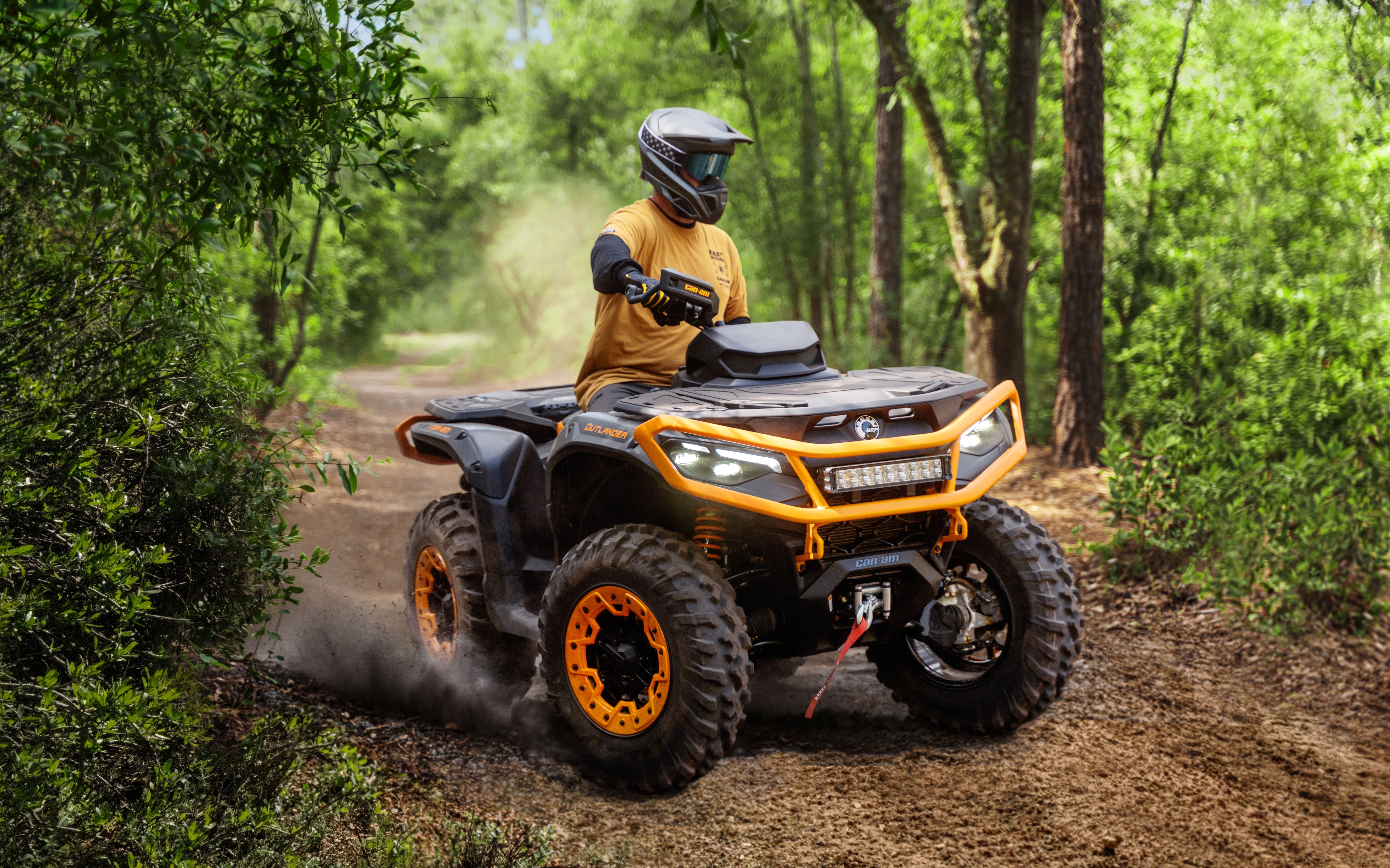
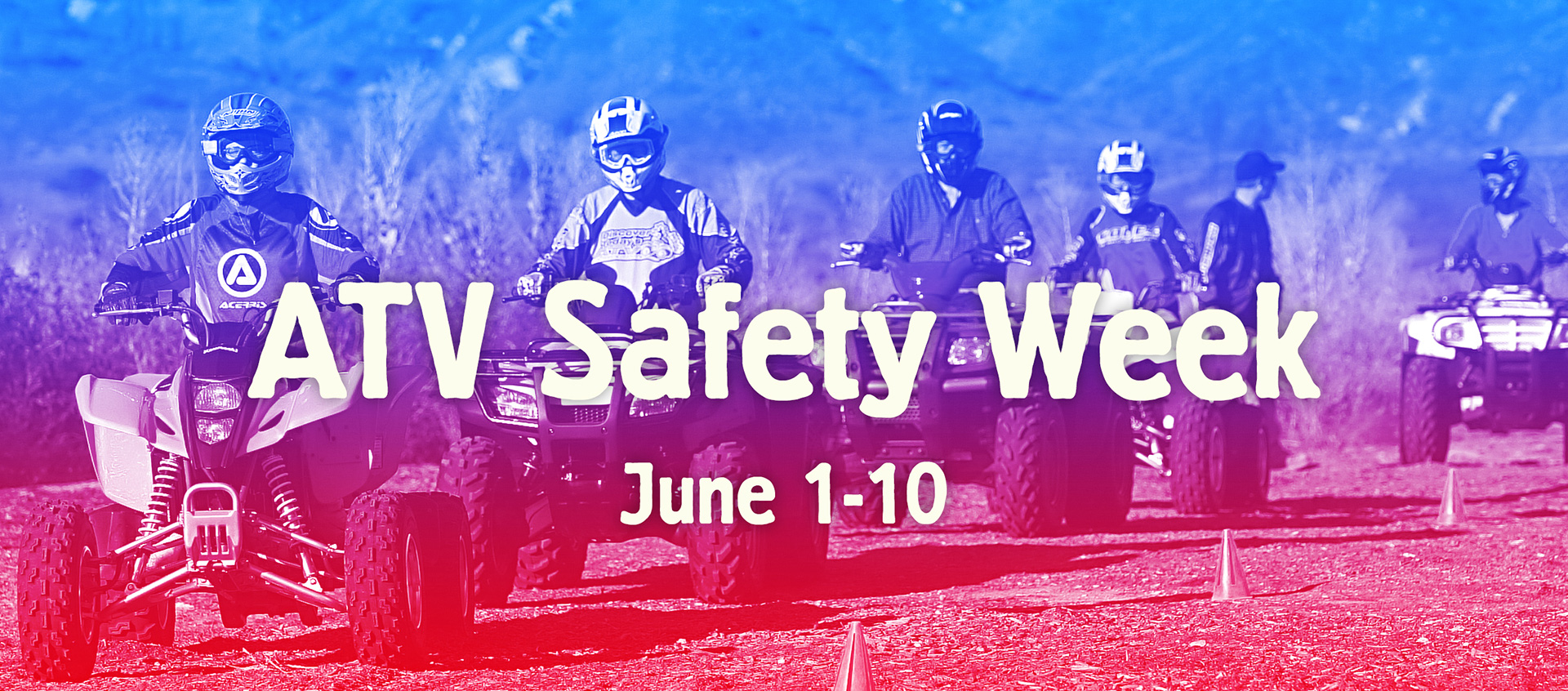
ATV safety is a systematic framework of protective gear, operator training, and vehicle maintenance designed to minimize the inherent risks of off-road riding. To operate an All-Terrain Vehicle safely, riders must utilize DOT-compliant helmets, complete certified safety courses, adhere to age-appropriate engine-size restrictions, and perform rigorous pre-ride mechanical inspections. Proper technique, such as active weight shifting and avoiding paved surfaces, is essential for maintaining vehicle stability.
All-Terrain Vehicles (ATVs) are unique machines that combine high-center-of-gravity engineering with powerful torque, designed specifically for non-paved environments. Unlike standard passenger vehicles, most ATVs lack roll cages, seatbelts, or crumple zones, placing the burden of safety entirely on the operator's skill and protective equipment. As of 2026, the Consumer Product Safety Commission (CPSC) and the ATV Safety Institute (ASI) continue to emphasize that mechanical literacy and situational awareness are the primary defenses against the high rates of rollover-related injuries.
Critical Protective Gear and Personal Equipment
The most effective way to mitigate the severity of an accident is through the consistent use of specialized protective gear. Because ATVs are "active-rider" vehicles—meaning the operator must physically move their body to influence the vehicle's direction and balance—the gear must provide both protection and mobility.
Specialized Head Protection
A helmet is the single most important piece of safety equipment. Statistics consistently show that head injuries are the leading cause of fatalities in off-road accidents. In 2026, riders should only use helmets that meet or exceed the Department of Transportation (DOT) FMVSS 218 standard. For higher levels of safety, helmets certified by the Snell Memorial Foundation or ECE 22.06 are preferred. These helmets feature an Expanded Polystyrene (EPS) liner designed to crush upon impact, absorbing kinetic energy that would otherwise be transferred to the brain.
Eye and Face Protection
Many ATV helmets are "motocross style," requiring separate goggles. Eye protection is non-negotiable because trail riding involves flying debris, low-hanging branches, and dust from other riders. Shatter-resistant polycarbonate lenses are the industry standard. They prevent "rooster tails" (rocks thrown up by tires) from causing permanent ocular damage.
Full-Body Coverage
Safe riding requires a "total coverage" approach to clothing. This includes:
- Gloves: Padded gloves provide grip and protect hands from vibration, blisters, and brush scratches. In the event of a fall, they prevent "road rash" or soil-embedded abrasions.
- Boots: Over-the-ankle boots with stiff soles are necessary to protect the small bones in the feet from being crushed by the footpegs or the vehicle's engine heat.
- Long Sleeves and Pants: Heavy denim or specialized riding jerseys/pants provide a layer of protection against minor scrapes and the sun.
Youth Safety and Vehicle Sizing Requirements
One of the most common causes of ATV-related incidents is "over-boarding," where a child operates a machine that is too large or powerful for their physical size and cognitive development. ATVs are categorized by engine displacement (measured in cubic centimeters or "cc"), and matching the rider to the machine is a legal and safety prerequisite.
As of 2026, the industry standard for youth sizing remains strict. Children under the age of six should never operate any motorized ATV. For older children, the power output must be limited. Modern youth ATVs often include throttle limiters—mechanical screws that prevent the carburetor or fuel injection system from opening fully—allowing parents to gradually increase the available speed as the child's skills improve.
Furthermore, the "Golden Rule" of ATV safety is the prohibition of passengers on single-rider machines. Most ATVs are designed for one person only. Adding a passenger shifts the center of gravity rearward and upward, making the front wheels light and prone to flipping backward during uphill climbs. It also interferes with the operator’s ability to shift their weight during turns.
The T-CLOC Pre-Ride Inspection Framework
Safety begins before the engine starts. The T-CLOC inspection is a standardized checklist used by professionals to ensure the mechanical integrity of the vehicle. Neglecting maintenance can lead to catastrophic failures, such as a stuck throttle or a snapped tie-rod at high speeds.
| Component | Inspection Focus | Critical Safety Rationale |
|---|---|---|
| Tires & Wheels | Pressure and Lug Nuts | Incorrect pressure affects steering; loose nuts cause wheel loss. |
| Controls & Cables | Throttle and Brakes | Cables must move freely without fraying to prevent unintended acceleration. |
| Lights & Electric | Headlights and Kill Switch | Ensures visibility and the ability to shut down the engine instantly. |
| Oil & Fuel | Fluid Levels and Leaks | Prevents engine seizure and reduces fire hazards from leaks. |
| Chassis & Chain | Suspension and Drive Link | Worn chains can snap and lock the rear wheels, causing a skid. |
Operational Techniques for Different Terrains
ATV tires are designed for low-pressure operation on soft surfaces like dirt, mud, and sand. One of the most dangerous surfaces for an ATV is a paved road. Because ATVs typically use a solid rear axle (no differential), the inner and outer wheels want to turn at the same speed. On pavement, the tires "bite" the surface too effectively, which can cause the vehicle to tip over during a turn rather than sliding.
Negotiating Hills
When climbing hills, operators must shift their weight forward (towards the handlebars) to keep the front tires in contact with the ground. If the engine stalls during a climb, the "K-turn" or "U-turn" maneuver should be used to point the vehicle back downhill safely. Conversely, when descending, the rider should shift their weight to the rear to prevent the vehicle from "pitching" forward over the front axle.
Traversing (Side-Hilling)
Riding across a slope is particularly hazardous. Riders must lean "up-slope" to keep the vehicle's weight centered between the wheels. If the vehicle begins to tip, the rider should steer slightly downhill to regain balance. In 2026, many advanced rider courses emphasize that if a rollover becomes inevitable, the rider should attempt to dismount on the uphill side to avoid being crushed by the rolling vehicle.
Legal Compliance and Environmental Stewardship
ATV safety is also tied to legal responsibility and land management. Unauthorized riding on private property or in protected ecological zones often leads to accidents due to unknown hazards like hidden wire fences or sudden drop-offs.
Most jurisdictions require ATVs to be registered and, in many cases, insured. Liability insurance is particularly important because off-road accidents can involve multiple parties. Furthermore, riders should always stay on marked trails. Departing from established paths increases the risk of encountering "washouts" or submerged obstacles that can catch a tire and cause a high-side flip.
The Role of Training Certification
The ATV Safety Institute (ASI) provides a "RiderCourse" that is often mandated for youth riders in many states. These courses teach the physics of ATV operation, emergency braking, and swerving. Statistics from the Consumer Product Safety Commission (CPSC) indicate that trained riders are significantly less likely to be involved in a hospital-emergency-level accident compared to those who are self-taught.
Frequently Asked Questions
Is it legal to ride an ATV on public roads in 2026?
In most jurisdictions, riding an ATV on paved public roads is illegal unless the vehicle is specifically outfitted as "street legal" with turn signals, mirrors, and street-rated tires. Even where legal, it is highly discouraged for safety reasons because off-road tires are not designed for high-traction asphalt, which significantly increases the risk of rollovers during turns.
At what age can a child start riding an ATV?
The industry consensus and safety guidelines state that children should be at least six years old before operating the smallest youth ATVs (under 70cc). Children under 16 should always be supervised by an adult and should never operate an "adult-sized" machine (over 90cc for younger teens, or 250cc+ for older teens).
Why do I need to lean into turns on an ATV?
Because most ATVs use a solid rear axle, the vehicle naturally wants to travel in a straight line. By leaning your body weight into the inside of the turn, you help the vehicle overcome this resistance and keep the inside wheels on the ground. This "active riding" is the primary way to prevent the centrifugal force from tipping the machine outward.
Do I really need a helmet if I am just riding on my own property?
Yes. A significant percentage of ATV fatalities occur on private land and at relatively low speeds. Obstacles like tree roots, hidden holes, or unexpected mechanical failures can cause a fall or rollover regardless of the location. A helmet is the only effective protection against traumatic brain injury (TBI).
Can I carry a passenger if I add an aftermarket seat?
No. Adding an aftermarket "jump seat" to a single-rider ATV does not change the vehicle's engineering. The wheelbase and suspension are not designed for the extra weight or the altered center of gravity. Carrying a passenger on a machine designed for one person significantly increases the risk of the front wheels lifting off the ground and the vehicle flipping backward.
Recommendation for Safe Riding Implementation
To ensure the highest level of safety, every rider should follow a structured progression. First, verify that your machine is sized correctly for your physical stature and experience level. Second, invest in a high-quality, full-face DOT helmet and appropriate riding boots before your first outing.
The most critical next action is to enroll in a hands-on safety course. Even experienced riders benefit from professional instruction on emergency maneuvers and technical terrain handling. Finally, always ride with a partner or notify someone of your expected return time and location. Carrying a basic first-aid kit and a tool kit for trail-side repairs can prevent a minor mechanical issue from becoming a dangerous survival situation.