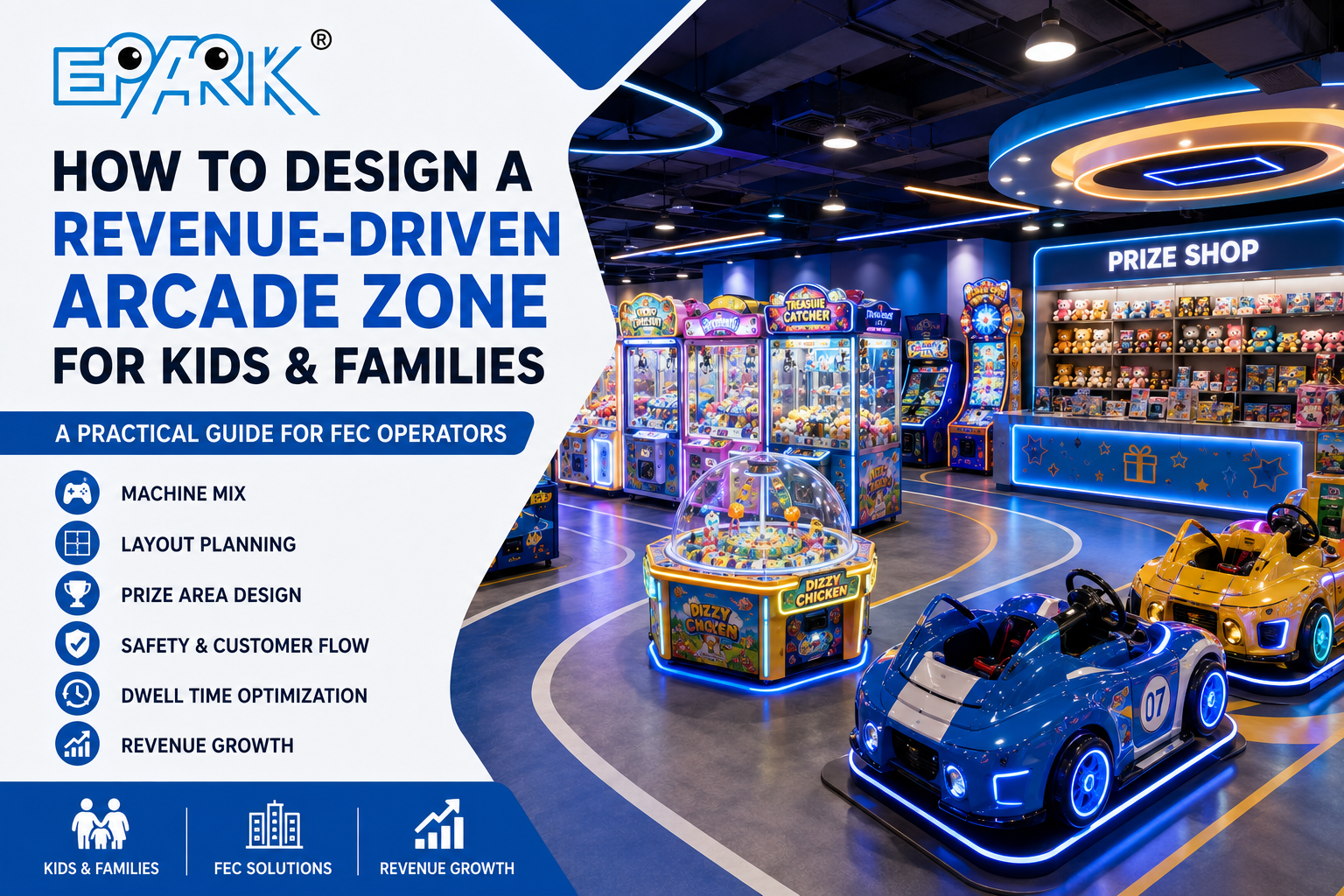
Arcade revenue is primarily generated through coin-operated machine play, admission fees, and ancillary sales like concessions or merchandise. Total earnings depend on machine density, game selection, location foot traffic, and the integration of cashless payment systems. Effective management requires balancing high-maintenance hardware costs against consistent, high-margin player engagement to ensure long-term profitability.
The Foundations of Arcade Revenue Streams
The economic viability of an arcade is rarely derived from a single source. Instead, successful operators utilize a multi-tiered revenue model that captures value from casual visitors, competitive enthusiasts, and recurring patrons. At the core of these operations remains the classic "pay-per-play" mechanical or digital model. In 2026, while physical coins and tokens remain culturally significant, the industry has largely shifted toward card-based or NFC (Near Field Communication) payment systems. These systems simplify pricing structures, allow for dynamic promotional bundles, and provide operators with granular data on machine performance.
Admission-based models represent a significant structural alternative to pay-per-play. By charging a flat fee for unlimited play, venues can stabilize cash flow and focus on increasing the "time on device" rather than maximizing individual transaction counts. This model is particularly effective for retro-focused arcades or venues prioritizing a social lounge atmosphere. Furthermore, secondary revenue streams—specifically food and beverage (F&B) sales and venue rentals for events—often account for a substantial percentage of total profit, sometimes exceeding the hardware earnings themselves.
Operational Costs and Profitability Factors
Analyzing arcade revenue is incomplete without a clear understanding of the expenditure required to maintain that revenue. Operators must account for several recurring costs that directly impact the net margin of each machine:
- Hardware Acquisition and Leasing: The cost of purchasing new cabinets or entering into revenue-share agreements with distributors.
- Maintenance and Repair: Replacing joysticks, buttons, monitors, and power supplies is a constant operational necessity.
- Utility Overhead: Electricity consumption for high-performance displays and climate control for server-based systems.
- Revenue Share/Commissions: If a machine is leased from an outside operator, the split can range significantly based on the equipment type.
To optimize profitability, venue owners often employ a "Game Lifecycle Management" strategy. This involves tracking the revenue per square foot of each unit. Machines that reach a point of diminishing returns are rotated out, either by replacing them with high-performing new titles or by relocating them to a secondary, lower-traffic area of the floor.
Comparative Overview of Arcade Revenue Models
The following table contrasts the primary revenue strategies utilized by modern commercial arcades to help owners identify the best fit for their operational goals.
| Model Type | Primary Revenue Source | Complexity | Customer Experience |
|---|---|---|---|
| Pay-Per-Play | Individual game credits | High | High intensity, transactional |
| All-You-Can-Play | Admission/Wristband | Low | Social, relaxed, longer stays |
| Hybrid | Credits + F&B/Events | Moderate | Balanced, diverse revenue |
| Subscription | Recurring membership | Low | High loyalty, predictable cash |
The Impact of Digital Integration and Payment Systems
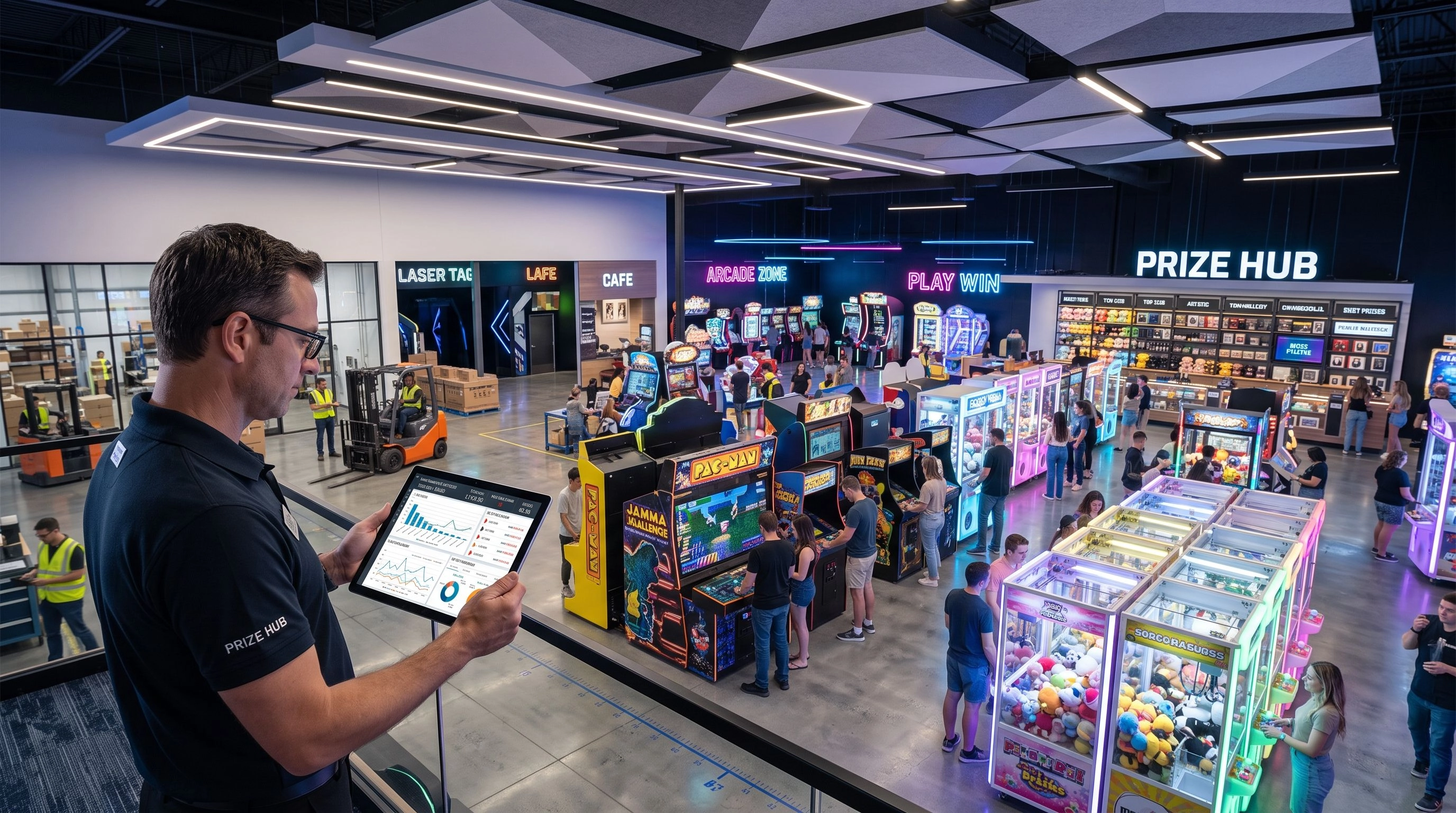
The shift toward cashless, centralized point-of-sale (POS) systems has fundamentally changed how revenue is tracked and grown. In previous decades, manual revenue verification required physical collection and counting of currency from each individual cabinet. Today, integrated card systems provide real-time dashboards that show exactly which machines are earning, at what times of day, and how players are spending their credits.
This data allows for dynamic pricing. For instance, an operator can program lower credit costs during "off-peak" hours—such as weekday mornings—to incentivize foot traffic, or increase the price of premium games during weekend evenings. This data-driven approach removes much of the guesswork from floor management and enables precise inventory decisions, such as identifying which genres (fighting games, rhythm games, or ticket redemption) are outperforming their peers.
Challenges in Maintaining Consistent Revenue
Despite the technological advancements of 2026, arcade operators face specific challenges that can impede revenue growth. Hardware longevity is perhaps the most significant constraint. Unlike digital-only platforms, physical arcade cabinets are susceptible to wear and tear. A machine that is out of service for repairs is not generating revenue, and the logistical challenges of sourcing parts for older, legacy machines can create "revenue gaps" in a venue’s floor plan.
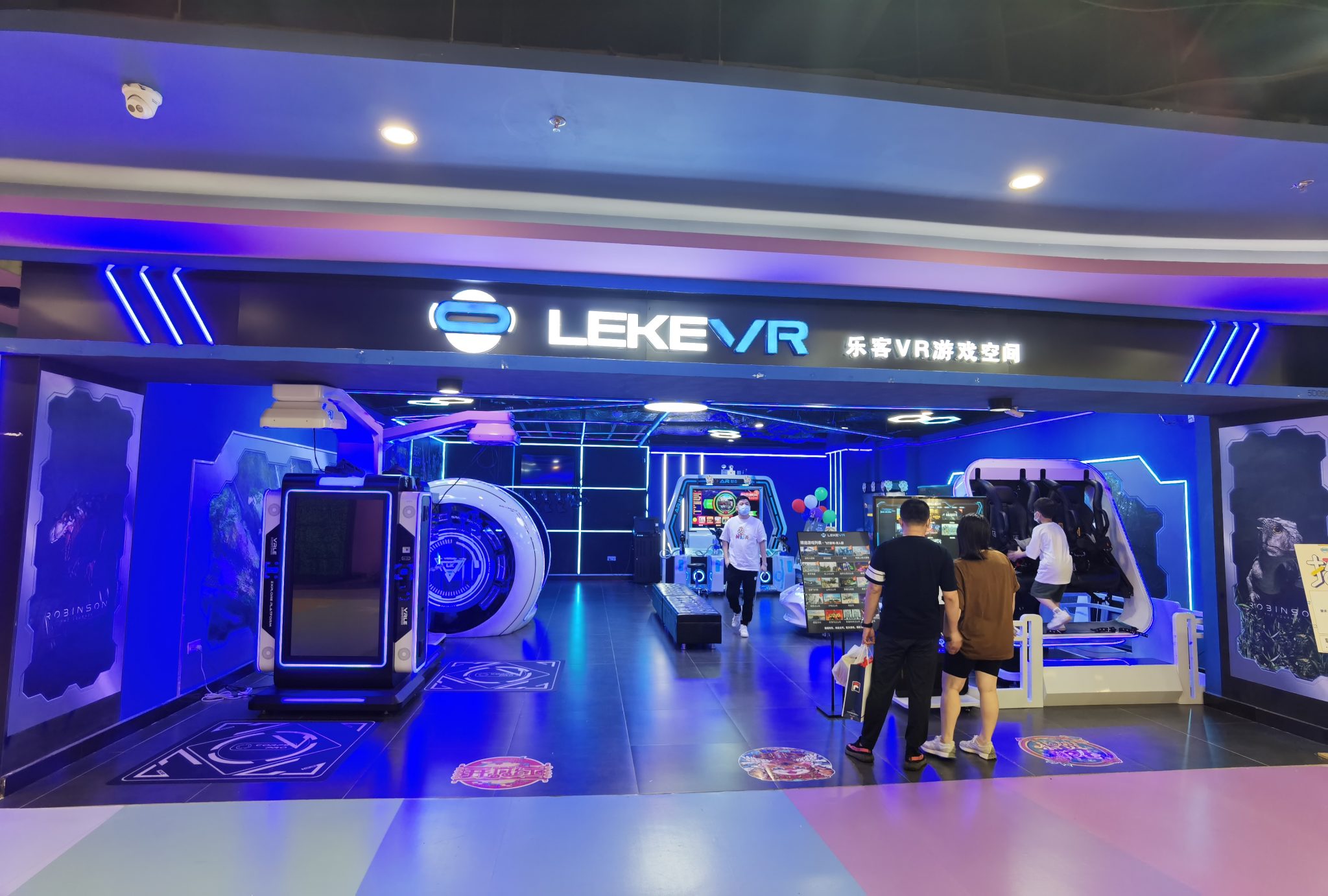
Furthermore, competition for leisure time is fiercer than ever. Arcades are no longer just competing with other arcades; they are competing with home gaming consoles, mobile apps, and other out-of-home entertainment experiences like movie theaters or bowling alleys. To maintain revenue, successful arcades must offer experiences that cannot be replicated at home, such as large-scale immersive cabinets, social tournament environments, and high-quality physical environments.
Strategies for Revenue Growth and Optimization
To maximize the financial performance of an arcade, owners should prioritize three main growth pillars: floor optimization, diversification, and loyalty programs.
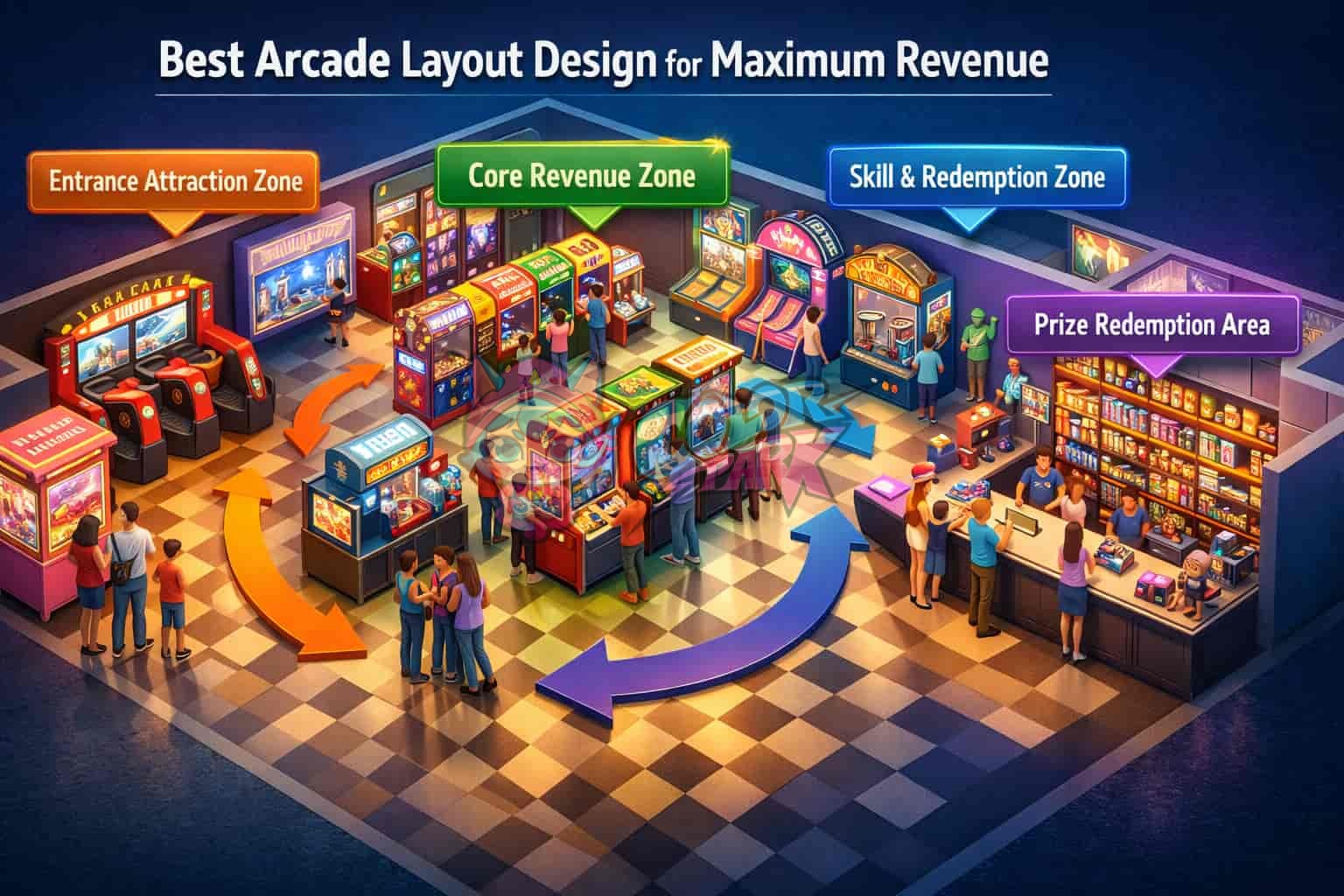
Floor optimization involves rigorous analysis of machine performance data. If a specific title is consistently in the bottom 10% of revenue, it should be removed to make space for a high-performing title. Diversification refers to expanding revenue beyond games—specifically through party room rentals, corporate events, and specialized F&B offerings that keep patrons in the venue for longer durations. Finally, loyalty programs—such as digital credit accounts that offer "bonus credits" for pre-loading—increase the average transaction value per customer and help build a stable, recurring revenue base.
Frequently Asked Questions
What is the average revenue per machine in a typical arcade?
There is no industry-wide "average" due to extreme variance based on location, machine popularity, and machine age. However, high-performing cabinets in high-traffic urban centers can generate several hundred dollars per week, while underperforming units may barely cover their own electrical costs.
Does ticket redemption increase arcade revenue?
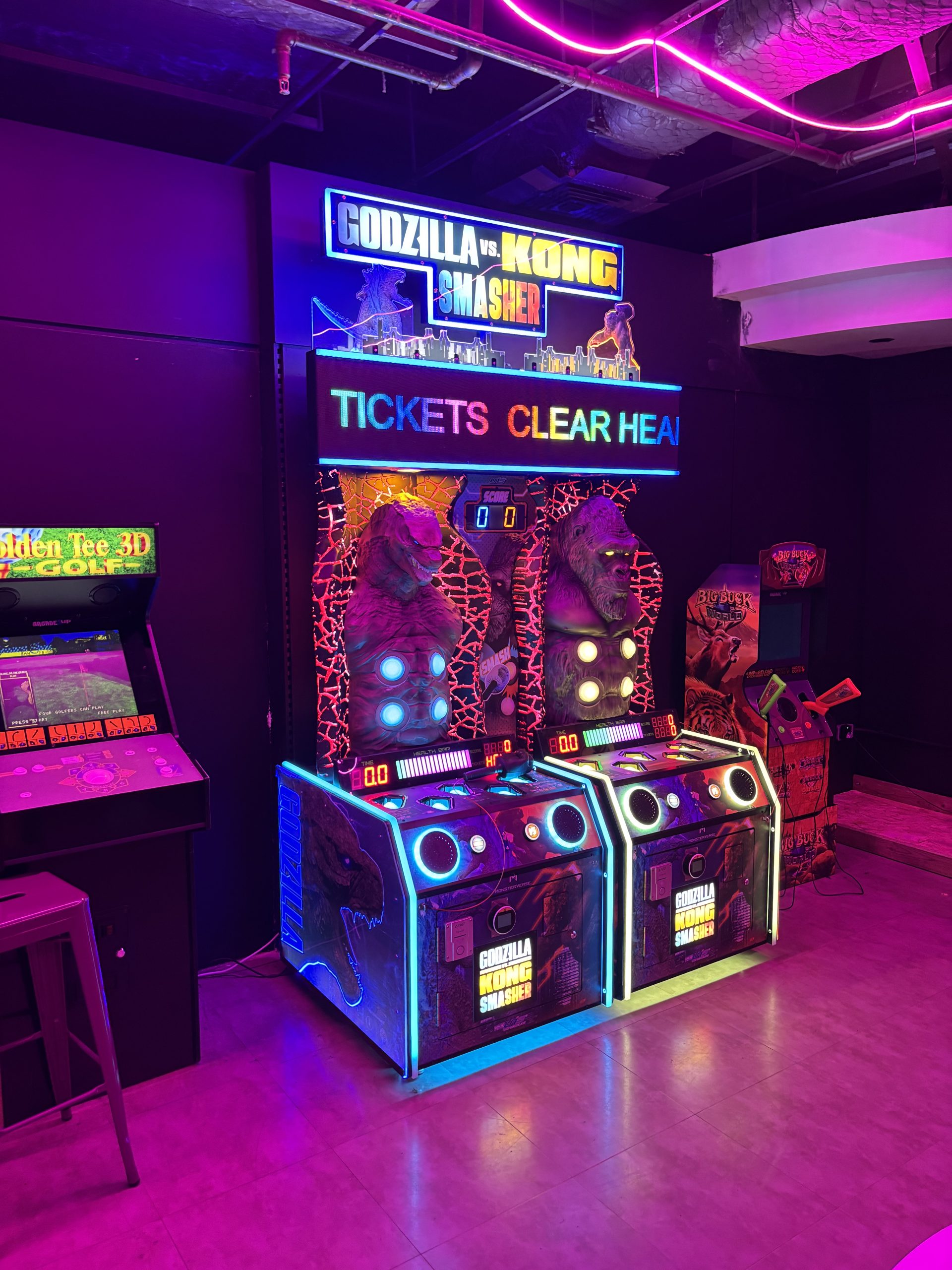
Yes, redemption games typically maintain the highest and most consistent revenue streams in modern arcades. The psychological draw of earning tickets for prizes creates a recurring incentive for players to continue playing, which often results in higher overall throughput compared to non-redemption arcade cabinets.
How do revenue-share agreements with distributors work?
In a revenue-share model, the arcade owner provides the floor space and electricity, while a distributor provides the equipment. Profits are usually split on a percentage basis—often 50/50—after operational costs are deducted. This reduces the upfront capital requirement for the owner but lowers the total potential profit per machine.
What is the most effective way to track arcade revenue?
The most effective method is utilizing an integrated cashless payment system that links every machine on the floor to a central server. This provides real-time reporting on revenue, play counts, and peak usage hours, allowing for immediate operational adjustments.
How does the location affect arcade revenue?
Location is the single most important factor. Arcades located in high-foot-traffic areas like shopping malls, transit hubs, or entertainment districts naturally generate more revenue due to the volume of casual walk-in traffic, which lowers the cost of customer acquisition compared to a destination-based model.
Next Steps for Arcade Operators
If you are evaluating the revenue potential of an existing or new arcade, your first action must be the implementation of a comprehensive, cloud-based data management system. Without precise, machine-level data, it is impossible to accurately assess profitability or identify which units are acting as liabilities. Once you have a reliable data stream, categorize your equipment by performance and begin a rolling, three-month rotation cycle to ensure your floor plan always features the highest-earning titles available in your demographic. Consult with local tax and business licensing authorities regarding the specific classification of coin-operated entertainment in your jurisdiction to ensure compliance with 2026 local regulations.