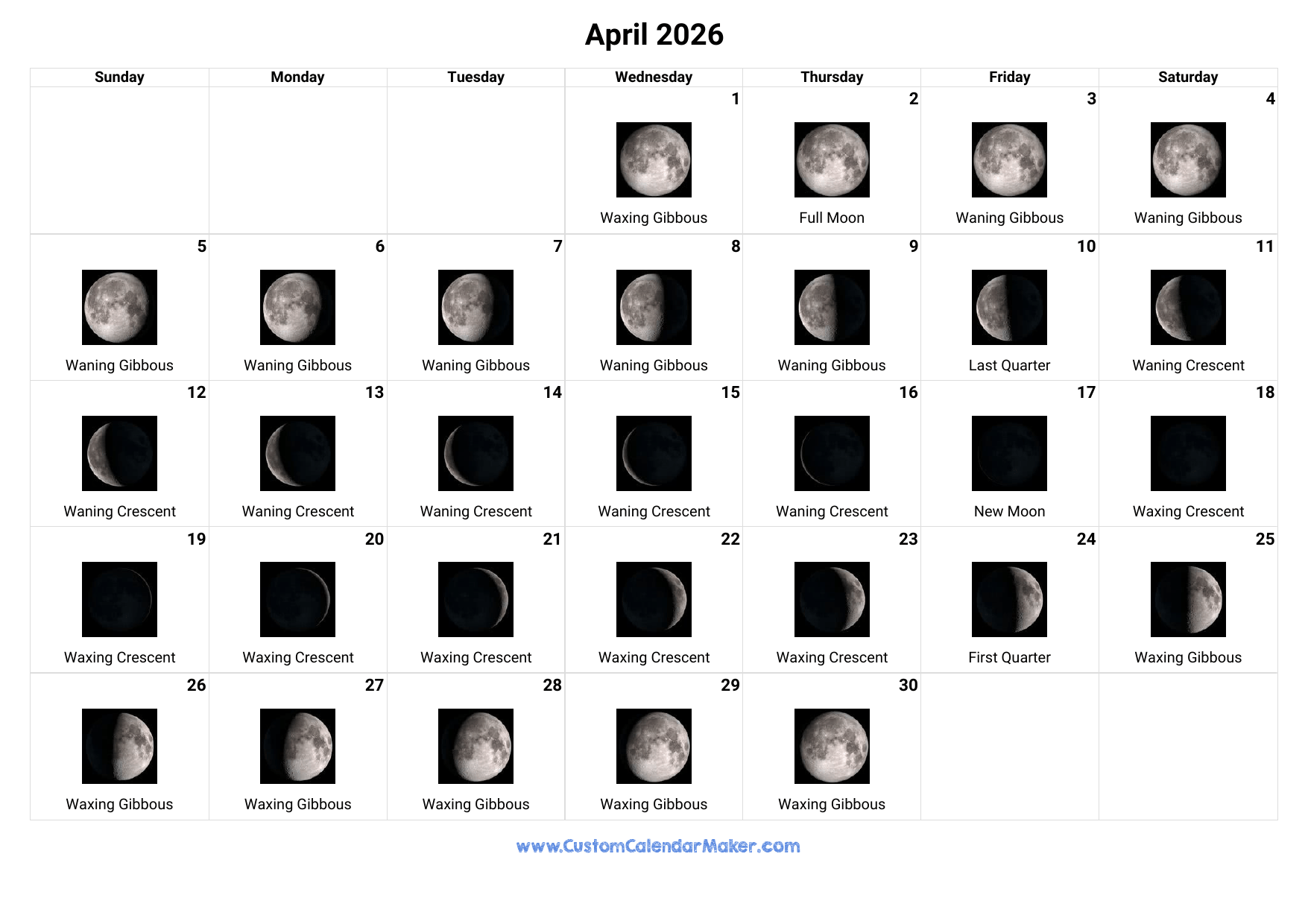
In 2026, April 16 is a significant date marked by the observance of Emancipation Day in Washington, D.C., and its role as the first day of the post-tax-season cycle for federal filers. While the standard federal tax deadline falls on April 15, the specific legal status of April 16 as a District of Columbia holiday creates unique administrative conditions for taxpayers, legal professionals, and government employees.
The Significance of April 16 as Emancipation Day
April 16 is a legal public holiday in the District of Columbia, commemorating the signing of the Compensated Emancipation Act by President Abraham Lincoln in 1862. This landmark legislation ended slavery in Washington, D.C., freeing approximately 3,100 individuals nearly nine months before the broader Emancipation Proclamation was issued.
Since it became an official public holiday in 2005, the date has carried weight beyond its historical importance. Because the Internal Revenue Service (IRS) is headquartered in Washington, D.C., any legal holiday in the District is treated as a "legal holiday" nationwide for the purposes of tax filing deadlines under Internal Revenue Code (IRC) § 7503.
In 2026, April 16 falls on a Thursday. Because the primary tax deadline (April 15) falls on a Wednesday, the holiday does not shift the federal filing deadline for the general public this year. However, for residents of the District of Columbia, local government offices, schools, and various municipal services are closed, and the date remains a critical transition point for federal financial reporting.
How April 16 Affects Federal and State Tax Deadlines
The intersection of April 16 and the tax calendar is governed by IRC § 7503, which states that when the last day for performing any act falls on a Saturday, Sunday, or legal holiday, the performance of the act is considered timely if it is performed on the next succeeding day that is not a Saturday, Sunday, or legal holiday.
In many recent years, such as 2024, the presence of Emancipation Day on or near the 15th pushed the national filing deadline to April 18. In 2026, however, the sequence is as follows:
- April 15, 2026 (Wednesday): The federal income tax filing and payment deadline for most individual taxpayers.
- April 16, 2026 (Thursday): Emancipation Day (D.C. Holiday). This is the first day that late-filing and late-payment penalties begin to accrue for those who missed the previous day's deadline without an extension.
Taxpayers should note that while federal rules are influenced by D.C. holidays, state-level deadlines may differ. For instance, in Maine and Massachusetts, Patriots' Day (observed on the third Monday of April) can further extend state-specific filing deadlines. In 2026, Patriots' Day falls on Monday, April 20, which may provide residents in those states with additional time for state returns, though their federal returns remained due on the 15th.
Missed the April 15 Deadline? Actions to Take on April 16
If you realize on April 16 that you missed the filing deadline, your primary objective should be damage control. The IRS distinguishes between the "failure to file" and the "failure to pay," and the penalties for the former are significantly more severe.
Filing for an Extension
By April 16, it is technically too late to file for the automatic six-month extension (Form 4868) for the 2025 tax year, as that form must be submitted by the filing deadline (April 15). However, you should still file your return as soon as possible. Filing the return—even if you cannot pay the full balance—stops the accrual of the failure-to-file penalty, which is 5% of the unpaid taxes for each month or part of a month that a tax return is late.
Immediate Payment Options
If you owe taxes and missed the April 15 deadline, interest and penalties began accruing at midnight. You can mitigate these costs by making a partial payment immediately through the IRS Direct Pay portal or the Electronic Federal Tax Payment System (EFTPS). Even a partial payment reduces the principal amount upon which interest and failure-to-pay penalties are calculated.
Calculating Penalties and Interest Starting April 16
For taxpayers who have not filed or paid by April 16, 2026, the IRS applies a specific penalty structure. Understanding these calculations is essential for assessing the total financial impact of a late submission.
| Penalty Type | Accrual Rate | Maximum Limit |
|---|---|---|
| Failure to File | 5% of unpaid tax per month | 25% of total unpaid tax |
| Failure to Pay | 0.5% of unpaid tax per month | 25% of total unpaid tax |
| Combined Penalty | 5% per month (4.5% file + 0.5% pay) | If both apply, the 5% monthly rate is the cap |
| Interest (Underpayment) | Federal Short-Term Rate + 3% | No limit; compounded daily |
The interest rate is adjusted quarterly. For the second quarter of 2026 (starting April 1), the rate is determined by the federal short-term rate plus 3 percentage points. Because interest is compounded daily, the cost of waiting even a few days after April 16 can be substantial on large balances.
If a return is more than 60 days late (reaching mid-June 2026), the minimum penalty for failure to file is either $485 (adjusted for inflation) or 100% of the unpaid tax, whichever is less.
State-Level Exceptions and Regional Considerations
While April 16 is a legal holiday in Washington, D.C., and impacts federal administration, it is not a state holiday in most of the U.S. However, taxpayers must remain aware of local variations that might coincide with this date:
- District of Columbia: Local residents and businesses observe April 16 as a full holiday. Local D.C. tax filings that would normally fall on the 16th are moved to the next business day, Friday, April 17, 2026.
- Maine and Massachusetts: As noted, these states observe Patriots' Day. If the 15th is a Wednesday and the 16th is a holiday, their state-level windows often remain open slightly longer depending on specific state legislative adjustments made for that tax year.
- Disaster Extensions: Every year, the IRS grants extensions to specific counties or states affected by natural disasters (wildfires, floods, or storms). In 2026, it is vital to check the IRS Disaster Relief page to see if your jurisdiction has been granted a deadline beyond April 15/16.
Essential Steps to Mitigate Financial Liability on April 16
If you are navigating the post-deadline landscape on April 16, follow these three steps to protect your financial standing:
1. File Immediately Regardless of Payment Ability
The IRS is generally more lenient with taxpayers who file on time but cannot pay than with those who do neither. By filing on April 16 or as soon as possible thereafter, you demonstrate "good faith" and halt the 5% monthly failure-to-file penalty.
2. Request an "Abatement of Penalty"
If you have a clean compliance history for the past three years, you may qualify for First Time Abate (FTA). You can request this after you receive a penalty notice in the mail. The IRS may waive the failure-to-file and failure-to-pay penalties if you can show you acted with reasonable cause and not willful neglect.
3. Establish an Installment Agreement
If the reason you missed the deadline was an inability to pay the full balance, you can apply for an Online Payment Agreement. This allows you to pay your debt over time (up to 72 months for individuals) and reduces the failure-to-pay penalty rate from 0.5% to 0.25% per month while the agreement is in effect.
4. Correcting "APR" Misinterpretations
In financial contexts unrelated to the calendar, "APR 16" may refer to a 16% Annual Percentage Rate. If you are reviewing a credit card statement or loan agreement on this date, a 16% APR is considered a competitive rate for unsecured personal loans in the 2026 market, though it is slightly below the national average for credit cards. Ensure you are not confusing tax deadlines with interest rate adjustments on your financial accounts.
Is April 16, 2026, a federal holiday?
No, April 16 is not a federal holiday; it is a legal holiday only in the District of Columbia. However, because the IRS and other federal agencies are based in D.C., the holiday can affect federal filing deadlines if the standard deadline (April 15) falls on the 16th or a weekend. In 2026, it does not change the national filing deadline.
Can I still file an extension on April 16?
No. The deadline to file for an automatic six-month extension (Form 4868) is the same as the tax filing deadline, which for 2026 is April 15. If you missed this date, you cannot retroactively file for an extension. Your best course of action is to file your full return as soon as possible to stop penalties.
What happens if I mail my return on April 16?
The IRS uses the "Postmark Rule." If your return is postmarked April 16, 2026, it is considered one day late (since the deadline was April 15). You will likely be assessed interest and a failure-to-file penalty for one month, as the IRS counts any portion of a month as a full month for penalty accrual.
Does Emancipation Day affect banks?
Generally, no. Since Emancipation Day is a D.C. government holiday and not a federal holiday (like Juneteenth or Labor Day), the Federal Reserve and most major national banks remain open. Electronic transfers and direct deposits should process normally on April 16, 2026.
Why is April 16 significant for taxpayers if the deadline is the 15th?
April 16 serves as the "cutoff" point. It is the day the IRS systems begin calculating interest and penalties for the previous year's tax liabilities. Furthermore, if you live in D.C., it is a day of local government closure, which may affect your ability to get local tax assistance or documentation.
Final Recommendation for April 16
For those who successfully filed by the April 15 deadline, April 16 is a day to confirm that any "payment scheduled" via tax software has been debited from your account. For those who missed the deadline, the most critical action to take on April 16 is to file your return immediately. Even without the ability to pay, the act of filing eliminates the most expensive penalty (failure to file) and begins the process of resolving your tax debt through official IRS channels like installment agreements or offers in compromise.