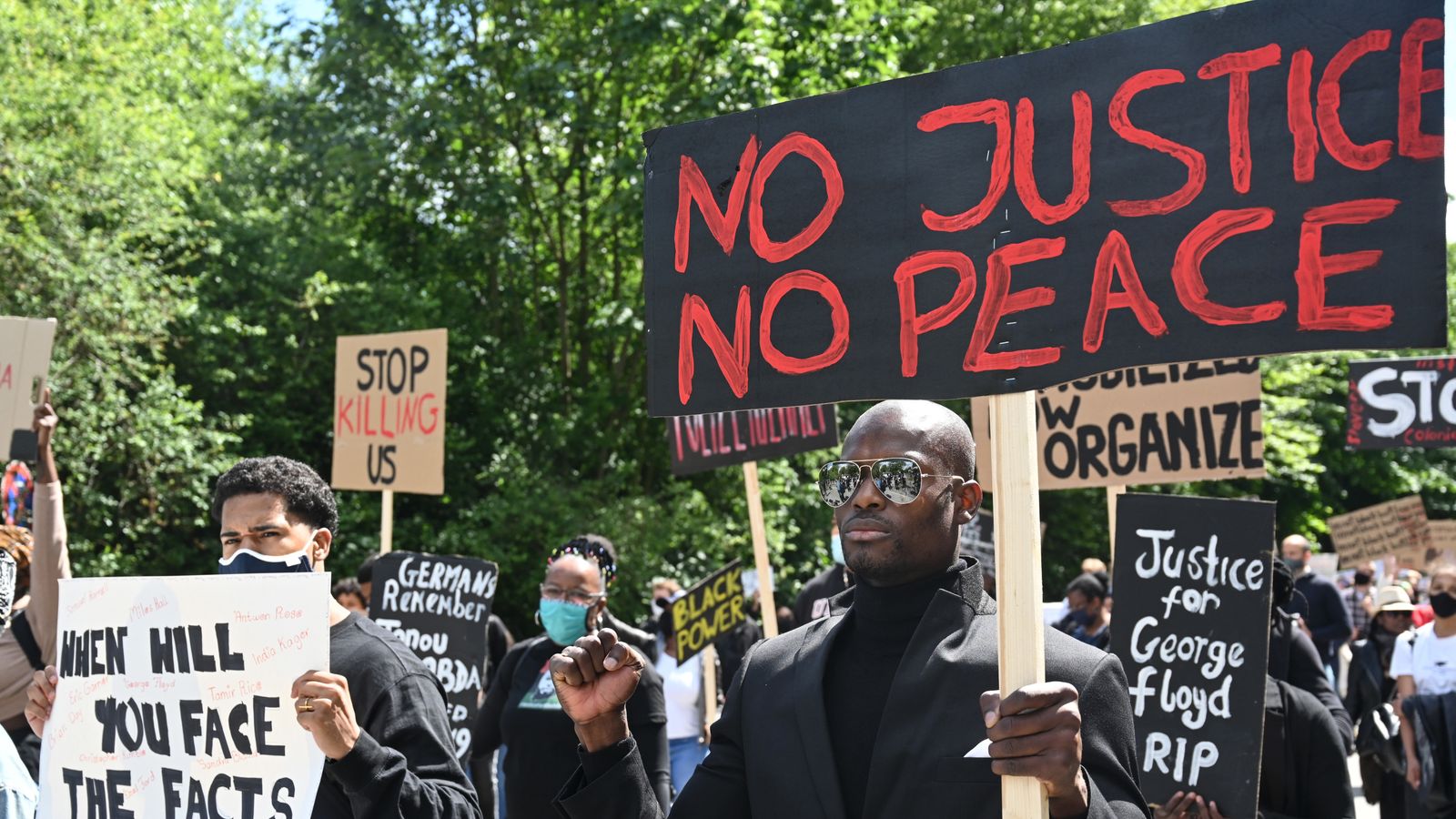
Anti racism in sports is a proactive, multifaceted approach aimed at dismantling systemic discrimination, prejudice, and exclusionary practices within athletic organizations, professional leagues, and grassroots programs. It moves beyond passive non-discrimination policies to actively identify and neutralize racial disparities in recruitment, leadership, fan experience, and player treatment, ensuring equitable access and representation across all levels of the industry.
The Shift from Diversity to Anti-Racism
For decades, many sporting bodies focused primarily on diversity and inclusion initiatives, which often centered on visual representation—ensuring individuals from diverse backgrounds were present in locker rooms, front offices, or on playing fields. However, anti-racism represents a fundamental shift in strategy. It recognizes that presence alone does not equate to equality if the underlying power structures, cultural norms, and decision-making processes remain biased against minority groups.
An anti-racist framework requires organizations to conduct an internal audit of their institutional culture. This includes evaluating how talent is scouted, how disciplinary actions are applied across different demographic groups, and how leadership pipelines are constructed. By prioritizing these structural adjustments, organizations transition from simply "avoiding lawsuits" to actively creating environments where athletes and staff can thrive without the burden of racial systemic barriers.
Core Pillars of Institutional Anti-Racism
Effective anti-racism in sports is built upon verifiable, actionable pillars that organizations must maintain to move the needle. These pillars act as the foundation for both long-term policy and immediate operational change.
- Data-Driven Accountability: Organizations must track demographic data regarding hiring, promotion, and athlete participation. This data must be transparently reported to allow for an honest assessment of progress and to highlight areas where intervention is necessary.
- Zero-Tolerance Enforcement: Policies against racial abuse, whether from fans or internal staff, must be clearly codified and consistently applied. Ambiguity in disciplinary proceedings often leads to the perception that racism is tolerated if the offender is a high-value asset.
- Inclusive Governance: Anti-racism requires that decision-makers represent the diversity of the participants. This includes board seats, coaching staff, and ownership groups, as homogeneity in leadership often results in a "blind spot" regarding the experiences of minority athletes.
- Education and Sensitivity Training: Continuous education for stakeholders—ranging from coaches to stadium security—is essential. This is not about one-time seminars but about fostering a culture of ongoing critical reflection on racial dynamics.
Comparative Framework: Traditional Inclusion vs. Anti-Racist Action
| Feature | Traditional Inclusion | Anti-Racist Action |
|---|---|---|
| Primary Goal | Representation and "Diversity" | Structural Equity and Power Sharing |
| Approach | Reactive (responding to incidents) | Proactive (dismantling root causes) |
| Accountability | Soft targets or voluntary goals | Mandatory metrics and audit trails |
| Focus | Individual experiences | Institutional systems and policies |
| Leadership | Top-down mandate | Integrated through all organizational levels |
Challenges in Implementation and Cultural Resistance
Implementing anti-racism in sports is rarely met with universal enthusiasm. Resistance often manifests as "organizational inertia," where stakeholders argue that sports should remain "apolitical." However, experts note that the decision to maintain the status quo is, in itself, a political choice that upholds existing power imbalances.
Another common obstacle is the "pipeline myth," which suggests that the lack of diversity in high-level coaching or executive roles is due to a lack of qualified candidates. Anti-racist analysis shifts the burden of proof, asking why the current recruitment channels are failing to identify talent from diverse backgrounds. Troubleshooting this issue often involves broadening scouting networks and removing informal "old boy" networking requirements that favor candidates from specific socioeconomic or racial backgrounds.
Steps for Organizations to Foster Anti-Racist Environments
Organizations seeking to implement these changes should follow a structured approach to ensure sustainability and impact:
- Assess Baseline Metrics: Conduct a comprehensive review of existing demographic data and qualitative feedback from employees and athletes.
- Define Clear Objectives: Set specific, measurable, and time-bound goals for improving representation and removing identified barriers.
- Formalize Reporting Mechanisms: Establish anonymous, safe channels for reporting racial discrimination, ensuring that whistleblowers are protected from retaliation.
- Audit Contracts and Policies: Review all internal documents, including player contracts and stadium conduct codes, to ensure language explicitly prohibits racist conduct and provides specific remedies for victims.
- Establish Oversight Committees: Create an independent or semi-independent body to monitor progress and advise on complex cases of reported discrimination.
The Role of Fan Engagement and Community Impact
Anti-racism in sports does not end at the stadium gates. Fans play a significant role in creating a hostile or welcoming environment. Many professional leagues now employ AI-driven social media monitoring and stadium security protocols to identify and ban individuals who engage in racist behavior. Educating the fan base on the organization’s anti-racist values is a vital communication task, as it aligns the brand’s identity with the broader societal push for racial equity.
Frequently Asked Questions
What is the difference between diversity and anti-racism?
Diversity focuses on the composition of a group, ensuring people of different backgrounds are present. Anti-racism focuses on the systems that govern those people, actively working to remove the barriers that prevent true equality of opportunity and treatment.
How should a sports organization handle a public incident of racism?
Transparency and speed are essential. An organization should acknowledge the incident immediately, confirm an investigation is underway, provide support to the affected individual, and share the findings and subsequent disciplinary actions once the review is complete.
Are anti-racism policies legally binding for private sports clubs?
While specific legal requirements vary by jurisdiction, anti-racism policies generally function as internal codes of conduct. However, in many regions, they must comply with broader employment laws and human rights statutes regarding non-discrimination in the workplace.
What is the "pipeline myth" in sports leadership?
The pipeline myth is the common argument that there are "no qualified minority candidates" for senior roles. Research shows that this is often a failure of recruitment and mentorship systems rather than a lack of actual qualified talent.
How can small grassroots organizations support anti-racism?
Small organizations can implement anti-racist practices by standardizing their tryout and recruitment processes, ensuring coaching staff are trained in inclusive pedagogy, and creating a culture where open dialogue about race is encouraged rather than silenced.
Moving Toward Long-Term Accountability
The journey toward a truly anti-racist sports landscape is ongoing. By 2026, many organizations have moved past simple statements of intent and are now grappling with the operational reality of structural change. The most successful organizations are those that treat anti-racism as a continuous process of improvement, rather than a project with a fixed end date. To maintain momentum, leaders should focus on consistent, transparent data reporting and the genuine inclusion of diverse voices in every level of the decision-making process. Success in this field is not measured by the absence of challenges, but by the organization’s capacity to identify, address, and rectify them with integrity and permanence.