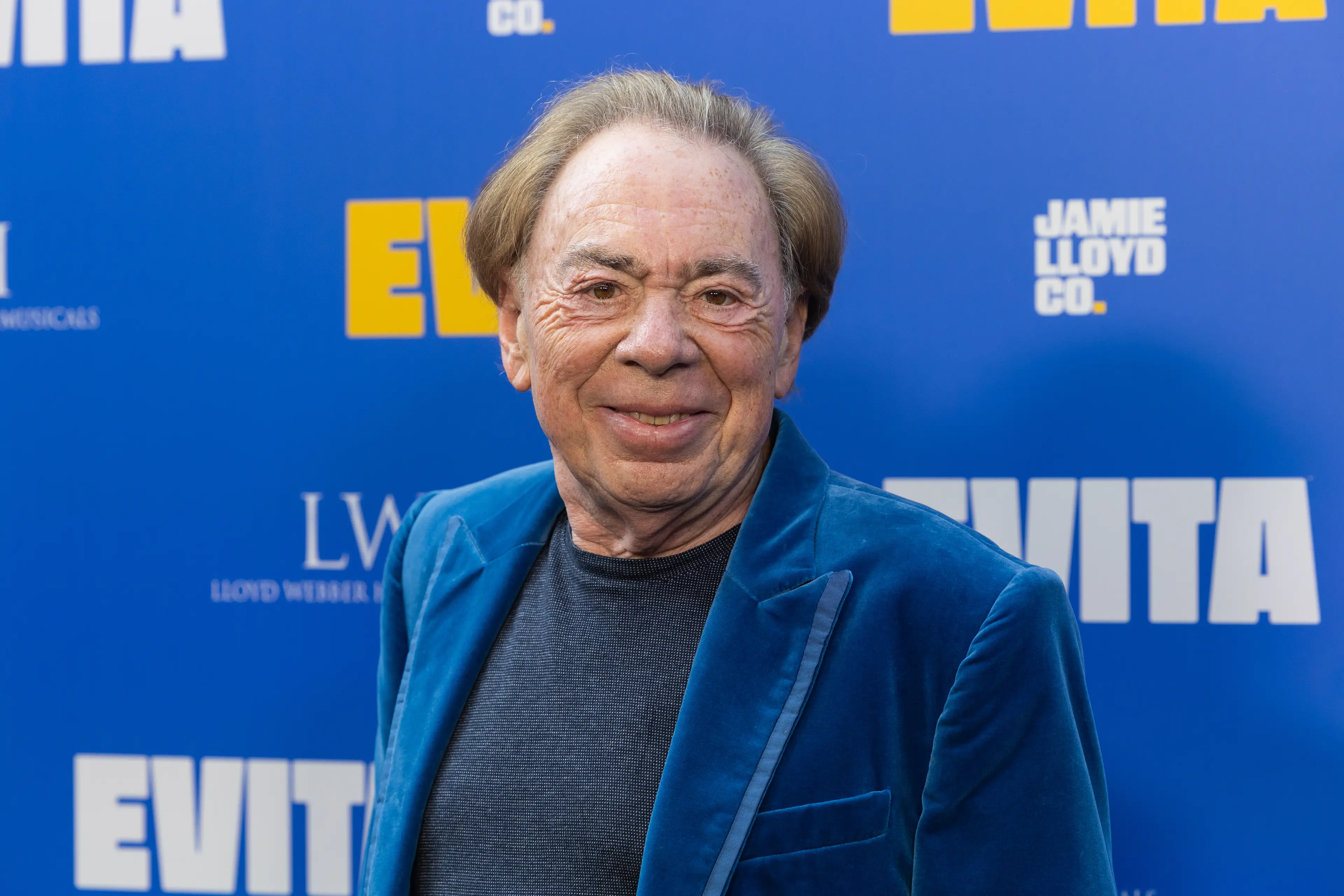
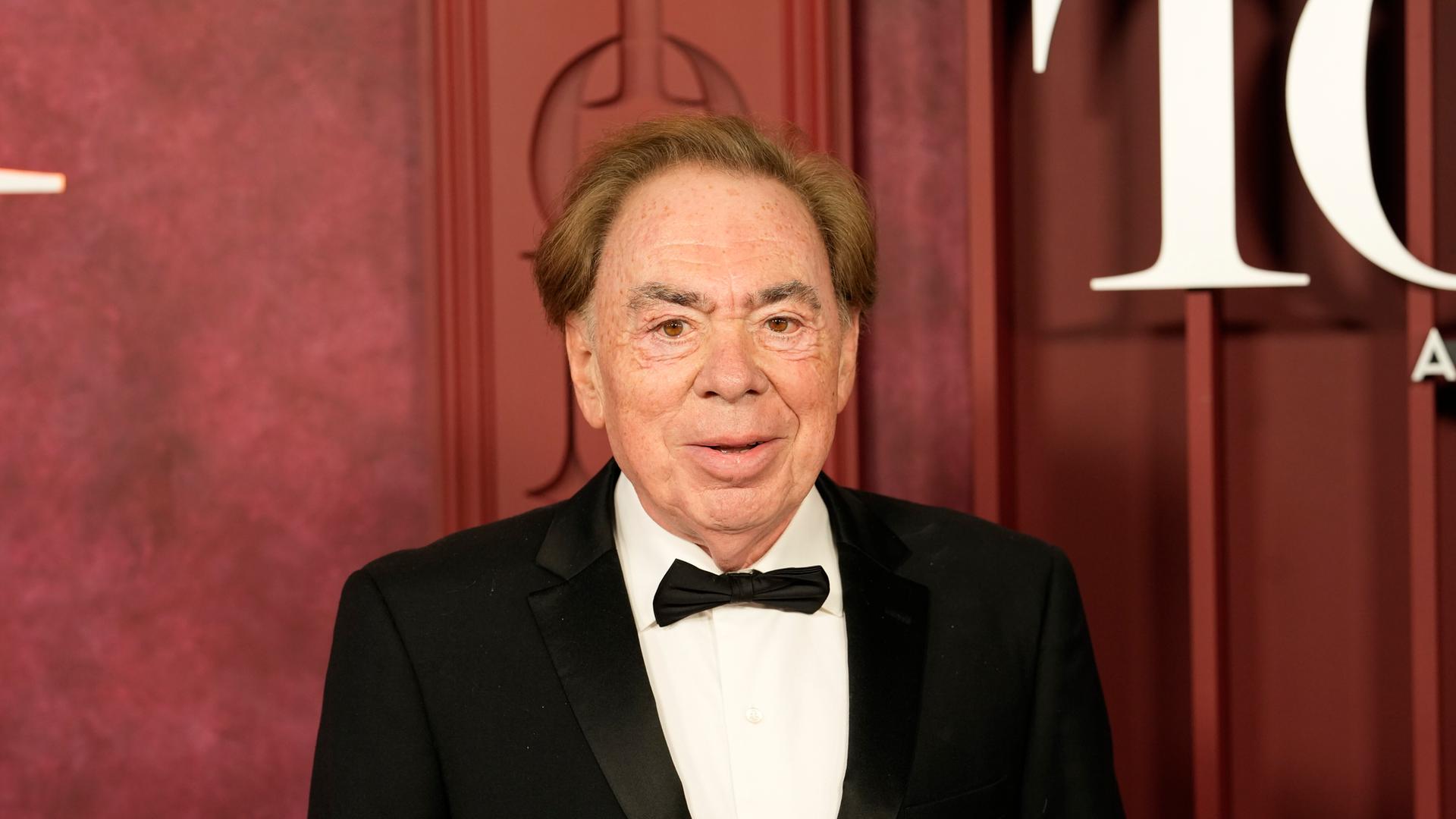
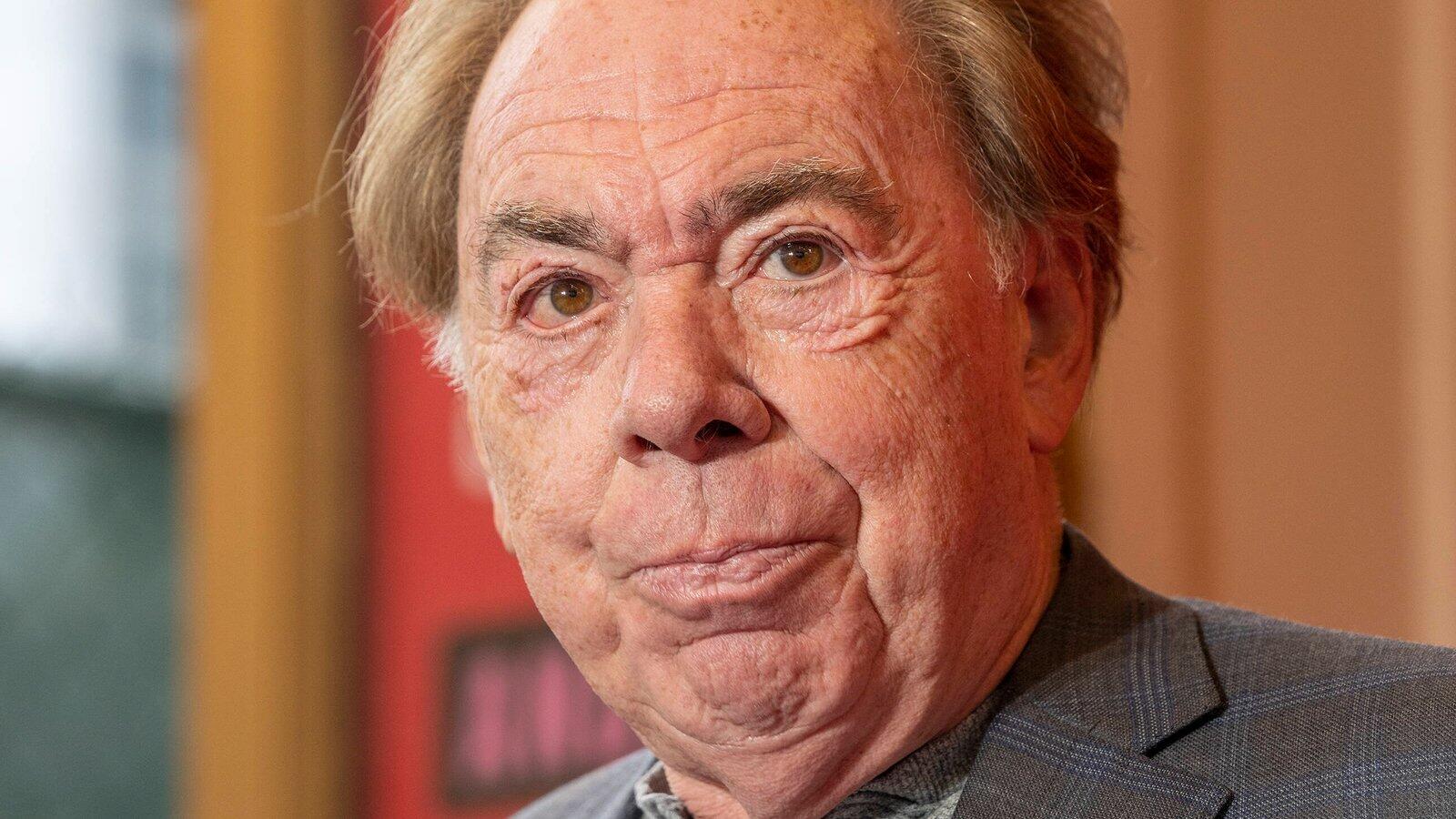
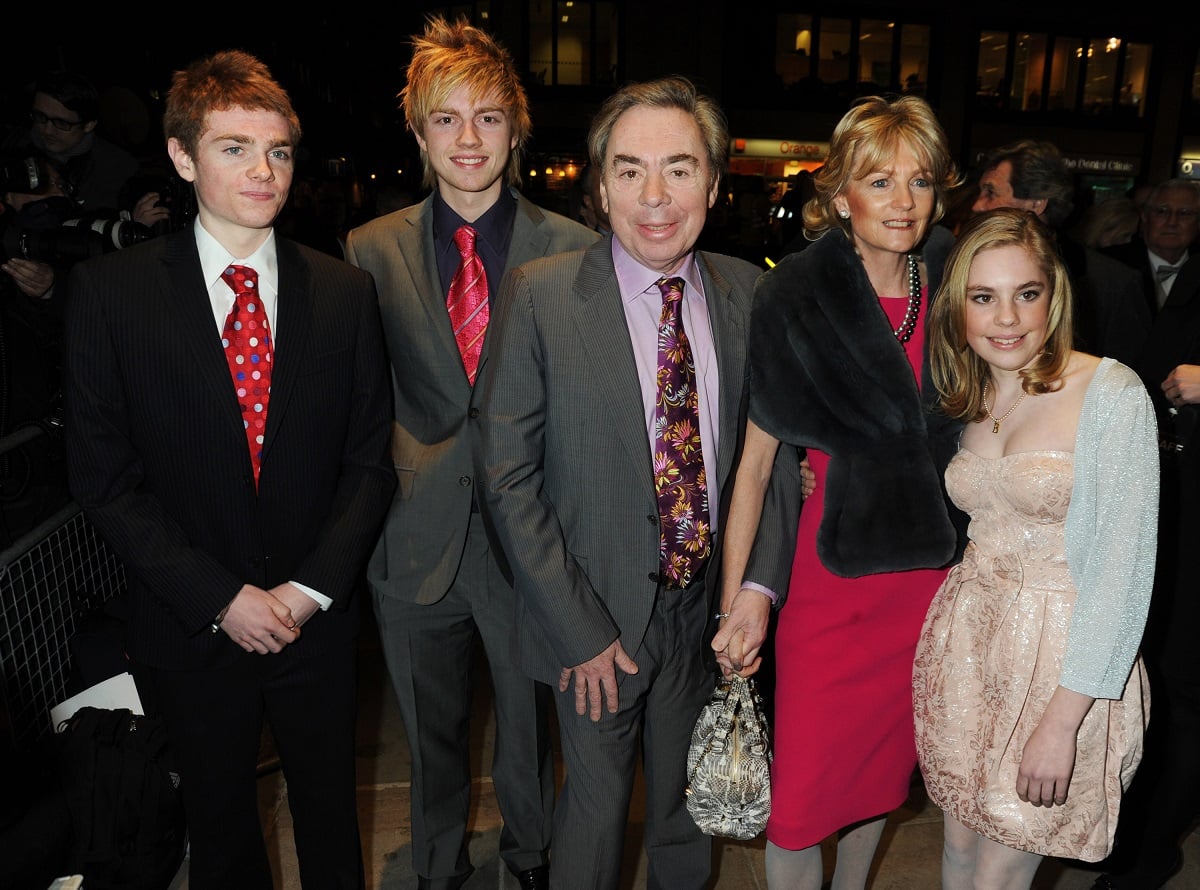
Andrew Lloyd Webber commands an estimated net worth exceeding £1.2 billion, anchored by extensive West End theater ownership, evergreen global royalty streams from mega-musicals like The Phantom of the Opera and Cats, and commercial property portfolios managed through the Really Useful Group.
The Genesis of a Theatrical Empire
The financial foundation of Andrew Lloyd Webber’s fortune rests on a prolific catalog of musical theater compositions that transformed the global commercial stage during the late 20th century. Collaborating with lyricists such as Tim Rice and Charles Hart, Lloyd Webber pioneered a style of sung-through, high-production-value musical theater that achieved unprecedented international commercial penetration. Works including Jesus Christ Superstar, Evita, Cats, and The Phantom of the Opera transcended traditional theatrical boundaries, establishing perpetual revenue engines through global licensing, touring productions, and recorded media.
Unlike traditional composers who relied primarily on performance fees or one-off commission payments, Lloyd Webber retained substantial intellectual property rights and equity stakes in his productions from the outset. This strategic focus on ownership ensured that as his works achieved multi-decade longevity across Broadway, the West End, and international territories, the compounding returns flowed directly back to his primary corporate entities. The sustained global appetite for these properties generates millions annually in mechanical, performance, and synchronization royalties, anchoring a resilient multi-asset net worth.
The Really Useful Group and Corporate Holdings
At the operational center of Lloyd Webber's business empire is the Really Useful Group (RUG), a fully integrated media and theatrical production company founded in 1977. RUG manages the theatrical, digital, and merchandising rights for Lloyd Webber’s extensive catalog, overseeing global licensing agreements, cast recordings, film adaptations, and ancillary brand merchandise. By centralizing management within RUG, Lloyd Webber maintained tight operational control over how his intellectual property is deployed, ensuring high standards of production while maximizing profit margins across international markets.
In February 2022, Mediawan, a prominent European independent studio, acquired a majority stake in the Really Useful Group, valuing the company at a substantial premium. While Lloyd Webber retained a significant minority equity position and continues to collaborate closely on creative and strategic direction, the transaction unlocked substantial liquidity. This corporate restructuring allowed the composer to diversify his wealth portfolio beyond theatrical operations while retaining a direct financial interest in the ongoing exploitation of his artistic catalog.
West End Real Estate and Venue Ownership
Beyond intellectual property, a major pillar of Andrew Lloyd Webber’s wealth is his substantial portfolio of London real estate, specifically historic West End theaters. Through his holding company LW Theatres, Lloyd Webber acquired, restored, and operated several of the British capital's most prestigious performance venues, including the London Palladium, Her Majesty's Theatre (subsequently renamed His Majesty's Theatre), the Theatre Royal Drury Lane, the Cambridge Theatre, the Gillian Lynne Theatre, and the Adelphi Theatre.
| Theater Name | Location | Capacity (Approximate) | Significance in Portfolio |
|---|---|---|---|
| The London Palladium | Argyll Street, London | 2,286 | Premier venue for major variety shows, concerts, and long-running musicals. |
| Theatre Royal Drury Lane | Catherine Street, London | 2,190 | Historic venue subjected to a multi-million-pound restoration completed in 2021. |
| His Majesty’s Theatre | Haymarket, London | 1,216 | Long-term London home of The Phantom of the Opera. |
| Gillian Lynne Theatre | Drury Lane, London | 1,000 | Formerly the New London Theatre; renamed in honor of choreographer Gillian Lynne. |
| Cambridge Theatre | Earlham Street, London | 1,231 | Central West End venue hosting major commercial productions. |
| Adelphi Theatre | Strand, London | 1,500 | Co-owned with Nederlander Theatres, hosting large-scale musical productions. |
Owning these venues creates a powerful vertical integration model. LW Theatres collects rental income and box office percentages from the productions playing within their walls while simultaneously reaping royalty benefits when Lloyd Webber's own shows occupy the stages. The substantial capital expenditure required to maintain these Grade I and Grade II listed Victorian and Edwardian buildings is offset by prime London property appreciation and high-occupancy box office yields.
Capital Diversification and Private Investments
While theater and music publishing remain the primary drivers of his financial standing, Andrew Lloyd Webber’s asset allocation includes significant diversification across private equity, art collections, and residential real estate. His private art collection, featuring prominent Victorian paintings and modern masterpieces, represents a multi-million-pound asset class that has historically appreciated alongside traditional financial markets.
Residential holdings include prominent estates in London and Hampshire, reflecting the lifestyle requirements of a prominent public figure and cultural philanthropist. Financial disclosures and corporate filings indicate that liquid reserves from catalog licensing, theater operations, and the Mediawan partnership are managed via structured family offices and private investment vehicles, insulating his wealth from short-term fluctuations in the live entertainment sector, such as those experienced during pandemic-era lockdowns.
Philanthropy, Arts Advocacy, and Cultural Legacy
Financial stewardship for Lloyd Webber has frequently intersected with cultural philanthropy. Through the Andrew Lloyd Webber Foundation, established in 1997, he has endowed millions of pounds toward supporting arts education, architectural preservation of historic theaters, and music training for underprivileged youth across the United Kingdom. The foundation receives regular funding allocations from his commercial earnings, operating as a primary vehicle for civic engagement and industry support.
His advocacy extends into political and social spheres, notably through his membership in the House of Lords as a Conservative peer from 1997 until his retirement from the chamber in 2017. Throughout his public life, Lloyd Webber utilized his platform to lobby for government support during industry crises, most notably organizing lobbying efforts and pilot programs to reopen live entertainment venues safely following public health disruptions.
Frequently Asked Questions
What is Andrew Lloyd Webber’s primary source of wealth?
His wealth is primarily derived from long-term intellectual property rights, publishing royalties from global mega-musicals like The Phantom of the Opera and Cats, and ownership of major West End theaters through LW Theatres.
How much of the Really Useful Group does Andrew Lloyd Webber still own?
In 2022, European studio Mediawan acquired a majority stake in the Really Useful Group, but Lloyd Webber retained a substantial minority equity share and continues to work closely with the organization.
Which London theaters does Andrew Lloyd Webber own?
Through LW Theatres, he owns or co-owns several historic West End venues, including the London Palladium, Theatre Royal Drury Lane, His Majesty’s Theatre, the Gillian Lynne Theatre, the Cambridge Theatre, and the Adelphi Theatre.
How did the COVID-19 pandemic impact his business holdings?
Extended government-mandated closures of West End theaters temporarily halted box office revenues and rental income across LW Theatres, though his extensive publishing catalog and diversified corporate reserves provided significant financial buffer.
Does Andrew Lloyd Webber receive royalties every time The Phantom of the Opera is performed?
Yes. As the composer and a primary rights holder, Lloyd Webber collects substantial performance, mechanical, and licensing royalties whenever the production is staged anywhere in the world.
Strategic Wealth Management and Next Actions
For analysts, entertainment industry observers, and investors tracking cultural asset valuations, understanding Andrew Lloyd Webber’s financial trajectory requires monitoring two core metrics: West End tourism footfall and the valuation stability of premium intellectual property catalogs. As live entertainment markets continue to evolve through digital integration, streaming adaptations, and global touring revivals, the resilience of vertically integrated models like Lloyd Webber's offers a definitive benchmark for high-net-worth asset preservation in the creative sector. Stakeholders examining similar entertainment portfolios should evaluate the balance between physical venue ownership and liquid publishing rights to determine long-term risk mitigation.