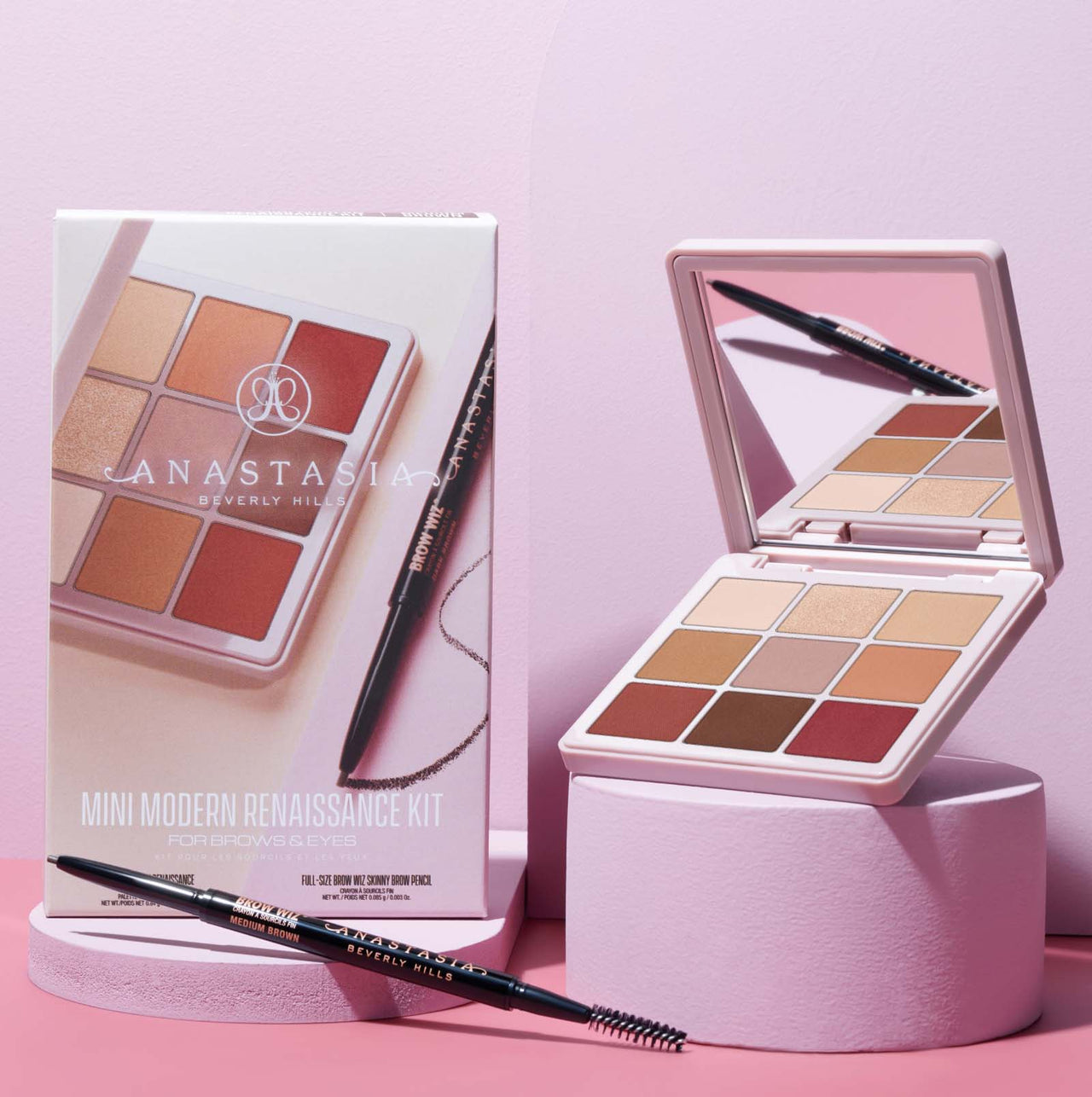
The estimated net worth of Anastasia Soare, the founder and CEO of Anastasia Beverly Hills (ABH), sits within the range of $600 million to over $1 billion, largely driven by the monumental global success of her brow-centric cosmetics line. While private company valuations fluctuate based on market conditions, minority stake acquisitions by private equity firms like TPG Capital have historically placed the enterprise valuation near the multi-billion-dollar mark, cementing Soare's status as one of America's richest self-made women in the beauty sector.
The trajectory of Anastasia Beverly Hills represents a masterclass in specialized entrepreneurship, scaling a single-product innovation into a global beauty powerhouse. Understanding the financial standing of Anastasia Beverly Hills requires a comprehensive look at the company's origins, its strategic private equity partnerships, the valuation of its product portfolio, and the broader economic landscape of the prestige beauty industry.
The Origins and Rise of Anastasia Beverly Hills
Before building a cosmetics empire, Anastasia Soare immigrated to the United States from Romania in 1989 with little knowledge of English and a background in art and architecture. Working as an aesthetician in Los Angeles salons, she noticed a distinct gap in the market regarding eyebrow shaping. Applying the Golden Ratio—a mathematical principle of proportion long utilized by artists—she developed a revolutionary method for shaping eyebrows based on bone structure and facial balance.
In 1997, Soare opened her flagship salon on Beverly Boulevard in Beverly Hills, California. The location quickly attracted a devoted clientele of Hollywood celebrities, supermodels, and industry influencers, including Cindy Crawford, Naomi Campbell, and Oprah Winfrey. This organic, celebrity-driven word-of-mouth marketing established the salon as the premier destination for brow care, laying the groundwork for a scalable retail product line.
Product Innovation and Retail Expansion
The transition from a high-end salon service provider to a mass-market cosmetics manufacturer occurred in 2000 with the launch of the brand's proprietary product line. Initially featuring precision tweezers, brow pencils, powders, and stencils, the collection gave consumers the tools to replicate professional salon results at home.
As the brand expanded, it introduced iconic formulations that fundamentally shifted global makeup trends, most notably during the social media boom of the mid-2010s. The release of the Dipbrow Pomade and subsequent eyeshadow palettes transformed ABH from a niche brow authority into a full-face color cosmetics giant. Strategic distribution partnerships with major global retailers like Sephora, Ulta Beauty, and international stockists allowed the brand to scale rapidly without losing its prestige positioning.
Strategic Private Equity Investment and Valuation
A pivotal moment in the financial evolution of Anastasia Beverly Hills occurred in 2018, when private equity firm TPG Capital acquired a significant minority stake in the company. While financial terms of the private transaction were not publicly disclosed in full detail, industry analysts and financial publications estimated the overall valuation of Anastasia Beverly Hills at approximately $3 billion at the time of the deal.
This transaction provided Soare with institutional capital to accelerate global expansion, optimize supply chain logistics, and enhance digital marketing capabilities. It also formally established a concrete baseline for the brand's immense market value. Although prestige beauty valuations fluctuate due to shifting consumer preferences, retail competition, and macroeconomic pressures, the enterprise value combined with Soare's retained majority equity stake anchors her personal net worth well into the hundreds of millions.
Revenue Drivers and Business Model Resilience
The financial strength of Anastasia Beverly Hills stems from a diversified revenue model that balances prestige retail distribution, direct-to-consumer e-commerce, and high-margin product categories.
Core Revenue Streams
- Global Retail Partnerships: Distribution through major brick-and-mortar and online beauty platforms provides consistent baseline revenue across North America, Europe, and international markets.
- Direct-to-Consumer (DTC) Sales: The official brand website captures high-margin retail sales directly from end consumers, supported by robust loyalty programs and targeted digital campaigns.
- Category Diversification: While brows remain the signature heritage category, expansion into complexion products, lip color, and eyeshadow palettes broadens the customer lifetime value.
- Global Footprint: Expansion into emerging international markets, particularly the Middle East and Asia-Pacific regions, helps insulate the brand against regional economic downturns.
Financial Comparison of Major Independent Beauty Founders
Evaluating Anastasia Beverly Hills within the broader prestige cosmetics landscape highlights how specialized positioning translates to high enterprise valuations. The table below compares ABH with other notable independent beauty brands and their respective founders.
| Brand Name | Founder | Estimated Enterprise Valuation / Scale | Primary Product Focus | Funding Structure |
|---|---|---|---|---|
| Anastasia Beverly Hills | Anastasia Soare | Multi-billion dollar valuation peak | Eyebrows and Color Cosmetics | Minority investment by TPG Capital |
| Huda Beauty | Huda Kattan | Valued over $1 billion (historical peak) | Comprehensive Makeup and Skincare | Private ownership with TSG Consumer Partners stake |
| Bobbi Brown Beauty | Bobbi Brown | Sold to Estée Lauder for ~$74M (1995) | Professional Cosmetics and Wellness | Fully acquired by multinational conglomerate |
| Anastasia Beverly Hills (Current Standings) | Anastasia Soare | Estimated personal net worth $600M - $1B+ | Prestige Makeup | Privately held with institutional backing |
Common Misconceptions Regarding Celebrity and Founder Net Worth
When analyzing figures published regarding executive and founder net worth, observers frequently encounter valuation inaccuracies. Publicly reported estimates often conflate annual corporate revenue, gross merchandise value (GMV), and total enterprise valuation with an individual's liquid net worth.
In the case of Anastasia Soare, her wealth is largely illiquid, tied directly to her ownership percentage of the privately held corporation. Furthermore, beauty industry valuations fluctuate based on retail trends, competitive pressures from indie brands, and shifts in digital advertising costs. Consequently, net worth figures published by financial trackers represent calculated estimates rather than audited liquid asset disclosures.
Strategic Next Steps for Brand Longevity
Maintaining high valuation multiples in the ultra-competitive modern beauty market requires continuous adaptation. For Anastasia Beverly Hills, sustaining financial momentum involves balancing heritage brow dominance with agile responses to clean beauty trends, sustainable packaging demands, and changing social media algorithms. As the beauty sector navigates digital transformation, the foundational strength of the brand's IP and its early adoption of community-driven marketing secure its position as a enduring industry pillar.