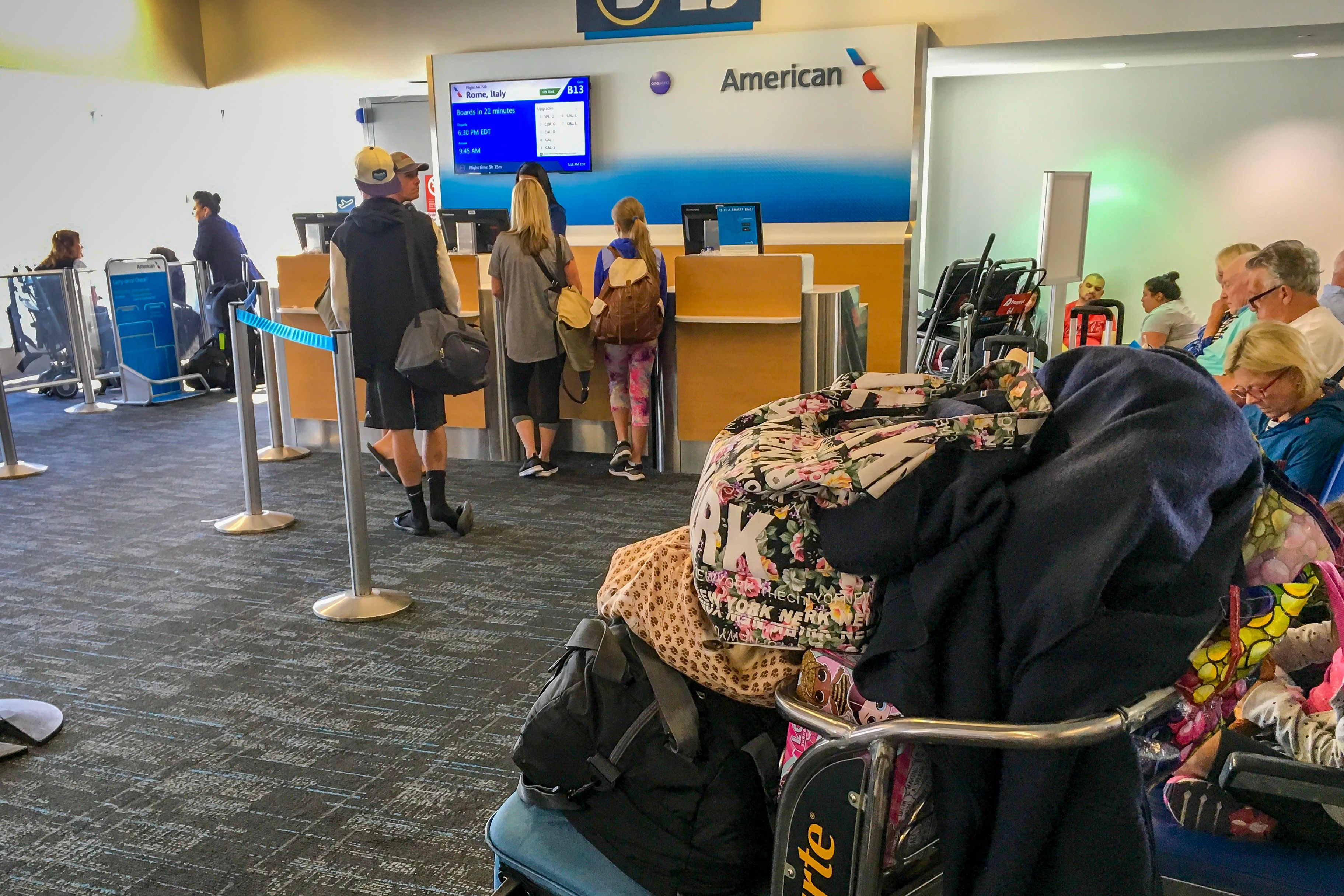
American Airlines faces ongoing operational, legal, and financial challenges stemming from major labor negotiations, fleet constraints, antitrust rulings, and strict federal compliance mandates. Understanding these core issues—including passenger rights, workforce agreements, debt management, and disruption response—helps travelers and analysts evaluate the carrier’s performance, service reliability, and available legal recourse.
Historical Context and Corporate Restructuring
American Airlines operates as one of the world’s largest passenger carriers measured by fleet size, scheduled passengers carried, and revenue passenger miles. The company’s modern structure is the direct product of major industry consolidation, specifically the 2013 merger between AMR Corporation (the parent company of American Airlines, which entered Chapter 11 bankruptcy in November 2011) and US Airways Group.
The merger integrated two distinct operational cultures, route systems, and labor agreements. While the combination created an expansive domestic network anchored by major hubs in Dallas/Fort Worth (DFW), Charlotte (CLT), Miami (MIA), Chicago O'Hare (ORD), and Phoenix (PHX), it also introduced significant structural complexities. Reconciling legacy IT infrastructure, fleet maintenance schedules, and seniority rosters across different unions took years to complete and generated long-standing operational friction.
Under executive leadership changes—transitioning from long-time CEO Doug Parker to Robert Isom in 2022—the carrier shifted its focus toward operational execution, debt reduction, and network optimization. However, historical integration challenges continue to influence how the airline manages modern operational bottlenecks, labor disputes, and strategic distribution decisions across its international and domestic routes.
Major Operational Disruptions and Fleet Management Constraints
Operational reliability remains a primary operational challenge for American Airlines. Because the carrier relies heavily on mega-hubs like Dallas/Fort Worth and Charlotte, localized weather disruptions routinely compound into network-wide flight cancellations and delays. When severe convective weather impacts North Texas or the Southeast, the carrier’s high hub-utilization model can cause severe crew displacement and aircraft misalignment across the country.
Hub Contagion Effect:
- Severe Weather at Major Hubs (DFW / CLT)
- Aircraft & Aircrew Stranded Out of Position
- Downstream Delays Across Regional & Mainline Routes
- Network Cascading Cancellations & Scheduling Bottlenecks
Beyond weather-related challenges, systemic fleet and supply chain constraints affect daily reliability:
- Aircraft Delivery Delays: Disruptions in aerospace manufacturing—specifically delayed deliveries of Boeing 787 Dreamliners and Boeing 737 MAX aircraft—have forced American Airlines to alter long-haul international schedules, retire older airframes without immediate replacements, and adjust seat-capacity growth.
- Maintenance Bottlenecks: Global supply chain delays for critical engine components and spare parts have increased the grounded time for aircraft undergoing routine and unscheduled maintenance, reducing operational buffers during peak travel seasons.
- Information Technology Dependencies: Legacy operational software and passenger reservation systems have occasionally suffered outages. Disruption in crew-tracking software during severe weather events historically compromised the carrier's ability to quickly reassign pilots and flight attendants to delayed aircraft.
To mitigate these operational vulnerabilities, the airline has invested in predictive recovery tools and modified its scheduling buffers, though operational resilience remains sensitive to external shocks.
Labor Dynamics and Workforce Contracts
Labor relations represent a critical operational pillar and financial cost factor for American Airlines. The majority of the airline’s workforce is unionized, organized under distinct collective bargaining units representing pilots, flight attendants, maintenance technicians, ground handlers, and customer service agents.
| Bargaining Unit / Employee Group | Key Union Representation | Primary Contract Focus & Impact |
|---|---|---|
| Flight Crew (Pilots) | Allied Pilots Association (APA) | Wage increases, scheduling flexibility, pay parity |
| Cabin Crew (Flight Attendants) | Association of Professional Flight Attendants | Retroactive pay, boarding pay, ground time rates |
| Mechanics & Maintenance Techs | TWU-IAM Association | Industry-standard wages, facility job security |
| Customer Service & Ramp Workers | CWA-IBT Association | Base wage scale, mandatory overtime protections |
Flight Attendant Bargaining
In 2024, the Association of Professional Flight Attendants (APFA), representing over 27,000 flight attendants at American Airlines, reached a landmark collective bargaining agreement following years of negotiations and federal mediation under the National Mediation Board (NMB). Key provisions included immediate substantial wage increases, retroactive pay to cover long-unadjusted wage periods, board-time compensation (paying cabin crew during the boarding process), and enhanced quality-of-life scheduling rules.
Pilot Contracts
The Allied Pilots Association (APA), representing more than 15,000 American Airlines pilots, ratified a comprehensive four-year contract in August 2023. This agreement provided structural salary increases, enhanced profit-sharing mechanics, and significant improvements to reserve scheduling and premium duty pay, establishing wage parity across legacy network carriers.
While these collective bargaining agreements secured long-term labor stability and reduced the immediate threat of lawful strikes or industrial action, they permanently elevated the carrier's structural operating costs. Management must now balance higher labor expenditures against passenger yield metrics and ticket pricing strategies.
Regulatory Scrutiny, Antitrust Enforcement, and Compliance Mandates
American Airlines operates under constant oversight from federal authorities, including the U.S. Department of Transportation (DOT), the Federal Aviation Administration (FAA), and the Department of Justice (DOJ). Recent regulatory enforcement actions have significantly reshaped the carrier's commercial alliances and consumer service practices.
The Northeast Alliance Dissolution
In May 2023, a federal judge ruled in favor of the DOJ in an antitrust lawsuit brought against American Airlines and JetBlue Airways regarding their joint commercial venture, the Northeast Alliance (NEA). The court determined that the partnership—which allowed the carriers to coordinate schedules, pool revenue, and share gates at New York (JFK and LGA) and Boston (BOS) airports—stifled competition and harmed consumers. American Airlines subsequently unwound the alliance, altering its commercial strategy in the highly competitive Northeastern corridor and realigning its domestic point-to-point capacity.
Department of Transportation Refund and Transparency Rules
Under revised federal guidelines enforced by the DOT, airlines operating in the United States must comply with strict passenger protection regulations regarding cancellations, delays, and hidden fees:
- Automatic Cash Refunds: Passengers are entitled to automatic, full cash refunds (issued to the original payment method) if their flight is cancelled or significantly delayed and they choose not to travel. The DOT defines a significant delay as a departure or arrival postponed by at least 3 hours for domestic flights or 6 hours for international flights.
- Ancillary Fee Disclosures: Airlines must clearly disclose all baggage, change, and cancellation fees upfront prior to ticket purchase, preventing misleading "junk fee" pricing structures.
- Baggage Delays: Passengers are entitled to a refund of prepaid checked bag fees if the luggage is not delivered within 12 hours for domestic flights or 15–30 hours for international flights following flight arrival.
American Airlines has adjusted its customer servicing software and automated refund processing portals to comply with these federal mandates, reducing administrative friction for claims processing.
Financial Profile and Corporate Strategy
American Airlines entered the post-pandemic economic recovery holding the highest net debt load among major U.S. legacy carriers. Managing this leverage while funding capital expenditures—such as interior retrofits, premium cabin upgrades, and modern Boeing and Airbus aircraft deliveries—defines the company's financial strategy.
Financial Strategy Priorities:
- Aggressive Debt Reduction
- Fleet Modernization & CapEx
- Distribution Shift (Direct Channel Optimization)
A core element of the carrier's recent commercial strategy involved shifting corporate and retail ticket distribution away from traditional Global Distribution Systems (GDS) toward New Distribution Capability (NDC) technology. While intended to lower third-party booking commissions and drive direct sales through the airline's website and app, the rapid enforcement of NDC policies initially alienated some corporate travel managers and travel agencies. American Airlines subsequently adjusted its commercial incentives to rebuild relationships with corporate travel departments while continuing its push toward digitized direct booking.
Actionable Guidelines for Passenger Recourse and Disruption Recovery
When flights operated by American Airlines suffer significant delays, cancellations, or service failures, passengers have explicit rights defined by federal law and the carrier’s self-published Customer Service Plan.
Step-by-Step Actions During Disruptions
- Monitor Automated Status Updates: Utilize the official American Airlines mobile application to track incoming aircraft location, gate changes, and delay reasons in real time.
- Evaluate Rebooking Options Promptly: If a flight is delayed by more than two hours or cancelled, passengers can rebook through the mobile app or self-service airport kiosks without waiting in line for a gate agent.
- Assert Legal Refund Rights: If American Airlines cancels a flight or changes a departure time by more than 3 hours (domestic) or 6 hours (international), and you decline the offered alternative transportation, request a direct refund to your original payment method via American Airlines Refund Processing.
- Request Meal and Accommodations Vouchers: Under DOT commitments, when a delay or cancellation is within the airline's control (such as mechanical issues or crew shortages), agents must provide meal vouchers for delays exceeding 3 hours and hotel accommodations for overnight disruptions.
- Document Expense Receipts: If forced to arrange essential lodging, ground transportation, or meals independently due to a controllable disruption, retain itemized receipts to submit for reimbursement through customer support.
- Track Mishandled Luggage: File a Delayed Baggage Report at the airport baggage service office immediately upon arrival. Save the file reference number to monitor tracing status online and claim fee refunds if delivery exceeds federal statutory limits.
Frequently Asked Questions
What constitutes a "significant flight delay" under DOT rules for American Airlines?
A significant delay is defined as a schedule change or delay that delays departure or arrival by 3 hours or more for domestic flights, or 6 hours or more for international flights. Under these conditions, if you choose not to accept the adjusted schedule or alternative flight offered, you are legally entitled to an automatic cash refund.
How does American Airlines handle passenger accommodations during controllable cancellations?
For disruptions caused by controllable factors—such as maintenance delays, catering failures, or crew scheduling issues—American Airlines commits to providing meal vouchers for delays over 3 hours and hotel accommodations (plus ground transport) if the delay extends overnight. These vouchers are typically distributed via SMS or email links through the customer app.
What happened to American Airlines' alliance with JetBlue?
The Northeast Alliance (NEA) between American Airlines and JetBlue was struck down by a federal district court in May 2023 following an antitrust lawsuit by the U.S. Department of Justice. The court ruled that the coordination harmed competition in the Boston and New York markets. The partnership was formally unwound, ending slot-sharing and reciprocal loyalty benefits between the two carriers.
Are flight attendants paid while the plane is parked at the gate during boarding?
Under the collective bargaining agreement ratified between American Airlines and the Association of Professional Flight Attendants (APFA), flight attendants receive ground and boarding pay mechanisms. This addresses a historical industry practice where cabin crew were only compensated once the aircraft doors closed and the main cabin brakes were released.
What options exist if American Airlines refuses to refund a eligible ticket?
If a passenger meets the criteria for a mandatory cash refund—such as experiencing a carrier-initiated cancellation or major delay without traveling—and American Airlines denies or delays payment, the passenger can lodge a formal consumer complaint online with the U.S. Department of Transportation Aviation Consumer Protection Division.
Practical Takeaways for Travelers and Analysts
Navigating disruptions or assessing the operational health of American Airlines requires a practical approach based on regulatory awareness and proactive communication:
- For Travelers: Maintain active app notifications prior to departure, understand the distinct difference between controllable disruptions (mechanical/crew) and uncontrollable events (weather/air traffic control), and know your right to a full cash refund if a schedule change exceeds statutory DOT limits.
- For Industry Observers: Monitor how labor agreement operational costs affect long-term profit margins, watch fleet delivery metrics from manufacturers to gauge capacity growth, and evaluate how corporate ticket distribution policies evolve as the market adapts to modern ticketing protocols.
Taking full advantage of automated self-service channels while asserting established consumer protection rights ensures the fastest resolution when operational issues occur.