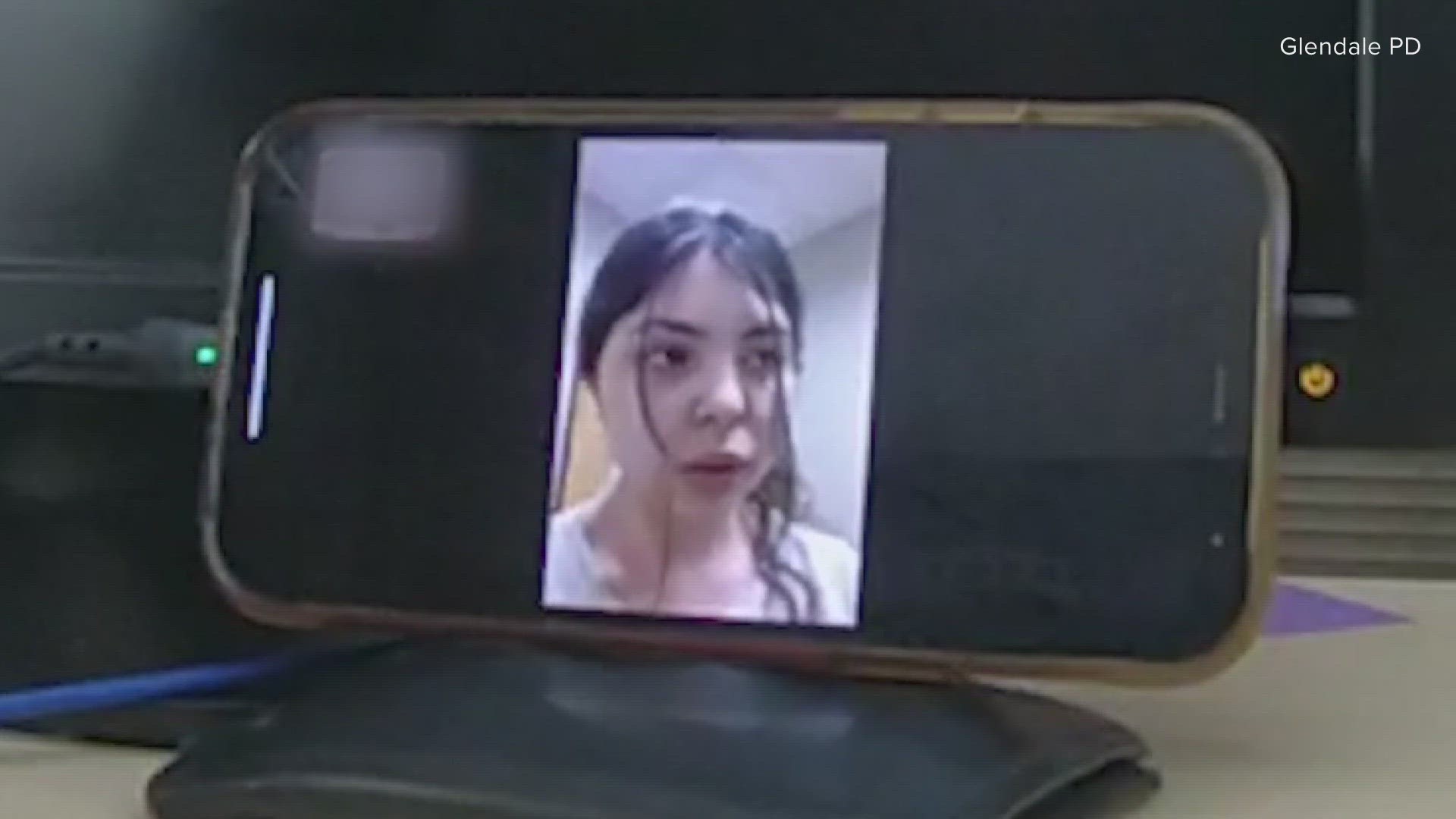
Alicia Navarro is alive and safe, having surfaced in Montana in July 2023 after disappearing from her Glendale, Arizona home as a teenager in September 2019. Her dramatic reappearance at a police station four years later brought nationwide relief and renewed attention to missing persons protocols, youth runaways, and the long-term impact of digital investigations. While media outlets and public interest groups continue to monitor the aftermath of her return, law enforcement agencies have closed the active runaway investigation, shifting focus toward privacy, family support, and the legal nuances surrounding her disappearance and subsequent reappearance as an adult.
The Background of the Disappearance and Initial Search
The story of Alicia Navarro began on September 15, 2019, when she left her family home in Glendale, Arizona, voluntarily leaving behind a handwritten note that stated she would return and asking not to look for her. At the time of her disappearance, Navarro was 14 years old and diagnosed with high-functioning autism, which heightened concerns regarding her vulnerability, safety, and ability to navigate the outside world independently.
For nearly four years, the Glendale Police Department, the Federal Bureau of Investigation (FBI), and various missing children organizations maintained an active, high-profile investigation. Billboards, digital alerts, and community flyers circulated nationwide. Her mother, Jessica Nuñez, spearheaded an exhaustive grassroots campaign, utilizing social media platforms, community fundraisers, and independent media appearances to keep public attention focused on finding her daughter. Despite thousands of tips over the years tracking potential sightings across the United States and international borders, concrete leads remained elusive until the middle of 2023.
The Reappearance in Montana and Law Enforcement Verification
In July 2023, the trajectory of the case shifted when a young woman walked into a police station in a small Montana town near the Canadian border, identifying herself as Alicia Navarro and expressing a desire to be removed from missing persons lists. Local authorities immediately contacted the Glendale Police Department and the FBI to verify her identity.
Investigators conducted comprehensive physical and digital verifications to confirm that the individual was indeed Navarro, who had turned 19 shortly before coming forward. Officials confirmed that she was in good health, unharmed, and physically safe. Crucially, law enforcement established that she was not being held against her will, choosing instead to present herself voluntarily to authorities to clear her status as a missing person. This development closed a multi-year multi-agency search, transitioning the case from an active rescue operation to a private family matter handled with strict adherence to adult privacy laws.
| Investigation Phase | Timeline | Primary Focus | Key Entities Involved |
|---|---|---|---|
| Initial Disappearance | September 2019 | Locating missing minor; community searches | Glendale Police Department, FBI, Family |
| Active Search Years | 2019 – 2023 | Public tip processing, national media campaigns | National Center for Missing & Exploited Children (NCMEC) |
| Reappearance | July 2023 | Identity verification, welfare check, de-escalation | Montana Police, Glendale Police Department |
| Post-Resolution | 2023 – Present | Privacy protection, family healing, ongoing legal review | Local authorities, private legal counsel |
Legal Frameworks Surrounding Runaways and Adult Autonomy
The resolution of Alicia Navarro’s case highlights the complex legal and operational boundaries that law enforcement agencies face when dealing with missing juveniles who transition into adulthood. Under United States law, a minor who runs away retains the status of a missing person until they are located and their welfare is verified. However, once a missing individual reaches the age of 18, they gain legal autonomy over their personal choices, location, and communication preferences.
When Navarro walked into the Montana police station, she was legally an adult. Consequently, law enforcement authorities were bound by privacy regulations that restricted them from disclosing her exact location, living arrangements, or personal choices to the public—or even fully to her family—without her explicit consent. Police officials repeatedly emphasized during press briefings that because Navarro was an adult who committed no crime by leaving, she possessed the absolute right to choose with whom she communicated and where she resided. This aspect of the case frequently generates public confusion and debate among followers of true-crime narratives who expect complete transparency from investigating agencies.
The Role of Online Communities and Digital Sleuthing
The disappearance and recovery of Alicia Navarro demonstrated the profound influence of internet communities, digital sleuths, and social media networks in modern missing persons cases. Throughout the four-year search, various online forums, Reddit boards, and Facebook groups dedicated significant energy to analyzing digital footprints, gaming profiles, and online chat logs that Navarro frequented prior to leaving home.
While community involvement can generate valuable public awareness and crowd-source vital tips, law enforcement agencies frequently caution against speculative digital sleuthing. Unverified theories, doxing of unrelated individuals, and the spread of misinformation can severely hinder official investigations, compromise sensitive leads, and inflict emotional distress on the families involved. In Navarro’s case, while online pressure kept the story visible, investigators relied heavily on traditional police work, digital forensics, and inter-agency cooperation to eventually secure a safe, verified resolution.
Current Status and Privacy Considerations
As time progresses following her return, updates regarding Alicia Navarro remain strictly limited to respect her privacy and personal boundaries. Law enforcement agencies consider the missing persons investigation officially concluded, and public updates are sparse by design. Her mother and family members have periodically shared messages regarding the ongoing journey of emotional reconciliation and private healing, while simultaneously urging respect for Navarro's autonomy.
The case serves as a permanent reference point for missing persons protocols, highlighting how long-term investigations can evolve when a missing youth ages into adulthood. Organizations specializing in missing children continue to utilize the case parameters in educational materials, emphasizing the importance of specialized communication strategies for neurodivergent youth and the complex emotional dynamics involved in family reunification efforts.
Frequently Asked Questions About Alicia Navarro
Is Alicia Navarro confirmed to be alive and safe?
Yes, Alicia Navarro is alive and safe. She voluntarily walked into a Montana police station in July 2023 to remove herself from missing persons registries, and law enforcement officers subsequently verified her identity and physical well-being.
Why did Alicia Navarro leave her home in 2019?
Navarro left her Glendale, Arizona home voluntarily as a 14-year-old minor in September 2019, leaving behind a handwritten note indicating she would return. Law enforcement officials have not publicly detailed her specific reasons for leaving, citing privacy laws and the fact that she was a juvenile at the time of her departure.
Can her family force her to return home now?
No. Because Alicia Navarro was 19 years old at the time she surfaced in Montana, she is a legally recognized adult under United States law. Adults have complete autonomy regarding their residence, travel, and personal associations, meaning law enforcement cannot compel her to return to her family against her will.
What happened to the police investigation into her disappearance?
The active missing persons investigation conducted by the Glendale Police Department and the FBI was officially closed following her verified appearance in Montana and confirmation of her safety. Police confirmed that no criminal charges were warranted regarding her voluntary departure as a minor or her subsequent living arrangements as an adult.
How can the public support families of missing children?
Public support is most effectively channeled through verified organizations such as the National Center for Missing & Exploited Children (NCMEC). Supporters can share official missing posters, report credible tips directly to law enforcement rather than spreading unverified social media rumors, and respect the privacy boundaries requested by families once missing individuals are located.