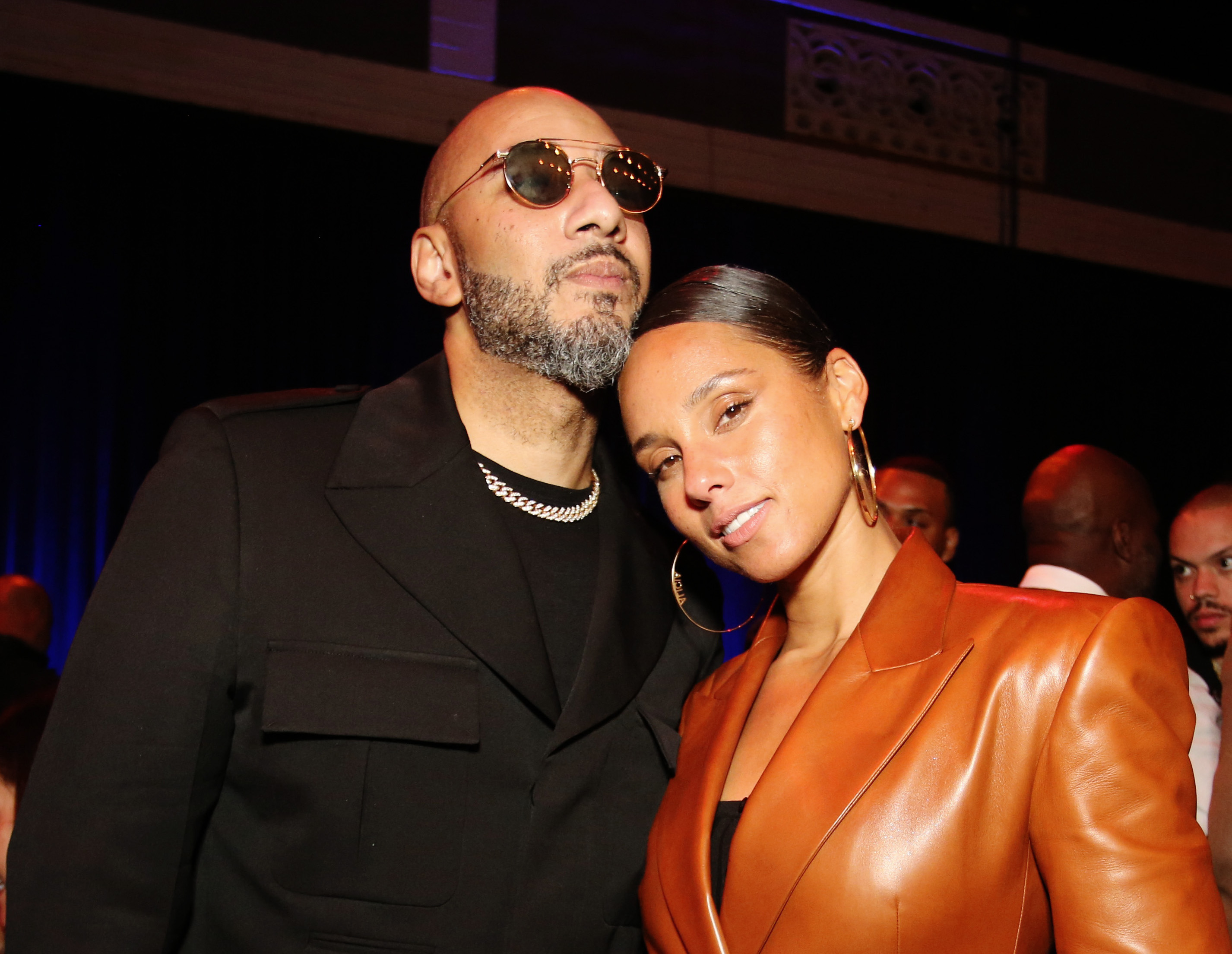
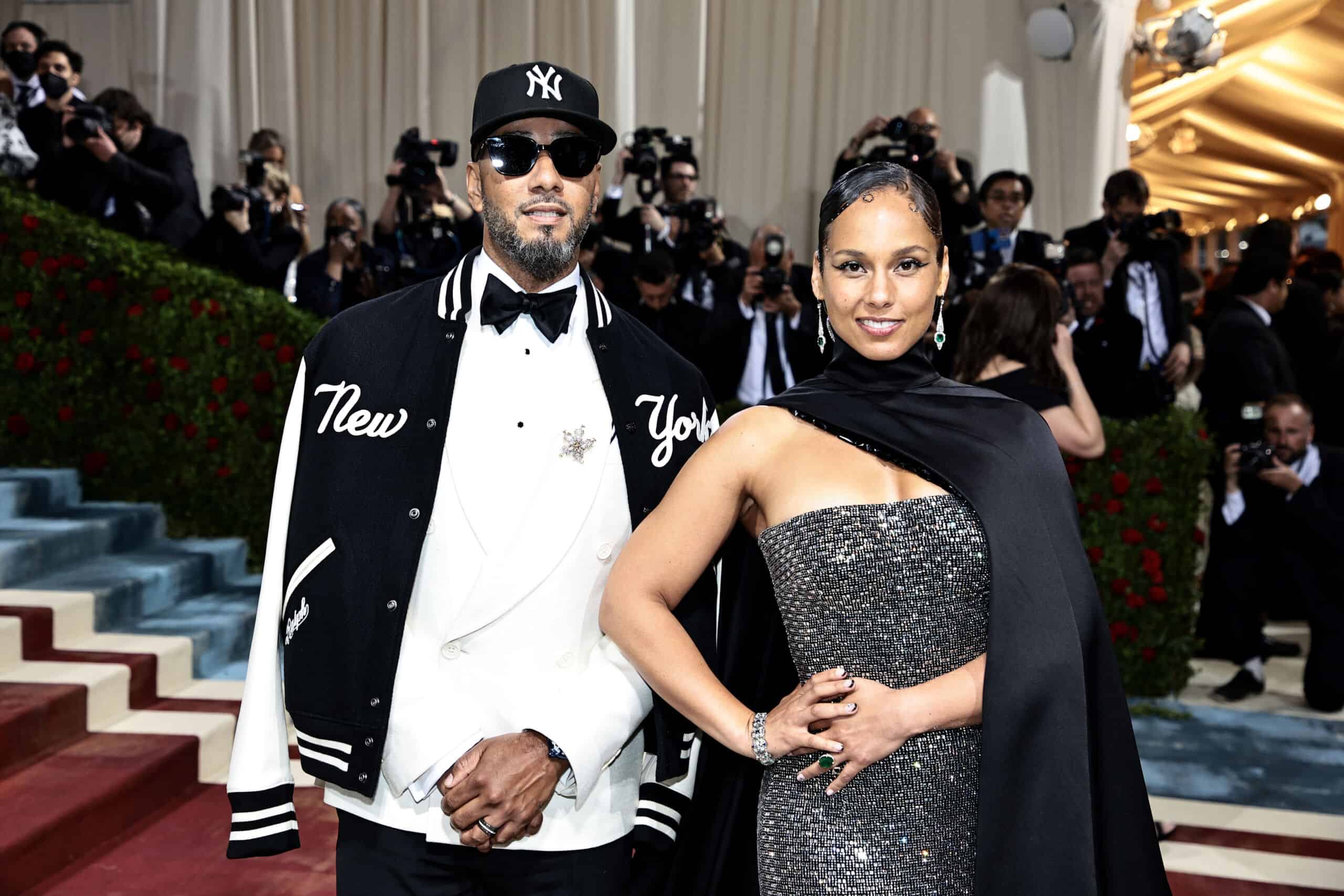
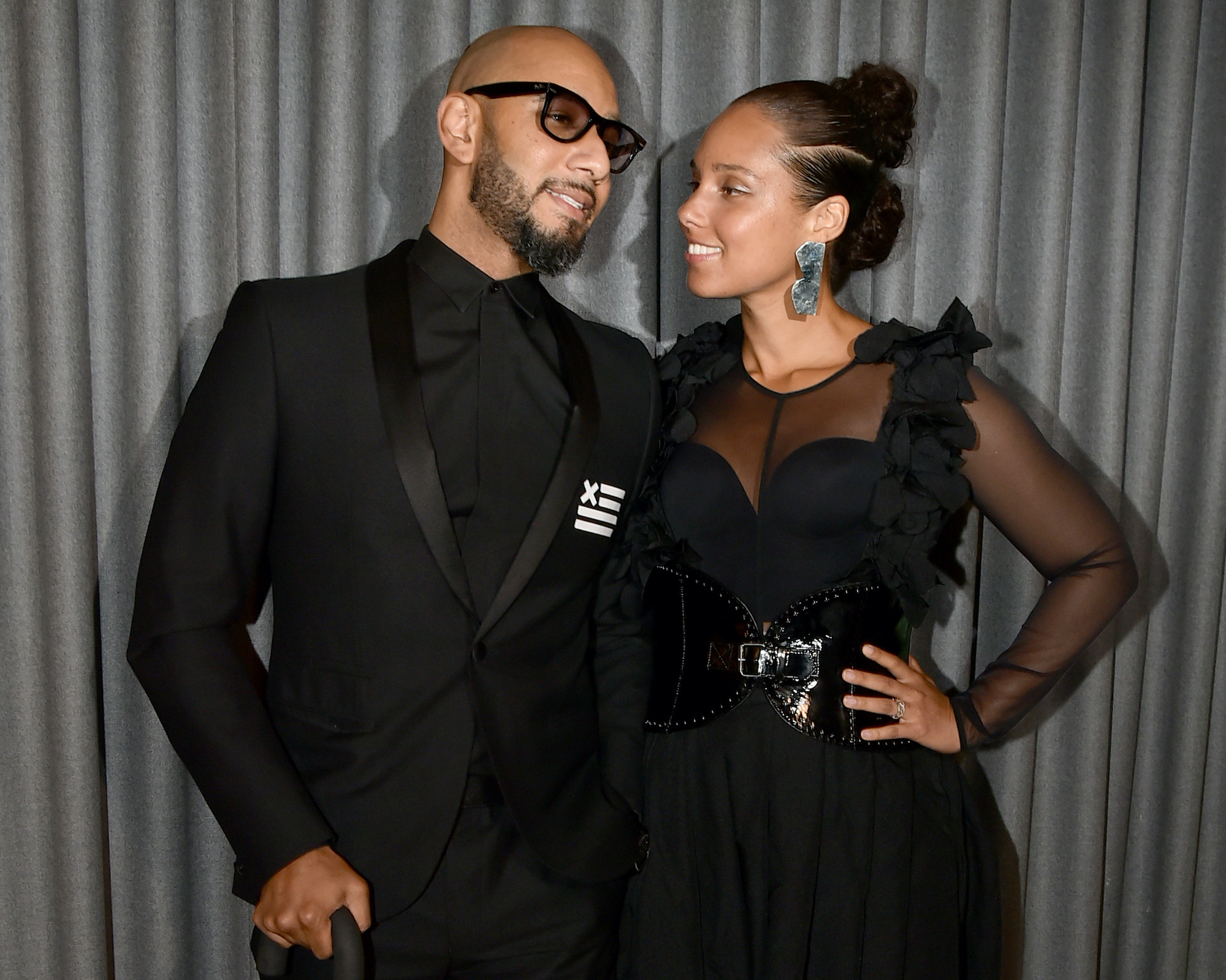
Alicia Keys and Swizz Beatz represent one of the most prominent power couples in contemporary music, combining extraordinary individual achievements across songwriting, production, entrepreneurship, and visual arts. Their enduring partnership spans over two decades of professional collaboration and more than a decade of marriage, bridging the worlds of classic R&B, soul, hip-hop, and global culture.
The Foundations of Individual Brilliance
Before their professional and personal lives intertwined permanently, both Alicia Keys and Swizz Beatz established separate, formidable legacies in the music industry. Alicia Keys, born Alicia Augello Cook in New York City, emerged as a prodigious classical pianist and singer-songwriter. She signed her first major publishing deal at a young age before releasing her landmark debut studio album, Songs in a Minor, in 2001. The album catapulted her to international stardom, earning five Grammy Awards and establishing her signature blend of soulful vocals, classical piano arrangements, and urban contemporary production. Her subsequent projects, including The Diary of Alicia Keys (2003) and As I Am (2007), cemented her status as a generational vocal talent and multi-instrumentalist with critical and commercial acclaim.
Concurrently, Kasseem Dean, known professionally as Swizz Beatz, was revolutionizing the sound of modern hip-hop as a teenage prodigy and visionary producer. Operating primarily out of the Ruff Ryders Entertainment camp, Dean pioneered a distinct sonic blueprint characterized by driving brass synths, aggressive drum programming, and infectious club anthems. He produced chart-topping records for major rap and pop icons such as DMX, Jay-Z, Eve, and Busta Rhymes. His production style defined the commercial sound of hip-hop during the late 1990s and early 2000s, establishing him as a top-tier beatmaker and executive with a sharp ear for crossover hits.
Intersection of Careers and Creative Partnership
The professional paths of Keys and Dean initially crossed in the late 1990s within the vibrant New York City music scene, though they did not immediately establish a romantic connection. Their early encounters were defined by mutual respect as young, ambitious creators navigating the competitive landscape of the major-label music business. As both artists matured and expanded their professional portfolios into executive roles, their creative intersections became more frequent.
Over the years, their studio collaboration yielded several notable musical works. Swizz Beatz contributed production and songwriting to Keys's catalog, while Keys brought her sophisticated vocal arrangements and melodic sensibilities to hip-hop tracks curated by Dean. Their collaborative dynamic extended beyond traditional studio albums into cultural entrepreneurship. Together, they cultivated a reputation as champions of Black art, collecting works by prominent contemporary visual artists and establishing foundations that support emerging creators. Their creative synergy eventually materialized on a massive global scale with initiatives like Verzuz, a viral webcast platform created by Swizz Beatz and Timbaland during the 2020 pandemic, where Alicia Keys frequently participated as a creative consultant, supporter, and eventual participant in special musical showcases.
Relationship Timeline and Family Life
The personal relationship between Alicia Keys and Swizz Beatz evolved from a longstanding professional acquaintance into a deep romance, culminating in their marriage in July 2010. Prior to their union, both navigated public spotlights, but their relationship anchored them within a stable, highly collaborative family unit. The couple welcomed their first child together, Egypt Daoud Dean, in October 2010, followed by their second son, Genesis Ali Dean, in December 2014. Additionally, Swizz Beatz shares children from previous relationships—Prince Nasir Dean, Kasseem Dean Jr., and Nicole Dean—creating a blended family structure that both public figures frequently celebrate in interviews and media profiles.
Their marriage has endured the intense scrutiny of the entertainment industry, largely sustained by mutual artistic admiration, shared philanthropic commitments, and a strong foundation rooted in their shared New York upbringing. They frequently use public platforms to express mutual support, celebrating anniversaries and professional milestones through dedicated social media tributes and joint red-carpet appearances at major global galas, fashion weeks, and awards ceremonies.
Major Career Milestones and Comparative Analysis
Evaluating the individual and joint trajectories of Alicia Keys and Swizz Beatz reveals a balanced partnership between a virtuosic performing artist and a dynamic hip-hop producer-entrepreneur. The table below outlines key dimensions of their respective careers and their combined endeavors.
| Dimension | Alicia Keys | Swizz Beatz | Joint / Combined Initiatives |
|---|---|---|---|
| Primary Domain | R&B, Soul, Pop, Classical Piano | Hip-Hop Production, Rhythm & Blues | Cultural Entrepreneurship, Art Collecting |
| Breakthrough Era | 2001 (Songs in a Minor) | Late 1990s (Ruff Ryders, DMX) | 2010s to Present |
| Key Accolades | Multiple Grammy Awards, Billboard Chart Toppers | Grammy Award Winner (Producer), Producer Legends | Dean Collection, Philanthropic Ventures |
| Core Artistic Identity | Vocalist, Pianist, Songwriter, Broadway Producer | Beatmaker, Executive, Visual Art Collector | Curators of Culture, Global Philanthropists |
Entrepreneurial Ventures and Cultural Philanthropy
Beyond their musical outputs, Keys and Dean have built formidable business portfolios and philanthropic networks. Swizz Beatz expanded his influence into visual art, fashion, and technology, serving on the board of trustees for the Brooklyn Museum and curating high-profile exhibitions through The Dean Collection, an initiative designed to support living artists and preserve contemporary culture. He has also engaged in high-level corporate partnerships with major global brands in automotive design, spirits, and luxury fashion.
Alicia Keys similarly diversified her enterprise by founding Keys Soulcare, a lifestyle and skincare brand emphasizing holistic wellness and personal rituals. She also established Keep a Child Alive, a nonprofit organization providing care and support to children and families affected by HIV/AIDS in Africa and India. Together, the couple leverages their collective capital and cultural influence to advocate for social justice, educational equity, and the elevation of marginalized voices across the arts and entertainment sectors.
Frequently Asked Questions
When did Alicia Keys and Swizz Beatz get married?
Alicia Keys and Swizz Beatz were married in a private ceremony on July 31, 2010, after several years of professional association and a multi-year personal relationship.
How many children do Alicia Keys and Swizz Beatz have together?
Alicia Keys and Swizz Beatz share two biological sons together, Egypt Daoud Dean and Genesis Ali Dean. Swizz Beatz also has children from previous relationships, making them a closely knit blended family.
What are Swizz Beatz's most famous production credits?
Swizz Beatz is widely recognized for producing major hip-hop anthems in the late 1990s and 2000s, including songs for DMX (such as "Ruff Ryders' Anthem"), Jay-Z (such as "On to the Next One"), and Eve ("Gotta Man").
What philanthropic organizations do they support?
Alicia Keys co-founded Keep a Child Alive, which supports families affected by HIV/AIDS. Both Keys and Swizz Beatz actively support educational initiatives, arts programs, and social justice campaigns globally through their various foundations.
Have Alicia Keys and Swizz Beatz collaborated on music together?
Yes, they have collaborated on multiple musical projects, combining Keys's distinctive soulful vocals and piano compositions with Swizz Beatz's signature hip-hop production style across various studio tracks and special performances.
Navigating Their Legacy and Continuing Impact
For observers, researchers, and fans tracking the trajectories of modern music icons, analyzing the careers of Alicia Keys and Swizz Beatz offers a clear blueprint of longevity in the entertainment industry. Their ability to adapt to changing digital landscapes, pivot into executive and entrepreneurial roles, and maintain a resilient family structure demonstrates the viability of sustainable artistry. To fully appreciate their ongoing cultural footprint, examine their independent discographies, explore the contemporary works housed within The Dean Collection, and follow their respective foundations dedicated to arts education and global health equity.