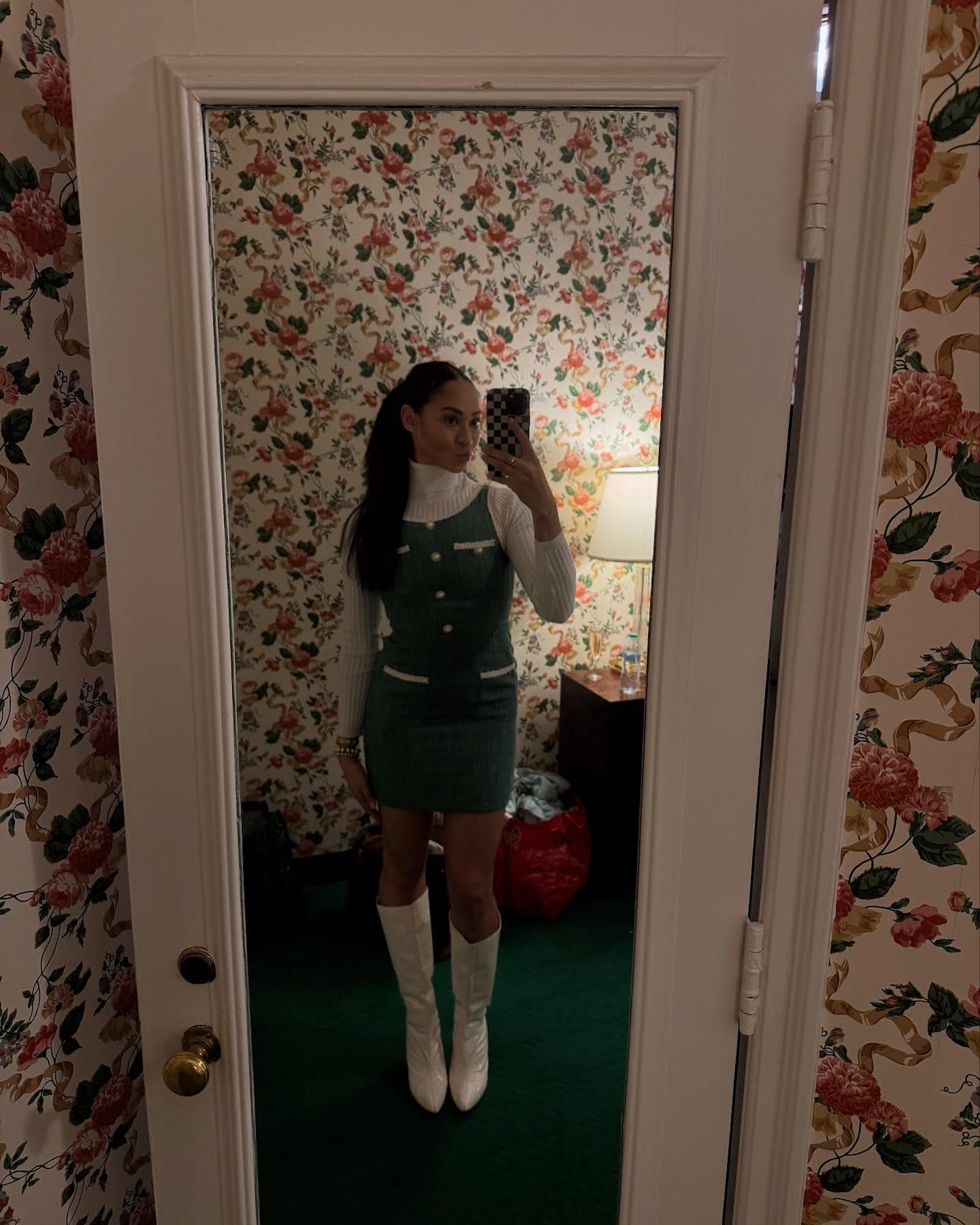
Alicia Holloway’s involvement with The Bachelor franchise represents a fascinating intersection of reality television production, personal ambition, and audience engagement, where behind-the-scenes narrative choices shape how contestants are perceived by millions of viewers. Navigating the high-pressure environment of a major reality dating series requires contestants to manage both interpersonal dynamics within the house and the intense scrutiny that accompanies public exposure.
The Landscape of Reality Television Production and Contestant Selection
The journey of any participant on The Bachelor begins long before the cameras start rolling, rooted in a rigorous casting process designed to identify compelling personalities who can navigate high-stress social environments. Producers evaluate candidates not only for their romantic compatibility with the lead but also for their ability to articulate their feelings, handle unpredictable social configurations, and adapt to a fast-paced production schedule. For individuals entering this sphere, understanding the mechanics of reality television is an essential prerequisite for psychological preparation.
Casting directors sift through thousands of applications and conducted interviews to curate a cast that features a diverse mix of professions, backgrounds, and emotional temperaments. This deliberate curation establishes the foundational framework for the narrative arcs that will unfold over the course of the season. Contestants like Alicia Holloway step into an environment where traditional dating norms are entirely suspended, replaced by group dates, cocktail parties, and dramatic rose ceremonies orchestrated to maximize emotional tension and viewer engagement.
Navigating On-Screen Conflict and Interpersonal Dynamics
Within the confines of The Bachelor mansion, interpersonal dynamics frequently shift from cordial interaction to intense rivalry. The scarcity of time with the lead creates an artificial urgency, compelling participants to assert their presence and defend their emotional investments. These conditions naturally amplify minor disagreements into prominent storylines, which are then shaped by editors into cohesive narrative arcs for broadcast.
Contestants must balance their personal authenticity with the strategic awareness that every conversation, reaction, and confessional interview is recorded. Managing the psychological toll of house politics requires robust coping mechanisms and emotional resilience. When conflicts arise, the ability to communicate transparently—or, conversely, the choice to engage in strategic maneuvering—directly influences how a participant's journey is framed. For viewers analyzing these interactions, distinguishing between genuine interpersonal friction and heavily edited television drama remains a central challenge of media literacy.
Comparison of Reality Television Production Elements
| Production Element | Description | Impact on Contestant Journey |
|---|---|---|
| Casting Curation | Selection of specific personality archetypes and backgrounds. | Establishes preliminary viewer expectations and narrative roles. |
| Confessional Interviews | Solo interviews recorded throughout the production schedule. | Provides context for on-screen events and shapes audience perception. |
| Structured Dates | Designed activities ranging from intimate dinners to high-stakes group challenges. | Accelerates emotional attachments and tests compatibility under pressure. |
| Editing & Post-Production | Condensing hundreds of hours of footage into tight episodic runtimes. | Highlights specific conflicts and emotional highs or lows. |
The Aftermath: Managing Public Perception and Media Scrutiny
Once the episodes air, participants experience an abrupt transition from the isolated environment of production to intense public scrutiny across social media platforms and entertainment news outlets. This phase of the journey introduces new challenges, including managing digital engagement, addressing fan commentary, and capitalizing on the platform provided by the show to advance personal or professional goals.
Navigating post-show media requires media training and strategic communication. Public relations professionals often advise former contestants on how to maintain boundaries, address controversy constructively, and transition their newfound visibility into sustainable career opportunities in influencing, entertainment, or their original professional fields. The ability to pivot successfully from a reality television persona to an independent public figure depends heavily on maintaining authenticity and resilience in the face of widespread public commentary.
Frequently Asked Questions
What is Alicia Holloway’s background before appearing on The Bachelor?
Before entering the public eye through reality television, contestants typically establish careers in diverse professional sectors. Alicia Holloway brought a specific set of life experiences and professional credentials to the show, which shaped her perspective and approach to the unique social environment of the franchise.
How do producers influence the drama seen on screen?
Producers shape the on-screen narrative through careful casting, the design of emotionally demanding dates, selective questioning during confessional interviews, and the editing process, which condenses extensive footage into focused, high-conflict television episodes.
What challenges do contestants face after leaving the show?
Former contestants often encounter intense public scrutiny, rapid shifts in social media following, and the challenge of balancing new media opportunities with their personal lives and professional reputations outside of the entertainment industry.
How can viewers critically evaluate reality TV editing?
Viewers can maintain perspective by recognizing that reality shows use dramatic pacing, out-of-sequence audio cues, and selective omission of context to build specific character arcs, meaning on-screen conflicts may not fully reflect the nuanced reality of house interactions.
Strategic Next Steps for Following Reality Media Personalities
For audiences and analysts interested in following the ongoing careers and media trajectories of reality television figures, focusing on verified primary channels and official statements ensures accurate information. Tracking developments through direct social media profiles, authorized interviews, and reputable entertainment journalism prevents reliance on unverified rumors and social media speculation. When engaging with digital content related to franchise participants, maintaining a critical perspective on production methods remains essential for understanding the true nature of reality television journeys.