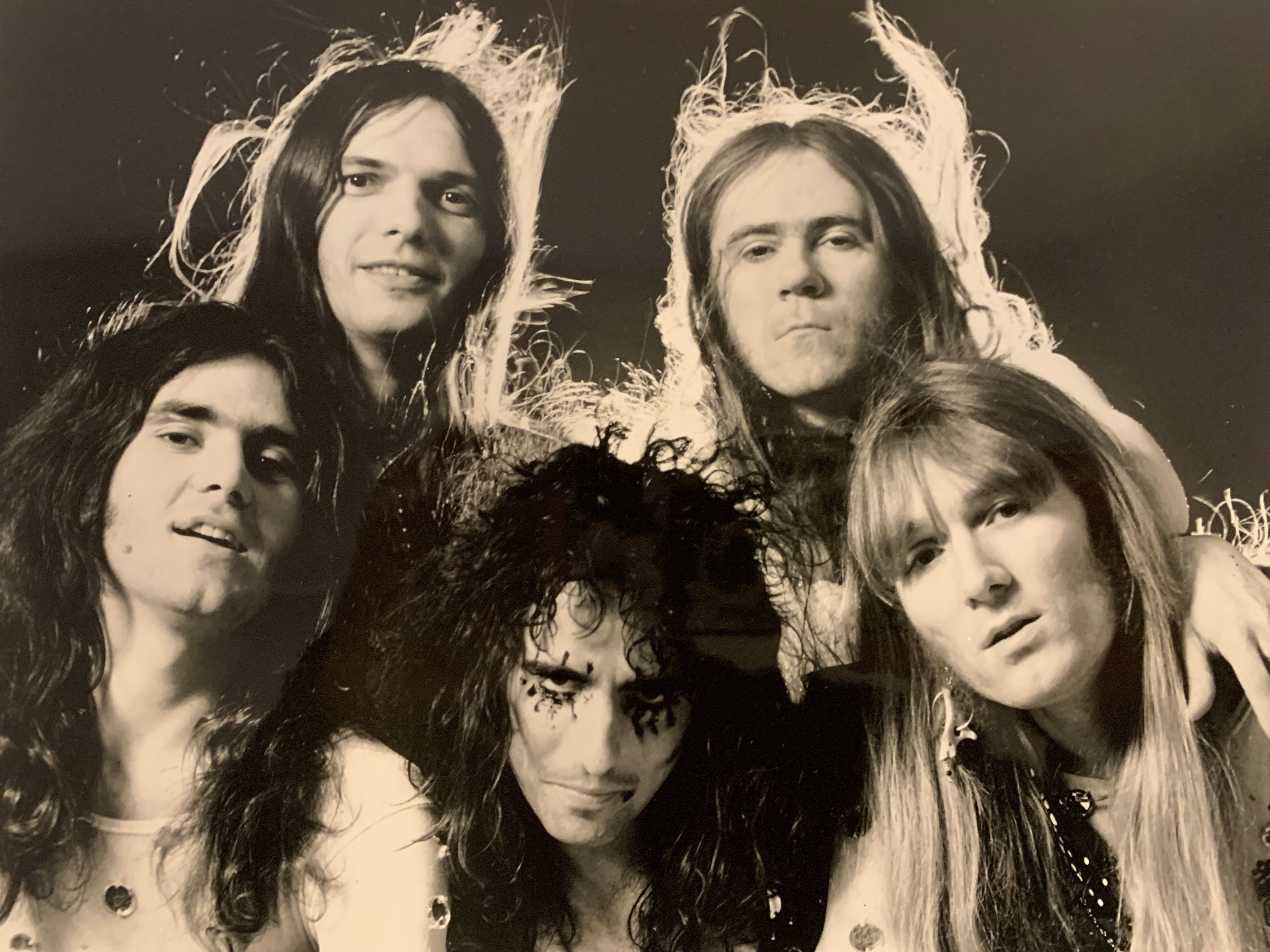
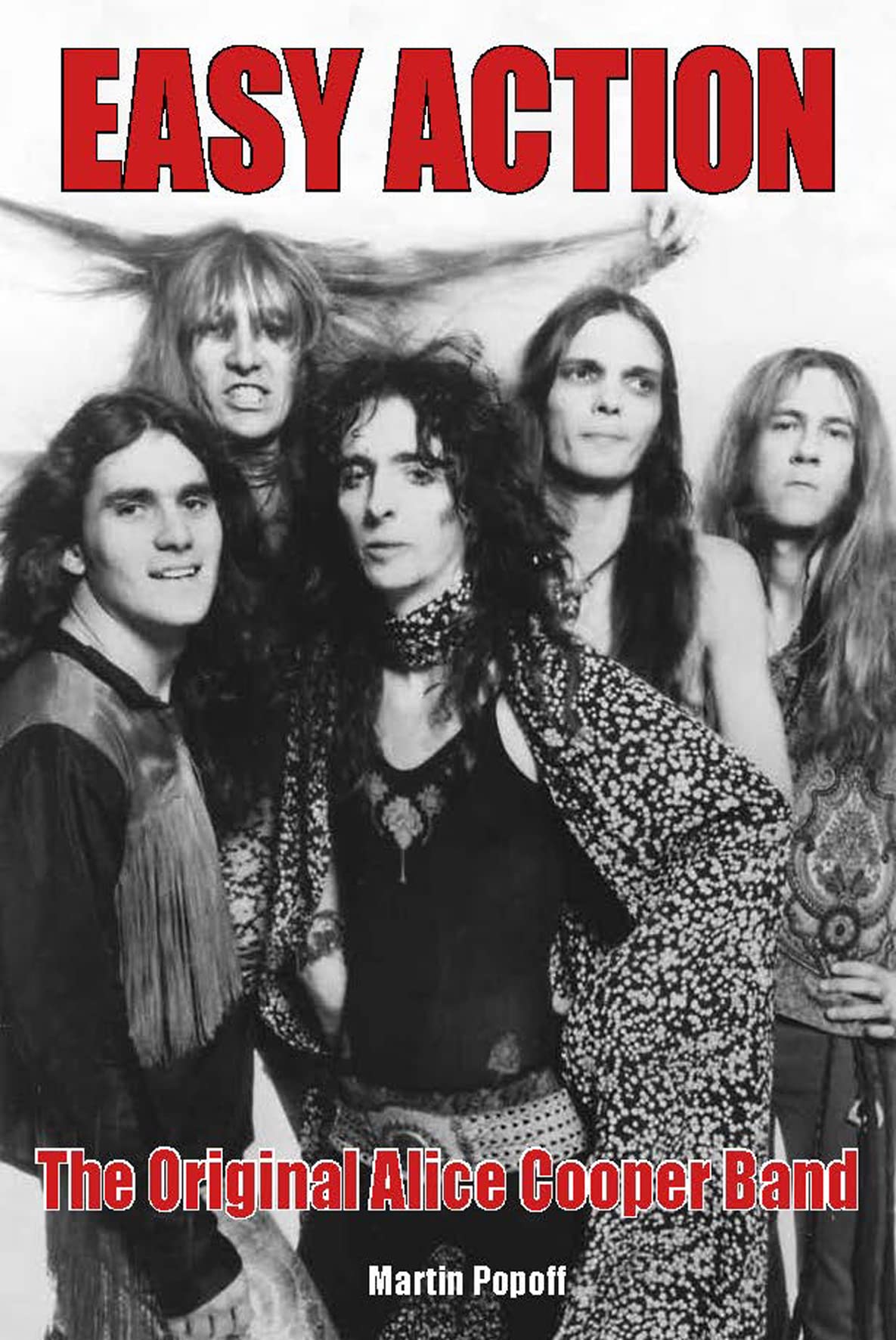
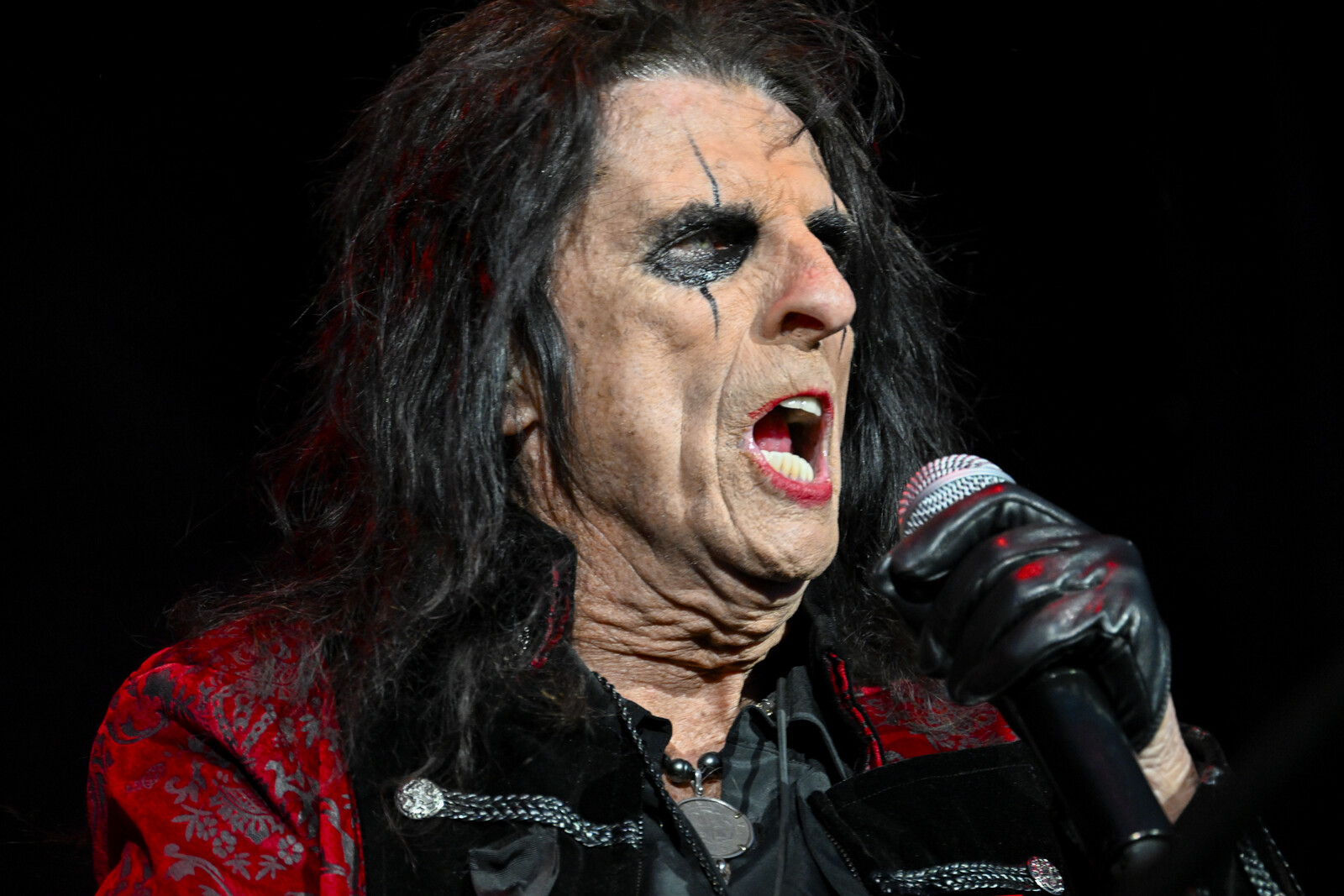
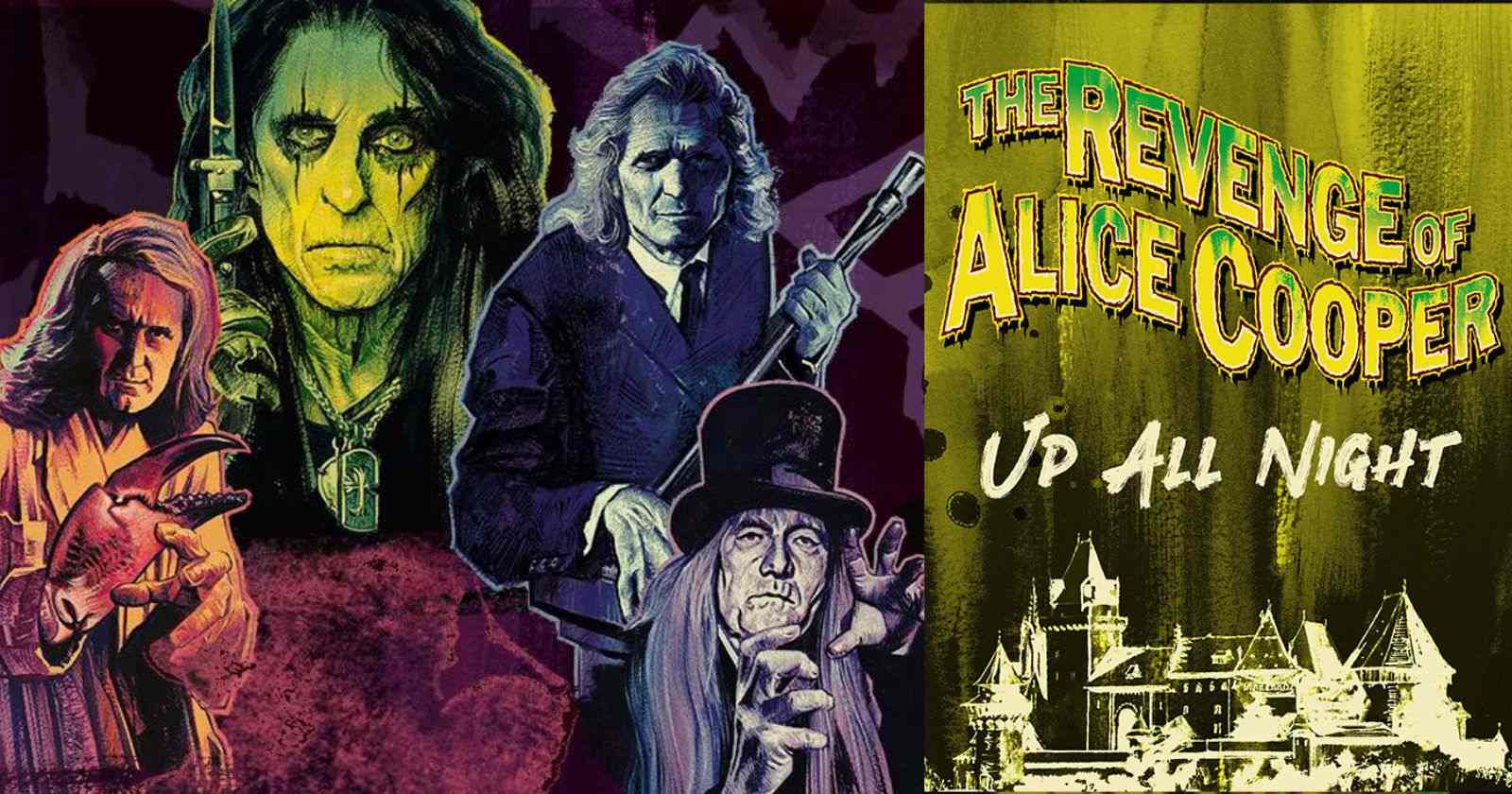
Before Alice Cooper became the solitary solo persona of lead singer Vincent Furnier, Alice Cooper was a groundbreaking five-piece rock band. Formed in Phoenix and refined in Detroit, the original group—comprising Vincent Furnier, Glen Buxton, Michael Bruce, Dennis Dunaway, and Neal Smith—redefined hard rock in the early 1970s by combining theatrical shock rock with sharp, melodically complex songwriting.
| Member | Role |
|---|---|
| Vincent Furnier | Lead Vocals & Showmanship |
| Glen Buxton | Lead Guitar & Riff Crafting |
| Michael Bruce | Rhythm Guitar, Keys & Songwriting |
| Dennis Dunaway | Bass Guitar & Visual Concepts |
| Neal Smith | Drums & Dramatic Percussion |
Beyond the Solo Icon: Who Were the Original Alice Cooper Band?
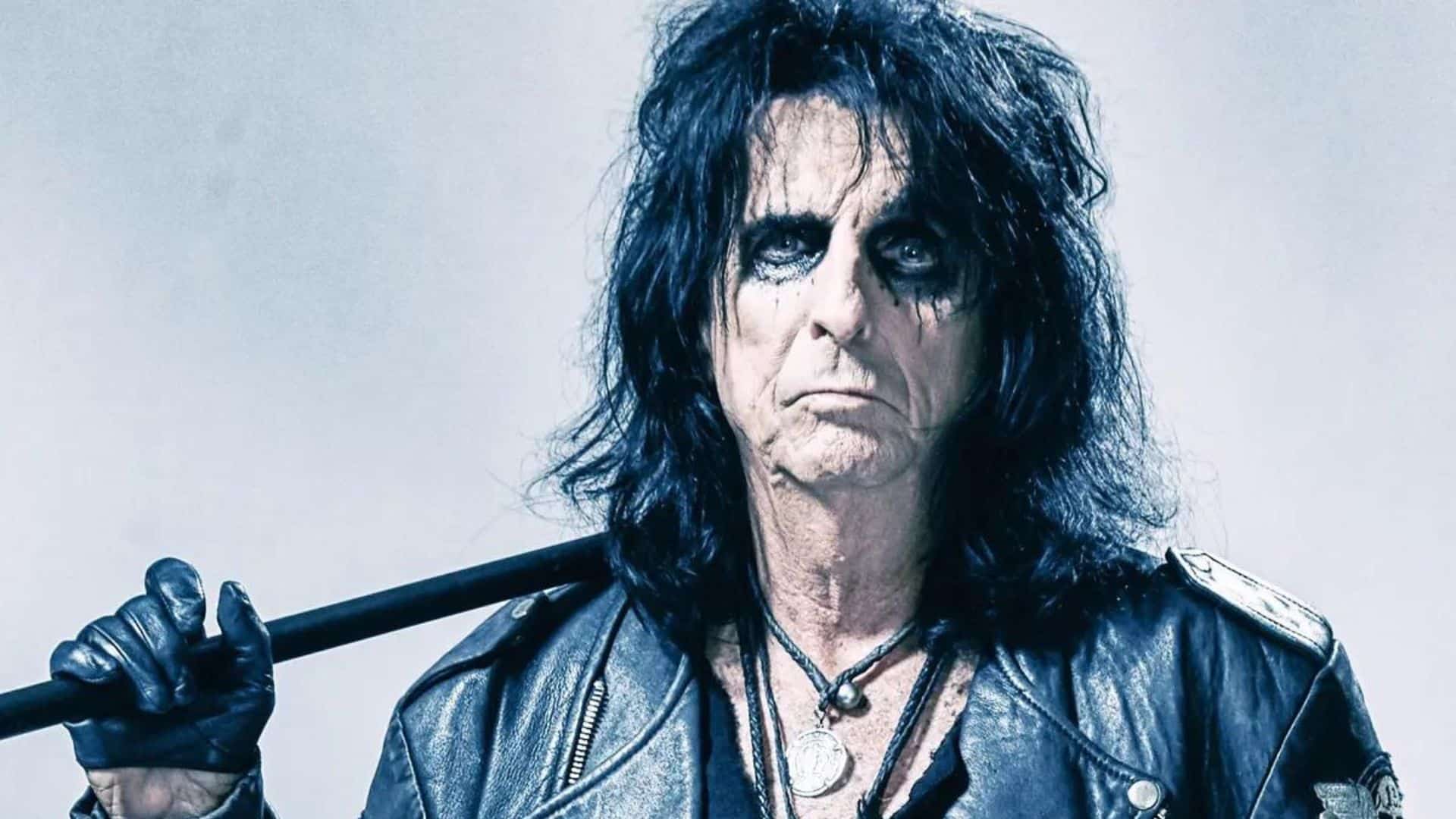
Public memory frequently conflates Alice Cooper with a single individual: the makeup-wearing frontman born Vincent Damon Furnier. However, from their underground beginnings through their multi-platinum peak in 1974, Alice Cooper was a democratically structured, collaborative rock band. Every major hit during the group's classic era—including "I'm Eighteen," "School's Out," and "No More Mr. Nice Guy"—was written and arranged by the five core members.
The band's original lineup consisted of:
- Vincent Furnier (Alice Cooper): Lead vocalist, principal lyricist, and central theatrical character.
- Glen Buxton: Lead guitarist, whose sharp, raw riffs defined the group's early sonic identity.
- Michael Bruce: Rhythm guitarist, keyboardist, and primary musical songwriter who composed the harmonic frameworks for their biggest singles.
- Dennis Dunaway: Bassist, co-songwriter, and theatrical co-architect who helped conceive the band's stage props and dark aesthetic.
- Neal Smith: Drummer and co-songwriter, known for his driving percussion style and flamboyant stage presence.
Together, these five musicians established the bridge between 1960s garage rock, British glam, and American heavy metal. Understanding their history requires examining how five high school track teammates evolved into one of the highest-grossing concert acts in the world.
From Phoenix to Detroit: The Evolution of the Lineup
The origins of the band trace back to 1964 at Cortez High School in Phoenix, Arizona. Initially forming a satirical Beatles homage called The Earwigs, Furnier, Buxton, and Dunaway performed in costumes for a school talent show. Finding genuine enjoyment in playing music, they recruited drummer Neal Smith and rhythm guitarist Michael Bruce, evolving through name changes including The Spiders and The Nazz.
- [1964] The Earwigs
- [1965] The Spiders
- [1967] The Nazz
- [1968] Alice Cooper
In 1968, upon discovering that another group was using the name The Nazz, the band adopted the name Alice Cooper. Popular legend claimed the group chose the name following a session with a Ouija board, but band members have clarified over the years that the name was selected for its contrast: it sounded like a wholesome, innocuous identity, juxtaposed against their chaotic, avant-garde music.
The Los Angeles Struggle and Frank Zappa
Relocating to Los Angeles in the late 1960s, the band struggled to gain traction within the local psychedelic scene. Their manic energy, aggressive volume, and unpolished visuals alienated club audiences. However, their unusual approach caught the attention of avant-garde musician Frank Zappa, who signed the group to his label, Straight Records.
The band released two experimental, commercially unsuccessful albums under Zappa’s guidance:
- Pretties for You (1969)
- Easy Action (1970)
While these recordings demonstrated technical ambition, they lacked focused songwriting and commercial polish.
The Detroit Shift and Bob Ezrin
Recognizing that the sun-drenched Los Angeles music scene was incompatible with their gritty sound, the group relocated to Detroit, Michigan, in 1970. Detroit's high-energy rock culture—shaped by bands like The Stooges and the MC5—welcomed the group's aggressive style.
More importantly, Detroit brought the band into contact with young producer Bob Ezrin. Ezrin instituted a rigorous rehearsal discipline, forcing the musicians to simplify their complex chord progressions, tighten their rhythm tracks, and focus on melodic hook writing. This collaboration yielded their breakthrough 1971 album, Love It to Death, featuring the hit single "I'm Eighteen."
The Creative Mechanics: Songwriting and Visual Staging
The commercial success of the Alice Cooper band relied on an internal division of labor that balanced theatrical shock tactics with disciplined musical arrangement.
- BOB EZRIN (Producer) - Tighter Hooks & Studio Discipline
- MUSIC ENGINE
- Michael Bruce
- Glen Buxton
- Neal Smith
- THEATRICAL ENGINE
- Vincent Furnier
- Dennis Dunaway
- Neal Smith
- MUSIC ENGINE
Michael Bruce's Songwriting Dominance
While Vincent Furnier was the face and lyrical voice of the group, Michael Bruce was the primary musical engine. Bruce authored or co-authored the majority of the band's signature riffs and chord structures. Tracks like "Be My Lover," "Caught in a Dream," and "No More Mr. Nice Guy" stemmed directly from Bruce's ability to blend British Invasion melodic sensibility with hard rock grit.
Dennis Dunaway and the Theatrical Vision
Dennis Dunaway played a dual role as both bassist and conceptual planner. Influenced by surrealist art, Dunaway was instrumental in inventing the dark theatrical elements that became the band's hallmark. From onstage gallows and electric chairs to custom stage outfits, Dunaway worked directly with Furnier to build the visual narrative surrounding the "Alice Cooper" character.
Glen Buxton's Guitar Persona
Glen Buxton provided the band's raw sonic edge. His blues-influenced lead guitar work gave early tracks like "School's Out" and "Under My Wheels" their aggressive, recognizable intros. Buxton's playing served as an essential counterweight to Bruce's structured rhythm guitar.
Peak Success: The Classic Album Era (1971–1973)
Between 1971 and 1973, the original five members produced a sequence of albums that defined the hard rock era:
- 1971: Love It to Death (Peak US #35)
- 1971: Killer (Peak US #21)
- 1972: School's Out (Peak US #2)
- 1973: Billion Dollar Babies (Peak US #1)
- 1973: Muscle of Love (Peak US #10)
Love It to Death (1971)
The album that established their commercial viability. Anchored by "I'm Eighteen," it showcased a refined hard rock sound coupled with themes of teenage angst and alienation.
Killer (1971)
A darker, more cohesive effort containing fan favorites "Under My Wheels," "Be My Lover," and "Dead Babies." Killer established the theatrical blueprint for their expansive arena stage shows.
School's Out (1972)
The title track became an international anthem, reaching the top of the UK singles chart and the top ten in the United States. The album solidified their status as major arena headliners.
Billion Dollar Babies (1973)
The commercial apex of the original band. Reaching No. 1 on both the US Billboard 200 and UK Albums Chart, the record featured hit singles such as "No More Mr. Nice Guy," "Elected," and the title track. The accompanying tour featured elaborate prop staging, including a working guillotine.
The Untangling of the Band: Why the Original Lineup Split
The dissolution of the original Alice Cooper group in 1974 resulted from a combination of physical exhaustion, internal financial disagreements, artistic divergence, and health struggles.
- Health Crises & Fractured Recording Presence
- (Glen Buxton's illness; reliance on studio guitarists)
- Divergent Creative & Conceptual Visions
- (Bruce/Dunaway/Smith preferred classic rock format; Furnier favored full theatrical stage spectacles)
- Moniker Transition & Legal Separation
- (Furnier legally adopted "Alice Cooper" solo name; Band members launched independent projects)
Glen Buxton's Health Struggles
By 1972, lead guitarist Glen Buxton was experiencing severe health problems stemming from complications related to substance abuse and pancreatitis. During the recording sessions for Billion Dollar Babies and 1973's Muscle of Love, Buxton's studio participation was severely reduced.
To complete the guitar tracks, the band brought in session guitarists, including Dick Wagner and Steve Hunter. Although Buxton was credited on the albums and appeared on tour when able, his declining health disrupted the original five-member dynamic.
Creative Differences Over Theatricality
As the band's showmanship grew more elaborate, internal opinions began to split regarding their future direction:
- Michael Bruce, Dennis Dunaway, and Neal Smith wanted to scale back the theatrical gimmicks and refocus their energy on pure hard rock music and stripped-down touring.
- Vincent Furnier and manager Shep Gordon favored expanding the theatrical aspects, envisioning full-scale concept productions that leaned heavily into entertainment television, celebrity culture, and theatrical performance art.
The Muscle of Love Friction and 1974 Hiatus
The recording of Muscle of Love (1973) reflected these internal strains. The band opted not to work with producer Bob Ezrin, producing the album themselves alongside Jack Douglas. While commercially successful, reaching the top ten, the album lacked the tight focus of their previous releases.
In early 1974, following an exhausting world tour, the group agreed to take a temporary hiatus. The hiatus ultimately became a permanent breakup.
The Moniker Transition
During the hiatus, Vincent Furnier legally adopted the name "Alice Cooper" as his official personal name and recorded the 1975 solo concept album Welcome to My Nightmare. Supported by a massive television special and a new backing group (including guitarists Dick Wagner and Steve Hunter), the solo album achieved major commercial success.
With Furnier taking the established brand name into a solo career, the remaining original members—Bruce, Dunaway, and Smith—were left to construct new musical projects outside the Alice Cooper trademark.
Comparative Matrix: Original Lineup Discography and Creative Input
The table below outlines the five-piece band's studio albums, highlighting key tracks and the songwriting contributions of the original members.
| Album Title | Release Year | US Chart Peak | Key Singles / Tracks | Primary Songwriting Contributions | Studio Notes |
|---|---|---|---|---|---|
| Pretties for You | 1969 | #193 | "Reflected", "Living" | Collaborative (Credited to Alice Cooper group) | Produced under Frank Zappa's Straight Records; experimental psychedelic garage style. |
| Easy Action | 1970 | Did Not Chart | "Shoe Salesman", "Mr. and Misdemeanor" | Collaborative (Credited to Alice Cooper group) | Final avant-garde release before relocating from L.A. to Detroit. |
| Love It to Death | 1971 | #35 | "I'm Eighteen", "Is It My Body", "Caught in a Dream" | Michael Bruce, Vincent Furnier, Dennis Dunaway, Neal Smith | Breakthrough record; first collaboration with producer Bob Ezrin. |
| Killer | 1971 | #21 | "Under My Wheels", "Be My Lover", "Desperado" | Michael Bruce, Dennis Dunaway, Vincent Furnier | Established core theatrical motifs; strong rhythm section arrangements by Dunaway/Smith. |
| School's Out | 1972 | #2 | "School's Out", "Gutter Cat vs. the Jets" | Michael Bruce, Vincent Furnier, Glen Buxton, Dennis Dunaway, Neal Smith | Title track reached #1 in the UK; featured full orchestral and big-band arrangements. |
| Billion Dollar Babies | 1973 | #1 | "No More Mr. Nice Guy", "Elected", "Billion Dollar Babies" | Michael Bruce, Vincent Furnier, Dennis Dunaway, Neal Smith | Band's highest-charting album; required uncredited session guitarists due to Buxton's health. |
| Muscle of Love | 1973 | #10 | "Teenage Lament '74", "Muscle of Love" | Michael Bruce, Vincent Furnier, Dennis Dunaway, Neal Smith | Final studio album recorded by the original five members; self-produced with Jack Douglas. |
Post-Split Projects, Tragedies, and Reconciliation
Following the 1974 split, the paths of the five original band members diverged significantly in terms of public visibility and musical output.
- 1974 BAND SPLIT
- SOLO EVOLUTION
- Vincent Furnier
- Legally adopts "Alice Cooper"
- Billion Dollar Babies Band
- Bruce, Dunaway, & Smith
- Battle Axe (1977)
- SOLO EVOLUTION
Billion Dollar Babies (The Band)
In 1975, Michael Bruce, Dennis Dunaway, and Neal Smith joined forces with guitarist Mike Marconi and keyboardist Bob Dolin to form a new group named Billion Dollar Babies. They released a single studio album, Battle Axe, in 1977.
Despite featuring strong musicianship and elaborate stage props designed to mirror their past success, the group faced daunting legal hurdles, booking conflicts, and commercial disinterest from fans who associated the brand exclusively with Alice Cooper's solo persona.
Individual Careers
- Michael Bruce: Released a solo album, In My Own Way (1975), and continued to perform in various classic rock side projects across the US and Europe.
- Dennis Dunaway: Formed several bands, including Lucifer, Kneel, and later Bouchard, Dunaway & Smith (alongside Blue Öyster Cult co-founder Joe Bouchard and Neal Smith). Dunaway published a detailed memoir of the original band in 2015 titled Alice Cooper, Golf Horror Stories, and the Rock 'n' Roll Life: Snakes! Guillotines! Electric Chairs!.
- Neal Smith: Entered commercial real estate while maintaining his musical output, releasing solo albums under the name Killsmith and performing on various rock retrospectives.
The Loss of Glen Buxton
Tragedy struck the original lineup on October 19, 1997. Lead guitarist Glen Buxton passed away at age 49 in Clarion, Iowa, due to complications from viral pneumonia. Prior to his death, Buxton had re-established contact with his former bandmates, performing live with Bruce, Dunaway, and Smith at local venue appearances, raising hope for a formal reunion project that was tragically cut short.
- 1999: Co-writing on the Life and Crimes Box Set
- 2011: Induction into the Rock and Roll Hall of Fame
- 2017: Guest Features on Alice Cooper's Paranormal
- 2021: Collaboration Tracks on Detroit Stories
Rock and Roll Hall of Fame Induction and Later Reunions
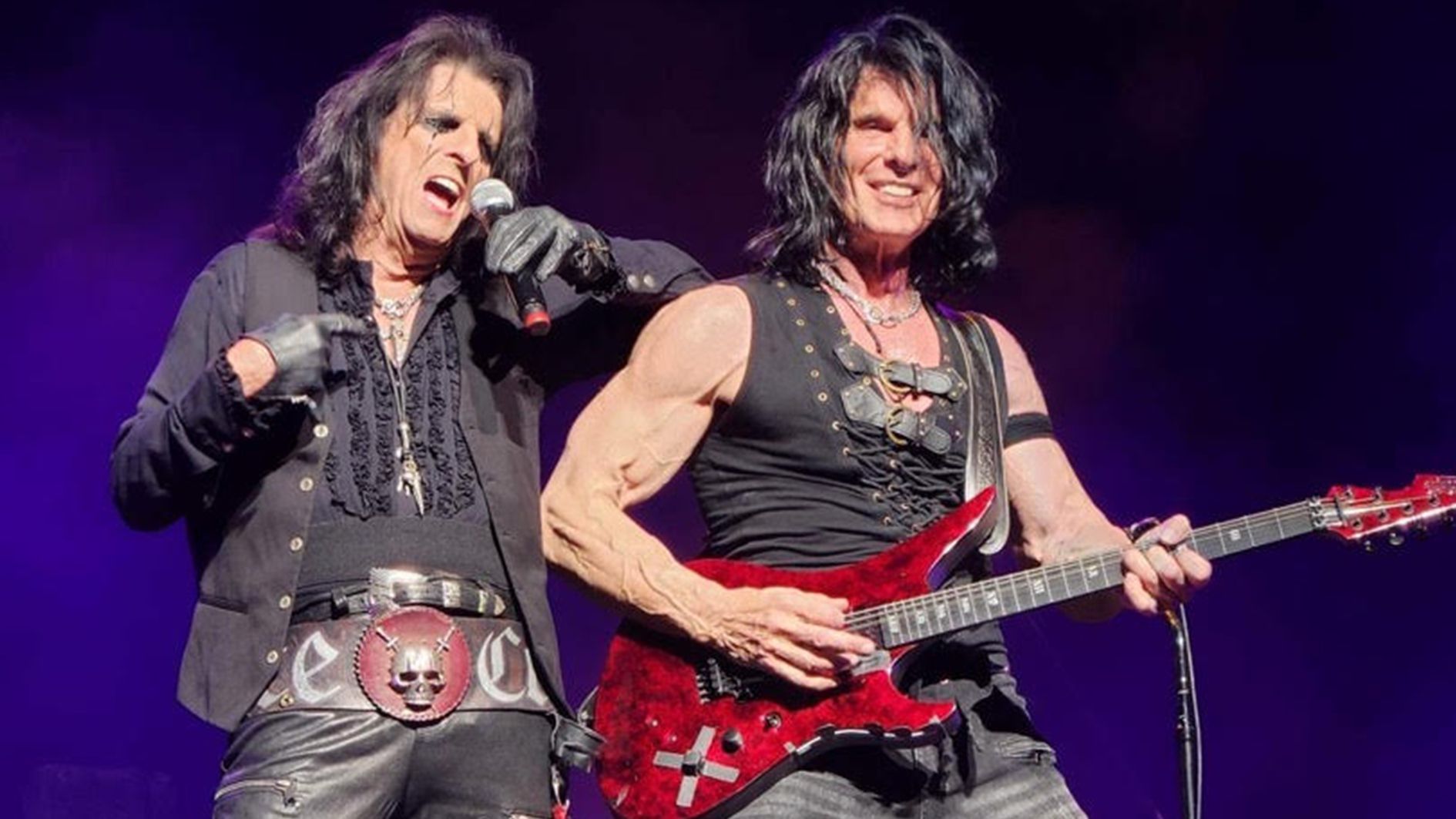
Official recognition of the band's foundational contributions arrived on March 14, 2011, when the original Alice Cooper group was inducted into the Rock and Roll Hall of Fame. Surviving members Furnier, Bruce, Dunaway, and Smith performed together at the induction ceremony, with guitarist Steve Hunter filling in for the late Glen Buxton.
In the years following their induction, the surviving members have periodically reunited for live sets and studio recording tracks:
- Studio Contributions: Bruce, Dunaway, and Smith co-wrote and performed on select tracks for Alice Cooper's solo studio albums, including Welcome 2 My Nightmare (2011), Paranormal (2017), and Detroit Stories (2021).
- Live Appearances: The surviving members performed a series of special full-set reunions during Alice Cooper's UK tour dates in 2017, proving that the original chemistry remained intact decades after their split.
Essential Guide for Exploring the Original Band's Music
To fully appreciate the musical craftsmanship of the original five-member band, listeners should explore their catalog through a structured listening sequence.
Step 1: The Essential Singles
Start with the defining single releases that established their sound on commercial radio:
- "I'm Eighteen" (Love It to Death, 1971)
- "Under My Wheels" (Killer, 1971)
- "School's Out" (School's Out, 1972)
- "No More Mr. Nice Guy" (Billion Dollar Babies, 1973)
Step 2: The Deep-Cut Album Tracks
Examine the progressive and theatrical compositions that showcased their instrumental complexity:
- "Halo of Flies" (Killer, 1971): A seven-minute hard rock suite featuring complex time signature changes and driving basswork by Dennis Dunaway.
- "Ballad of Dwight Fry" (Love It to Death, 1971): A dramatic track demonstrating Furnier's theatrical vocal range paired with Michael Bruce's dynamic piano structure.
- "Generation Landslide" (Billion Dollar Babies, 1973): Acoustic-driven garage rock featuring acoustic guitar by Bruce and harmonica work by Furnier.
Step 3: Historical Reading and Archival Recordings
To gain deeper context regarding the group's early years:
- Read Dennis Dunaway's autobiography, Snakes! Guillotines! Electric Chairs! My Adventures in the Alice Cooper Group.
- Listen to the live performance disc included in the Deluxe Edition of Billion Dollar Babies, recorded at the Houston Colosseum in 1973.
Frequently Asked Questions
Was Alice Cooper originally a solo artist or a band?
Alice Cooper was originally a five-member rock band consisting of Vincent Furnier (vocals), Glen Buxton (lead guitar), Michael Bruce (rhythm guitar/keyboards), Dennis Dunaway (bass), and Neal Smith (drums). Vincent Furnier legally adopted the name "Alice Cooper" as his personal moniker after the band split in 1974.
Who wrote the songs for the original Alice Cooper band?
Rhythm guitarist Michael Bruce was the primary composer of the band's musical structures and riffs, co-writing the vast majority of their hit singles. Bassist Dennis Dunaway, drummer Neal Smith, guitarist Glen Buxton, and singer Vincent Furnier also held major co-writing credits across all seven original studio albums.
Why did the original Alice Cooper lineup break up in 1974?
The split was driven by several factors: severe health issues that prevented lead guitarist Glen Buxton from fully participating in recording sessions, creative disagreements over whether to maintain a pure rock style or expand into elaborate theatrical productions, and physical fatigue from years of continuous touring and recording.
Are any of the original Alice Cooper band members deceased?
Yes. Lead guitarist Glen Buxton passed away on October 19, 1997, at age 49 due to complications from viral pneumonia. The remaining four original members—Vincent Furnier (Alice Cooper), Michael Bruce, Dennis Dunaway, and Neal Smith—are living and continue to record and perform.
Is the original Alice Cooper band in the Rock and Roll Hall of Fame?
Yes. The original five members—Vincent Furnier, Glen Buxton, Michael Bruce, Dennis Dunaway, and Neal Smith—were inducted into the Rock and Roll Hall of Fame as a group in March 2011.
Recommended Next Steps for Music Historians and Fans
To explore the historic work of the original Alice Cooper quintet beyond their hit singles, consider the following actions:
- Listen to the Core Trilogy in Chronological Order: Set aside dedicated listening time for Love It to Death (1971), Killer (1971), and Billion Dollar Babies (1973) to track the evolution of Bob Ezrin's production and Michael Bruce's songwriting.
- Compare Early Straight Records Material: Compare their 1969 debut Pretties for You against Killer to observe how Detroit hard rock turned an experimental garage band into a polished arena rock group.
- Read Primary Member Accounts: Review Dennis Dunaway’s published memoirs alongside archival interviews from the early 1970s to understand the band's creative and financial dynamics straight from the musicians who built the theatrical shock-rock genre.