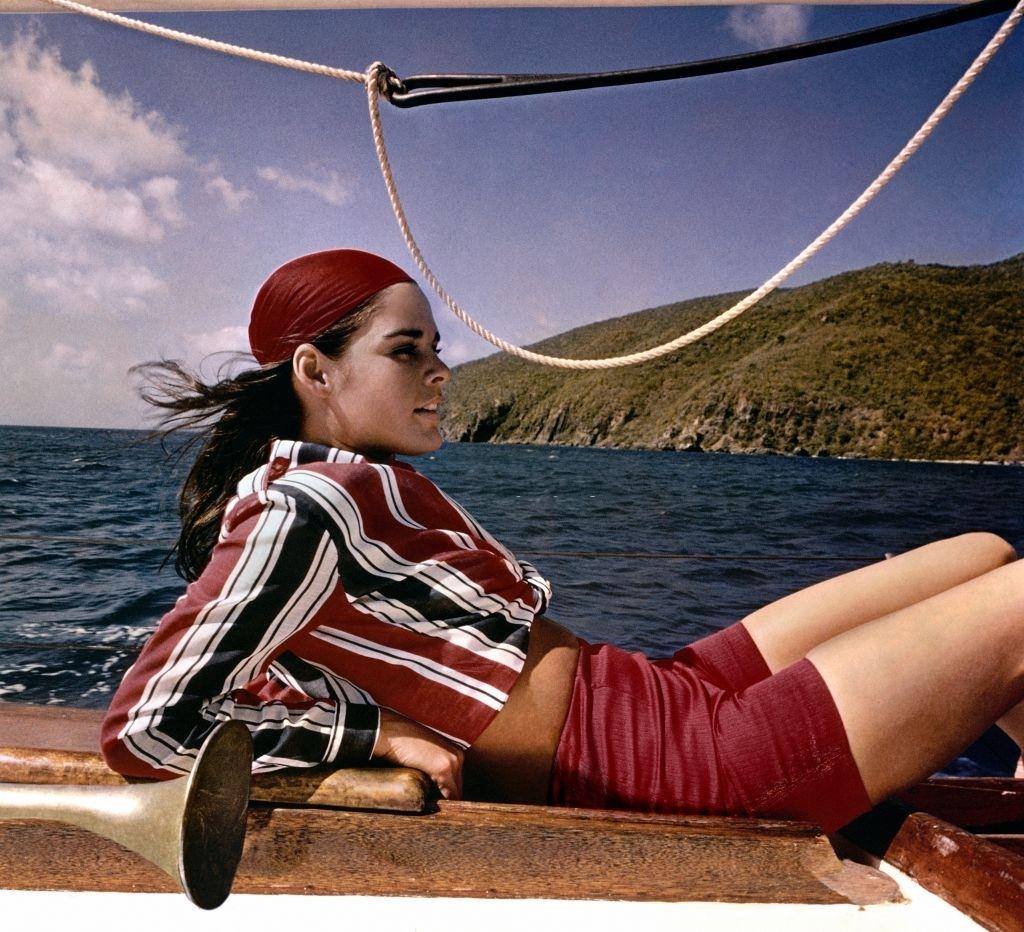
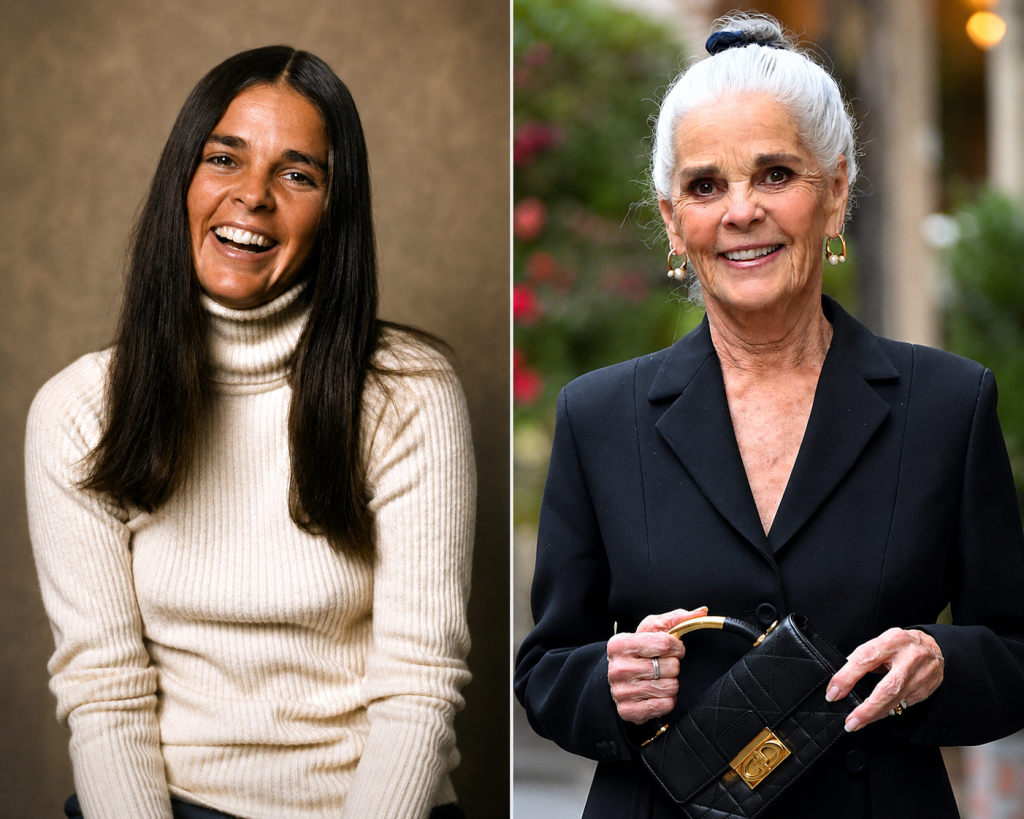
Ali MacGraw became an indelible icon of 1970s American cinema through her breakout performances in Goodbye, Columbus and Love Story, paired with a distinct, effortless style that redefined Hollywood beauty standard. Her explosive rise to stardom, high-profile personal life, voluntary pauses from public life, and later reinvention as an author and wellness pioneer sustain deep public interest in her life and career.
Early Beginnings: From Fashion Stylist to Screen Breakthrough
Before appearing on film, Elizabeth Alice MacGraw spent years working behind the scenes in the fashion industry. After graduating from Wellesley College with a degree in art history, she secured a position in 1960 as a photographer's assistant and fashion stylist at Harper’s Bazaar, working under legendary editor Diana Vreeland. MacGraw also worked as a stylist for Vogue and transitioned into modeling. Her natural look—featuring dark hair, strong eyebrows, minimal makeup, and a fresh demeanor—stood out against the heavily styled aesthetic dominant in the 1960s.
Her modeling career quickly led to television commercials and screen tests. Film producer Stanley R. Jaffe recognized her potential, casting her in the 1969 film adaptation of Philip Roth’s novella, Goodbye, Columbus.
Playing Brenda Patimkin, a wealthy suburban young woman in a romantic relationship across socio-economic lines, MacGraw delivered a performance that resonated with both critics and audiences. The role earned her the Golden Globe Award for Most Promising Newcomer and established her as a major new talent capable of embodying modern, relatable young women on screen.
The Phenomenon of 'Love Story' and International Superstardom
In 1970, MacGraw starred as Jennifer Cavilleri in Arthur Hiller’s romantic drama Love Story, opposite Ryan O'Neal. Written by Erich Segal, the film followed a working-class Radcliffe student and a wealthy Harvard law student navigating love, familial disapproval, and terminal illness.
"Love means never having to say you're sorry." — The iconic line spoken by MacGraw's character, Jennifer Cavilleri, which became a permanent fixture in American pop culture.
Love Story became a monumental financial and cultural success, saving Paramount Pictures from severe financial distress and earning over $130 million worldwide against a modest budget.
MacGraw’s portrayal of Cavilleri earned her an Academy Award nomination for Best Actress and a Golden Globe Award for Best Actress in a Motion Picture – Drama. Beyond the box office numbers, the film established MacGraw as the definitive style icon of the early 1970s. Her signature wardrobe—knit caps, camel hair coats, tailored blazers, and center-parted straight hair—popularized the classic "American Look" or "preppy aesthetic." Fashion editors, moviegoers, and media outlets frequently cited her as the ideal modern woman: educated, direct, effortlessly elegant, and unpretentious.
| THE 'LOVE STORY' CULTURAL IMPACT | |
|---|---|
| Box Office Performance | Over $130 million globally on a $2.2M budget |
| Key Industry Recognition | Academy Award nomination, Golden Globe win |
| Fashion Influence | Defined 1970s preppy aesthetic & minimalism |
Key Roles and Career Trajectory
While MacGraw’s filmography is selective compared to many of her peers, her major projects left a significant imprint on Hollywood history. Below is an overview of her major screen appearances, roles, and historical impact.
| Year | Title | Role | Strategic Significance & Industry Impact |
|---|---|---|---|
| 1969 | Goodbye, Columbus | Brenda Patimkin | Breakout role; won Golden Globe for Most Promising Newcomer; established her screen charisma. |
| 1970 | Love Story | Jennifer Cavilleri | Career-defining role; Oscar nominee; globally established her top-tier box office draw and style influence. |
| 1972 | The Getaway | Carol Ainsley McCoy | Action thriller directed by Sam Peckinpah; co-starred Steve McQueen; huge commercial success. |
| 1978 | Convoy | Melissa | Return to acting following a six-year hiatus; action comedy-drama directed by Sam Peckinpah. |
| 1979 | Players | Nicole Boucher | Romantic sports drama set in the professional tennis world; showcased her glamorous screen presence. |
| 1980 | Just Tell Me What You Want | Bones Burton | Directed by Sidney Lumet; romantic comedy co-starring Alan King, demonstrating her comedic timing. |
| 1983 | The Winds of War | Natalie Jastrow | Major television event; multi-part WWII epic miniseries that drew massive network viewership. |
| 1984–1985 | Dynasty | Lady Ashley Mitchell | High-profile prime-time soap opera role; reinforced her enduring status as a glamorous television personality. |
High-Profile Relationships and the Hollywood Hiatus
MacGraw’s personal life attracted intense public scrutiny, often competing with her professional accomplishments for media attention. In 1969, she married Paramount studio head Robert Evans, with whom she had a son, Josh Evans. Evans played a central role in guiding her early career, particularly in securing her roles in Goodbye, Columbus and Love Story.
In 1972, MacGraw was cast opposite Steve McQueen in Sam Peckinpah's action film The Getaway. During production, MacGraw and McQueen began a publicity-dominated affair, leading to her divorce from Evans in 1972 and her marriage to McQueen in 1973.
Following her marriage to McQueen, MacGraw stepped away from professional acting at the peak of her market value. McQueen preferred his wife to focus on domestic life rather than pursuing a full-time Hollywood career. During this five-year hiatus, MacGraw largely stepped back from public appearances.
She returned to the screen in 1978's Convoy shortly before her marriage to McQueen ended in divorce in 1978. Though she continued to land prominent roles in television and film throughout the late 1970s and 1980s—including the hit miniseries The Winds of War (1983) and the prime-time soap Dynasty (1984–1985)—her deliberate steps back from Hollywood altered the arc of her acting career.
Beyond Hollywood: Author, Yoga Pioneer, and Advocate
In the early 1990s, MacGraw deliberately shifted her focus away from mainstream acting toward personal wellness, writing, and advocacy, which significantly reshaped her legacy.
1. Candid Autobiography and Recovery Advocacy
In 1991, MacGraw published her autobiography, Moving Pictures. The book was notable for its unvarnished honesty regarding her experiences with fame, complex personal relationships, and her treatment for alcohol dependence and emotional distress at the Betty Ford Center in 1986. Her willingness to publicly address addiction long before it was common in Hollywood helped demystify recovery and encouraged open conversations about mental health.
2. Popularizing Mainstream Yoga
In 1994, MacGraw collaborated with renowned instructor Erich Schiffmann to release the instructional video Ali MacGraw Yoga Mind and Body. Filmed against the scenic backdrop of White Sands, New Mexico, the video became a massive commercial hit. It is widely credited with introducing Hatha Yoga to a broad, mainstream American audience during the 1990s, positioning yoga as an accessible practice for physical fitness and stress relief.
ALI MACGRAW: TRANSITION FROM SCREEN TO ADVOCACY
- Hollywood Cinema
- Love Story (1970)
- Autobiography (1991)
- Moving Pictures
- Wellness Breakthrough
- Yoga Mind & Body
- Lifestyle & Advocacy
- Animal & Env. Rights
3. Animal Welfare and Regional Arts Advocacy
After relocating permanently to Santa Fe, New Mexico, MacGraw aligned herself with local and national humanitarian causes. She became an outspoken advocate for animal protection, serving on boards and participating in campaigns for organizations such as Animal Protection New Mexico. Additionally, she championed local artisans, Native American craftsmen, and historic preservation in the American Southwest.
Why Public Interest in Ali MacGraw Persists
Public fascination with Ali MacGraw remains strong decades after her cinematic peak. Cinema historians, fashion stylists, and fans continue to study her life and image for several key reasons:
- Architect of 1970s Fashion Aesthetics: MacGraw helped pioneer the shift away from structured, heavily hairsprayed 1960s glamor toward natural, low-maintenance elegance. Designers routinely reference her early 1970s wardrobe as the template for classic American sportswear and modern "quiet luxury."
- Cultural Symbol of New Hollywood: Her career represents the shift in American filmmaking during the late 1960s and early 1970s, where traditional studio polish gave way to naturalistic acting, youth culture, and character-driven stories.
- Refusal to Conform to Industry Expectations: Unlike actors who maintain continuous Hollywood visibility, MacGraw frequently chose personal independence, privacy, and geographic relocation over career optimization.
- Graceful Aging and Authenticity: In an industry known for rigid youth standards, MacGraw has publicly embraced aging naturally, refusing cosmetic alterations and promoting silver hair, inner well-being, and self-acceptance.
Frequently Asked Questions
Did Ali MacGraw win an Academy Award for 'Love Story'?
No, Ali MacGraw did not win the Academy Award for Love Story. She was nominated for Best Actress in 1971 for her role as Jennifer Cavilleri, but the award was won by Glenda Jackson for Women in Love. However, MacGraw did win the Golden Globe Award for Best Actress in a Motion Picture – Drama for her performance.
Why did Ali MacGraw stop acting during the 1970s?
MacGraw paused her acting career following her 1973 marriage to actor Steve McQueen. McQueen preferred that his wife manage their home life rather than accept film roles. MacGraw stepped away from major roles for roughly five years, returning to cinema with Convoy in 1978 around the time of their divorce.
What is Ali MacGraw's involvement in the wellness and yoga movement?
In 1994, MacGraw released Ali MacGraw Yoga Mind and Body, an instructional video produced with yoga master Erich Schiffmann. The video became an international bestseller and played a major role in bringing Hatha Yoga into mainstream popular culture during the 1990s.
How many times was Ali MacGraw married?
Ali MacGraw has been married three times: first to college sweetheart Robin Hoen (1961–1962), second to film producer Robert Evans (1969–1972), and third to actor Steve McQueen (1973–1978).
Where does Ali MacGraw live today?
MacGraw relocated to Santa Fe, New Mexico, in the 1990s after her home in Malibu, California, was destroyed in a wildfire. She has remained an active community member, animal advocate, and supporter of local arts in Santa Fe.
Key Lessons for Film Historians and Pop Culture Analysts
When evaluating Ali MacGraw’s impact on film history and popular culture, researchers and analysts should consider three core elements:
- Examine the Shift in Screen Archetypes: Contrast MacGraw's performances in Goodbye, Columbus and Love Story with 1950s studio leads to see how her grounded style helped reshape onscreen romantic heroines.
- Study Style as Cultural Currency: Analyze how her personal aesthetic influenced consumer fashion trends, establishing a multi-billion-dollar market for minimalist, preppy American clothing lines.
- Analyze Celebrity and Autonomy: Consider MacGraw's career as a case study in media scrutiny and personal agency, observing how stepping away from Hollywood allowed her to build an enduring legacy outside of the studio system.