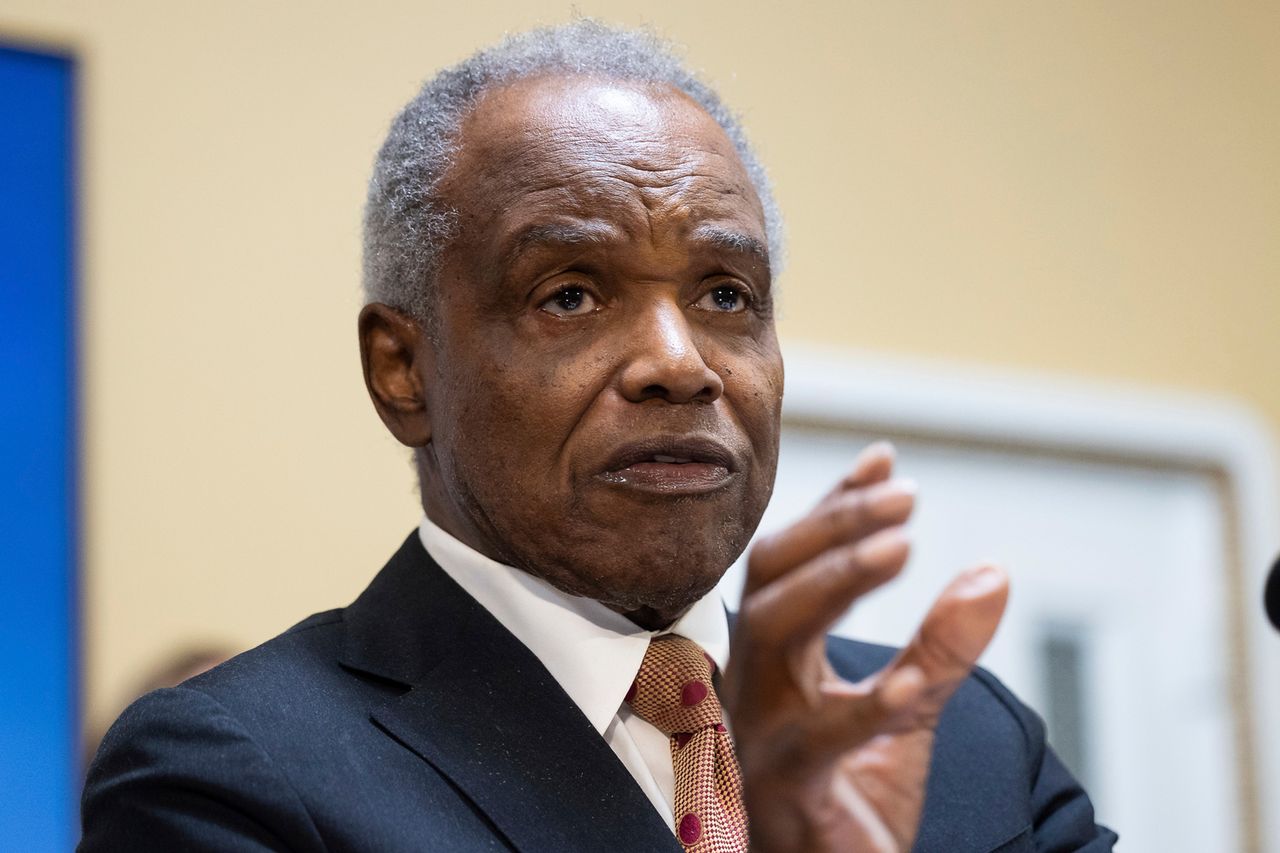
Alfredia Scott is a recognized figure associated primarily with professional leadership, administrative oversight, and contributions to public sector institutional management. Her career is characterized by roles that require high-level coordination, strategic planning, and the maintenance of operational standards within organizations focused on service delivery and community infrastructure.
Professional Scope and Institutional Context
The career trajectory of Alfredia Scott represents a specialized commitment to organizational efficiency. Unlike public figures whose influence is derived from media visibility or political campaigning, Scott’s professional identity is rooted in the "back-office" excellence that sustains modern institutions. Her work typically involves the intersection of personnel management, resource allocation, and policy enforcement.
In complex organizational environments, individuals like Scott serve as the connective tissue between executive strategy and ground-level execution. This involves interpreting high-level directives from governing boards or senior leadership and translating them into actionable tasks for staff. This necessitates a deep understanding of standard operating procedures (SOPs), institutional workflows, and the regulatory environment governing public or quasi-public entities.
Key Competencies in Administrative Leadership
Effective administrative leadership relies on several core competencies that have defined Scott’s professional engagements. These include, but are not limited to, stakeholder management, crisis mitigation, and systemic auditing.
- Stakeholder Coordination: Managing the expectations of diverse groups, including internal staff, executive leadership, and external partners, requires a high degree of emotional intelligence and clear communication.
- Resource Optimization: Efficiently managing budgets and personnel prevents institutional stagnation. By identifying bottlenecks in service delivery, leaders in this position can improve the output of an organization without necessarily increasing its financial burden.
- Compliance and Policy Oversight: Ensuring that every departmental action aligns with existing legal frameworks and internal bylaws is essential for risk mitigation.
Navigating Institutional Roles
When examining the career of a professional like Alfredia Scott, it is useful to categorize their operational impact. These roles are rarely static; they evolve alongside the needs of the organization and the shifting regulatory landscapes of their respective industries.
| Function Category | Primary Responsibility | Strategic Impact |
|---|---|---|
| Operational Management | Workflow oversight and SOP compliance | Ensures consistent service delivery |
| Resource Coordination | Budgetary and personnel allocation | Prevents waste and maximizes output |
| Stakeholder Relations | Communication with board/public | Maintains trust and institutional legitimacy |
| Strategic Planning | Long-term goal setting | Facilitates sustainable growth |
The Value of Operational Expertise
The modern organizational landscape—whether in private commerce or public service—demands individuals who possess not only technical knowledge but also the capacity for "systemic thinking." Systemic thinking is the ability to see how a change in one department, such as payroll or logistics, affects the institution as a whole. For those operating at the level associated with Alfredia Scott, the primary goal is the seamless integration of these disparate parts.
Success in these roles is measured by continuity. While a visionary leader might be associated with a singular change or "pivot," the administrative lead is associated with the stability that allows that vision to exist in the first place. Their contribution is often invisible until it is absent, which underscores the critical nature of their work in preventing institutional failure.
Addressing Common Professional Challenges
Professionals in administrative and oversight roles frequently encounter specific challenges that require structured responses. Understanding these challenges provides insight into the nature of the work performed by someone in Scott's position.
- Resistance to Change: Implementing new software or protocols often triggers resistance from long-term staff. Successful managers utilize transparent communication and phased rollouts to ease this transition.
- Regulatory Shifts: As laws and internal regulations change, administrators must be the first to adapt. This requires continuous professional development and a proactive approach to research and training.
- Conflict Resolution: Where human assets are involved, friction is inevitable. An effective leader acts as a mediator, ensuring that interpersonal conflicts do not spill over into the organization's mission-critical activities.
Career Development and Advancement
The path toward senior administrative roles is typically non-linear, involving a mix of formal education and years of "on-the-ground" experience. For those looking to emulate the trajectory of professionals like Alfredia Scott, the emphasis should be on versatility. Acquiring certifications in project management, public administration, or organizational leadership can provide the necessary toolkit to navigate the complexities of institutional management.
Furthermore, networking within professional associations relevant to one’s industry is critical. These associations serve as repositories for best practices, where leaders share lessons learned from successes and failures alike. Engaging with these communities helps in developing the foresight required to anticipate industry-wide trends before they reach a local or organizational level.
Next Steps for Professionals
If you are currently evaluating your own role in organizational management or seeking to understand the requirements of high-level administrative positions, consider the following actions:
- Conduct a Performance Audit: Evaluate your current organizational processes. Identify three areas where efficiency could be improved through minor policy adjustments.
- Seek Mentorship: Find a senior leader within your sector whose career path mirrors your aspirations. Focus your questions on how they handled periods of organizational transition.
- Prioritize Continuous Learning: Invest time in understanding the legal and regulatory trends affecting your specific industry in 2026.
- Strengthen Communication Channels: Standardize how information flows through your team. Eliminate silos to ensure that every member understands their role in the broader organizational goal.
By focusing on these areas, you align yourself with the practices that define excellence in professional oversight and administrative management.