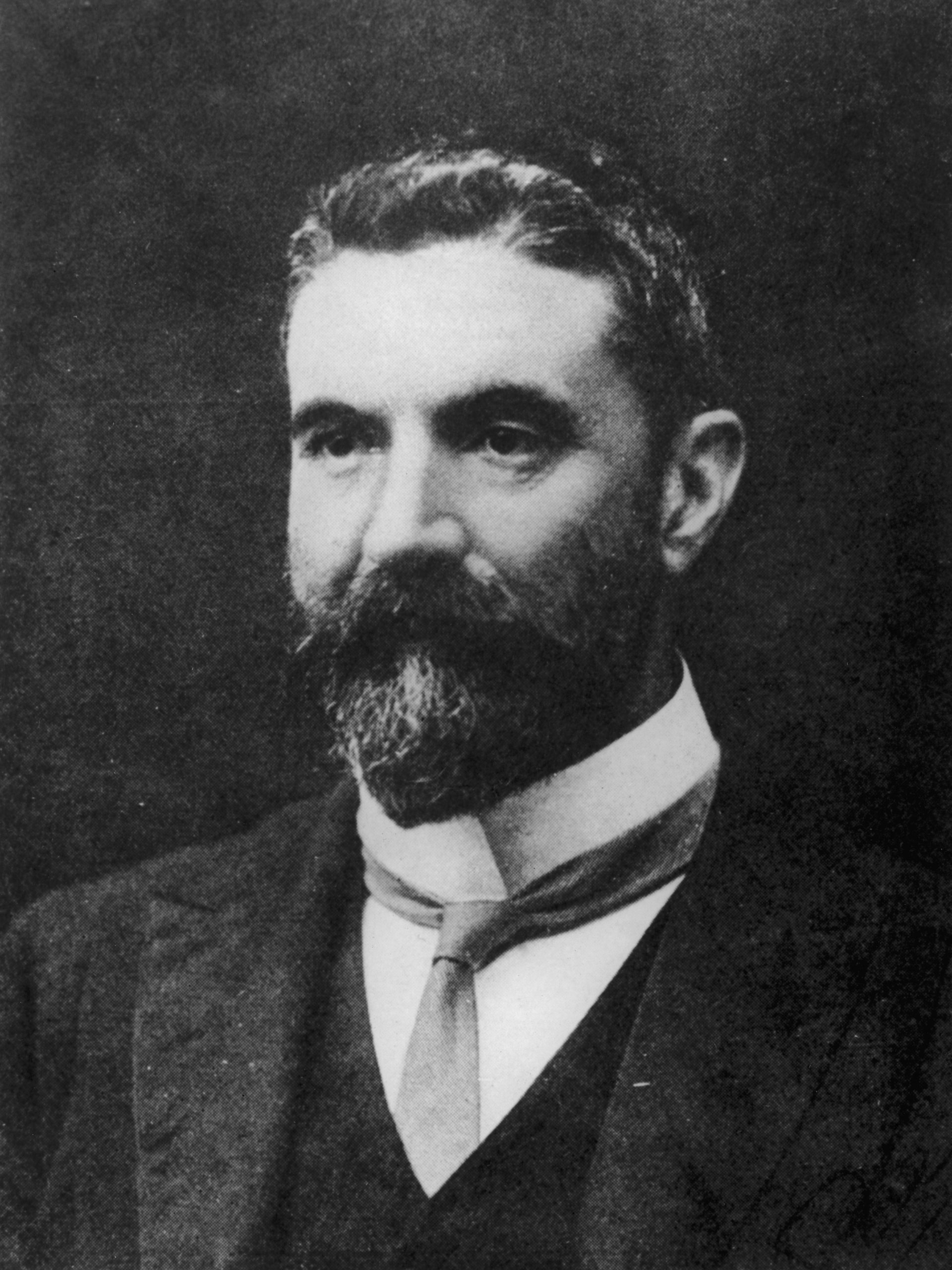
Alfred Kinsey’s financial estate at his death in August 1956 was modest, consisting primarily of academic real estate, modest personal savings, and royalties tied to his groundbreaking human sexuality research rather than vast commercial wealth. When the pioneering sexologist and Indiana University professor passed away at the age of 62, his personal fortune did not reflect the enormous cultural footprint or the substantial gross sales generated by the landmark publications commonly known as the Kinsey Reports. Understanding Alfred Kinsey net worth at death requires looking past the multi-million-dollar institutional legacy of the Institute for Sex Research and examining the actual personal assets, academic salaries, and publishing royalties of a mid-20th-century researcher.
The Financial Reality of Mid-Century Academia
During the mid-20th century, academic salaries for university professors, even those who achieved international renown, were relatively modest compared to corporate incomes. Alfred Kinsey spent the vast majority of his professional career as a professor of zoology at Indiana University in Bloomington. His primary income derived from his academic appointment, where he taught biology and conducted extensive research on gall wasps before shifting his focus entirely to human sexual behavior in the late 1930s and 1940s.
Academic posts in the 1940s and 1950s provided steady middle-class security rather than avenues to immense wealth. Kinsey's compensation as a full professor aligned with standard university pay scales of the era. While he received occasional grants from philanthropic organizations—most notably the Rockefeller Foundation—these funds were strictly allocated for institutional research expenses, travel, interviewing equipment, and staff salaries rather than personal enrichment. Consequently, his personal cash accumulation remained tied to standard academic savings and modest investments typical of an industrious mid-century educator.
Royalties and Revenue from the Kinsey Reports
The financial turning point in Kinsey’s professional life occurred with the publication of Sexual Behavior in the Human Male in 1948, followed by Sexual Behavior in the Human Female in 1953. Both volumes became extraordinary commercial successes, topping bestseller lists and capturing global public attention. However, analyzing how these book sales translated into personal wealth reveals a complex arrangement regarding royalties and institutional ownership.
| Publication Title | Publication Year | Publisher | Royalty and Financial Structure |
|---|---|---|---|
| Sexual Behavior in the Human Male | 1948 | W. B. Saunders Company | Institutional assignment; royalties directed largely to research funds. |
| Sexual Behavior in the Human Female | 1953 | W. B. Saunders Company | Managed via the Institute for Sex Research to fund ongoing scientific studies. |
Rather than retaining all incoming royalties for personal accumulation, Kinsey structured the financial proceeds from his books to support the continuation of his research enterprise. Recognizing the controversial nature of his work and the frequent threats to university funding, he and his colleagues directed significant portions of publication revenues into the Institute for Sex Research (later renamed the Kinsey Institute). This institutional channeling ensured that the incoming capital supported administrative staff, interviewers, security for confidential data archives, and future publications rather than building a private dynastic estate.
Estate Assets and Personal Property at Death
When Alfred Kinsey died on August 25, 1956, his estate probate records reflected a comfortable, middle-class standard of living rather than substantial personal affluence. His tangible personal assets included:
- A modest residential home in Bloomington, Indiana, owned jointly with his wife, Clara McMillen Kinsey.
- Standard household furnishings, personal library holdings, and professional papers.
- Modest personal bank accounts and accumulated academic retirement funds.
- Residual book royalties in transit or under contract through W. B. Saunders Company, which were managed according to his estate directives and institutional agreements.
The valuation of his estate at death placed his liquid financial assets and personal property in the low tens of thousands of dollars—equivalent to a few hundred thousand dollars adjusted for inflation. This financial reality underscores that Kinsey lived and died as an academic researcher driven by scientific inquiry rather than a commercial entrepreneur seeking personal capital gains from the sexual revolution he helped ignite.
Institutional Wealth Versus Personal Net Worth
A frequent point of confusion when evaluating Alfred Kinsey net worth at death involves conflating his personal estate with the financial assets controlled by the Institute for Sex Research. Founded in 1947 at Indiana University, the Institute received substantial grants from the Rockefeller Foundation during its early years, totaling hundreds of thousands of dollars throughout the 1940s and 1950s.
However, these funds were organizational assets owned and audited by the university and the independent nonprofit board. Kinsey did not own the Institute, nor did he hold equity in its publications in a traditional corporate sense. The copyrights and institutional holdings belonged to the research entity, protecting the scientific data from being treated as personal inheritance or being seized by private creditors. This strict separation between personal finances and institutional endowments ensures that historical evaluations of Kinsey's wealth distinguish clearly between his personal estate and the operational budget of his research organization.
| Financial Category | Ownership / Control | Purpose and Allocation |
|---|---|---|
| Personal Estate | Alfred and Clara Kinsey | Family living expenses, residential property, and personal savings. |
| Institutional Grants | Rockefeller Foundation / University | Direct funding for research staff, interviews, and data preservation. |
| Publication Royalties | Institute for Sex Research | Sustaining ongoing scientific operations and future publications. |
Frequently Asked Questions
What was Alfred Kinsey's net worth when he died?
Alfred Kinsey's personal net worth at the time of his death in 1956 was relatively modest, consisting of a family home in Bloomington, Indiana, personal savings, and standard academic assets valued at a modest middle-class level, rather than the millions generated by his bestselling books.
Did Alfred Kinsey become a millionaire from his books?
No, Alfred Kinsey did not become a millionaire from his publications. Although Sexual Behavior in the Human Male and Sexual Behavior in the Human Female sold hundreds of thousands of copies, the royalties were largely directed back into the Institute for Sex Research to fund ongoing scientific studies rather than accumulating as personal wealth.
How were the Kinsey Reports funded?
The research behind the Kinsey Reports was supported primarily by grants from the Rockefeller Foundation, alongside financial contributions from Indiana University and proceeds generated by the book sales channeled through the Institute for Sex Research.
Who inherited Alfred Kinsey's estate?
Following his death in 1956, Kinsey's immediate personal estate passed to his wife, Clara McMillen Kinsey, and his family members, while the management of his research archives, institutional copyrights, and ongoing project revenues remained under the control of the Institute for Sex Research.
Practical Insights for Financial and Historical Research
When examining the personal finances and estates of historical figures like Alfred Kinsey, researchers must differentiate between commercial gross revenues, institutional endowments, and individual net worth. Academic figures operating in mid-century America often prioritized institutional longevity and research independence over personal capital accumulation. For those investigating biographical histories or academic estates, consulting original university archives, probate court records, and foundation grant ledgers provides the most accurate documentation of historical asset distribution.