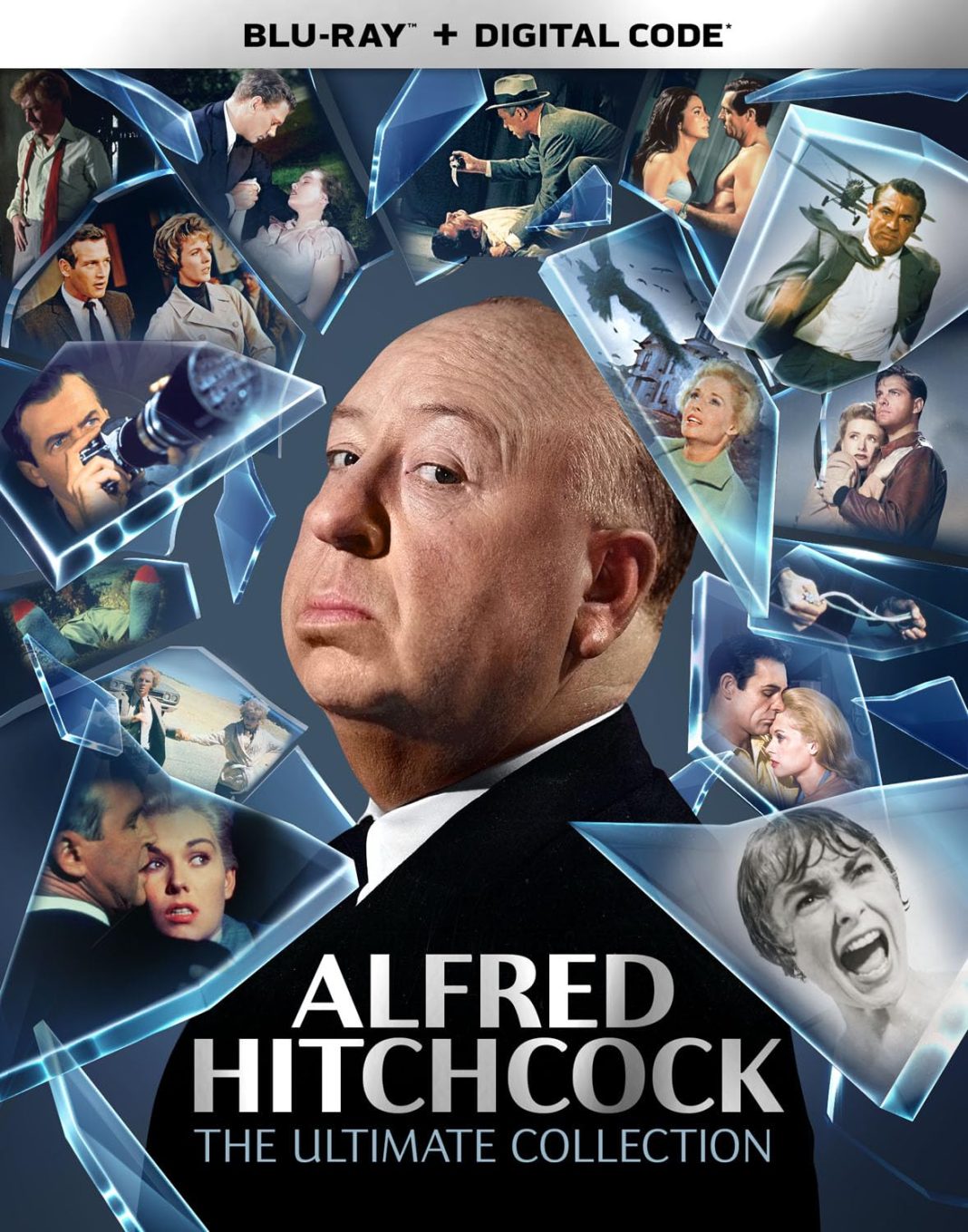
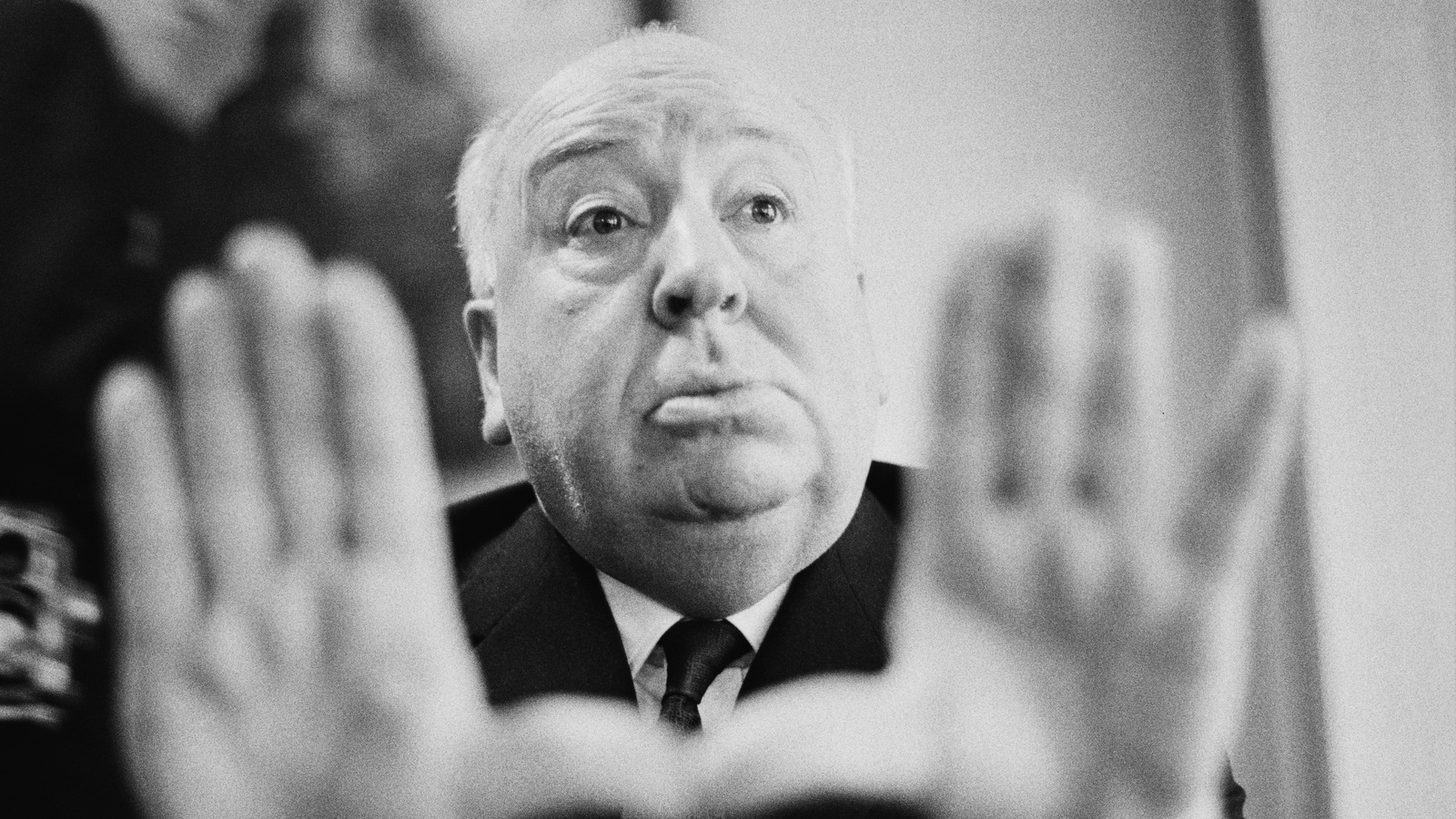
Alfred Hitchcock amassed an estimated fortune between $10 million and $15 million by the time of his death in 1980, an estate that would translate to over $40 million when adjusted for inflation in the modern era. This wealth was accumulated through a meticulous business model that prioritized backend profit participation, strategic syndication ownership, and pioneering television production rather than conventional studio-salaried directing.
Evaluating the true financial footprint of cinematic history’s most renowned suspense director requires examining the intersection of creative genius and aggressive business acumen. While contemporary audiences remember Hitchcock for timeless masterpieces such as Psycho, Rear Window, and Vertigo, industry insiders recognize him as a trailblazer who fundamentally changed how filmmakers negotiate compensation. By retaining control over his negative rights, securing a massive equity stake in his television anthology series, and shifting studios at the optimal financial juncture, Hitchcock built a robust personal empire that set a new benchmark for directorial wealth.
The Foundation of Studio Salaries and Early British Success
Hitchcock’s financial trajectory began humbly in London during the silent film era, where he worked as a title card designer, art director, and assistant director for Famous Players-Lasky and Gainsborough Pictures. When he stepped into the director’s chair for The Pleasure Garden in 1925 and achieved international acclaim with The Lodger in 1927, his initial compensation reflected standard studio employee rates. British cinema in the 1920s and 1930s operated on modest budgets, and early contracts granted studios complete ownership of the intellectual property without offering the creator any share of downstream revenues.
Despite the modest absolute earnings of his early British period, these foundational years established Hitchcock’s reputation as an efficient, reliable craftsman who could deliver commercially viable thrillers on time and under budget. Films like The 39 Steps and The Lady Vanishes cemented his brand value. When producer David O. Selznick brought Hitchcock to Hollywood in 1939 with a multi-picture contract to direct Rebecca, the American studio system offered significantly higher upfront salaries. However, Selznick’s traditional Hollywood contracts initially kept Hitchcock locked into fixed weekly wages, limiting his ability to capture the explosive box-office upside of hits like Spellbound and Notorious.
The Turning Point: Pioneering Backend Profit Participation
The single most lucrative pivot in Hitchcock’s career occurred when he transitioned from a salaried employee to an independent producer-director. Frustrated by studio interference and the realization that major corporations reaped the long-term rewards of his cinematic hits, Hitchcock began structuring production deals that demanded backend profit participation and eventual ownership of his film negatives.
This strategy reached its zenith with Rear Window and Vertigo, produced in collaboration with Paramount Pictures. Under the innovative partnership terms of Shamley Productions—Hitchcock’s personal production company—he retained the rights to many of his films after their initial theatrical distribution windows closed. This decision paid astronomical dividends when the distribution rights for five key Paramount films, including Vertigo, Rear Window, The Man Who Knew Too Much, The Trouble with Harry, and Rope, were withdrawn from circulation for decades. Known colloquially as the "Five Lost Hitchcocks," these titles were eventually sold back to Universal Pictures in the early 1980s for a staggering sum of more than $5 million, injecting millions directly into his estate long after principal photography had wrapped.
Television Syndication and the Shamley Productions Empire
While theatrical motion pictures built his artistic reputation, television syndication cemented Alfred Hitchcock’s ultimate wealth. In 1955, CBS launched Alfred Hitchcock Presents, a half-hour anthology series that featured the director's iconic deadpan introductions and macabre sense of humor. Recognizing the untapped potential of the emerging television medium, Hitchcock negotiated a deal that granted Shamley Productions partial ownership of the series and a lucrative slice of syndication rights.
The financial mechanics of television syndication in the 1950s and 1960s favored long-term asset holders. Alfred Hitchcock Presents ran for ten successful seasons, transitioning from CBS to NBC before ending its run in 1965. Furthermore, Hitchcock directed several episodes himself and leveraged the brand to publish best-selling mystery anthologies bearing his name. The residual income generated by reruns aired across local networks globally provided a steady, compounding revenue stream that insulated his personal finances from the cyclical volatility of the theatrical film market.
| Enterprise / Asset Class | Primary Studio / Partner | Financial Mechanism | Estimated Impact on Estate |
|---|---|---|---|
| Early British Films | Gainsborough / Gaumont British | Weekly Salary, No Backend | Moderate initial income; built international brand reputation. |
| Selznick Era Hollywood | Selznick International Pictures | Fixed Weekly Salary, Studio Control | High upfront earnings, but restricted long-term equity growth. |
| Independent Productions | Paramount Pictures / Universal | Backend Profits, Negative Ownership | Substantial long-term windfalls via the "Five Lost Hitchcocks" rights. |
| Television Anthology | Shamley Productions / CBS / NBC | Production Ownership, Syndication Shares | Steady, compounding residual income across decades of reruns. |
| Merchandising & Publishing | Various Publishers / Brands | Licensing, Book Royalties, Anthologies | Consistent passive revenue streams supporting personal brand. |
The Phenomenon of Psycho and High-Risk Independent Financing
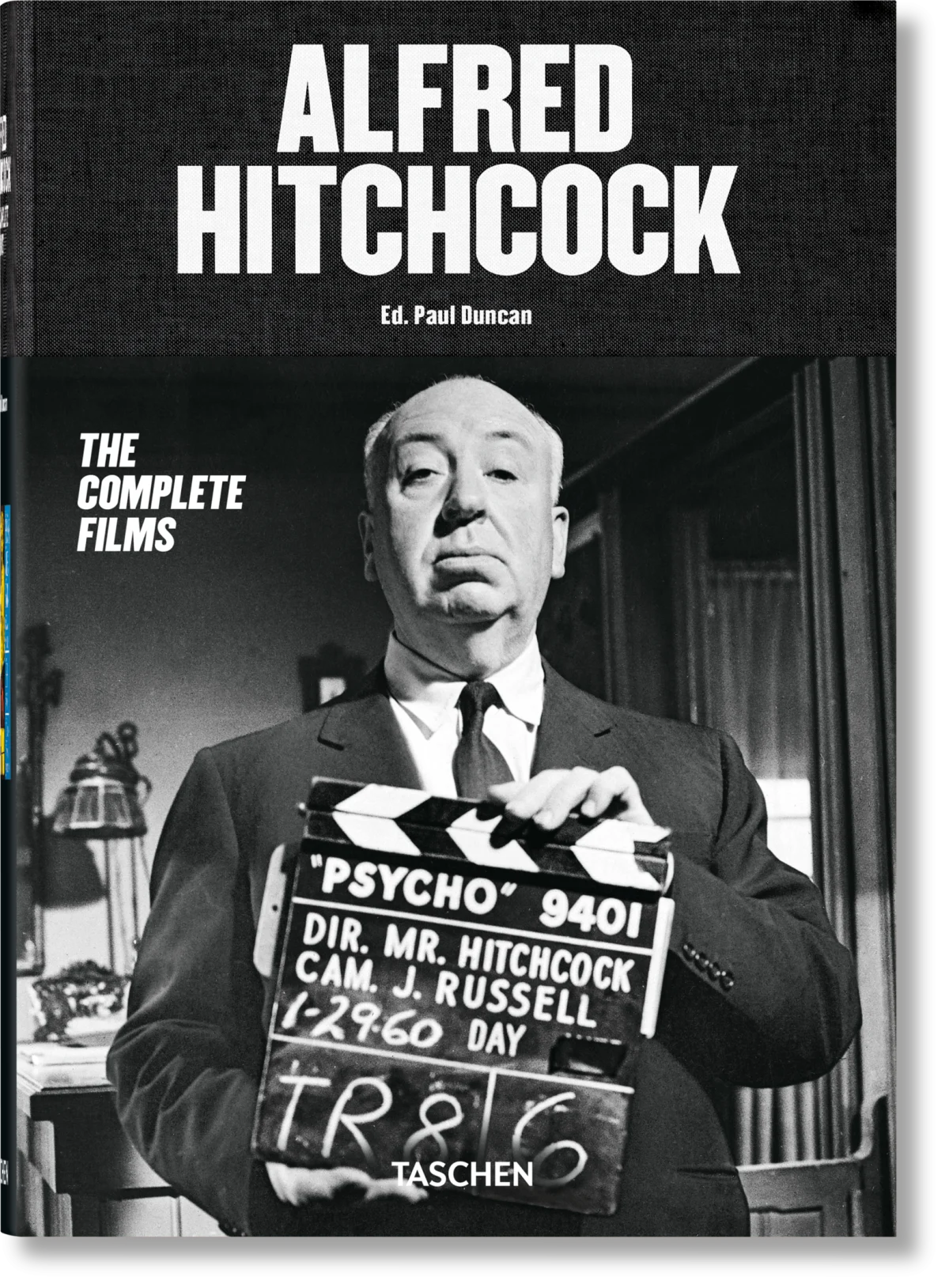
Perhaps the boldest financial gamble of Hitchcock’s career occurred during the production of Psycho in 1960. Paramount Pictures rejected the project outright, deeming the source material too gruesome and controversial, while offering a minimal budget. Refusing to compromise his artistic vision, Hitchcock bypassed standard studio backing entirely. He financed the production independently through Shamley Productions, used his own television crew, and took out personal loans, even deferring his usual directorial salary in exchange for a massive 60% ownership stake in the film's negative and physical assets.
The gamble yielded unprecedented financial returns. Produced on a lean budget of approximately $800,000, Psycho became a global cultural phenomenon, grossing over $50 million during its initial theatrical run alone. Because Hitchcock owned the underlying negative and commanded the majority of the backend receipts, the film generated an extraordinary personal payday. This single calculated risk transformed a comfortable millionaire into a multimillionaire, proving that absolute creative control could translate directly into unmatched financial rewards.
Real Estate Holdings and Personal Investments
Beyond film negatives and television royalties, Hitchcock’s net worth was anchored by high-value real estate holdings in California and England. Alongside his wife and lifelong collaborator, Alma Reville, Hitchcock maintained a primary residence in Bel-Air, Los Angeles, a sprawling property that reflected his status as Hollywood royalty. They also owned a picturesque ranch in Santa Cruz County, California, known as heartland retreat acreage, as well as property in England.
These physical assets appreciated significantly during the mid-20th-century Southern California real estate boom. Unlike many of his contemporaries who squandered their earnings on extravagant lifestyles, Hitchcock maintained relatively conservative personal spending habits outside of his appreciation for fine wine, gourmet cuisine, and bespoke tailoring. His estate management prioritized capital preservation, ensuring that the liquid cash generated by his cinematic ventures was funneled into stable, appreciating properties and secure investment portfolios managed by professional financial advisors.
Tax Optimization and Estate Planning Strategies
Navigating extreme wealth in the mid-20th century required sophisticated tax mitigation strategies, particularly for high-earning American residents subject to steep federal income tax brackets that exceeded 90% during the post-World War II era. Hitchcock utilized corporate structures, including Shamley Productions and foreign holding entities, to defer income, manage corporate tax liabilities, and protect his earnings from punitive personal taxation.
By establishing corporate ownership of his film negatives and television assets, Hitchcock could channel revenues through business entities taxed at corporate rates rather than personal income brackets. Following his passing in April 1980, his estate execution involved careful succession planning to provide for Alma Reville and their daughter, Patricia Hitchcock. The structured liquidation of remaining rights and the eventual disposition of his film catalog minimized probate friction, securing a lasting financial legacy for his family heirs.
How Did Hitchcock Negotiate Such Favorable Studio Deals?
Hitchcock negotiated favorable deals by leveraging his proven track record of delivering profitable films on schedule, combined with a willingness to self-finance and walk away from traditional studio control. By the 1950s, studios recognized that his name alone functioned as a primary box-office draw, granting him the leverage required to demand negative ownership and substantial backend percentage points.
What Was the Most Profitable Film of Alfred Hitchcock's Career?
Psycho (1960) was unequivocally the most financially lucrative film of his career. By financing the production independently and securing a 60% equity stake in the film's profits, Hitchcock generated millions in personal revenue from a remarkably low production budget, vastly outperforming the gross payouts of his higher-budget studio pictures.
Did Hitchcock Retain the Rights to All His Motion Pictures?
No, Hitchcock did not retain rights to all of his films. Many of his early British films and several American pictures produced under standard studio contracts, such as Rebecca under David O. Selznick, left him with zero ownership of the underlying negatives. His rights retention strategy became aggressive and comprehensive only during the latter half of his career with Paramount and Universal.
How Much Did the "Five Lost Hitchcocks" Sell For?
The distribution rights for the "Five Lost Hitchcocks"—including Vertigo and Rear Window—were purchased by Universal Pictures from the Hitchcock estate in the early 1980s for a reported figure exceeding $5 million. This transaction restored the classics to public circulation and provided a massive financial windfall to his heirs.
What Lessons Can Modern Filmmakers Learn from Hitchcock’s Finances?
Modern independent filmmakers can learn the critical importance of intellectual property retention, backend equity participation, and multi-platform diversification. Hitchcock proved that creators who maintain ownership of their work capture the long-term compounding value of their creations rather than surrendering all upside to traditional distributors.
Securing Your Financial Legacy Through Intellectual Property
Filmmakers and creative professionals seeking to emulate Alfred Hitchcock’s financial trajectory should prioritize retaining ownership of their master negatives, digital assets, and underlying intellectual property. Rather than accepting flat-fee buyouts, negotiate for backend equity participation, structured profit-sharing waterfalls, and clear geographic or time-limited distribution licenses. Consult qualified entertainment attorneys and financial advisors to establish robust corporate entities that protect assets, optimize tax liabilities, and ensure long-term wealth preservation for future generations.