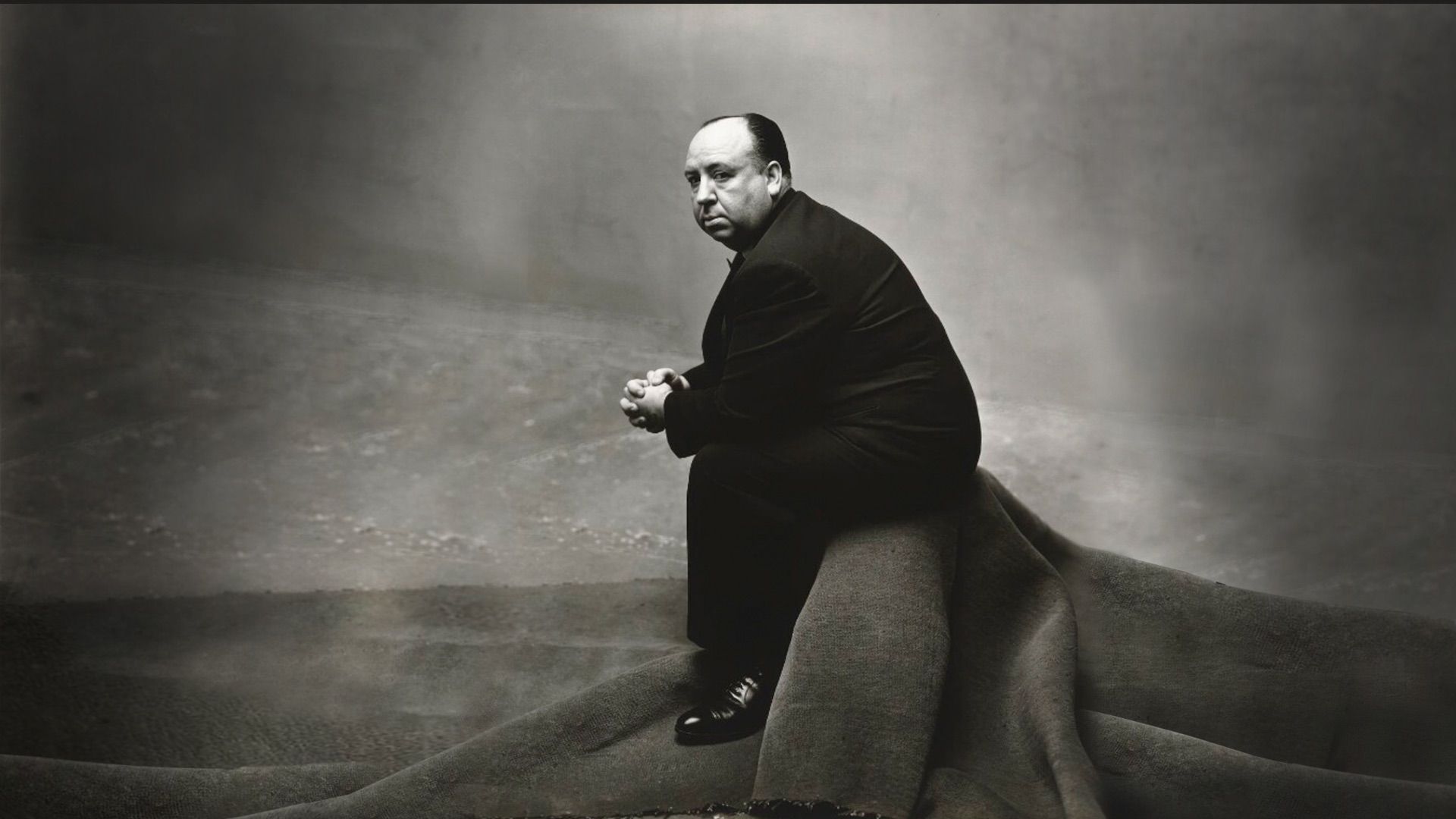
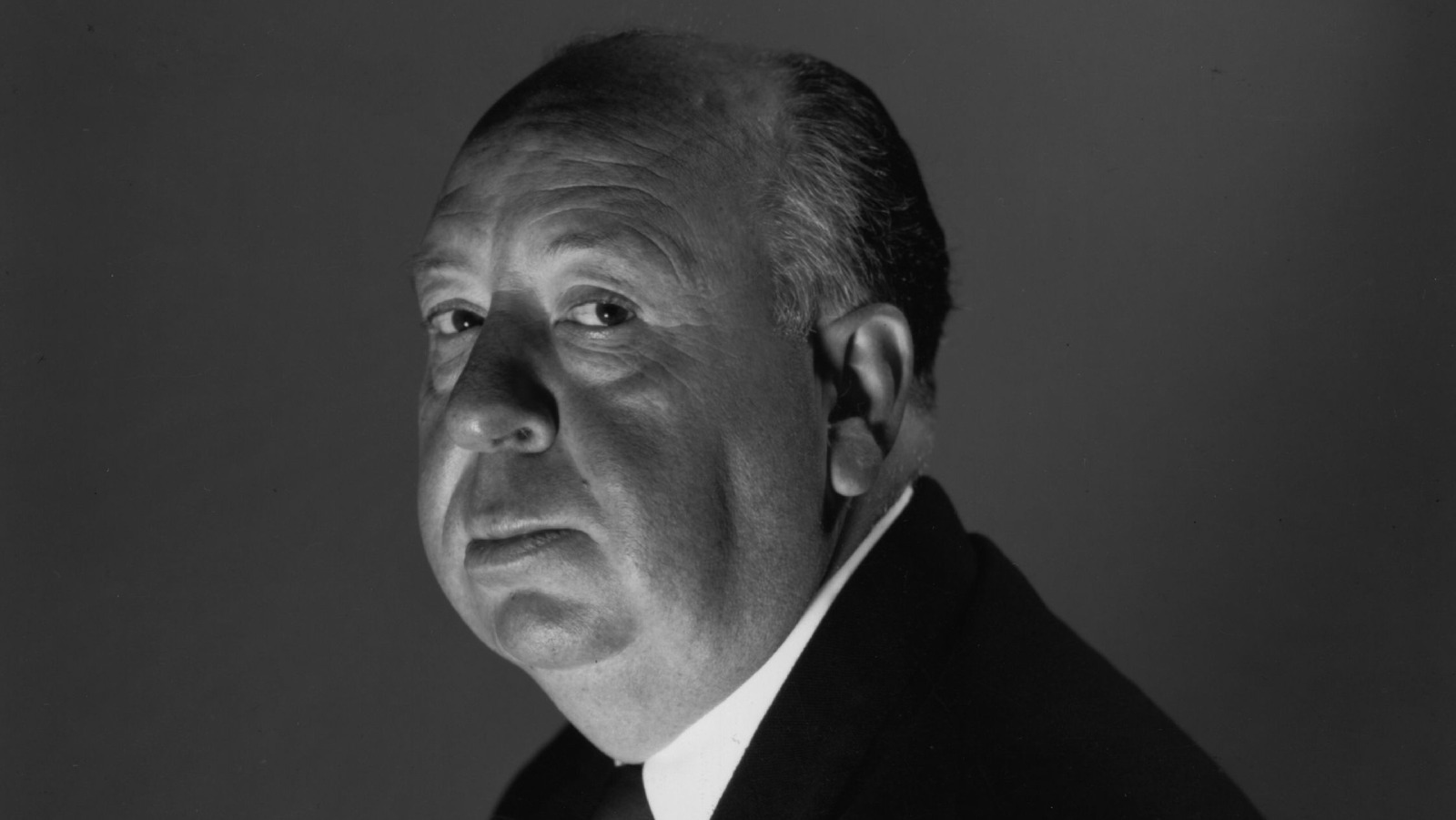
Alfred Hitchcock, the legendary filmmaker known globally as the "Master of Suspense," died on April 29, 1980, at the age of 80, succumbing to a combination of renal failure, heart and respiratory complications, and the advanced cumulative deterioration of his overall physical health.
Throughout a career that spanned more than half a century, Sir Alfred Hitchcock transformed the language of cinema through masterpieces like Psycho, Vertigo, Rear Window, and The Birds. However, by the late 1970s, the physical toll of decades of sedentary work, poor dietary habits, and heavy alcohol consumption caught up with the iconic director. This comprehensive examination looks closely at the medical realities, historical context, and final days surrounding the passing of one of Hollywood's most influential auteurs.
The Physical Decline of a Cinema Legend
By the time Alfred Hitchcock completed his final feature film, Family Plot, in 1976, his robust physical presence had deteriorated significantly. For decades, Hitchcock maintained a notoriously sedentary lifestyle. While his wife, Alma Reville, managed many aspects of their domestic and professional life, Hitchcock's personal habits included a famously heavy diet, a preference for rich foods, and a lifelong penchant for heavy alcohol consumption, particularly wine, brandy, and champagne.
In his later years, these lifestyle factors manifested as severe obesity, which placed an unsustainable burden on his cardiovascular and skeletal systems. Furthermore, Hitchcock suffered from severe arthritis, which limited his mobility and forced him to rely heavily on golf carts or wheelchairs when navigating studio lots. The physical strain was compounded by a failing heart and progressive kidney impairment—conditions that silently undermined his vitality long before they became acute medical crises.
Medical Complications and Final Diagnosis
The immediate medical cause of Alfred Hitchcock's death was kidney failure, medically known as renal failure, which occurred in the context of generalized arteriosclerosis and cardiopulmonary disease. By the spring of 1980, his kidneys could no longer effectively filter waste products from his bloodstream, leading to a buildup of toxins that progressively affected his neurological and organ functions.
Cardiopulmonary complications played an equally decisive role. His heart, weakened by years of chronic strain, hypertension, and advanced age, could no longer maintain adequate cardiac output. Medical professionals attending to him noted that his circulatory system was failing, resulting in insufficient oxygenation of vital organs. Unlike a sudden, catastrophic coronary event, Hitchcock's death was the culmination of chronic, multi-organ system failure. He passed away peacefully in his sleep at his home in Bel Air, California, with his family and close staff nearby.
| Medical Factor | Contributing Condition | Impact on Overall Health |
|---|---|---|
| Renal System | Chronic Renal Failure | Inability to filter metabolic waste, leading to systemic toxicity. |
| Cardiovascular System | Arteriosclerosis & Heart Disease | Weakened cardiac output, poor circulation, and chronic strain. |
| Metabolic Factors | Severe Obesity & Poor Diet | Heightened stress on joints, heart, and metabolic pathways. |
| Musculoskeletal System | Advanced Arthritis | Severe mobility limitations leading to a largely sedentary lifestyle. |
The Impact of Alma Reville's Health on Hitchcock
A critical yet frequently overlooked element of Alfred Hitchcock's final years was his profound emotional and psychological dependence on his wife and closest collaborator, Alma Reville. In December 1979, Alma suffered a severe stroke that required prolonged hospitalization and intensive medical care.
Hitchcock, who was intensely devoted to his wife of over fifty years, experienced profound emotional distress during her illness. Friends and colleagues noted that Alma's stroke deeply shook the director, draining him of his remaining creative energy and fighting spirit. The stress of her medical crisis coincided with the rapid acceleration of his own physical decline, suggesting a strong psychosomatic component to his final months. Fortunately, Alma survived the stroke and recovered sufficiently to return home, but the emotional trauma left an indelible mark on Hitchcock's health.
Refusing Medical Intervention and Hospitalization
As his condition worsened in early 1980, attending physicians urged Hitchcock to check into a hospital for intensive monitoring, dialysis, and specialized geriatric care. However, the director consistently resisted these recommendations. Hitchcock expressed a strong, unwavering desire to remain in his Bel Air home, surrounded by familiar surroundings rather than clinical hospital machinery.
He also declined major invasive surgical interventions or aggressive life-prolonging treatments, recognizing that his body had reached the natural limit of its endurance. This decision aligned with his pragmatic, often dark worldview. Rather than seeking a prolonged, painful struggle against terminal decline, Hitchcock chose comfort and privacy during his final weeks, continuing to receive visits from close friends and industry colleagues until he became too weak to converse.
The Legacy Left Behind by the Master of Suspense
Alfred Hitchcock's death marked the end of an era for Hollywood's Golden Age and the psychological thriller genre. Despite his declining physical health in his final years, his mind remained sharp, and he was actively planning a new spy thriller titled The Short Night at the time of his passing. The project was eventually abandoned when his health precluded production.
| Milestone / Event | Date / Year | Significance |
|---|---|---|
| Birth | August 13, 1899 | Born in Leytonstone, Essex, England. |
| Directorial Debut | 1925 | Released his first completed silent film, The Pleasure Garden. |
| Hollywood Move | 1939 | Relocated to the United States, beginning his classic Hollywood era. |
| Final Film | 1976 | Released Family Plot, his 53rd and final feature film. |
| Passing | April 29, 1980 | Died at age 80 in Bel Air, California. |
Following his death, tributes poured in from international filmmakers, actors, and cultural institutions. In accordance with his wishes, no formal funeral service was held; instead, his body was cremated, and his ashes were scattered into the Pacific Ocean. His cinematic blueprint continues to influence contemporary suspense, horror, and mystery storytelling, ensuring that his artistic legacy outlived the physical ailments that ended his life.
Frequently Asked Questions
What was the official cause of Alfred Hitchcock's death?
Alfred Hitchcock officially died from renal failure complicated by chronic heart disease and arteriosclerosis. These conditions resulted from multi-organ system failure after decades of living with severe obesity and declining physical health.
How old was Alfred Hitchcock when he died?
Alfred Hitchcock was 80 years old when he passed away on April 29, 1980. He was born on August 13, 1899, in London, England.
Did Alfred Hitchcock die in a hospital?
No, Alfred Hitchcock died at his home in Bel Air, California. Despite medical advice to check into a hospital for intensive treatment during his final decline, he chose to remain at home.
Was Alfred Hitchcock working on a film when he died?
Yes, Hitchcock was in the pre-production phase of a spy thriller titled The Short Night when failing health forced him to abandon the project. His final completed film was Family Plot in 1976.
How did Alma Reville's health affect Alfred Hitchcock?
Alma Reville suffered a severe stroke in late 1979. The emotional distress of his wife's medical crisis deeply affected Hitchcock, accelerating his own physical and psychological decline during his final months.