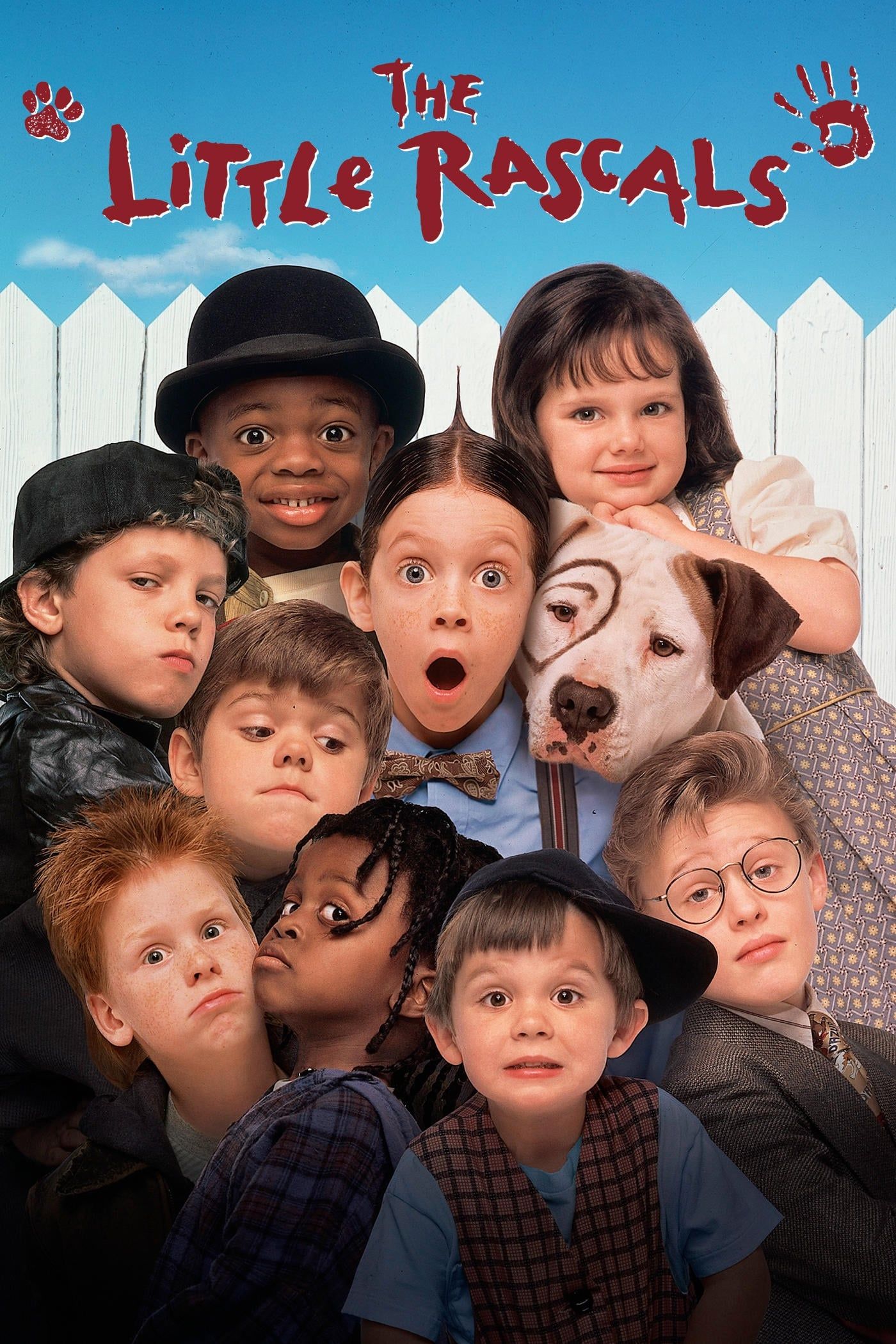
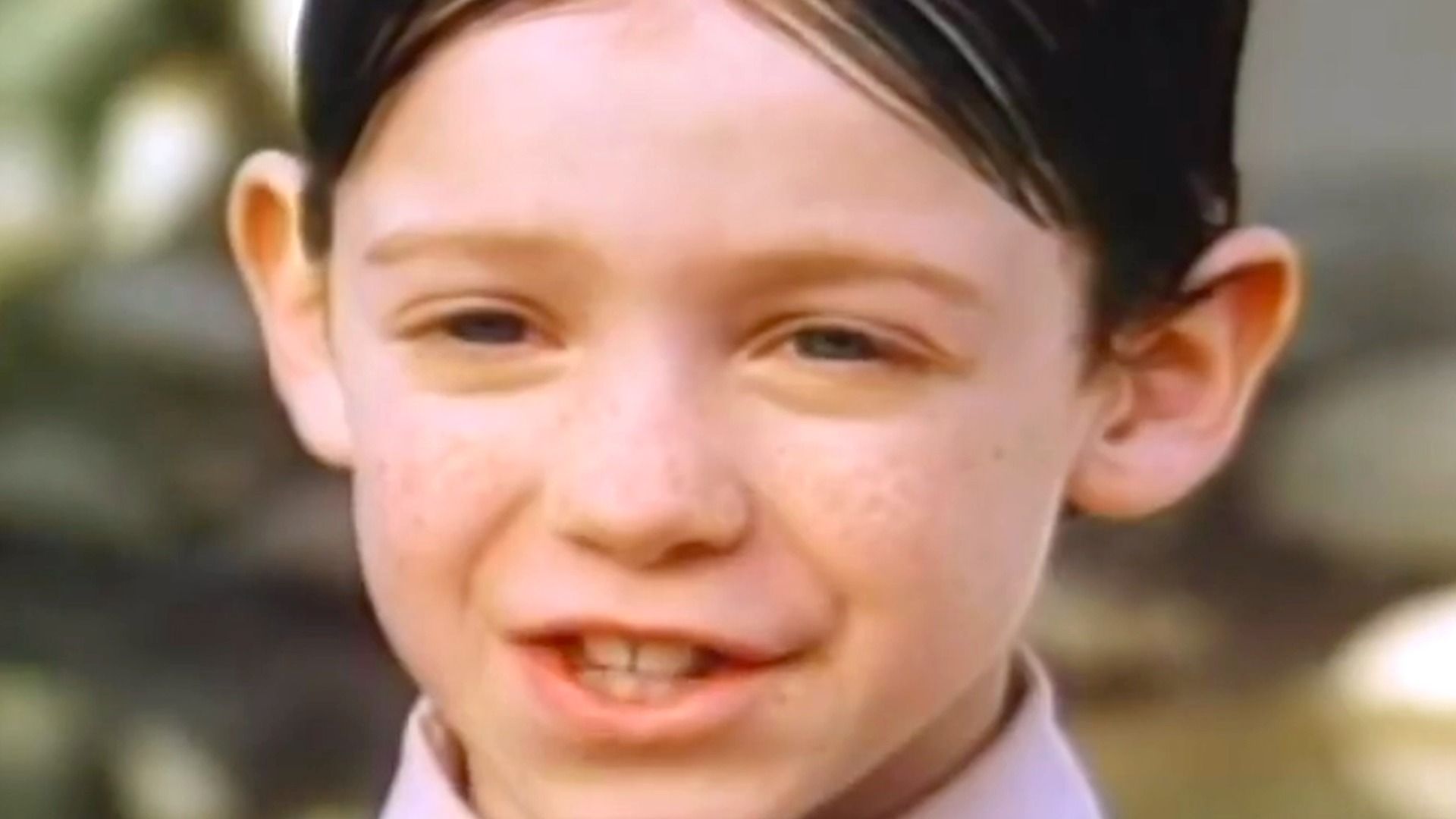
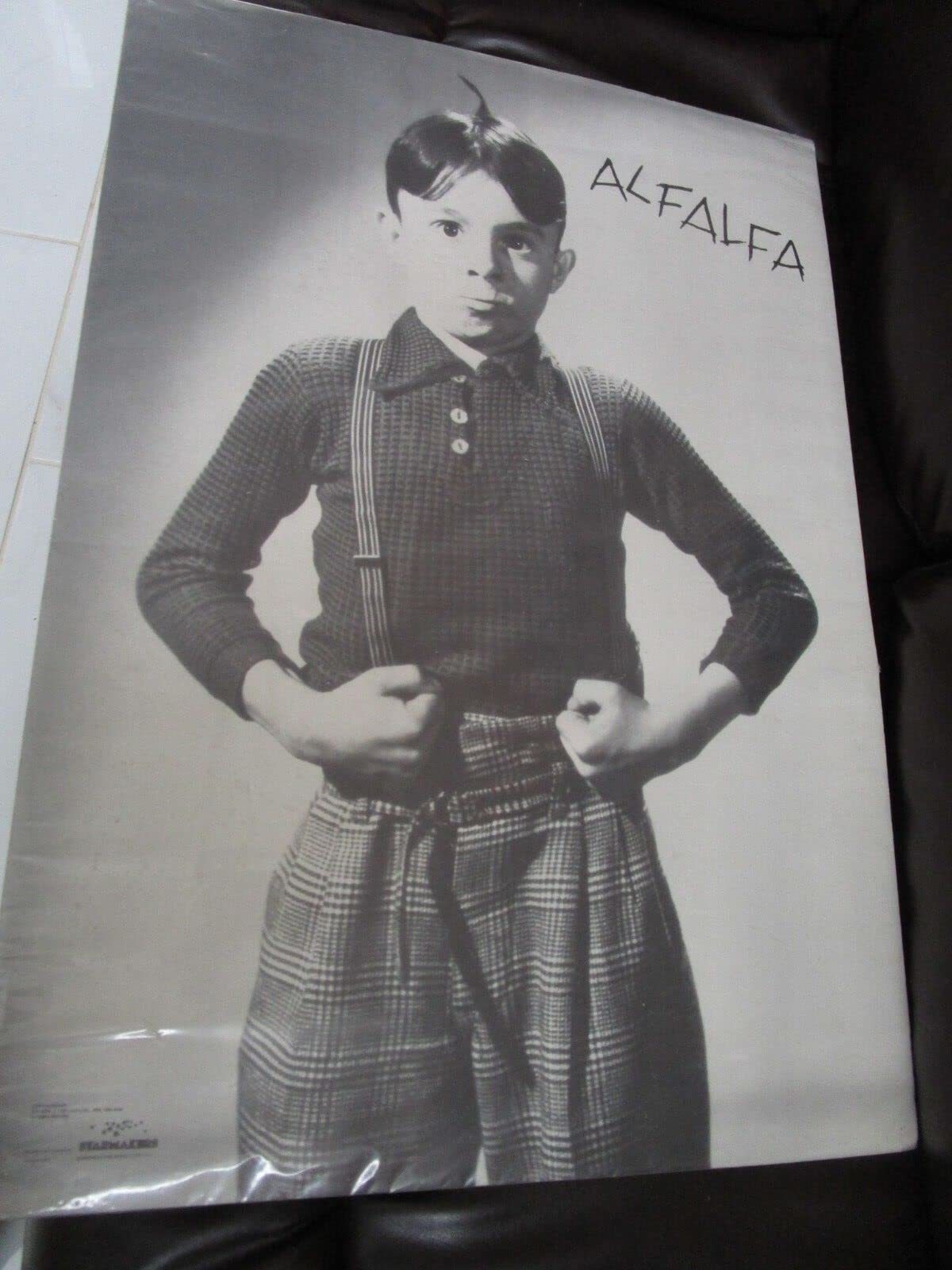
Carl Switzer, globally immortalized as Alfalfa in Hal Roach’s iconic Our Gang (later syndicated and widely beloved as The Little Rascals) comedy shorts, remains one of the most recognizable and paradoxical child stars in cinema history. His cowlick, operatic vocal stylings, and distinct blend of mischief and earnestness defined an era of classic Hollywood comedy. This ultimate fan guide explores Alfalfa's cinematic origins, his complex off-screen journey, the mechanics of the Our Gang production era, and his lasting legacy in entertainment history.
The Origins of Hal Roach's Our Gang and Carl Switzer
The cinematic universe that birthed Alfalfa originated in 1922 when producer Hal Roach and director Robert F. McGowan launched Our Gang. Unlike traditional scripted comedies that cast precocious, perfectly polished child actors, Roach sought naturalism. He cast ordinary neighborhood children who behaved like authentic kids—playing dirt lot baseball, getting into arguments, and pulling elaborate pranks. This revolutionary ensemble format allowed dynamic character archetypes to emerge organically over two decades of production.
Carl Switzer entered this cinematic landscape under remarkably colorful circumstances in 1934. Born in Paris, Illinois, in 1927, Carl and his older brother Harold possessed a natural flair for impromptu musical performance. While visiting family in Los Angeles during the summer of 1934, the young brothers wandered into the Hal Roach Studios unannounced. Unfazed by studio security, they tracked down the commissary and began spontaneously performing musical numbers.
Hal Roach, famously amused by their raw audacity and undeniable vocal talent, signed both boys on the spot. Harold became known as "Slim," while Carl was quickly christened "Alfalfa." This serendipitous arrival bypassed the traditional casting agency route and immediately introduced a disruptive, high-energy presence into the existing Roach ensemble.
Anatomy of an Icon: Character Development and On-Screen Persona
Alfalfa's character revolutionized the Our Gang dynamic by introducing a distinct archetype: the romantically obsessive, overly ambitious, yet perpetually snake-bitten young suitor. His signature physical trait—a stubborn cowlick that stood straight up from the center of his forehead no matter how much pomade, water, or mechanical restraint was applied—became a visual icon of mid-20th-century pop culture.
Musically, Alfalfa was famous for his hilariously off-key, nasal singing voice. While Carl Switzer actually possessed a capable singing voice in real life, director Robert F. McGowan instructed him to deliberately warble off-pitch for comedic effect. This performance choice created some of the most memorable sequences in short subject history, particularly when Alfalfa serenaded his sweetheart Darla Hood with earnest, tuneless devotion.
Key Characteristics of the Alfalfa Persona
- The Immovable Cowlick: A literal hair-raising manifestation of youthful rebellion against grooming and authority.
- Earnest Romanticism: Unwavering devotion to Darla Hood, often complicated by rivalries with other gang members like Spanky McFarland.
- Scheming Ambition: Frequently dragging Buckwheat, Porky, or Spanky into half-baked business ventures or elaborate theatrical productions that invariably collapse into chaos.
- The Dissonant Serenade: Combining high-register operatic pretensions with flat vocal execution.
The Production Era: Behind the Scenes with the Rascals
Working at the Hal Roach Studios during the Golden Age of Hollywood was a rigorous experience for the child actors. While studio publicists painted a picture of an endless playground, the reality involved strict school hours mandated by California labor laws, long rehearsal periods, and physically demanding physical comedy stunts.
Director Robert F. McGowan was known for demanding absolute realism from his young cast. Rather than relying on traditional acting schools, McGowan often utilized psychological prodding or surprise to evoke genuine emotional reactions, whether it was tears, anger, or utter astonishment. Alfalfa, possessing a famously mischievous and high-spirited temperament off-screen, frequently tested the patience of directors and crew members. Numerous historical anecdotes from surviving cast members describe Switzer as an inveterate practical joker who hid frogs in crew members' lunchboxes and instigated minor on-set mutinies.
Despite these behind-the-scenes antics, Switzer’s professional output was prodigious. Between 1935 and 1940, he appeared in nearly 100 Our Gang short subjects, anchoring the transition of the series from silent-era aesthetics into sophisticated sound comedy.
Comprehensive Filmography and Era Comparison
To understand Alfalfa's tenure within Our Gang, it helps to examine how the cast evolved across different studio periods, shifting management structures, and changing comedic sensibilities.
| Era / Period | Studio Distributor | Key Cast Members | Defining Alfalfa Short Subjects |
|---|---|---|---|
| Silent Era (1922–1929) | Pathé Exchange | Farina, Joe, Jackie Condon, Mickey Daniels | None (Pre-Alfalfa foundational era) |
| Early Sound Era (1929–1934) | Metro-Goldwyn-Mayer (MGM) | Spanky, Chubby, Stymie, Dorothy DeBorba | Transition period leading up to Switzer's arrival |
| Classic Roach Era (1934–1938) | Metro-Goldwyn-Mayer (MGM) | Spanky, Alfalfa, Darla, Buckwheat, Porky | The Kid from Borneo (1935), Our Gang Follies of 1938, The Awful Tooth (1938) |
| Later MGM Era (1938–1944) | Metro-Goldwyn-Mayer (MGM) | Spanky, Alfalfa, Froggy, Janet, Darla | Alfalfa's Aunt (1939), Mouse Relief (1937), Practical Jokers (1941) |
Transitioning Beyond Child Stardom: Career Realities and Adult Roles
The transition from child actor to adult performer has historically proved challenging in Hollywood, and Carl Switzer's trajectory exemplifies this difficult journey. Unlike child stars who successfully reinvented themselves as dramatic leads, Switzer faced intense typecasting. Casting directors and audiences struggled to see the mischievous, cowlick-sporting Alfalfa as anything other than the comical kid from the Roach shorts.
As he reached physical maturity, Switzer experienced a significant physical transformation. Standing over six feet tall with a rugged build and reddish hair, he found himself relegated to uncredited bit parts in major motion pictures and minor roles in Western serials. Despite these setbacks, Switzer maintained a steady presence in Hollywood through sheer perseverance and a vast network of industry acquaintances.
Notable Post-Our Gang Film Appearances
- It's a Wonderful Life (1946): Switzer secured a memorable, albeit uncredited, cameo role as Marty Hatch, the quick-witted young man who dances with Mary Bailey (Donna Reed) at the high school prom right before the historic gymnasium floor retracts over the swimming pool.
- The Gas House Kids (1946): A juvenile delinquency comedy series where Switzer played "Woim," allowing him to lean into his natural tough-guy persona.
- State of the Union (1948): Directed by Frank Capra, featuring Switzer in a small background capacity alongside Spencer Tracy and Katharine Hepburn.
- The Defiant Ones (1958): A gritty drama directed by Stanley Kramer where Switzer secured a small, rugged supporting role, signaling a potential shift into more mature character work.
Life Off-Screen: Entrepreneurship, Hunting, and Personal Ventures
Outside of his erratic film career, Switzer cultivated a distinct lifestyle away from the traditional Hollywood studio circuit. He was an avid outdoorsman, professional hunting guide, and dog breeder. Operating primarily out of California and Kansas, Switzer guided hunting expeditions for prominent Hollywood figures, including Roy Rogers, Jimmy Stewart, and Henry Fonda.
He was also notoriously entrepreneurial, dabbling in real estate, bar ownership, and various business ventures. While these enterprises provided financial supplementation during lean acting periods, they also exposed him to financial volatility and complicated social circles. His rugged, independent streak and reluctance to conform to standard Hollywood decorum earned him a reputation as an unpredictable, high-stakes personality who lived life on his own terms.
The Tragic Demise and Lasting Cultural Impact
Carl Switzer’s life was cut short under tragic circumstances on January 21, 1959, at the age of 31, in Mission Hills, California. Following an escalating financial dispute regarding a lost hunting dog and a disputed monetary reward, Switzer was shot and killed during a physical altercation. The incident shocked the entertainment community and brought a premature, violent end to one of cinema's most recognizable childhood faces.
Despite the tragic conclusion of his life, Switzer's cultural imprint remains indelible. Generations of viewers continue to discover The Little Rascals via television syndication, home video releases, and digital streaming platforms. The image of Alfalfa—belt out a tune with his hair standing defiantly on end—remains a universal cultural shorthand for classic childhood mischief, innocence, and unyielding self-confidence.
Frequently Asked Questions About Alfalfa and The Little Rascals
Did Carl Switzer actually sing in character as Alfalfa?
Yes and no. While Carl Switzer possessed a natural musical ear and could sing capably in real life, director Robert F. McGowan specifically instructed him to sing off-key, crack his voice, and exaggerate nasal tones to heighten the comedic absurdity of Alfalfa's musical numbers.
Who was Alfalfa's primary romantic interest in the shorts?
Alfalfa's primary on-screen romantic interest was Darla Hood. Their relationship served as the central narrative driver for dozens of Our Gang shorts, characterized by dramatic lover's quarrels, dramatic reconciliations, and intense rivalries with other neighborhood boys.
What caused Carl Switzer's trademark cowlick to stand up?
The cowlick was entirely natural. Studio hair stylists used various techniques, including heavy pomade, water, and mechanical clips, in futile attempts to press it down, but the hair would inevitably spring back up during takes, eventually becoming his defining physical trademark.
How many Our Gang shorts did Carl Switzer appear in?
Carl Switzer appeared in nearly 100 theatrical short subjects between his debut in 1934 and his departure from the series in 1940, making him one of the most prolific child stars in the history of the franchise.
Where can modern fans watch classic Alfalfa shorts today?
Classic Our Gang and The Little Rascals shorts are widely available across various digital streaming platforms, public domain video archives, and curated physical media collections distributed by major home entertainment companies specializing in classic cinema.
Preserving the Legacy of Classic Comedy
To fully appreciate the genius of Carl Switzer, modern fans should seek out uncut, original prints of Hal Roach's Our Gang shorts rather than heavily edited syndication cuts. Observing Switzer's precise comedic timing, physical bravery during stunt sequences, and vocal dexterity reveals an actor far more talented than simple nostalgia suggests. By separating the tragic circumstances of his adult life from his vibrant cinematic output, contemporary audiences can celebrate the enduring joy, laughter, and timeless anarchy that Alfalfa brought to the silver screen.