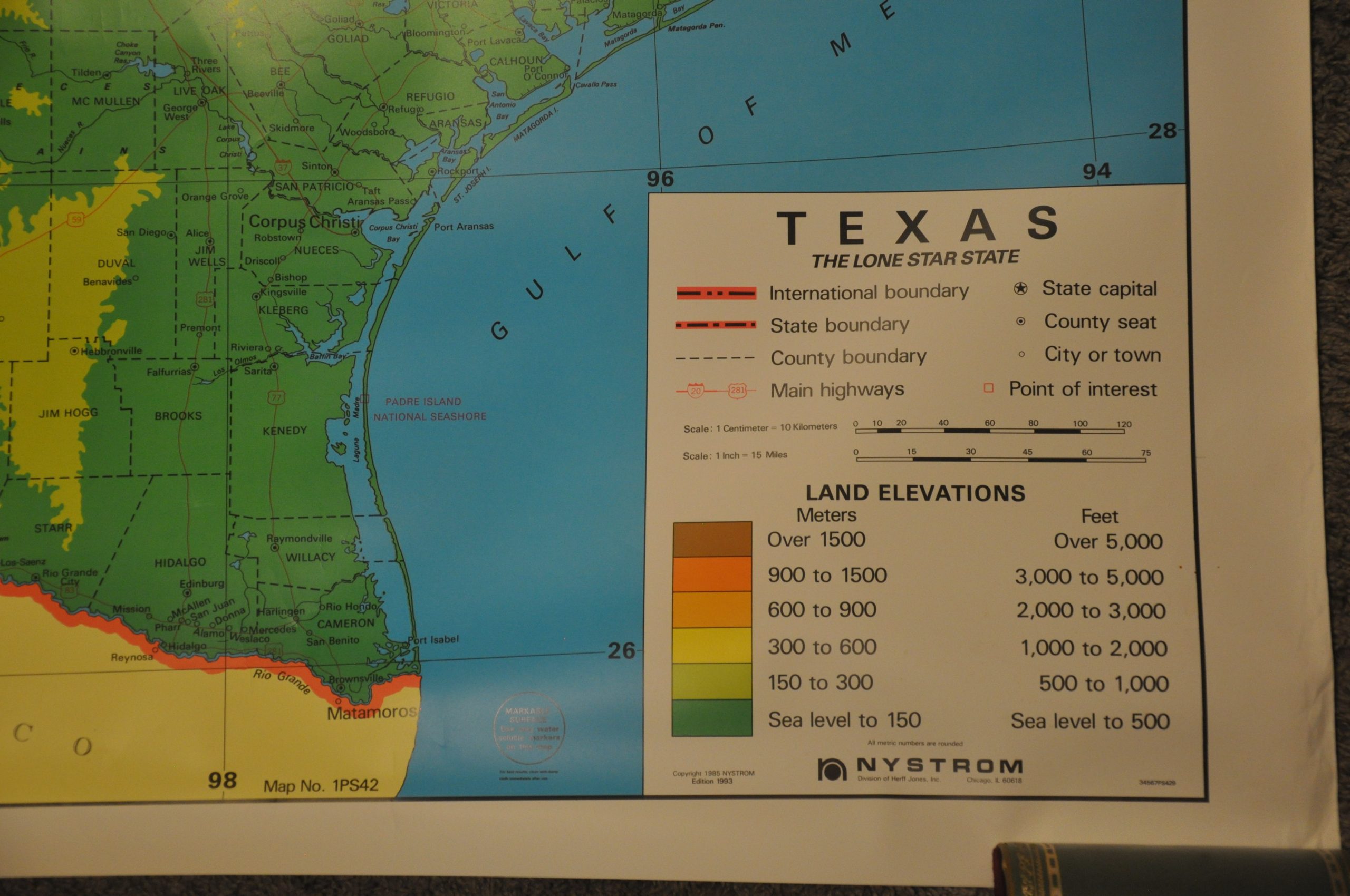
Exploring Texas requires an understanding of its vast geographic scale, cultural diversity, and unique historical legacy that shapes modern life across the region. Spanning over 268,000 square miles, the Lone Star State encompasses distinct economic engines, metropolitan hubs, ecological zones, and regulatory frameworks that influence both residents and visitors alike.
Understanding the Scope of the Lone Star State
Texas stands as the second-largest U.S. state by both area and population, creating a multifaceted environment that defies simple categorization. From the piney woods of East Texas to the arid deserts of the Trans-Pecos, the state features striking geographical diversity that directly impacts local industries, climate patterns, and lifestyle choices. Understanding this expansive territory begins with recognizing its distinct regional divisions, which have evolved significantly through economic shifts, demographic growth, and infrastructural development.
The historical trajectory of Texas—marked by indigenous civilizations, Spanish colonization, Mexican sovereignty, an independent republic period, and eventual U.S. annexation—infused the state with a distinct cultural identity. This heritage remains visible in regional architecture, culinary traditions, legal property frameworks, and civic institutions. Navigating the modern state requires an appreciation of how these historical roots interact with contemporary economic powerhouses like energy extraction, aerospace engineering, biotechnology, and information technology.
Major Metropolitan Centers and Regional Economies
The economic vitality of Texas centers primarily on several major metropolitan areas, each serving as a distinct hub for commerce, culture, and innovation. The Dallas-Fort Worth metroplex functions as a central nexus for telecommunications, finance, transportation logistics, and corporate headquarters. Meanwhile, the Greater Houston area dominates the global energy sector, healthcare via the Texas Medical Center, and international maritime trade through the Port of Houston.
Further south, the Austin-Round Rock corridor has earned global recognition as a premier technology and creative industry cluster, often referred to as Silicon Hills. San Antonio preserves a deep historical identity anchored by military installations, tourism, and biotechnology, while simultaneously experiencing rapid urban expansion. Along the border, cities like El Paso, McAllen, and Brownsville play critical roles in international commerce, cross-border manufacturing, and bilingual cultural exchange, illustrating the diverse economic drivers operating across the territory.
Geographic Diversity and Climate Realities
The sheer size of Texas generates widely contrasting climate zones and ecological landscapes. Eastern regions experience a humid subtropical climate characterized by substantial annual rainfall, dense pine forests, and marshlands. Moving westward, the landscape transitions into rolling plains and fertile agricultural belts before rising into the rugged terrain of the Edwards Plateau and the Texas Hill Country, renowned for its limestone outcroppings, clear-running rivers, and wildflower fields.
In the extreme western and southern portions, the environment shifts to arid and semi-arid desert conditions. The Chihuahuan Desert encompasses vast expanses, high-elevation mountain ranges within Big Bend National Park, and sparse precipitation. This climatic variety mandates careful preparation for residents and travelers, as summer temperatures frequently exceed triple digits in inland and southern sectors, while northern plains occasionally experience severe winter freezes and snow events.
Infrastructure, Transportation, and Logistics
Navigating the vast expanse of Texas relies upon an extensive, highly maintained transportation infrastructure network. The Texas Department of Transportation oversees tens of thousands of miles of state highways, interstates, and rural roadways designed to connect sprawling urban centers with remote agricultural and industrial regions. Major interstate corridors, such as Interstate 35, Interstate 10, and Interstate 45, function as critical commercial lifelines for domestic and international freight movement.
In addition to highway systems, the state maintains a robust aviation network anchored by major international hubs like Dallas/Fort Worth International Airport and George Bush Intercontinental Airport in Houston, alongside numerous regional facilities. Freight and passenger rail networks further support industrial supply chains and urban transit. Understanding these logistics corridors is essential for anyone planning large-scale relocations, business expansions, or extensive travel itineraries throughout the region.
Comparing Key Texas Regions and Characteristics
| Region | Primary Economic Drivers | Dominant Landscape | Major Metropolitan Centers | Climate Characteristics |
|---|---|---|---|---|
| North Texas | Finance, Technology, Logistics, Defense | Rolling Prairies, Lakes | Dallas, Fort Worth, Arlington | Hot summers, mild winters, occasional severe storms |
| Gulf Coast | Energy, Healthcare, Shipping, Petrochemicals | Coastal Marshes, Plains | Houston, Galveston, Beaumont | Humid subtropical, high precipitation, hurricane exposure |
| Central Texas | Technology, Education, Government, Tourism | Limestone Hills, Rivers | Austin, San Antonio, Waco | Hot summers, dry periods, mild winters |
| West Texas | Agriculture, Oil and Gas, Renewable Energy | Deserts, Mountain Ranges | El Paso, Midland, Odessa | Arid, high diurnal temperature variation, low rainfall |
| South Texas | International Trade, Agriculture, Military | Brush Country, Plains | Corpus Christi, McAllen, Brownsville | Subtropical, warm winters, dry conditions |
Legal, Regulatory, and Civic Frameworks
Texas operates under a distinct legal framework rooted in its history as an independent republic and its unique adoption of Spanish civil law principles, particularly regarding property ownership and marital assets. The state constitution establishes a part-time legislature that convenes biennially in odd-numbered years, maintaining a tradition of limited government intervention, particularly regarding state-level individual income taxation. This tax structure has historically served as a major incentive for corporate relocations and individual migration into the state.
Local governance structures vary widely, encompassing home-rule municipalities, general-law cities, and numerous special-purpose districts that manage water, education, and public utilities. Individuals relocating to or operating within the state must familiarize themselves with specific regulatory requirements concerning property taxes, business entity registration, environmental compliance, and state-specific licensing boards. Consulting official state resources, such as the Texas Secretary of State portal, ensures accurate compliance with current statutes and administrative codes.
Frequently Asked Questions
What are the primary economic industries driving the Texas economy?
The Texas economy is heavily diversified, anchored by traditional sectors such as crude oil and natural gas production, agriculture, and cattle ranching. Modern expansion has significantly bolstered advanced technology, aerospace engineering, biotechnology, renewable energy development, healthcare, and international trade and logistics.
Does Texas collect a state personal income tax?
No, Texas does not levy a personal state income tax. State and local government operations are funded primarily through a combination of sales taxes, property taxes, severance taxes on oil and gas production, and various fees and federal allocations.
What is the climate like across the different regions of Texas?
The climate varies dramatically due to the state's geographic size. Eastern regions are humid and subtropical with high rainfall, central and northern areas experience hot summers and moderate winters with severe weather risks, and western regions feature arid desert climates with minimal annual precipitation.
How does the Texas property tax system operate?
Texas relies heavily on local property taxes assessed by county appraisal districts to fund public education, county services, and municipal infrastructure. Property valuations are conducted annually, and tax rates are set independently by local taxing entities such as school boards and city councils.
What transportation options are available for traveling across the state?
Travelers and residents utilize an extensive highway and interstate system, multiple major international airports with global connections, freight and limited passenger rail networks, and deep-water ports along the Gulf Coast for maritime and commercial transit.
Strategic Next Steps for Navigating Texas
For individuals, researchers, and professionals preparing to engage with the Lone Star State, the most effective approach begins with defining specific regional and operational objectives. Whether evaluating commercial real estate in the Dallas-Fort Worth metroplex, analyzing regulatory compliance for an energy venture in Houston, or planning logistical routes across the state, verifying details through official municipal and state portals is essential. Reviewing local economic development council publications, state demographic reports, and regional transit updates will ensure informed decision-making and successful navigation of the Texas landscape.