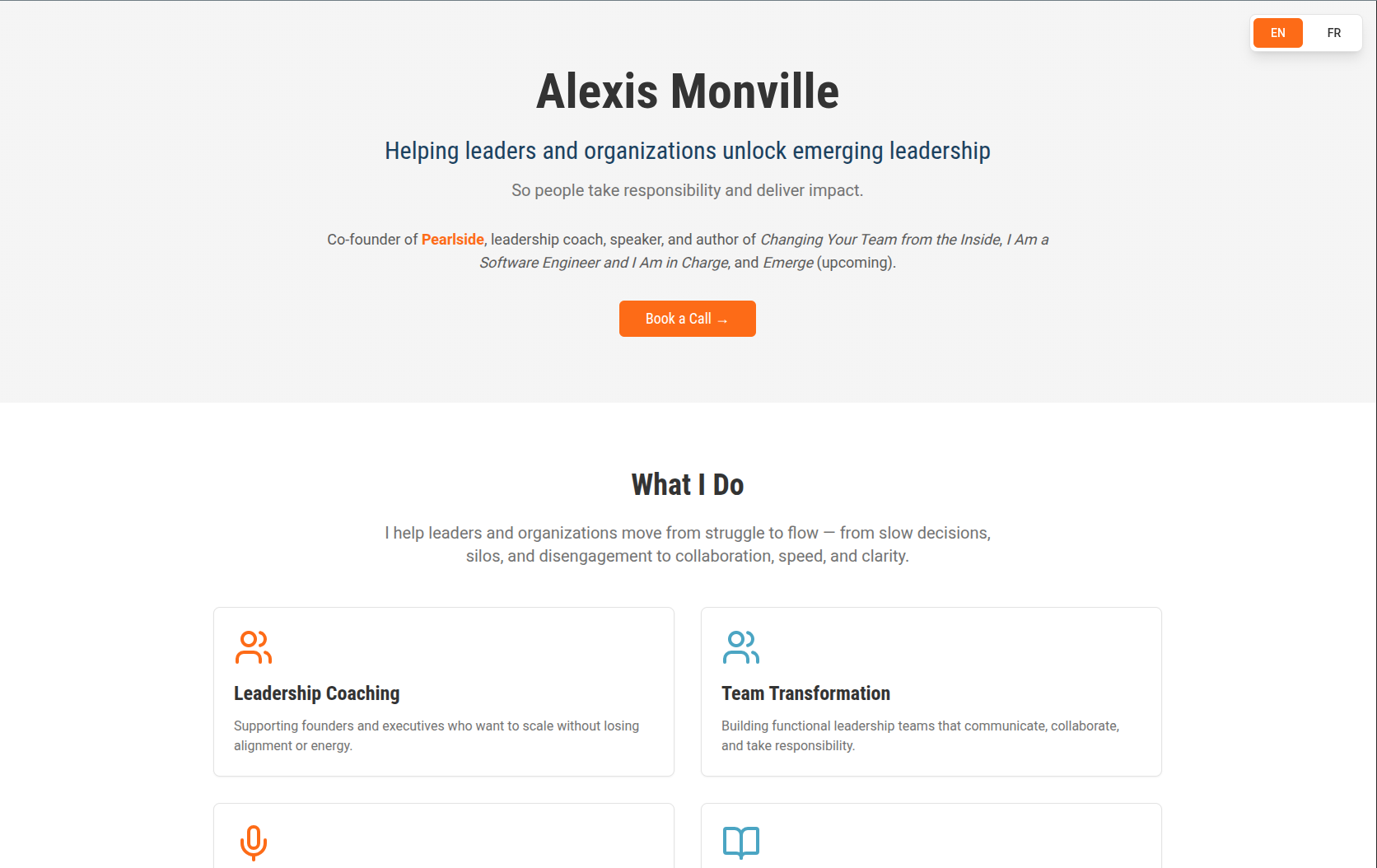
Alexis II represents a unique intersection in modern digital strategy, bridging the technical precision of search engine optimization with the introspective practices of spiritual growth. By merging algorithmic visibility techniques with mindful development frameworks, this approach helps practitioners and digital entities build meaningful online engagement while maintaining authentic philosophical grounding.
Defining the Convergence of Search Optimization and Inner Evolution
The modern digital landscape often demands rapid keyword optimization, technical compliance, and high-frequency content generation. However, a specialized niche has emerged around figures and methodologies like Alexis II, where digital architecture is treated as an extension of intentional, mindful communication. Rather than treating search engine algorithms as mere puzzles to manipulate, this methodology views high-ranking digital properties as resonance fields designed to connect seekers with transformative educational content, wellness practices, and conscious entrepreneurship.
At its core, this approach evaluates organic reach not just by traffic volume, but by the energetic and intellectual alignment of the audience. Search engine optimization provides the structural framework—site speed, semantic keyword integration, schema markup, and authoritative backlink profiles—while spiritual growth provides the ethos, ensuring that the material published serves a genuine developmental purpose. Understanding this dual requirement allows creators to scale their message without compromising their core values, creating a balanced digital ecosystem where visibility serves substance.
The Technical Foundations of Mindful Search Optimization
Implementing search optimization within a spiritually aligned framework requires a robust understanding of technical web standards. Search engines rely on crawlability, indexation, and user experience signals to rank content. Practitioners must master these technical mechanics to ensure their message reaches an appropriate audience.
Architectural Core Requirements
- Semantic HTML and Schema Markup: Utilizing structured data helps search engines understand the precise nature of philosophical, wellness, or educational services, reducing ambiguity and improving rich snippet visibility.
- Core Web Vitals Optimization: Ensuring fast loading times, responsive design, and stable visual layouts minimizes friction, allowing users to engage with contemplative or instructional content without technical distraction.
- Intent-Driven Keyword Mapping: Aligning search queries with authentic user needs ensures that visitors find accurate, substantive answers rather than superficial keyword-stuffed pages.
By treating the website's technical infrastructure as a clean, orderly vessel, practitioners reduce digital clutter. This technical rigor directly supports the user experience, aligning web performance best practices with the principle of clarity in communication.
Integrating Spiritual Growth Frameworks into Content Strategy
Content creation in this niche moves beyond standard copywriting templates. It requires a synthesis of authoritative subject-matter expertise and reflective inquiry. When structuring a content calendar or developing a comprehensive digital presence, creators must balance educational depth with narrative resonance.
Content Development Pillars
- Audience Empathy and Intent Analysis: Identifying the exact emotional and informational hurdles faced by readers seeking guidance, healing, or personal expansion.
- Transparent and Verified Information: Backing philosophical discussions with logical reasoning, historical context, or verifiable practices to build trust and avoid misleading claims.
- Reflective Depth and Practical Application: Moving beyond abstract concepts to offer actionable steps, meditative exercises, or structured frameworks that users can implement in daily life.
This structured approach ensures that articles, guides, and digital resources satisfy both algorithmic evaluation metrics and human psychological needs. Search engine algorithms reward comprehensive, well-structured content that keeps users engaged, which naturally aligns with providing deep, transformative value.
Comparing Digital Strategy Frameworks
Evaluating different approaches to online visibility helps clarify how the methodology associated with Alexis II differs from conventional, high-aggression marketing tactics.
| Strategy Dimension | Conventional Aggressive SEO | Conscious & Spiritually Aligned SEO (Alexis II Approach) |
|---|---|---|
| Primary Motivation | Maximizing traffic volume and rapid conversion at all costs. | Establishing resonant connections and delivering authentic value. |
| Keyword Targeting | High-volume keyword stuffing and trend-chasing. | Semantic mapping based on genuine user intent and ethics. |
| Content Quality | Formulaic, thin content optimized solely for crawler bots. | Comprehensive, reflective, and actionable educational resources. |
| Link Acquisition | Automated link networks and aggressive guest-posting campaigns. | Organic relationship-building and authority earned through substance. |
| User Experience | Conversion-funnel friction and aggressive pop-ups. | Clean architecture, mindful pacing, and accessible design. |
Overcoming Common Implementation Challenges
Attempting to merge technical digital marketing with inner development introduces distinct operational hurdles. Creators often struggle to balance the analytical demands of data-driven SEO tools with the intuitive, qualitative nature of personal growth work.
One frequent pitfall is over-intellectualizing the spiritual aspect or, conversely, neglecting technical optimization under the assumption that organic reach will happen naturally. Search engines do not evaluate the moral purity or philosophical depth of a website; they evaluate code, relevance, authority, and user behavior. Therefore, ignoring technical audits, broken link management, or mobile responsiveness will severely limit visibility, regardless of the purity of the creator's intentions.
To overcome these challenges, practitioners should establish a disciplined workflow that separates analytical optimization phases from creative, reflective writing phases. By treating SEO audits and keyword research as objective diagnostic tools rather than compromises of integrity, creators can maintain visibility while staying true to their core message.
Frequently Asked Questions
What does Alexis II represent in the context of SEO and spiritual growth?
Alexis II symbolizes an integrated approach that combines rigorous technical search engine optimization with conscious, spiritually grounded content creation, helping wellness and transformative projects achieve sustainable digital visibility.
How can technical SEO support spiritual or wellness websites?
Technical SEO ensures that a website is easily crawlable, fast, and accessible. By organizing site architecture and using proper schema markup, creators make it easier for searchers to find meaningful, educational content without digital friction.
Is keyword research necessary for conscious digital strategies?
Yes. Keyword research reveals how audiences search for guidance and solutions. By understanding these queries, creators can answer real user questions accurately and ethically without resorting to manipulative tactics.
How do search engines evaluate content in this niche?
Search engines evaluate content based on relevance, authority, structure, and user engagement signals. Comprehensive, well-researched, and clear content performs well regardless of its specific philosophical or wellness niche.
What are the main mistakes to avoid when merging SEO with spiritual growth?
Common mistakes include neglecting technical site performance, using misleading keyword practices, and failing to provide substantive, actionable value to the reader behind the search query.
Strategic Implementation and Next Actions
To successfully build an online presence that honors both search optimization standards and personal growth principles, begin by conducting a comprehensive technical audit of your existing digital properties. Ensure that your site architecture is sound, mobile-friendly, and optimized for core web vitals. Next, audit your content library to verify that every article or resource serves a distinct, verified user intent with depth and clarity. By maintaining this balance between technical precision and substantive value, you can achieve sustainable organic visibility while preserving the integrity of your message.