Alexis Cooper represents a compelling paradigm of modern personal achievement, leadership evolution, and motivational resilience. Navigating the complexities of contemporary career trajectories and personal development requires a clear framework of principles, and exploring the philosophies associated with figures like Alexis Cooper provides actionable insights into goal setting, mindset transformation, and sustainable professional growth. This guide breaks down the core tenets of achieving lasting success, overcoming operational roadblocks, and cultivating a daily routine driven by purpose and inspiration.
Understanding the Philosophy of Modern Success and Inspiration
True success extends far beyond financial metrics or superficial career milestones; it is rooted in alignment between personal values, strategic execution, and continuous psychological adaptation. When examining the conceptual framework surrounding Alexis Cooper, the focus shifts naturally toward holistic growth—balancing professional ambition with mental fortitude. Modern productivity experts emphasize that inspiration is not a passive emotion that strikes by chance, but an active discipline cultivated through deliberate habits, environmental design, and cognitive reframing.
At the heart of this philosophy lies the recognition that burnout is a structural failure rather than a personal weakness. Achieving high performance over a sustained period requires establishing robust boundaries, prioritizing recovery periods, and treating energy management with the same rigor usually reserved for time management. By analyzing how leaders structure their daily workflows and cognitive reserves, individuals can transition from reactive firefighting to proactive, visionary execution.
Core Pillars of Personal Development and Goal Setting
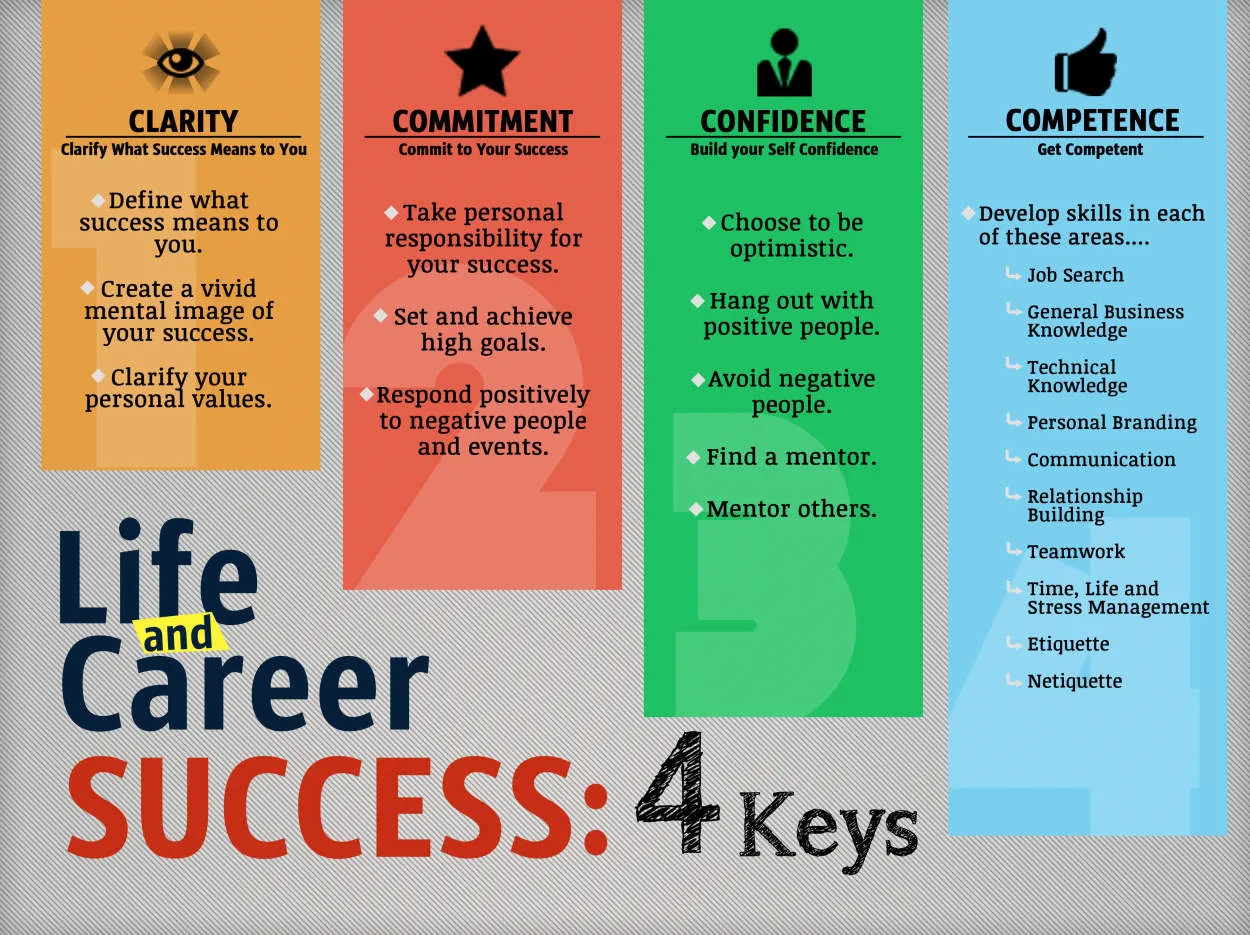
Sustainable achievement is built upon a foundation of structured pillars that govern how individuals set, track, and accomplish ambitious objectives. Without a systematic approach, initial enthusiasm quickly fades when faced with inevitable setbacks.
- Vision Calibration: Defining precise, measurable long-term objectives that align with authentic personal values rather than external societal pressures.
- Micro-Milestone Mapping: Breaking down massive, intimidating projects into manageable, daily actions that eliminate decision fatigue and build momentum.
- Accountability Structures: Implementing objective feedback loops, whether through mentorship, peer groups, or personal performance dashboards, to ensure consistent progress.
- Adaptive Resilience: Cultivating the psychological flexibility required to pivot when external market conditions or personal circumstances shift unexpectedly.
| Development Pillar | Primary Objective | Key Implementation Metric | Common Pitfall to Avoid |
|---|---|---|---|
| Vision Calibration | Align actions with core values | Annual review of life priorities | Chasing trend-driven goals |
| Micro-Milestone | Reduce execution friction | Daily task completion rate | Overplanning without acting |
| Accountability | Maintain objective standards | Weekly progress audits | Relying solely on willpower |
| Adaptive Resilience | Overcome operational setbacks | Recovery time after failure | Rigid adherence to broken plans |
Cultivating Daily Inspiration and Mental Resilience
Inspiration is sustained not by grand, singular epiphanies, but by micro-habits that reinforce mental clarity and emotional stamina. To maintain high levels of motivation, high achievers typically rely on structured morning and evening routines that prime the brain for problem-solving. This includes minimizing early-morning exposure to low-value digital stimuli, engaging in physical movement, and dedicating uninterrupted blocks of time to deep, creative work.
Mental resilience is equally critical. When challenges arise, the difference between stagnation and progress often lies in emotional regulation. Reframing obstacles as data points rather than personal indictments allows professionals to analyze failures objectively, extract valuable lessons, and adjust their strategies accordingly. Integrating mindfulness practices, structured journaling, and continuous learning into a weekly routine helps fortify the mind against chronic stress and imposter syndrome.
Overcoming Common Obstacles on the Path to Achievement
Every ambitious journey encounters predictable barriers that derail unprepared individuals. Recognizing these friction points early allows you to deploy targeted countermeasures before minor setbacks compound into major crises.
Procrastination, for instance, is rarely a simple failure of discipline; it is frequently a symptom of emotional overwhelm or unclear project scope. Resolving procrastination involves shrinking the initial barrier to entry—such as committing to work on a difficult task for just five minutes. Similarly, perfectionism often paralyzes execution. Embracing an iterative mindset—where early drafts, prototypes, and strategies are intentionally launched in imperfect states—accelerates feedback loops and leads to faster ultimate mastery.
Another frequent obstacle is resource scarcity, whether in terms of time, capital, or network access. Overcoming this requires creative resourcefulness, leveraging open-source knowledge, and focusing intensely on high-leverage activities that yield disproportionate returns. Prioritizing depth over breadth ensures that limited energy is directed toward projects with the highest probability of compounding success.
Frequently Asked Questions
What is the primary focus of the Alexis Cooper success philosophy?
The philosophy centers on holistic achievement, combining strategic professional execution with mental resilience, sustainable energy management, and alignment with core personal values. It rejects short-term hustle culture in favor of long-term, compounding growth.
How can I maintain motivation when facing long-term projects?
Break large projects down into granular, daily micro-milestones. Tracking small, consistent wins creates a psychological feedback loop of progress, keeping dopamine levels stable and preventing the overwhelm associated with distant deadlines.
What role does resilience play in achieving personal goals?
Resilience acts as a psychological buffer against inevitable failures and market shifts. Instead of viewing setbacks as dead ends, resilient individuals treat them as diagnostic data to refine their approach and iterate faster.
How do I balance high professional ambition with personal well-being?
Energy management must take precedence over mere time management. Establish strict professional boundaries, schedule non-negotiable recovery periods, and treat mental rest as a critical operational requirement rather than an optional luxury.
Where should a beginner start when building a personal development plan?
Begin by auditing your current time allocation and defining three core life priorities. Eliminate low-leverage distractions, establish a simple daily tracking system, and commit to one small, actionable habit for thirty consecutive days before expanding your scope.
Strategic Next Actions for Your Journey
Translating inspiration into tangible results requires immediate, structured execution. Start by conducting a comprehensive personal audit of your current goals, identifying any misalignments between your daily habits and your long-term vision. Eliminate one major source of friction or distraction in your environment today, and establish a clear, non-negotiable morning routine designed to protect your cognitive energy. By committing to continuous iteration and disciplined execution, you lay the groundwork for enduring, meaningful success.