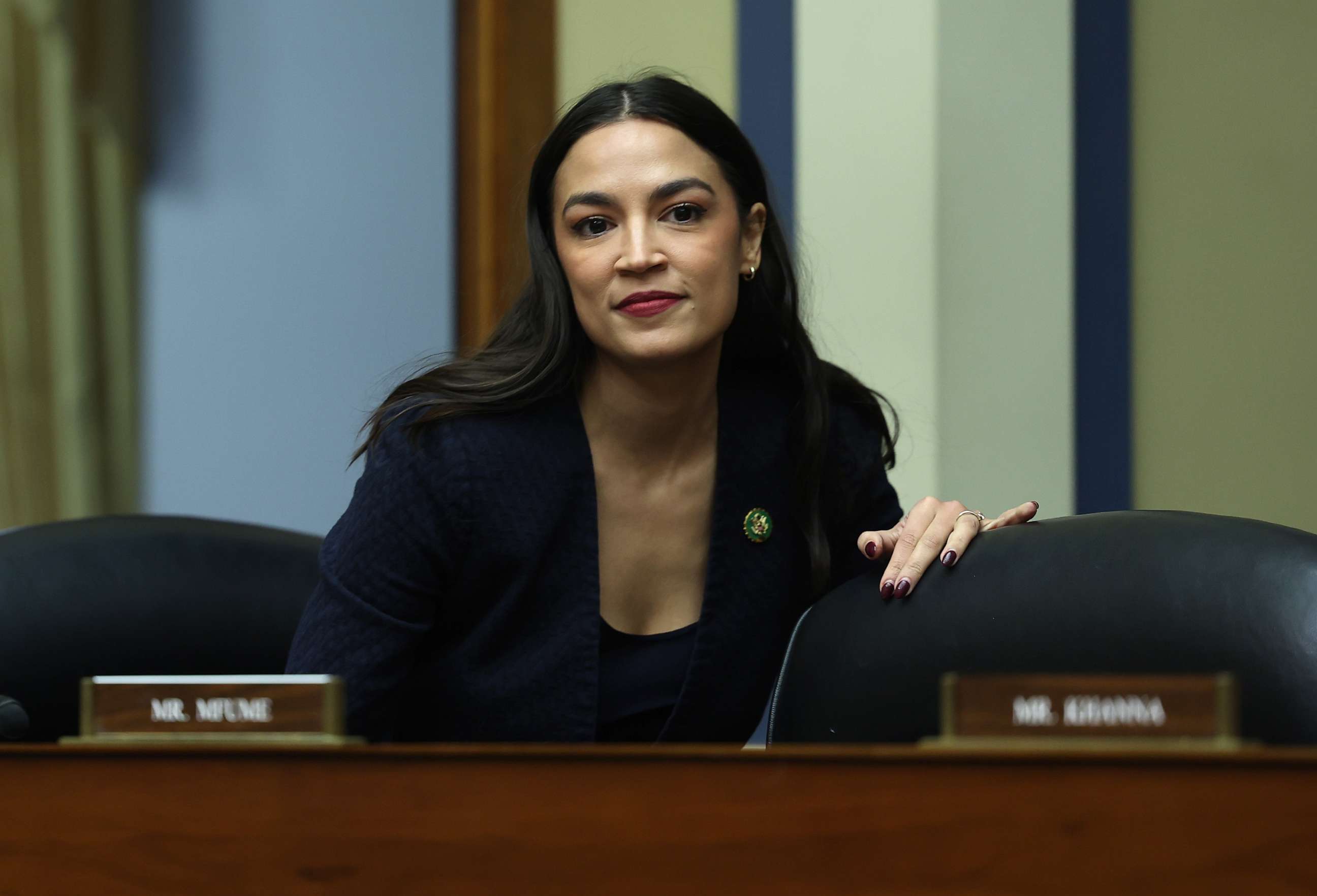
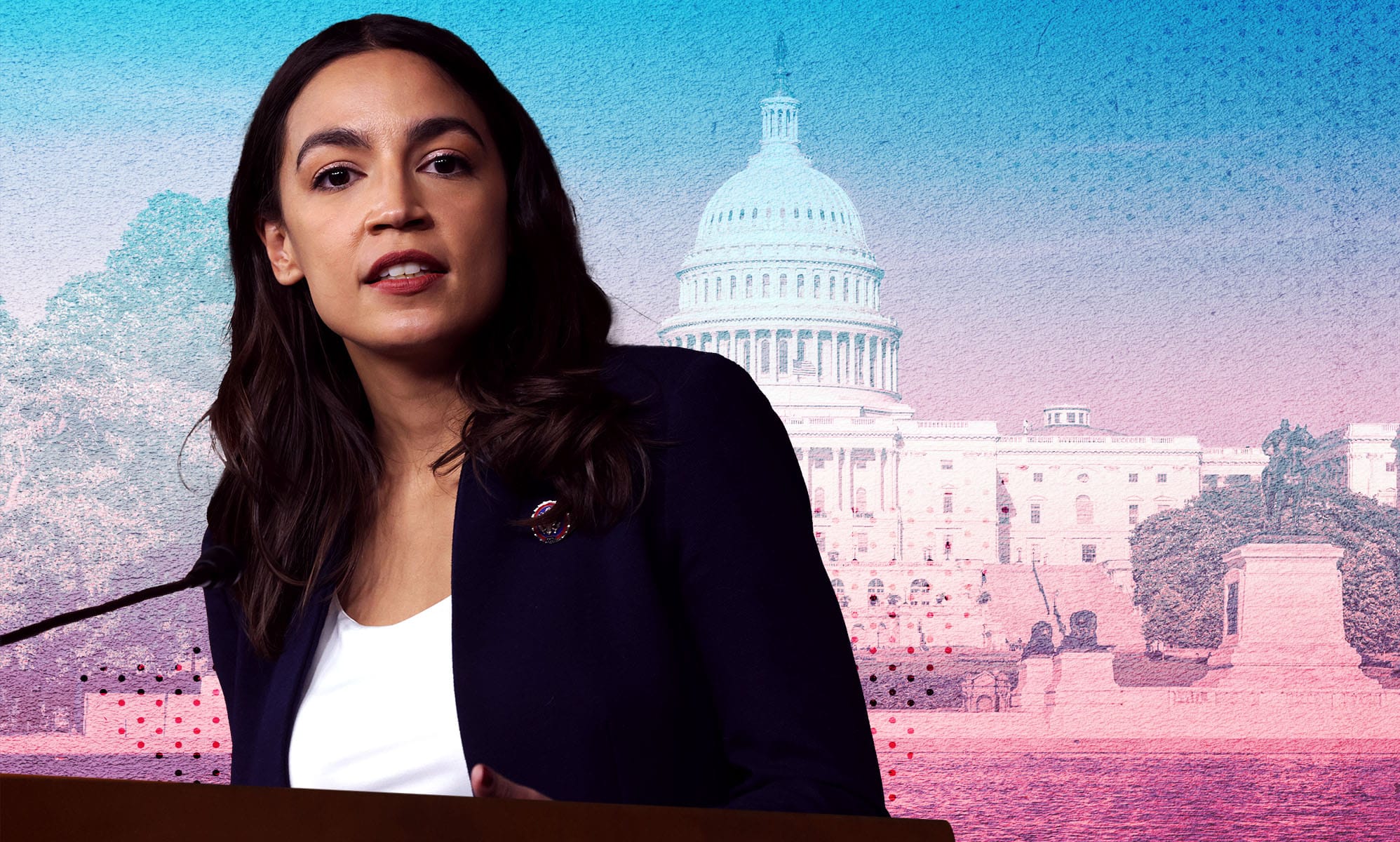
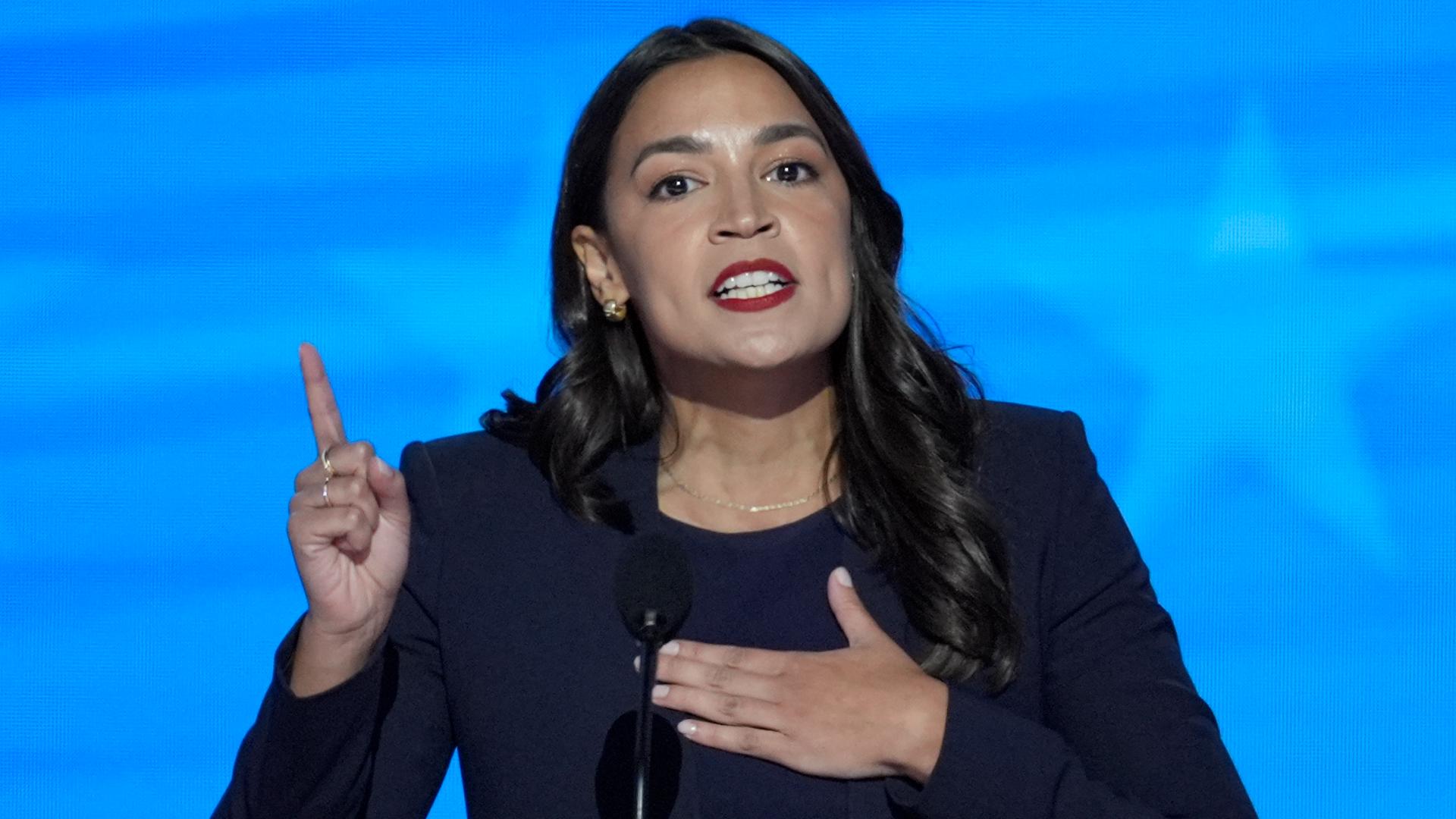
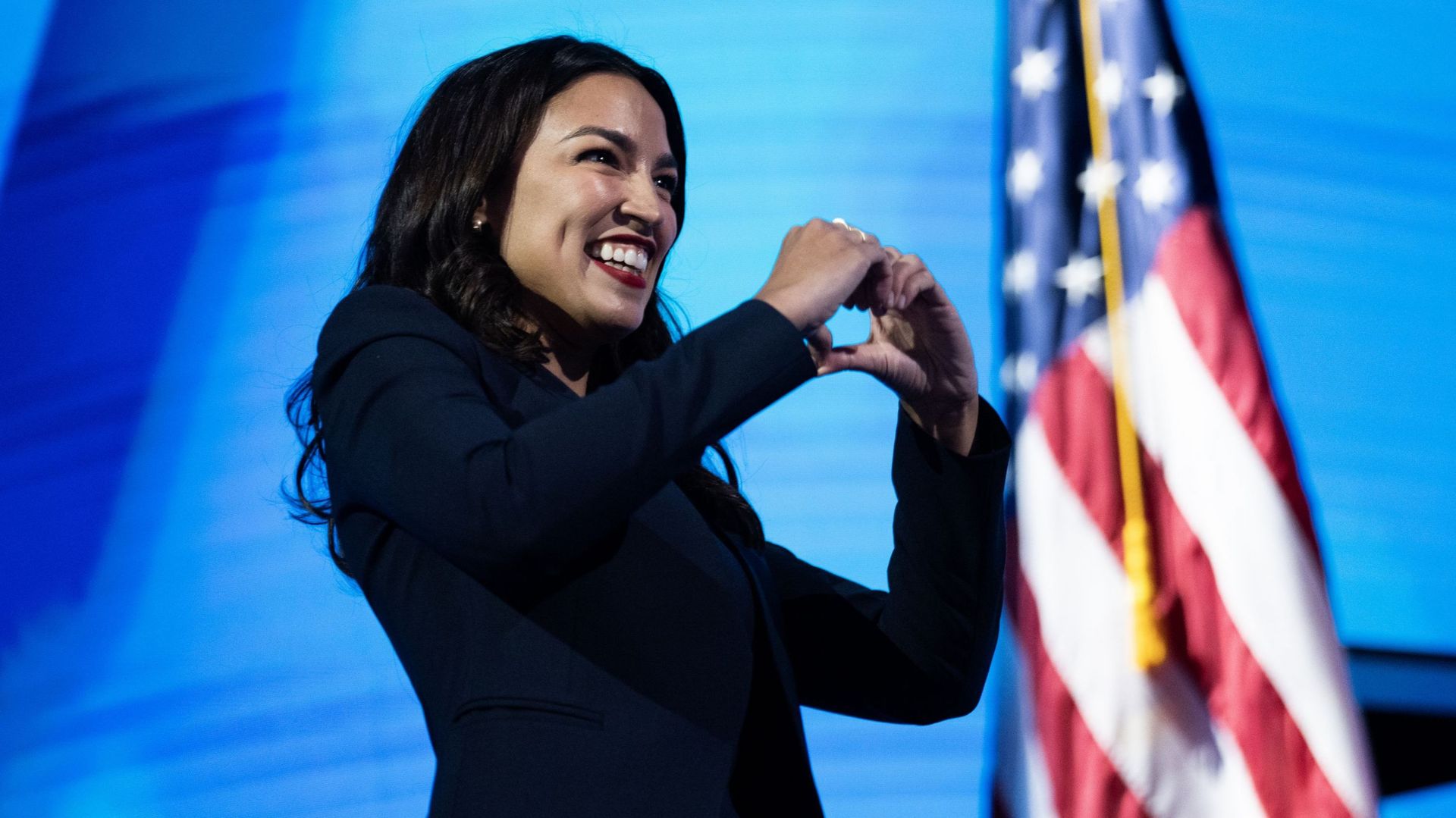
Representative Alexandria Ocasio-Cortez (D-NY) transformed modern American politics by executing one of the most significant congressional primary upsets in recent political history. This comprehensive guide details her legislative trajectory, policy initiatives—including the Green New Deal—digital outreach strategies, financial model, and the political evolution frequently characterized as the "AOC 2.0" legislative strategy.
From Primary Upset to Legislative Powerhouse: The AOC Trajectory
Alexandria Ocasio-Cortez's entry into federal politics in June 2018 disrupted established Democratic Party dynamics. Running a insurgent campaign in New York’s 14th Congressional District—covering portions of the Bronx and Queens—she defeated ten-term incumbent Joseph Crowley, who was then the Democratic Caucus Chairman and widely considered a top contender for Speaker of the House. Sworn into office in January 2019 at age 29, Ocasio-Cortez became the youngest woman ever elected to the United States Congress.
Her early political identity was forged in protest dynamics and outsider activism. Working closely with groups such as the Justice Democrats and the Sunrise Movement, her initial months in Washington featured high-profile actions, including joining a climate protest outside incoming Speaker Nancy Pelosi’s office. This first phase established her as a national progressive figurehead capable of driving national news cycles and commanding massive social media audiences.
Over subsequent terms, political analysts and congressional observers identified a distinct shift toward what commentators term "AOC 2.0." This phase reflects a transition from an outsider insurgent to an influential legislative strategist. While preserving her core Democratic Socialist platform and commitment to grassroots movement building, Ocasio-Cortez increasingly mastered institutional mechanics, built coalition alignments across ideological caucuses, and leveraged key committee assignments to influence federal policy directly.
Core Policy Agenda: The Green New Deal, Economic Reform, and Civil Rights
Ocasio-Cortez’s legislative agenda centers on systemic economic restructuring, climate action, and social equity. Her policy framework integrates environmental preservation with federal economic guarantees, challenging established neoliberal economic consensus.
| Climate & Energy | Economic Equity |
|---|---|
| - Green New Deal Resolution- 100% Renewable Transition- Just Transition for Workers | - Tax Reform & Wealth Taxes- $15+ Federal Minimum Wage- Universal Healthcare / Medicare |
| Social Infrastructure | Governance & Accountability |
| - Public & Affordable Housing- Debt Cancellation & Higher Ed- Civil Rights & Immigration | - Campaign Finance Reform- Corporate Ethics Oversight- Anti-Monopoly Regulation |
The Green New Deal
Introduced alongside Senator Ed Markey (D-MA) in February 2019, House Resolution 109—the Green New Deal—serves as the flagship policy vision for the progressive movement. The non-binding resolution outlines a 10-year national mobilization effort aimed at achieving net-zero greenhouse gas emissions while simultaneously tackling economic inequality. Key pillars include:
- Transitioning 100% of national power generation to renewable and zero-emission energy sources.
- Guaranteeing job creation with prevailing wages, family-sustaining benefits, and union rights through federal infrastructure investments.
- Funding comprehensive retrofits for residential and commercial buildings to maximize energy efficiency.
- Establishing federal guarantees for universal healthcare, affordable housing, and economic security for communities vulnerable to industrial transitions.
Economic Equity and Wealth Redistribution
Ocasio-Cortez advocates for restructuring federal tax policy to address wealth concentration. She has proposed marginal income tax rates reaching 70% on incomes exceeding $10 million, alongside federal wealth taxes on ultra-high-net-worth individuals. Her economic agenda emphasizes strengthening labor protections, indexing the federal minimum wage to inflation, expanding public housing funding via the Green New Deal for Public Housing Act, and forgiving federal student loan debt.
Social and Governance Reform
In judicial and administrative reform, Ocasio-Cortez supports structural changes to immigration enforcement, comprehensive criminal justice overhaul, and campaign finance reform. A central pillar of her platform is removing corporate money from federal elections by championing constitutional amendments to overturn the Supreme Court's Citizens United ruling and supporting public financing for political campaigns.
Committee Oversight and Institutional Strategy
While early media coverage emphasized her rally attendance and digital broadcasts, Ocasio-Cortez's institutional footprint relies heavily on committee work. Serving on high-profile committees, she established a reputation for methodical, evidence-focused questioning during congressional hearings.
House Committee on Oversight and Accountability
On the Oversight Committee, Ocasio-Cortez executed high-visibility interrogations of corporate executives, government officials, and key figures in federal investigations. Her February 2019 questioning of former attorney Michael Cohen systematically established evidentiary pathways regarding presidential asset valuations, personal financial statements, and tax reporting. Her methodical five-minute questioning structures—often relying on precise legal definitions rather than speeches—became standard video references for effective legislative oversight.
House Financial Services Committee
During her tenure on the Financial Services Committee, Ocasio-Cortez prioritized consumer protection, banking sector accountability, and financial regulation. She challenged major banking executives on subprime lending practices, climate risk disclosures in institutional portfolios, algorithmic bias in credit scoring, and corporate compensation structures. She also scrutinized private equity involvement in single-family residential housing markets and advocated for expanded public banking alternatives.
Strategic Shift: Phase 1 Insurgent vs. Phase 2 "AOC 2.0"
The transformation of Ocasio-Cortez's legislative approach reflects the structural realities of congressional governance. The table below outlines the strategic distinctions between her initial congressional term and her mature legislative approach.
| Dimension | Phase 1: Insurgent Outsider (2018–2020) | Phase 2: "AOC 2.0" Legislative Strategist |
|---|---|---|
| Primary Focus | Agenda-setting, movement building, national narrative disruption | Legislative execution, committee leverage, institutional coalition building |
| Party Relations | Direct public friction with established Democratic leadership | Strategic alignment with house leadership while maintaining progressive independence |
| Fundraising Model | Grassroots insurgent model driven by national small-dollar donors | High-volume fundraising hub supporting progressive down-ballet candidates and party organs |
| Media Tactics | Viral social posts, impromptu livestreams, high-visibility protests | Target-driven interviews, policy white papers, structured committee oversight |
| Legislative Style | High-level resolution sponsorship (e.g., Green New Deal framework) | Amendment craftsmanship, bipartisan targeted co-sponsorships, defense authorization provisions |
| Caucus Role | Prominent member of "The Squad" operating as an internal pressure group | De facto senior leader bridging activist groups, progressive caucuses, and mainstream party leadership |
Digital Communication and Grassroots Fundraising Innovation
Ocasio-Cortez altered how elected officials use social media and build financial autonomy. Her approach bypassed traditional political media pipelines, allowing direct engagement with voters and supporters nationwide.
Direct Digital Engagement
Leveraging platforms like Instagram, X (formerly Twitter), and Twitch, Ocasio-Cortez established direct channels with constituents. Her Twitch broadcasts—notably a 2020 Among Us stream that drew over 400,000 concurrent viewers—served as platforms for voter registration drives and civic education. By explaining complex legislative processes, budgetary negotiations, and parliamentary procedure on Instagram Live while preparing meals at home, she demystified congressional operations for younger demographics.
- Zero Corporate PAC Money
- Direct Social & Email Outreach
- Millions of Small-Dollar Recurring Donors ($15–$30 Average)
- Campaign Autonomy & NY-14
- Courage to Change PAC / Support for Progressive Candidates
Financial Autonomy via Small-Dollar Donors
Ocasio-Cortez rejects contributions from corporate Political Action Committees (PACs) and fossil fuel executives. Instead, her campaign relies on an extensive network of small-dollar grassroots contributors.
This model yields two strategic advantages:
- Political Independence: It insulates her from donor-class pressure on votes regarding financial regulation, environmental standards, and tax policy.
- Capital Redistribution: Through her campaign apparatus and her Political Action Committee (Courage to Change), she redistributes funds directly to working-class candidates, progressive challengers, and competitive Democratic campaigns nationwide, expanding her institutional influence.
Electoral Impact and National Influence
Ocasio-Cortez's presence extends beyond her congressional district boundaries. Her political trajectory influences local, state, and national political dynamics.
District Representation: NY-14
Despite her national profile, Ocasio-Cortez has secured consistent primary and general election victories in New York's 14th Congressional District. Her constituency services focus on working-class communities in Queens and the Bronx, securing federal appropriations for local healthcare facilities, public transportation upgrades, flood mitigation infrastructure, and community development projects.
Policy Shift within the National Democratic Platform
Her rise accelerated a broader leftward movement within the Democratic Party on key policy areas. Concepts once considered radical within mainstream party politics—such as net-zero climate goals, student debt cancellation, Medicare for All, and pre-K childcare guarantees—became baseline negotiating points during major legislative packages, including the Inflation Reduction Act and the American Rescue Plan.
Critiques and Political Opposition
Ocasio-Cortez remains a central focal point of national political debate, drawing scrutiny from multiple political vectors.
- Conservative Opposition: Conservative commentators and Republican leadership frequently depict Ocasio-Cortez as an ideological extremist whose socialist economic policies, clean energy mandates, and tax proposals would destabilize private sector growth, increase national debt, and weaken domestic energy security.
- Moderate Democratic Pushback: Moderate and swing-district Democrats have periodically argued that high-visibility progressive slogans and systemic policy proposals alienate suburban voters and complicate campaign efforts in competitive districts.
- Progressive Purist Criticism: As Ocasio-Cortez embraced the "AOC 2.0" legislative strategy—voting for party leadership packages, compromising on complex funding bills, or engaging in institutional negotiations—she occasionally faced criticism from left-wing activists who argue that working within party machinery risks diluting movement goals.
Key Takeaways for Political Observers
Understanding Alexandria Ocasio-Cortez’s role in modern politics requires looking beyond social media numbers to analyze her institutional trajectory:
- Strategic Adaptation: AOC 2.0 represents the integration of outsider movement dynamics into institutional legislative mechanics.
- Financial Independence: Relying strictly on small-dollar donations demonstrates a viable alternative to corporate PAC financing for national figures.
- Communication Model: Direct-to-consumer digital broadcasting allows lawmakers to shape political narratives without relying on traditional political press filters.
- Policy Legacy: Initiatives like the Green New Deal serve as long-term frameworks that shape federal legislation even before formal enactment into law.
Frequently Asked Questions
What district does Alexandria Ocasio-Cortez represent?
Alexandria Ocasio-Cortez represents New York's 14th Congressional District, which encompasses portions of the eastern Bronx and north-central Queens, including neighborhoods such as Astoria, Jackson Heights, Corona, Woodside, Parkchester, and Pelham Bay.
What is the "AOC 2.0" concept?
"AOC 2.0" refers to the observed evolution of Ocasio-Cortez’s political strategy. It describes her transition from an insurgent political challenger using protest dynamics into a skilled legislative strategist who uses committee power, legislative craftsmanship, and party coalition-building to deliver policy outcomes.
Does Alexandria Ocasio-Cortez accept corporate PAC money?
No. Ocasio-Cortez strictly rejects funding from corporate Political Action Committees (PACs), federal lobbyists, and fossil fuel industry executives. Her campaign is funded by individual small-dollar contributions.
What are the main goals of the Green New Deal?
Co-authored by Ocasio-Cortez, the Green New Deal resolution seeks to transition the United States to 100% clean, renewable energy within ten years while creating millions of high-wage jobs, rebuilding infrastructure, guaranteeing clean air and water, and addressing economic inequality.
Which congressional committees does Ocasio-Cortez serve on?
Ocasio-Cortez serves on the House Committee on Oversight and Accountability (where she has served as Vice Ranking Member) and the House Financial Services Committee, using both platforms to examine corporate governance, consumer protection, federal agencies, and economic policy.
Official Resources and Tracking Her Legislative Work
To track Representative Ocasio-Cortez's legislative voting record, committee hearings, sponsored bills, and official statements, refer to standard government databases:
- Official House Website: Access official press releases, district constituent services, and policy positions at ocasio-cortez.house.gov.
- Congress.gov Records: Review sponsored legislation, co-sponsorships, and committee roll-call votes directly on Congress.gov.
- Federal Election Commission (FEC): Inspect transparent campaign finance disclosures and donor reports via the FEC Candidate Database.