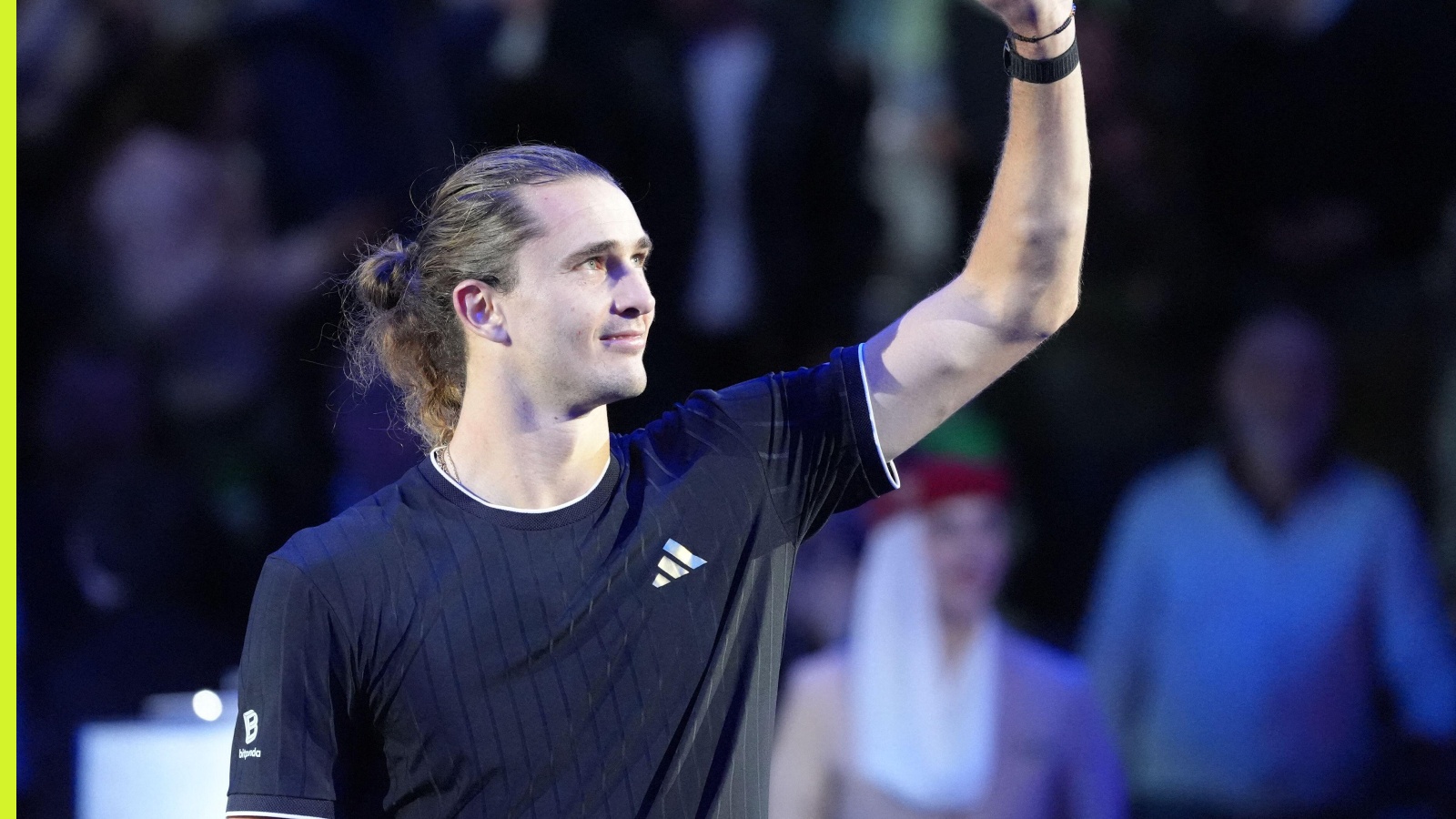
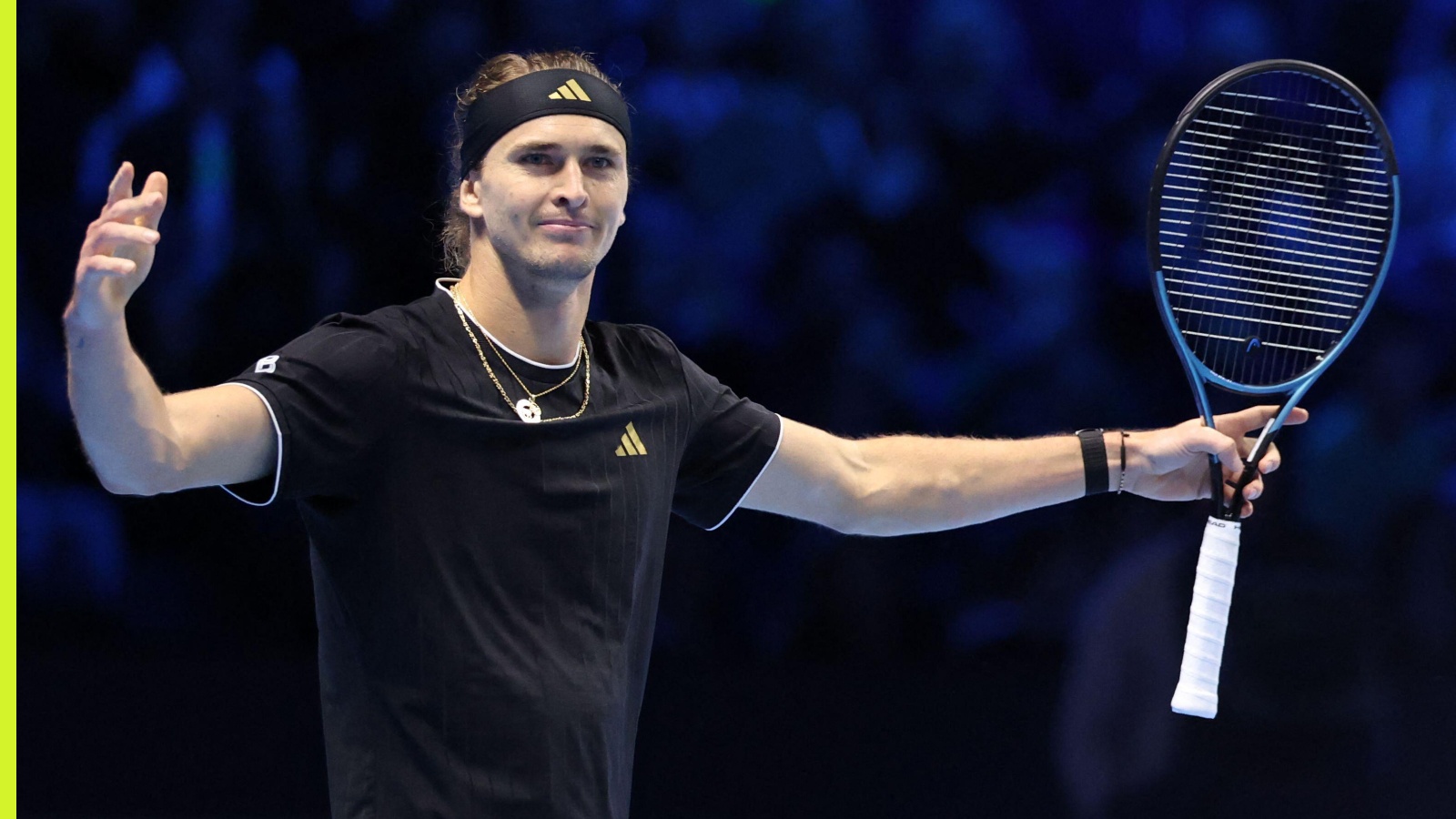
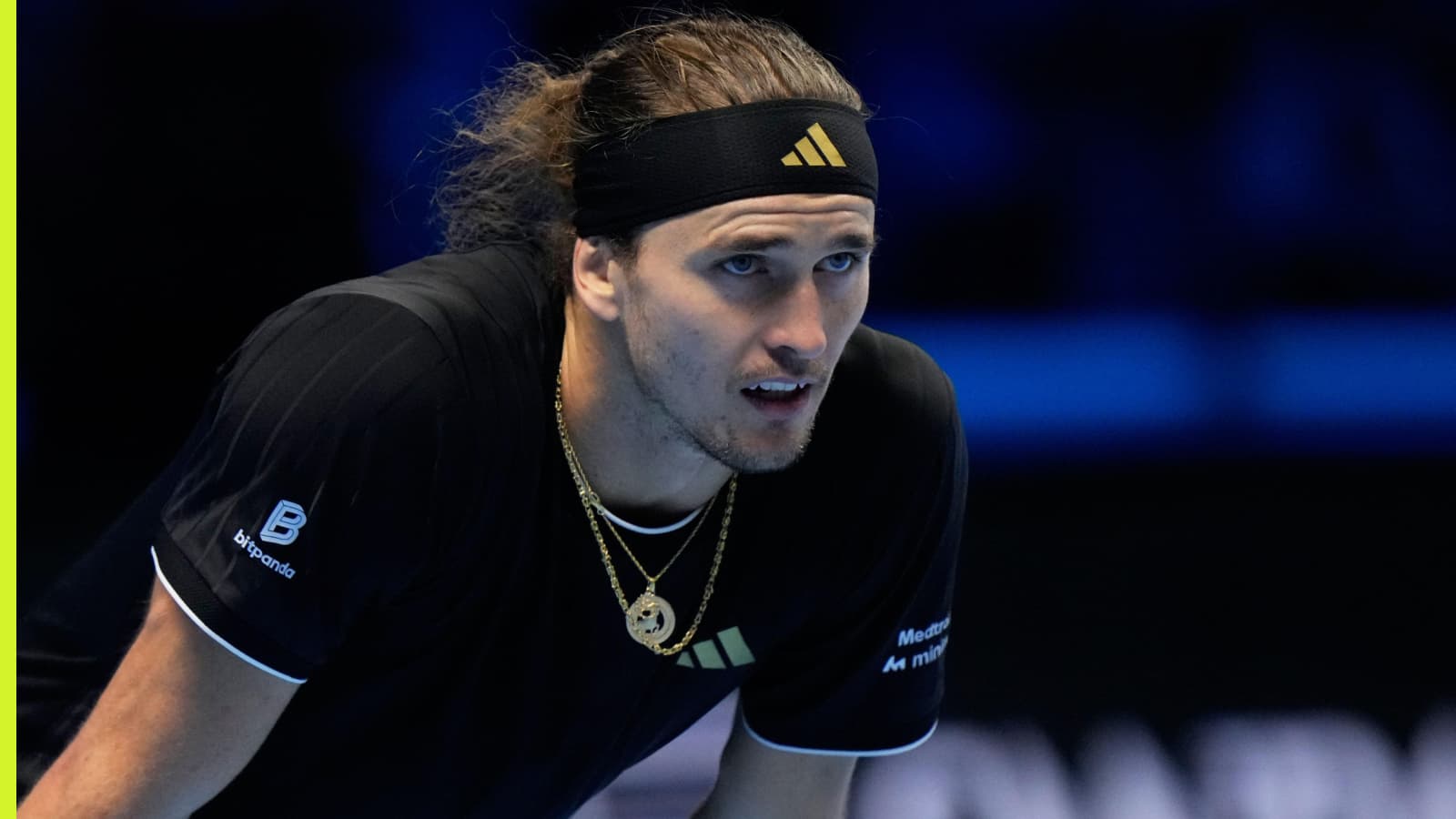
Alexander "Sascha" Zverev is a German professional tennis player who has consistently ranked among the world's elite on the ATP Tour. An Olympic gold medalist, multi-time ATP Finals champion, and two-time Grand Slam finalist, Zverev is renowned for his powerful serve, world-class backhand, and exceptional court coverage for his 6-foot-6 frame.
Early Life and Rapid Rise on the ATP Tour
Born on April 20, 1997, in Hamburg, Germany, Alexander Zverev was raised in a tennis-centric family. His father, Alexander Zverev Sr., and his mother, Irina Zvereva, were both professional tennis players who represented the Soviet Union before emigrating to Germany in 1991. His older brother, Mischa Zverev, also achieved a career-high ATP ranking of World No. 25, establishing an environment where elite technical training began in early childhood.
Zverev demonstrated exceptional promise during his junior career, reaching the No. 1 world ranking in 2013 and winning the 2014 Australian Open boys' singles title. He made a seamless transition to the professional circuit, winning his first ATP Challenger title in Braunschweig at just 17 years old. By late 2016, Zverev secured his first ATP singles title at the St. Petersburg Open, defeating top-ten staple Stan Wawrinka in the final.
His breakthrough onto the world stage occurred in 2017, a season during which he claimed five ATP titles. Most notably, Zverev captured two ATP Masters 1000 crowns: the Italian Open in Rome, where he defeated Novak Djokovic in straight sets, and the Rogers Cup in Montreal, where he bested Roger Federer. These performances propelled him into the top three of the ATP rankings at age 20, making him the youngest player to enter the top three since Novak Djokovic a decade prior.
Major Titles, Olympic Glory, and Grand Slam Progress
Throughout his professional career, Zverev has accumulated dozens of ATP singles titles, positioning himself among the most successful active players on tour outside of the historic "Big Three." His resume highlights a capability to excel across all court surfaces, including hard, clay, and indoor carpet/hard courts.
- Junior Success: 2014 Australian Open Boys' Champion
- ATP Breakthrough: 2017 Masters 1000 Titles (Rome, Montreal)
- Peak Championships: 2018 & 2021 ATP Finals Titles
- Olympic Achievement: 2020 Tokyo Gold Medal (Singles)
- Grand Slam Finalist: 2020 US Open & 2024 French Open
ATP Finals Accomplishments
Zverev has won the prestigious season-ending ATP Finals twice:
- 2018 (London): After navigating the group stage, Zverev defeated Roger Federer in the semifinals and world No. 1 Novak Djokovic 6-4, 6-3 in the championship match to secure the biggest title of his early career.
- 2021 (Turin): Zverev repeated his championship run by once again overcoming Djokovic in a three-set semifinal clash before defeating Daniil Medvedev 6-4, 6-4 in the final.
Tokyo 2020 Olympic Gold Medal
One of Zverev's career achievements occurred at the Tokyo 2020 Olympic Games (held in 2021). Representing Germany, he mounted a comeback in the semifinals to defeat Novak Djokovic, ending Djokovic's bid for a Calendar Golden Slam. Zverev then dominated Karen Khachanov 6-3, 6-1 in the gold medal match, becoming the first German man to win Olympic singles gold since Steffi Graf captured the women's title in 1988.
Grand Slam Record
Despite his extensive success at the Masters 1000 and ATP Finals levels, Zverev's quest for a debut Grand Slam title has yielded competitive deep runs:
- 2020 US Open: Reached his first Grand Slam final, building a two-set lead against Dominic Thiem before ultimately losing in a final-set tiebreak.
- 2024 French Open (Roland Garros): Advanced to his second Grand Slam final after defeating Rafael Nadal in the opening round and Holger Rune and Casper Ruud in subsequent rounds, before falling to Carlos Alcaraz in a five-set match.
Technical Analysis of Zverev's Playing Style
At 1.98 meters (6 feet 6 inches) tall, Zverev represents the modern archetype of an aggressive baseline player who combines immense physical leverage with mobility standard for shorter athletes.
- Alexander Zverev Core Game
- First Serve Leverage
- High trajectory
- 135+ mph max
- Deep placement
- Two-Handed Backhand
- Flat drive
- High stability
- Down-the-line
- Baseline Defense
- Wide lateral reach
- Sliding on all surfaces
- First Serve Leverage
The First Serve
Zverev's first serve is one of the most reliable point-ending weapons on the ATP Tour. Relying on a high toss and extended vertical contact point, he regularly hits first serves exceeding 135 mph (217 km/h) with heavy slice or flat trajectories. His high contact height allows for minimal net margin while maintaining a high first-serve percentage, allowing him to hold serve comfortably on fast surfaces.
Two-Handed Backhand
Widely regarded by coaches and analysts as one of the cleanest two-handed backhands in modern tennis, this shot serves as Zverev's primary offensive drive and primary defensive resetting tool.
- Technique: He takes the racquet back early with a compact unit turn, maintaining rigid wrist stability through impact.
- Placement: Zverev can hit flat, heavy drives crosscourt or change direction down the line with minimal technical variation in his preparation.
- Under Pressure: Unlike his forehand, which can occasionally experience depth fluctuation under pressure, his backhand technique remains consistent under fatigue.
Forehand Mechanics and Evolution
Zverev's forehand features a longer loop backswing and a semi-western grip. Historically, under high-pressure scenarios, his forehand loop had a tendency to decelerate, resulting in shorter ball depth that opponents could exploit. Over time, coaching adjustments focused on encouraging aggressive hip rotation and forward kinetic extension, stabilizing the shot into a reliable stroke capable of building control during long baseline rallies.
Court Movement and Defensive Transition
Despite his height, Zverev exhibits lateral movement usually associated with players under six feet tall. On clay and hard courts, he slides fluidly into wide defensive shots, using his long reach to turn opponent offensive angles into neutral baseline exchanges.
Career Statistics and Profile Summary
The following table summarizes Alexander Zverev's career specifications, peak achievements, and core equipment configuration.
| Category | Career Specification / Record Detail |
|---|---|
| Date of Birth | April 20, 1997 |
| Plays | Right-handed (Two-handed backhand) |
| Height / Weight | 1.98 m (6 ft 6 in) / ~90 kg (198 lbs) |
| Career-High ATP Ranking | World No. 2 |
| Olympic Achievement | Gold Medalist (2020 Tokyo Men's Singles) |
| ATP Finals Titles | 2 (2018 London, 2021 Turin) |
| ATP Masters 1000 Titles | 6+ (including Rome, Montreal, Madrid, Cincinnati, Paris) |
| Grand Slam Best Results | Runner-up (2020 US Open, 2024 French Open) |
| Racquet Frame | Head Gravity Pro (Customized Auxetic Setup) |
| Apparel & Shoes Sponsor | Adidas |
Physical Resilience, Injury Recovery, and Health Management
Zverev's career trajectory contains notable triumphs as well as severe physical challenges that tested his athletic longevity.
- Injury & Recovery
- 2022 Roland Garros Semifinal: Lateral Ankle Ligament Tear
- Surgical Reconstruction: 7-Month Rehabilitation Phase
- 2023 ATP Comeback: Re-entry into Top 10
- 2024 Roland Garros: Returned to Grand Slam Final
The 2022 Roland Garros Ankle Injury
During a three-hour semifinal match against Rafael Nadal at the 2022 French Open, Zverev suffered a severe ankle injury while sliding for a ball on Court Philippe-Chatrier. The fall resulted in a complete tear of all three lateral ligaments in his right ankle.
Zverev underwent surgery in Germany shortly thereafter, missing the remainder of the 2022 season, including Wimbledon and the US Open. His recovery required a seven-month rehabilitation program focused on joint stabilization, lateral proprioception, and rebuilding leg power.
He made a full return to the circuit in 2023, systematically regaining form to re-enter the ATP top 10, reach the semifinals of Roland Garros in 2023, and return to the final at the same event in 2024.
Managing Type 1 Diabetes on Tour
In August 2022, Zverev publicly revealed that he was diagnosed with Type 1 Diabetes at the age of four. Throughout his professional career, he has managed the condition using real-time continuous glucose monitors (CGMs) and insulin injections during match intervals.
To raise awareness and support affected youth, he launched the Alexander Zverev Foundation, an organization dedicated to providing insulin and vital medical equipment to children living with Type 1 diabetes in developing nations, as well as funding sports programs for diabetic youth.
Equipment and Racquet Setup
Zverev's equipment choice is optimized to suit his baseline style, combining maximum control frame architecture with durable string tension setups.
- Racquet Model: Zverev endorses and plays with the Head Gravity Pro series.
- Frame Characteristics: The Gravity Pro features a thin beam, a traditional box-frame profile, and an extended sweet spot near the tip of the frame. This design offers control and feedback for heavy-hitting baseliners who generate their own power.
- String Pattern: Uses a dense 18x20 string pattern, providing low dynamic string bed deviation, which allows Zverev to flatten out his backhand and control serve placement without unpredictable launch angles.
- Footwear and Apparel: Endorsed by Adidas, Zverev wears performance tennis shoes engineered for lateral stability and sliding resistance on clay and hard surfaces.
Technical Lessons for Developing Tennis Players
Coaches and junior development specialists frequently analyze Zverev's game as an educational baseline for taller athletes. Key technical elements include:
- Compact Unit Turn on the Backhand: Junior players often over-rotate their upper body on two-handed backhands. Zverev demonstrates that keeping the take-back short allows for better timing against fast incoming shots.
- Serving Kinetic Chain: Tall players can easily develop inconsistent serve tosses due to high release points. Zverev's toss relies on an extended left arm that releases the ball steadily, allowing his legs to drive upward directly into the court space.
- Lateral Recovery Step Discipline: Rather than taking long, strided recovery steps after wide balls, Zverev relies on explosive crossover steps followed by small split-steps, ensuring he remains balanced regardless of court dimensions.
Frequently Asked Questions About Alexander Zverev
Has Alexander Zverev won a Grand Slam singles title?
As of 2026, Alexander Zverev has reached two Grand Slam singles finals—the 2020 US Open and the 2024 French Open—finishing as runner-up in both five-set matches. He has won multiple ATP Masters 1000 titles and two ATP Finals titles.
What is Alexander Zverev's best ATP singles ranking?
Alexander Zverev reached a career-high ATP singles ranking of World No. 2.
How does Alexander Zverev manage diabetes during matches?
Zverev manages his Type 1 Diabetes by monitoring his blood sugar levels using continuous glucose monitoring devices during match changes. He administers insulin during set breaks or medical timeouts as needed, adhering to guidelines set by the ITF and WADA.
Who coaches Alexander Zverev?
Zverev has been coached primarily by his father, Alexander Zverev Sr., throughout his professional career. He has also worked with former world No. 1 players in coaching or consulting roles, including Ivan Lendl and Juan Carlos Ferrero.
What racquet does Alexander Zverev use?
Alexander Zverev plays with a customized version of the Head Gravity Pro racquet, featuring an 18x20 string pattern designed for high precision and directional control.
Practical Action Plan for Analyzing and Applying Zverev's Game
For competitive players looking to adopt principles from Alexander Zverev’s technical foundation, apply these actionable adjustments during practice:
- Incorporate Early Preparation Drills: Work with a ball machine or partner to prepare the backhand racquet face before the incoming ball crosses the net. Focus on maintaining a firm lead wrist to replicate Zverev’s flat backhand directional control.
- Optimize Serving Power: Focus on flexing your knees deep in the trophy position while keeping your toss consistent. Work on driving upward through the legs to increase contact height, similar to how Zverev creates his steep serve trajectory.
- Establish Routine Baseline Recovery: Practice recovery crossovers immediately after hitting wide groundstrokes. Concentrate on taking two rapid crossover steps back toward the center mark followed by a split-step as the opponent initiates their stroke.