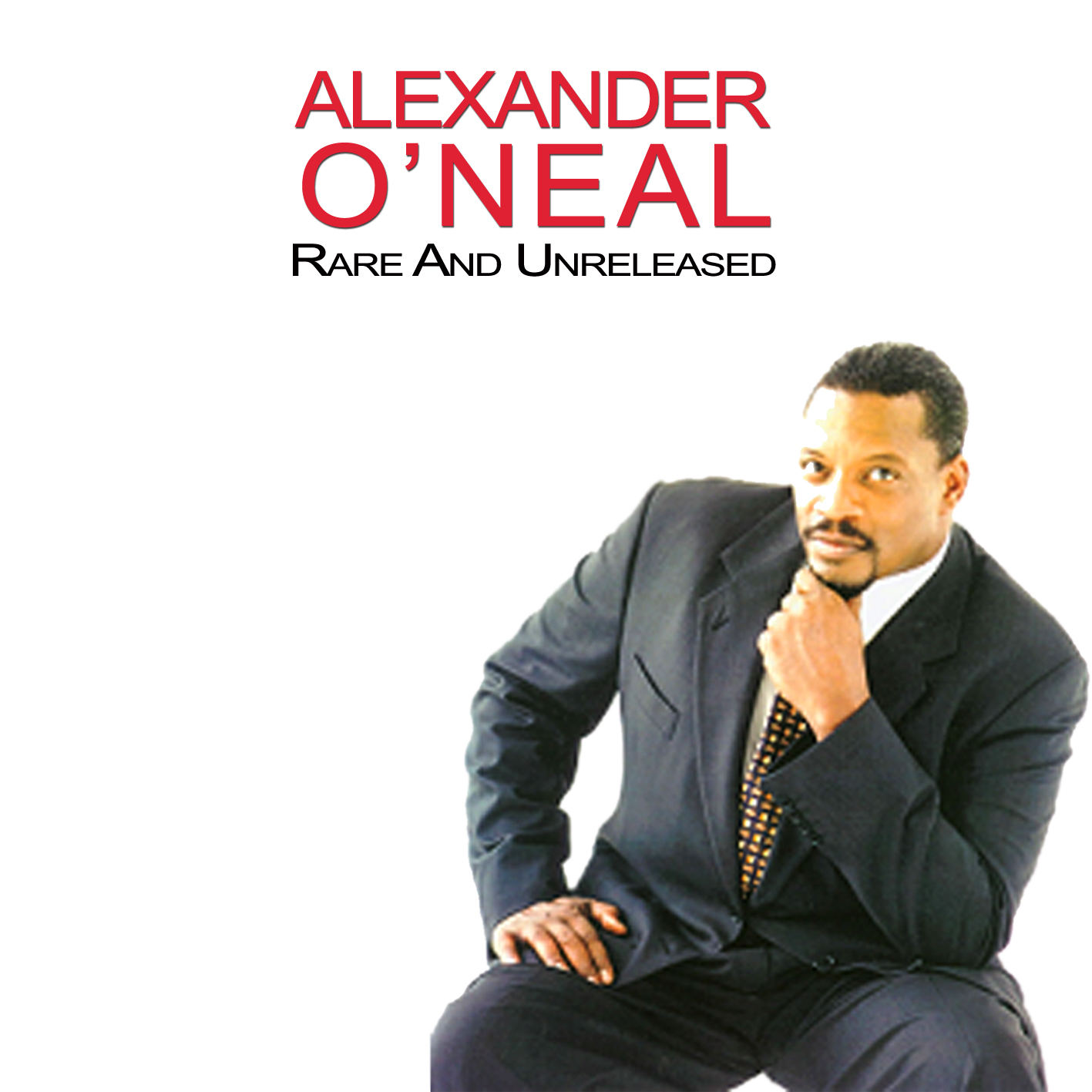
Alexander O'Neal is an iconic American R&B and soul singer whose powerful vocal range helped define the 1980s Minneapolis sound. Beyond chart-topping hits like "Criticize," "Fake," and "Saturday Love," his life story encompasses deep Southern family roots, long-term personal battles with addiction, and an enduring artistic legacy sustained by an international fanbase.
Early Roots and the Minneapolis Sound Revolution
Born on November 15, 1953, in Natchez, Mississippi, Alexander O'Neal grew up in a region rich in musical tradition but marked by economic hardship. Following the death of his father shortly before his birth, O'Neal was raised by his mother, who instilled in him a strong appreciation for gospel music and vocal discipline. Like many soul legends of his generation, O'Neal developed his distinct vocal power singing in local church choirs, refining a gritty, church-honed baritone capable of smooth romantic ballads and high-energy funk anthems.
In the mid-1970s, seeking broader professional opportunities, O'Neal relocated to Minneapolis, Minnesota. The city was on the verge of becoming an epicenter for modern funk, rock, and R&B. O'Neal quickly integrated into the local music scene, joining a funk ensemble named Flyte Tyme, which featured musicians Jimmy Jam (James Harris III), Terry Lewis, and Monte Moir.
Flyte Tyme eventually caught the attention of Prince, who was assembling a side project that would become The Time. Prince originally envisioned O'Neal as the lead vocalist of The Time. However, financial disagreements and creative differences between Prince and O'Neal led to O'Neal's departure before the band recorded its debut album. Prince replaced O'Neal with Morris Day, but the foundation of O'Neal's musical network had already been built.
When Jimmy Jam and Terry Lewis transitioned from performers to legendary producers, they kept O'Neal's voice in mind. Signed to Clarence Avant’s Tabu Records, O'Neal re-emerged as a solo artist under Jam and Lewis's production guidance. This partnership yielded a hard-hitting synth-funk sound paired with traditional soul vocals, establishing the foundation of the 1980s Minneapolis sound.
Chart-Topping Albums, Iconic Hits, and Cherrelle Duets
Alexander O'Neal’s solo debut arrived in 1985 with his self-titled album, Alexander O'Neal. Produced by Jam and Lewis, the record established O'Neal as a premier R&B vocalist. Tracks like "If You Were Here Tonight" showcased his ability to deliver deeply emotional ballads, while "A Broken Heart Can Mend" established his radio presence across the United States and Europe.
However, it was his 1987 sophomore release, Hearsay, that elevated O'Neal to international stardom. Hearsay became a commercial power, driven by aggressive production, heavy brass synthesizer riffs, and O'Neal's emotive vocal performance. Key tracks from the album remain staples of classic R&B programming:
- "Fake": A hard-grooving synth-funk track that reached Number 1 on the Billboard R&B chart, highlighting O'Neal's narrative vocal style.
- "Criticize": An international smash hit that cracked the UK Top 5, featuring a driving bassline and memorable lyricism concerning relationship friction.
- "Never Knew Love Like This": A tender duet with R&B singer Cherrelle that won critical praise and broad crossover success.
- Flyte Tyme / Early Years
- Tabu Records Signing (1984)
- Jam & Lewis Production Team
- Solo Albums
- Self-Titled (1985)
- Hearsay (1987)
- All True Man (1991)
- Cherrelle Duets
- "Saturday Love"
- "Never Knew Love Like This"
- Solo Albums
O'Neal's collaborative work with Cherrelle represents one of the most celebrated vocal pairings in modern R&B history. Before Hearsay, the duo had achieved massive international success with "Saturday Love," taken from Cherrelle’s 1985 album High Priority. Their vocal chemistry—contrasting O'Neal’s rugged baritone with Cherrelle’s bright, energetic soprano—helped both artists achieve lasting fame across continents.
O'Neal followed up Hearsay with the 1991 album All True Man. The title track became another major hit, solidifying his status as one of the few vocalists capable of balancing traditional Southern soul sensibilities with modern high-tech production.
Personal Struggles, Addiction, and Public Scrutiny
Despite his immense professional success during the late 1980s and early 1990s, O'Neal struggled with substance abuse, specifically crack cocaine addiction. The pressures of fame, relentless touring, and sudden financial success exacerbated issues that had simmered throughout his early adulthood.
O'Neal’s battles with addiction frequently interfered with his career trajectory. Missed studio sessions, strained relationships with record label executives, and erratic public appearances documented a talent compromised by addiction. Rather than hiding these issues behind public relations campaigns, O'Neal eventually addressed his struggles publicly, speaking candidly in interviews about how drug dependence eroded his health, personal wealth, and professional standing.
| WARNING: Substance Abuse Impact on Artistic Career |
|---|
| Extended addiction severe strain on vocal mechanics, financial stability, and studio commitments. Early intervention and steady domestic support proved crucial in sustaining long-term recovery and touring longevity. |
Over the years, O'Neal entered several rehabilitation programs. His willingness to discuss recovery publicly made him a prominent voice on the difficulties of navigating drug addiction within the entertainment industry. In later years, his participation in reality television programs—such as the UK’s Celebrity Big Brother in 2015—offered audiences a look at his personality, highlighting both his humor and the continuing effort required to maintain long-term recovery.
Family Life and Marriage with Cynthia O'Neal
Throughout his personal and professional turbulence, family has played a central role in Alexander O'Neal’s life. O'Neal married his wife, Cynthia, in the 1990s, and their enduring marriage has served as a primary stabilizing force in his later years.
Cynthia O'Neal has been more than a spouse; she has acted as a partner in managing his career, personal affairs, and health routines. During times when addiction threatened to derail O'Neal's livelihood, Cynthia helped manage his schedule, encourage his rehabilitation efforts, and shield their family life from excessive tabloid exploitation.
- Alexander & Cynthia O'Neal
- Career Anchoring: Managed international bookings and UK relocation
- Domestic Stability: Raised children away from Hollywood press pressures
O'Neal is a father to several children from his marriage and prior relationships. Recognizing the potential hazards of growing up in the spotlight, the couple made deliberate effort to keep their domestic life grounded. O'Neal has frequently expressed gratitude for his family's patience, acknowledging that his past behavior put severe strain on those closest to him.
To create a calmer environment free from the pressures of the American music industry, O'Neal and Cynthia relocated to the United Kingdom for an extended period. The move provided a fresh start, allowing them to raise their children in a supportive environment while O'Neal focused on a lucrative live performance market.
Career Milestones and Key Releases
The following table summarizes the key milestones in Alexander O'Neal’s life, detailing his recordings, artistic partnerships, and major life transitions:
| Era / Year | Phase / Milestone | Primary Focus / Album | Cultural & Career Impact |
|---|---|---|---|
| Late 1970s | Minneapolis Scene | Lead vocalist for Flyte Tyme | Formed crucial relationships with Jimmy Jam, Terry Lewis, and Prince. |
| 1985 | Solo Debut | Alexander O'Neal | Established his solo career with hit ballads like "If You Were Here Tonight." |
| 1985–1987 | Cherrelle Duets | "Saturday Love" & "Never Knew Love Like This" | Achieved international pop and R&B crossover success. |
| 1987 | Commercial Peak | Hearsay | Reached multi-platinum status; featured signature tracks "Fake" and "Criticize." |
| 1991 | Continued Dominance | All True Man | Gold-certified album; solidified his place in the 1990s modern soul movement. |
| 1990s–2000s | Personal Recovery | Rehabilitation & UK Move | Focused on overcoming addiction, prioritizing family, and touring in Europe. |
| 2010s–2020s | Legacy & Farewell | Farewell Tours / Autobiography | Published All True Man: The Autobiography; performed final major international tours. |
The UK Connection and Enduring Live Performance Legacy
One of the most remarkable aspects of Alexander O'Neal’s career is his relationship with British audiences. While he maintained a strong following in the United States, his popularity in the United Kingdom reached legendary proportions during the late 1980s.
During the promotional tour for Hearsay, O'Neal broke records by selling out six consecutive nights at London's Wembley Arena. British fans gravitated toward his authentic soul delivery, the polished Minneapolis production, and his charismatic stage presence.
This strong connection sustained O'Neal’s touring career for decades. When mainstream American radio trends shifted toward hip-hop and modern neo-soul in the late 1990s and 2000s, the UK and European soul circuits continued to welcome O'Neal as a headlining act. European promoters frequently booked him for soul festivals, corporate events, and dedicated venue tours.
Recognizing the depth of this audience loyalty, O'Neal spent significant portions of his later career based in England. His farewell concert series, including the "Time to Say Goodbye" tour launched in the 2020s, gave fans a final opportunity to experience his catalog live. These performances celebrated his resilience, showcasing an artist who weathered severe personal trials to emerge with his legacy intact.
- US Soul & Gospel Roots
- Minneapolis Funk Synthesis
- Global Success & UK Sanctuary
- Lasting 2026 Soul Legacy
Frequently Asked Questions
Why was Alexander O'Neal replaced in The Time?
Alexander O'Neal was originally chosen by Prince to lead Flyte Tyme’s successor group, The Time. However, O'Neal requested higher financial compensation and greater creative autonomy than Prince was willing to yield. As a result, Prince removed O me from the project and installed Morris Day as lead singer.
What are Alexander O'Neal’s biggest chart hits?
O'Neal's biggest commercial successes include "Fake" (which topped the US R&B charts), "Criticize" (a major international Top 10 hit), "If You Were Here Tonight," "All True Man," and his classic duets with Cherrelle, "Saturday Love" and "Never Knew Love Like This."
How did Alexander O'Neal's family impact his recovery from addiction?
His wife, Cynthia O'Neal, provided stability, manageability, and support during his prolonged recovery from substance abuse. The family's decision to relocate to the UK helped remove O'Neal from negative environments, allowing him to focus on health, rehabilitation, and long-term sobriety.
What is the "Minneapolis Sound," and how did O'Neal contribute to it?
The Minneapolis sound is a subgenre of synth-funk and R&B pioneered in the late 1970s and 1980s by Prince, Jimmy Jam, Terry Lewis, and associated acts. It combines electronic synthesizers, drum machines, and rock guitar elements with classic soul vocals. O'Neal provided the definitive male solo vocals for this movement under Jam and Lewis's production.
Did Alexander O'Neal write an autobiography?
Yes. O'Neal published All True Man: The Autobiography, detailing his upbringing in Mississippi, his rise to international stardom in Minneapolis, his collaborative work with Prince and Jam & Lewis, and his struggles with addiction and path toward recovery.
Preserving the Legacy of Minneapolis Soul
Understanding Alexander O'Neal’s place in music history requires looking beyond his vocal talent to appreciate his resilience. For listeners exploring 1980s R&B, his discography serves as a masterclass in combining gospel vocal tradition with modern electronic funk.
To fully appreciate O'Neal's musical legacy:
- Listen to the Core Trilogy: Explore Alexander O'Neal (1985), Hearsay (1987), and All True Man (1991) in sequence to hear the technical evolution of the Minneapolis sound.
- Study the Production: Pay close attention to how producers Jimmy Jam and Terry Lewis crafted arrangements around O'Neal's wide dynamic vocal range.
- Explore the Duets: Listen to his collaborative tracks with Cherrelle to experience one of soul music's most celebrated vocal partnerships.
By combining artistic talent with personal honesty about his battles with addiction, Alexander O'Neal remains an enduring figure in soul music history—celebrated not only for the songs he recorded, but for the resilience that defined his life.