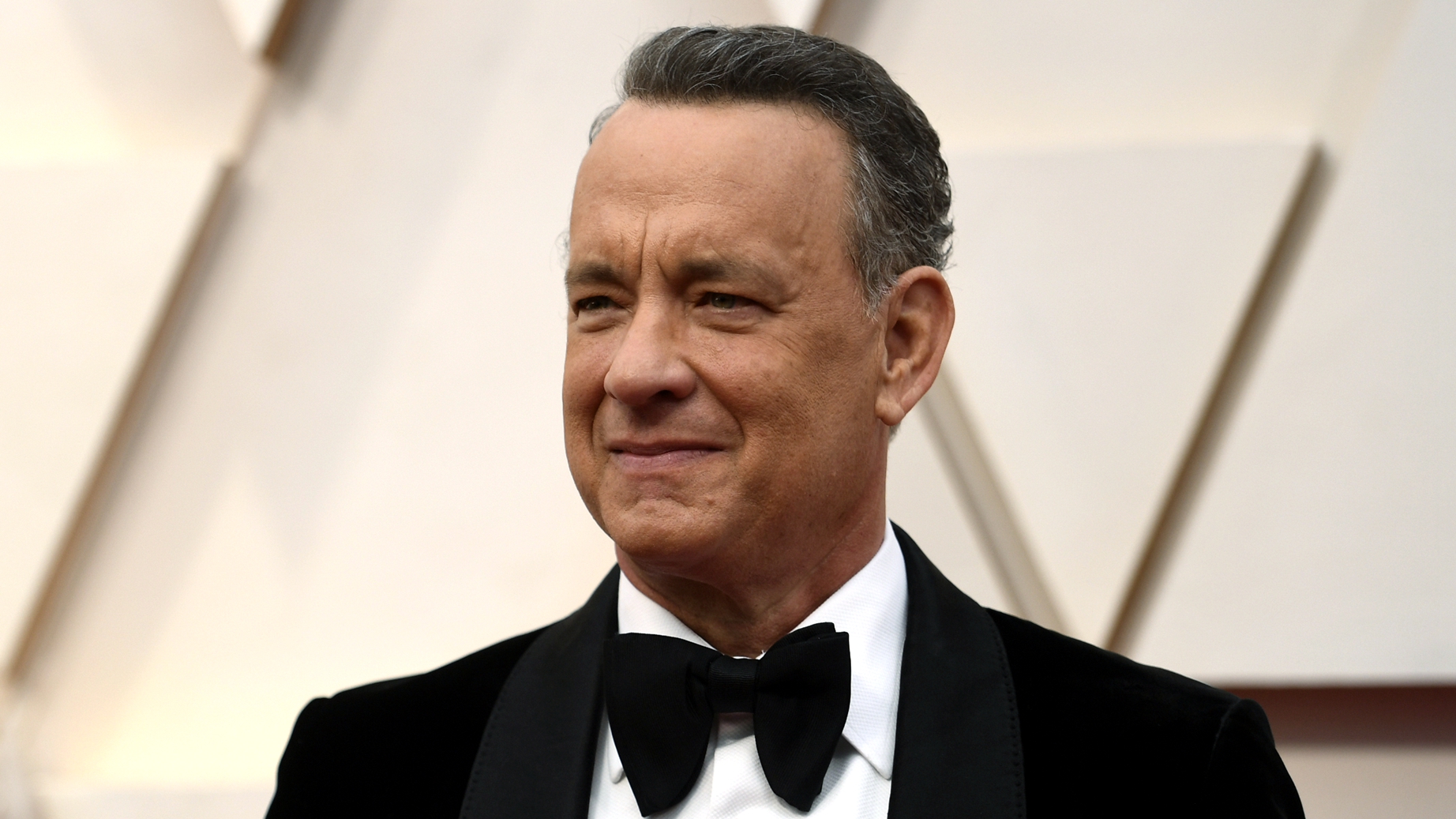
The net worth gap between Alexander Ludwig and Tom Hanks reflects two entirely different tiers within the global entertainment industry, defined by career longevity, scale of box-office drawing power, entrepreneurial ventures, and decades of headlining major Hollywood feature films.
Evaluating the financial standings of prominent entertainment figures involves examining career milestones, asset accumulation, production credits, and enduring industry influence. While both individuals achieved substantial financial success through professional acting, their positioning within the wealth spectrum varies significantly due to structural differences in their respective career trajectories. This analysis explores the fiscal backgrounds, professional achievements, and wealth-building mechanisms of Alexander Ludwig and Tom Hanks.
Career Longevity and Industry Positioning
Tom Hanks has maintained a premier position in the global film industry for over four decades. Emerging as a prominent comedic actor in the 1980s before transitioning into critically acclaimed dramatic roles, Hanks established himself as one of history's most bankable and respected cinematic leads. His filmography spans dozens of blockbuster hits, historical epics, and animated features that have collectively grossed billions of dollars worldwide. This sustained commercial success has allowed him to command top-tier base salaries, often supplemented by backend box-office percentage deals that significantly multiply his upfront earnings.
Alexander Ludwig represents a younger generation of television and film actors who built substantial recognition through high-profile cable television series and mid-to-high-budget action features. Rising to international prominence with his role in The Hunger Games and subsequently anchoring multiple seasons of the historical drama series Vikings, Ludwig transitioned into a reliable leading and supporting presence in network and streaming projects. While his career has generated a secure multi-million-dollar portfolio, his timeline in the industry is considerably shorter, and his involvement has leaned heavily toward serial television and ensemble features rather than decades of holding top-billing status on major studio tentpoles.
Evaluating Tom Hanks' Financial Portfolio
Tom Hanks' estimated net worth spans hundreds of millions of dollars, frequently cited in financial media estimates between $350 million and $400 million. This wealth is a product of sustained high-earning cinematic projects combined with astute business decisions made over a long period.
Key components of Tom Hanks' financial standing include:
- Pioneering Backend Deals: Hanks was among the early modern actors to trade reduced upfront salaries for backend profit participation. His decision to take a percentage of the gross box office for Forrest Gump resulted in tens of millions of dollars in personal earnings.
- Production and Direction Ventures: Alongside his wife, Rita Wilson, Hanks established Playtone, a production company responsible for successful feature films such as My Big Fat Greek Wedding and television series like Band of Brothers and The Pacific.
- Real Estate Holdings: Hanks and Wilson maintain a diversified real estate portfolio, featuring significant residential properties in Los Angeles (Pacific Palisades) as well as international holdings in Greece.
- Endorsements and Intellectual Property: While selective with commercial endorsements, Hanks' likeness, voice work (such as Woody in the Toy Story franchise), and residual payments from iconic television and film projects generate a continuous passive income stream.
Analyzing Alexander Ludwig's Wealth Accumulation
Alexander Ludwig maintains an estimated net worth in the range of $3 million to $5 million. His wealth accumulation stems primarily from episodic television salaries, supporting roles in studio features, independent film participation, and commercial sponsorships.
The financial framework of Ludwig's career involves distinct revenue channels:
- Television Salaries: Long-running television commitments, particularly multi-season television work on cable and streaming networks, provide consistent, recurring income that forms the foundation of contemporary acting portfolios.
- Studio and Independent Film Fees: Appearances in youth-focused franchises and action films secure baseline upfront talent fees, though these rarely include the lucrative backend profit shares common among veteran A-list actors.
- Entrepreneurial and Lifestyle Interests: Beyond acting, Ludwig has pursued ventures in the lifestyle and music sectors, alongside brand partnerships that leverage his social media footprint and public profile.
- Real Estate and Assets: As his career progressed, Ludwig has invested in residential property to secure long-term personal assets outside of volatile entertainment income.
Financial Comparison Overview
| Metric / Category | Tom Hanks | Alexander Ludwig |
|---|---|---|
| Estimated Net Worth | $350,000,000 – $400,000,000 | $3,000,000 – $5,000,000 |
| Primary Wealth Driver | Backend film grosses, Playtone production company, decades of top-tier studio salaries | Episodic television contracts, supporting feature film roles, brand partnerships |
| Industry Tenure | Active since the late 1970s / early 1980s | Active since the early 2000s |
| Key Commercial Milestones | Forrest Gump, Cast Away, Toy Story franchise, Saving Private Ryan | The Hunger Games, Vikings, Bad Boys for Life, Heels |
| Asset Diversification | Global real estate, active film/TV production studio, intellectual property rights | Residential real estate holdings, lifestyle brand investments |
Factors Influencing Net Worth Discrepancies in Hollywood
The substantial variance between the financial profiles of veteran cinematic icons and modern television actors highlights structural economic realities within the entertainment industry. Major motion picture studios historically allocate massive capital resources to proven box-office draws who can guarantee international distribution funding. Actors who established their market value during the peak physical-media era of the 1990s and 2000s capitalized on lucrative DVD residuals and traditional television syndication markets that no longer generate identical revenue streams in the modern streaming era.
Conversely, contemporary performers navigate an ecosystem dominated by subscription video-on-demand platforms. While streaming models offer global exposure and consistent employment opportunities across shortened television orders, they frequently replace traditional residuals with buyout structures or compressed payment schedules. Consequently, actors building their careers in the streaming and cable landscape must diversify into independent production, brand equity, and alternative business ventures to bridge the earning gap historically secured through long-term box-office dominance.
Frequently Asked Questions
What is the primary reason for the net worth difference between Tom Hanks and Alexander Ludwig?
The primary driver is career longevity and the scale of compensation models across different eras of Hollywood. Tom Hanks has starred in dozens of globally successful blockbuster films over four decades, often securing backend profit participation. Alexander Ludwig has built a successful career primarily spanning television series and supporting film roles over a shorter timeframe.
Does Alexander Ludwig own a production company like Tom Hanks?
Tom Hanks co-owns Playtone, a major production company that has produced multiple commercially successful films and television series. While Alexander Ludwig has explored independent projects and creative ventures, he does not currently operate a studio-scale production entity comparable to Playtone.
How do modern streaming residuals affect actors compared to traditional television?
Modern streaming platforms typically utilize buyout structures or fixed compensation models rather than the long-term syndication residuals and physical-media royalties that historically augmented the wealth of veteran film stars. This structural shift impacts how newer generations of actors accumulate long-term passive income.
What are Tom Hanks' most lucrative career projects?
Hanks' most financially rewarding projects include Forrest Gump, where his decision to accept a percentage of the gross profits yielded massive returns, alongside voice acting in Disney and Pixar's Toy Story franchise and various historical dramas directed by Robert Zemeckis and Steven Spielberg.
How does real estate factor into celebrity net worth preservation?
Real estate serves as a stable, appreciating asset class that allows high-income earners to diversify away from the inherent volatility of entertainment industry cash flows. Both actors utilize property acquisition as a primary component of their long-term wealth management strategies.
Are public net worth estimates for actors accurate?
Public net worth figures published by financial media outlets are generally estimates based on publicly available real estate transactions, reported salary disclosures, historical trade publication data, and industry standard deductions for taxes, agents, and managers. They should be viewed as approximations rather than audited financial statements.
Next Steps for Wealth Assessment and Financial Literacy
When evaluating personal finance lessons from entertainment industry careers, individuals should focus on asset diversification, income stream creation, and long-term planning. While celebrity earnings operate on a scale uncharacteristic of traditional professions, the underlying principles of securing multiple streams of revenue, investing in tangible assets, and retaining equity in creative or entrepreneurial ventures remain universally applicable across all economic levels.