Alexander Litvinenko was a former officer of the Soviet KGB and its post-Soviet successor, the Russian Federal Security Service (FSB), who became a prominent Kremlin critic, defector, and writer. His assassination in London in November 2006 via polonium-210 poisoning triggered an international diplomatic crisis and an exhaustive British public inquiry that formally implicated high-level Russian state authority.
Origins and Early Career in the Soviet and Russian Security Services
Alexander Walterovich Litvinenko was born on December 4, 1962, in Voronezh, Soviet Union. He entered state service through the Soviet military before transitioning into the specialized apparatus of the state security machinery. During the final years of the Soviet Union, Litvinenko worked within the military counterintelligence department of the KGB. Following the collapse of the USSR in 1991, he continued his career within the newly formed Ministry of Security, which subsequently became the Federal Counterintelligence Service (FSK) and, eventually, the Federal Security Service (FSB).
Litvinenko specialized in the interdiction of organized crime, corruption, and high-stakes criminal conspiracies operating within the Russian Federation. By the mid-1990s, he had attained the rank of lieutenant colonel. His assignments brought him into contact with elite criminal syndicates, corrupt bureaucratic structures, and the upper echelons of the Russian military-industrial complex. During the First Chechen War, Litvinenko was deployed to the North Caucasus on multiple counterintelligence missions, an experience that profoundly influenced his political consciousness and exposed him to the internal mechanics of state military operations in the region.
The Public Defection and Break with the FSB
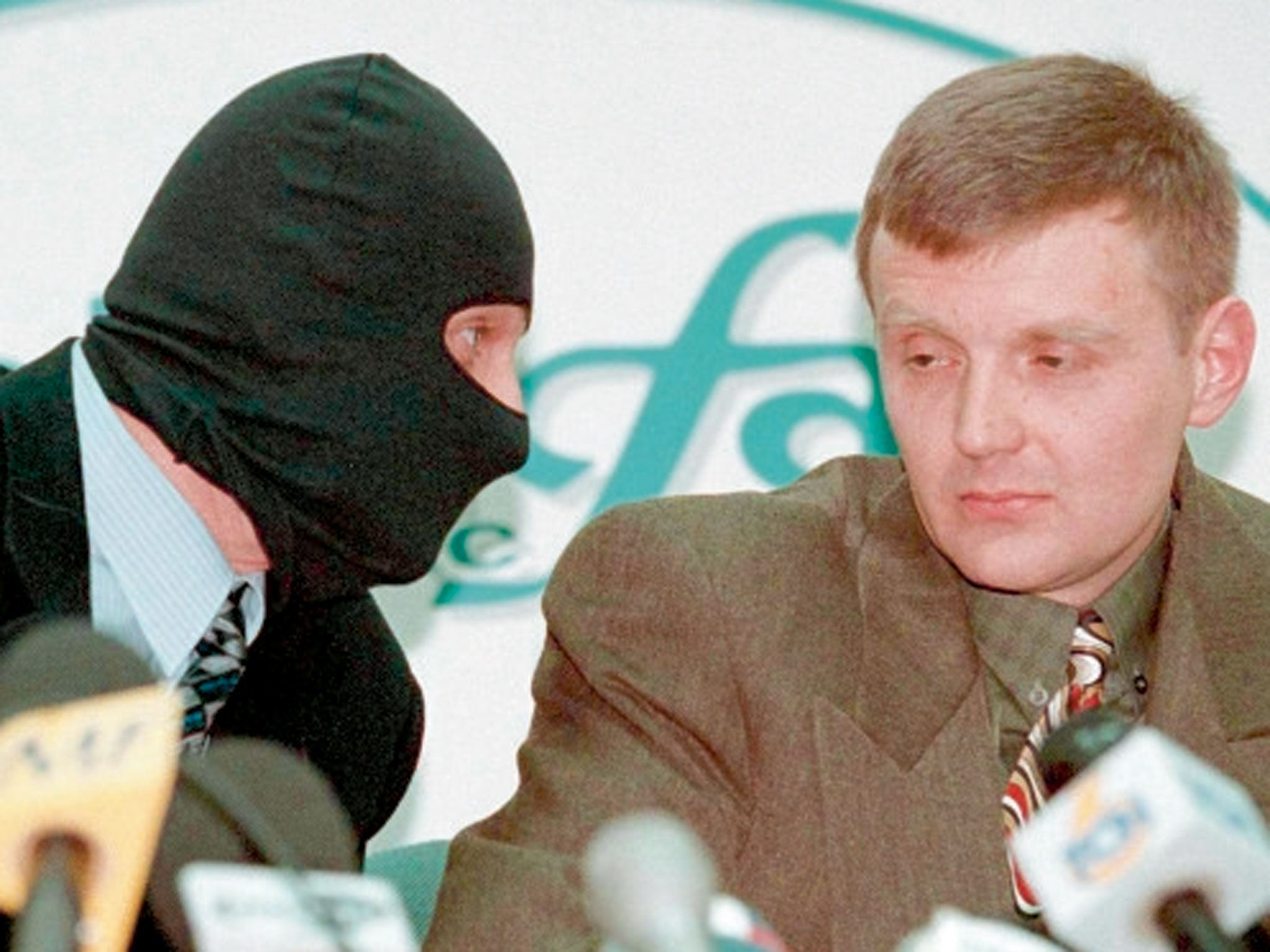
The defining turning point in Litvinenko’s life occurred in November 1998. Alongside several fellow FSB officers, Litvinenko held a heavily publicized press conference in Moscow. Rather than utilizing internal channels, the officers publicly accused their superiors of ordering them to assassinate Boris Berezovsky, a powerful Russian oligarch and political powerbroker who later fell out of favor with the administration of Vladimir Putin. Litvinenko also alleged that the FSB had engaged in other unlawful operations, including unauthorized domestic surveillance, extrajudicial detentions, and criminal enterprises.
The public insubordination provoked an immediate and aggressive response from the Russian state. Litvinenko was arrested by the FSB in March 1999 on charges of exceeding his professional authority. Although he was acquitted of these initial charges by a military court in November 1999, he was immediately rearrested on separate, fabricated corruption charges before he could walk free. He was released on recognizance pending trial, but sensing imminent danger and enduring mounting state pressure, Litvinenko and his family chose to flee the country. In late 2000, they crossed into Turkey and subsequently traveled to the United Kingdom, where Litvinenko formally requested political asylum, which was granted in 2001.
Exile, Literary Pursuits, and Collaborations
Settling in London, Litvinenko transitioned from an insider intelligence operative into a vocal dissident and investigative writer. Working closely with exiled Russian dissidents, journalists, and intelligence figures, he dedicated his exile to exposing the authoritarian trajectory of the Russian government under President Vladimir Putin. He co-authored two major books that levied severe accusations against the Russian state security apparatus.
His first major work, Blowing Up Russia: Terror from Within (written with historian Yuri Felshtinsky), argued that the 1999 Russian apartment bombings—which killed hundreds of civilians and served as the primary justification for the Second Chechen War—were orchestrated not by Chechen separatists, but by the FSB as a false-flag operation to propel Vladimir Putin to the presidency. Litvinenko also alleged that the FSB was deeply intertwined with international narcotics trafficking, money laundering, and organized crime syndicates throughout Europe.
In addition to his literary output, Litvinenko worked as a consultant for British intelligence agencies, including MI6, providing insight into the structure, operational methods, and personnel of the post-Soviet Russian security services. He also maintained professional relationships with Spanish intelligence services, assisting them in mapping out the expansion of Russian mafia networks operating within the Iberian Peninsula.
The Assassination and Polonium-210 Poisoning
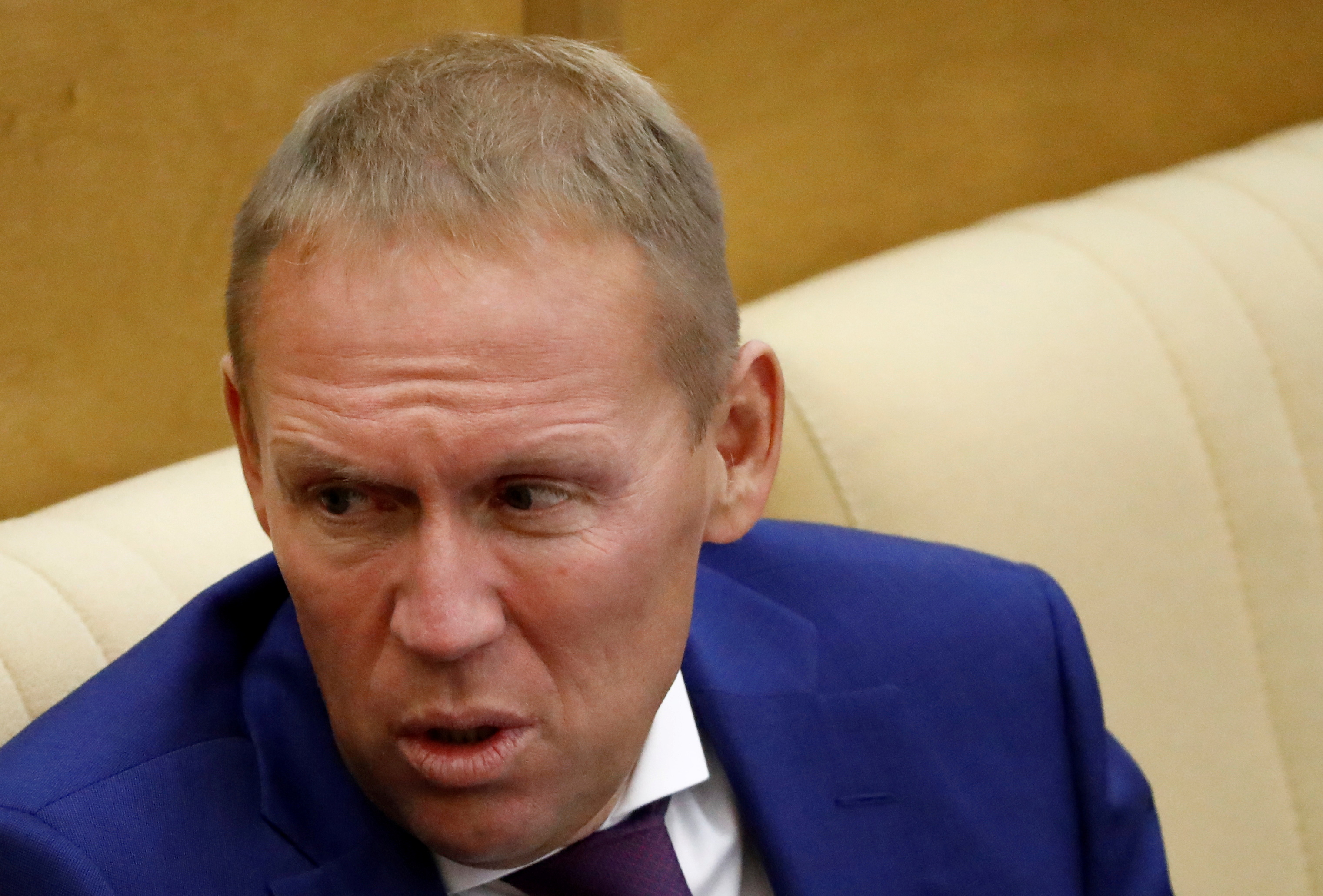
On November 1, 2006, Alexander Litvinenko met with two former Soviet security contacts, Andrei Lugovoi and Dmitry Kovtun, at the Pine Bar of the Millennium Hotel in Mayfair, London. During the meeting, Litvinenko consumed several cups of green tea, which had been laced with a microscopic, highly lethal dose of the rare radioactive isotope polonium-210.
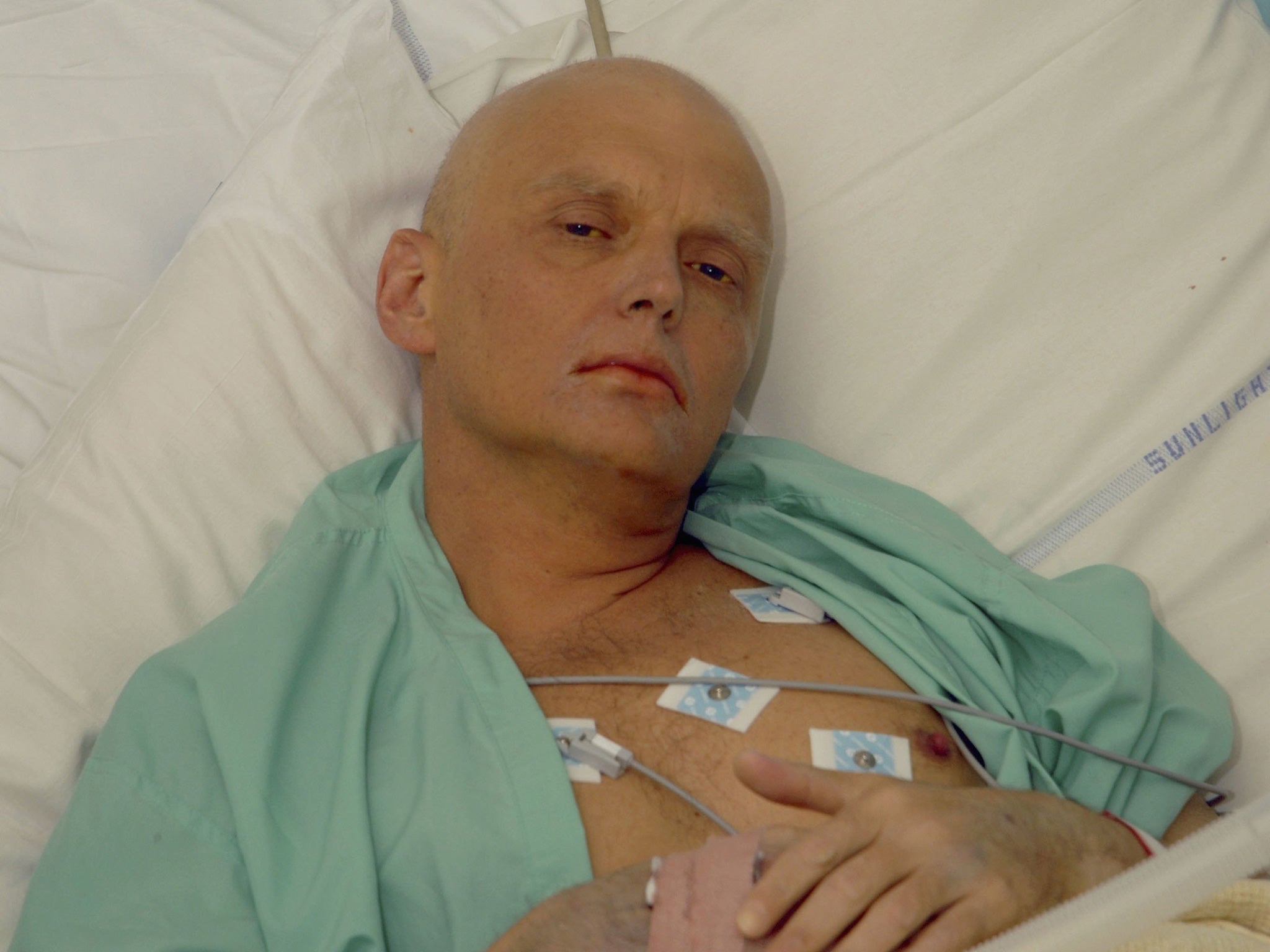
Within hours of the meeting, Litvinenko fell violently ill, experiencing severe gastrointestinal distress, rapid hair loss, bone marrow failure, and multi-organ collapse. He was admitted to Barnet General Hospital and subsequently transferred to University College Hospital in central London, where medical staff struggled for weeks to diagnose the rapidly deteriorating condition. British toxicologists and nuclear specialists ultimately identified polonium-210 as the agent responsible, an isotope that emits alpha radiation which is harmless outside the body but catastrophic if ingested or inhaled.
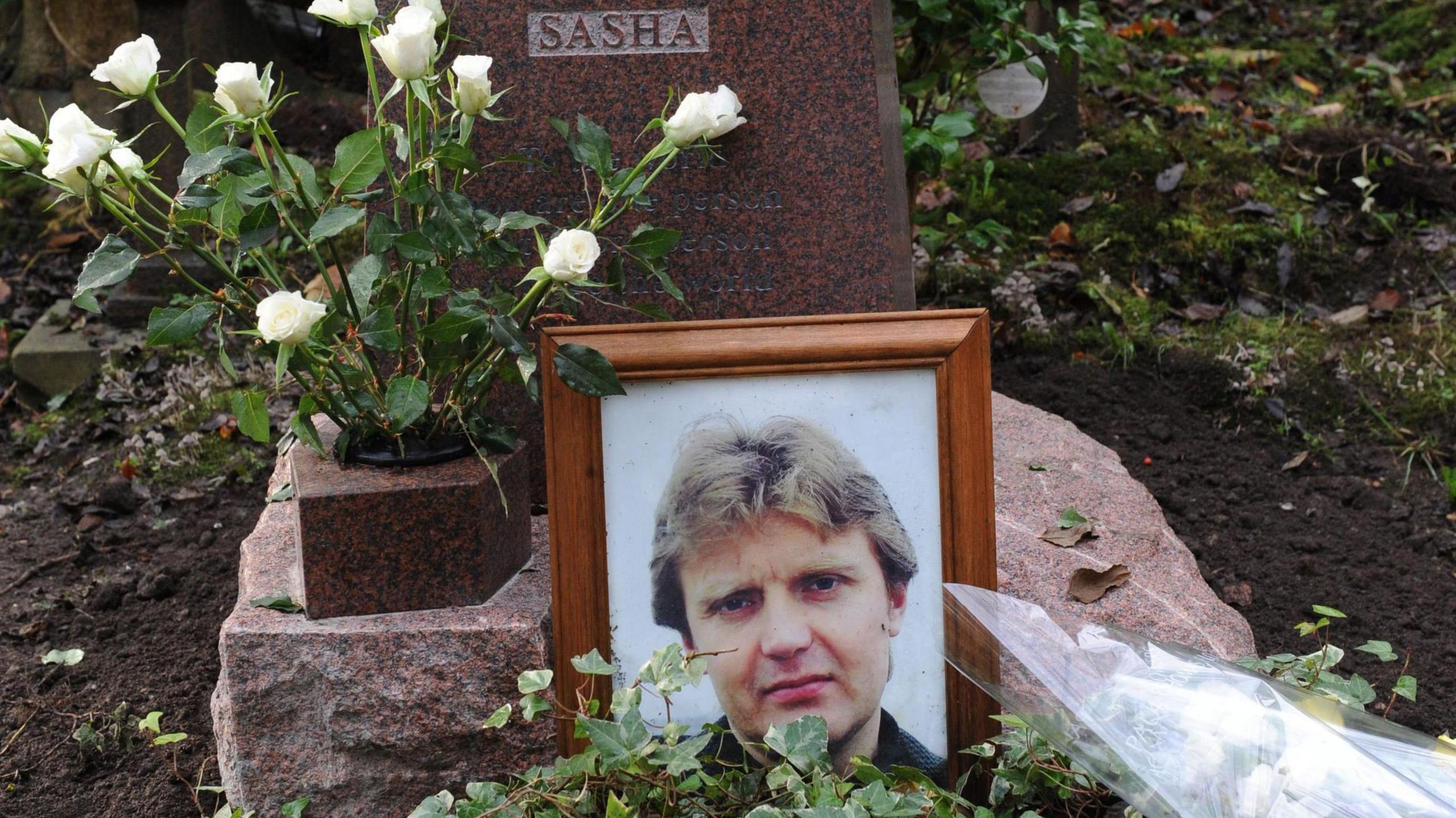
Litvinenko’s condition steadily worsened over three weeks. On November 23, 2006, while conscious and receiving intensive care, he died from radiation-induced organ failure at the age of 44. Prior to his death, Litvinenko issued a dictated statement directly accusing Vladimir Putin of responsibility for his assassination, an accusation that immediately catapulted the event onto the front pages of global media outlets.
Investigation, Public Inquiry, and Diplomatic Fallout
The British Metropolitan Police launched a massive murder investigation, tracking the trail of polonium-210 across London. Investigators discovered radioactive contamination left behind by Lugovoi and Kovtun at the Millennium Hotel, in hotel rooms, on commercial aircraft, and at various public venues across the city, highlighting the hazardous nature of the radioactive material used in a densely populated urban environment.
Key Aspects of the Litvinenko Investigation
| Feature | Details |
|---|---|
| Primary Victim | Alexander Litvinenko (Former FSB officer and British citizen) |
| Date of Poisoning | November 1, 2006 |
| Date of Death | November 23, 2006 |
| Lethal Agent | Polonium-210 (Alpha emitter) |
| Key Suspects Identified | Andrei Lugovoi and Dmitry Kovtun |
| Official Inquiry Conclusion | Operation likely approved by FSB Director Nikolai Patrushev and President Vladimir Putin |
The British government formally requested the extradition of Andrei Lugovoi and Dmitry Kovtun from the Russian Federation to stand trial for murder. The Russian government refused, citing constitutional prohibitions against extraditing Russian citizens to foreign jurisdictions. This refusal sparked a diplomatic freeze between London and Moscow, characterized by the expulsion of diplomats, the suspension of intelligence cooperation, and protracted bilateral friction.
In 2014, the British government initiated a formal public inquiry led by Sir Robert Owen. The inquiry examined classified and unclassified evidence to determine the precise chain of command and state responsibility behind the assassination. Published in January 2016, the Owen Report concluded that Andrei Lugovoi and Dmitry Kovtun had placed polonium-210 in Litvinenko’s teapot with the intent to poison him. Furthermore, the report stated that the operation was likely approved by Nikolai Patrushev, then-head of the FSB, and Vladimir Putin. The Russian government consistently and vehemently denied any involvement in Litvinenko's death, dismissing the British inquiry as politically motivated and biased.
Global Geopolitical Repercussions and Legacy
The assassination of Alexander Litvinenko marked a watershed moment in international relations, fundamentally altering how Western governments viewed the projection of state-sponsored violence beyond national borders. The use of a radioactive isotope in the heart of London demonstrated an unprecedented willingness by state actors to deploy weapons-grade materials in civilian areas, creating public health hazards and violating international norms.
In subsequent years, the case served as a historical benchmark for subsequent investigations into targeted killings and intelligence operations involving Russian state actors on foreign soil, including the 2018 poisoning of Sergei and Yulia Skripal in Salisbury, England. For intelligence historians, Litvinenko's life and death illustrate the complex, perilous intersection of post-Soviet espionage, organized crime, political dissent, and international jurisprudence. His widow, Marina Litvinenko, became a tireless campaigner for human rights and political accountability, establishing a lasting legacy centered on the pursuit of justice in transnational assassination cases.
Frequently Asked Questions
Who was Alexander Litvinenko?
Alexander Litvinenko was a former lieutenant colonel in the Soviet KGB and the Russian FSB who defected to the United Kingdom in 2000. In exile, he became a vocal critic of President Vladimir Putin, co-authoring books that accused the Russian security services of corruption, criminal enterprise, and orchestrating domestic false-flag operations.
How was Alexander Litvinenko assassinated?
Litvinenko was assassinated in London in November 2006 via polonium-210 poisoning. The radioactive isotope was dissolved in green tea during a meeting with former FSB contacts Andrei Lugovoi and Dmitry Kovtun at a central London hotel. The ingestion of alpha-emitting polonium-210 caused catastrophic radiation sickness and multi-organ failure over three weeks.
What did the British public inquiry conclude about the assassination?
The British public inquiry, led by Sir Robert Owen and published in 2016, concluded that Andrei Lugovoi and Dmitry Kovtun carried out the poisoning. The inquiry further stated that the assassination operation was likely approved by FSB Director Nikolai Patrushev and Russian President Vladimir Putin. The Russian government rejected these findings.
Why did Russia refuse to extradite the primary suspects?
The Russian government refused to extradite Andrei Lugovoi and Dmitry Kovtun to the United Kingdom, citing provisions in the Russian Constitution that explicitly prohibit the extradition of Russian citizens to foreign nations for trial. Both suspects subsequently pursued political careers in Russia, with Lugovoi becoming a member of the State Duma.
What is the broader historical significance of the Litvinenko case?
The case is widely regarded as a major turning point in modern counterintelligence and diplomatic relations. It demonstrated the deployment of unconventional, weapons-grade agents in civilian environments for targeted assassinations, establishing a precedent for how Western security agencies investigate and respond to transnational state-sponsored violence.
Professional Legal and Security Advisory Disclaimer
The historical and legal assessments detailed in this article are derived from publicly available judicial proceedings, official government inquiries, and investigative journalism. This material is provided strictly for educational, informational, and research purposes and does not constitute formal legal, geopolitical, or professional security advice. Readers seeking guidance on international law, security risk management, or jurisdictional regulations should consult qualified professionals or official state authorities.