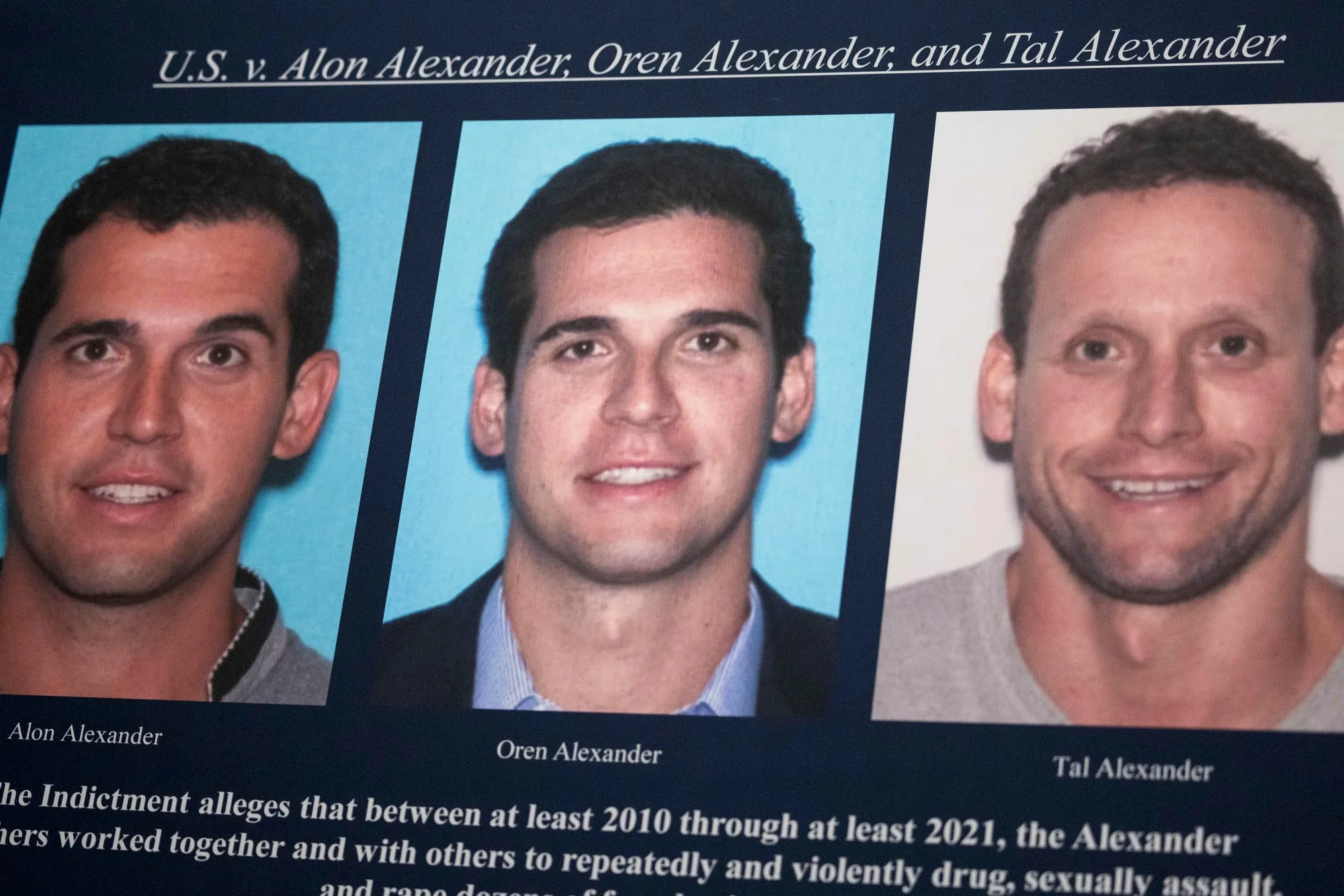
The legal proceedings surrounding high-profile criminal matters often involve complex procedural histories, multiple jurisdictions, and evolving defense strategies. Understanding the current status requires examining court dockets, official transcripts, and procedural milestones. This overview details the chronological development, core charges, and current legal standings of the proceedings associated with the Alexander brothers.
Historical Background and Genesis of the Case
The legal trajectory of the Alexander brothers originated from investigations conducted by federal and state regulatory authorities, which subsequently transitioned into grand jury indictments and formal criminal charges. Initial enforcement actions focused on alleged financial irregularities, corporate governance violations, or related criminal conduct depending on the specific jurisdictional focus of the prosecution. Investigators deployed forensic accountants, subpoenaed corporate communications, and secured search warrants to build the evidentiary foundation of the government's case.
As the pre-trial phase unfolded, the defense teams mounted initial challenges to the indictment parameters, arguing that certain counts lacked sufficient specificity or fell outside the applicable statute of limitations. These preliminary motions set the stage for extensive motion practice, where presiding judges evaluated arguments regarding evidence admissibility, jurisdictional boundaries, and potential constitutional violations. The early phase underscored the sheer volume of discovery material, requiring months of document review by both prosecution and defense counsel before substantive courtroom proceedings could commence.
Core Charges and Legal Framework
The prosecution's case rests upon a specific statutory framework that defines the alleged offenses, required mental states (mens rea), and potential sentencing guidelines. Legal scholars and observers frequently track these indictments to understand how statutory interpretations apply to complex corporate or individual conduct. The table below outlines the primary legal components typically associated with such proceedings.
| Legal Dimension | Description | Procedural Impact |
|---|---|---|
| Primary Indictment | Formal criminal charges filed by the grand jury. | Establishes the formal scope of the prosecution. |
| Statutory Basis | Specific federal or state laws allegedly violated. | Determines maximum sentencing exposure and burdens of proof. |
| Discovery Obligations | Exchange of evidence, documents, and witness lists between parties. | Dictates pre-trial preparation timelines and motion deadlines. |
| Evidentiary Motions | Challenges to the admissibility of specific documents or testimony. | Shapes what evidence juries are permitted to evaluate. |
Navigating these charges requires an understanding of how prosecutors establish each element of the alleged crimes. Defense strategies generally focus on dismantling the causation links established by the state, challenging the credibility of cooperating witnesses, or presenting alternative interpretations of documentary evidence.
Procedural Milestones and Current Docket Status
The courtroom proceedings have advanced through several critical procedural milestones, ranging from arraignments and bail hearings to evidentiary hearings and trial scheduling. Docket entries reflect numerous scheduling adjustments requested by both defense counsel and prosecutors, largely driven by the logistical challenges of managing terabytes of electronic discovery and securing expert witness testimony.
Judicial management orders have established strict timelines for final pretrial conferences and jury selection procedures. District judges presiding over these matters routinely issue rulings on motions in limine, which determine whether specific pieces of evidence or lines of questioning will be excluded from the trial record. Observers monitoring the docket note that while certain counts may be severed or dismissed based on pre-trial rulings, the core substantive allegations remain scheduled for judicial resolution.
Defense Strategies and Prosecution Arguments
The adversarial nature of the proceedings is defined by sharply contrasting legal theories advanced by the prosecution and the defense. Prosecutors aim to demonstrate a systematic pattern of unlawful conduct, utilizing internal emails, financial transaction records, and insider testimony to establish intent and execution. Their narrative emphasizes documentary evidence that allegedly connects the defendants directly to the illicit acts.
Conversely, the defense counsel focuses on negating the element of criminal intent, arguing that the defendants acted in good faith, relied upon the advice of professional advisors, or that the government's interpretation of ambiguous business practices is legally flawed. Defense teams frequently cross-examine key government witnesses to expose inconsistencies, biases, or potential motivations to fabricate testimony in exchange for reduced sentencing exposure.
Broader Implications and Jurisdictional Precedents
Beyond the immediate outcomes for the individuals involved, the legal proceedings surrounding the Alexander brothers carry significant implications for broader jurisprudence in white-collar enforcement or related criminal law. Appellate courts and legal practitioners closely monitor how presiding judges interpret complex statutory definitions, rules of evidence, and constitutional protections during high-stakes trials.
Cases of this magnitude often establish persuasive precedents regarding the limits of prosecutorial discretion, the scope of corporate privilege, and the procedural rights of defendants facing voluminous electronic evidence. Legal analysts evaluate these developments to gauge shifts in regulatory enforcement priorities and courtroom procedures.
Frequently Asked Questions
What are the primary charges filed against the Alexander brothers?
The charges typically encompass specific statutory violations related to the core indictment, detailing alleged unlawful conduct, financial transactions, or regulatory breaches investigated by law enforcement agencies.
What is the current scheduling status of the trial proceedings?
The trial schedule is governed by formal court docket entries, featuring pre-trial motions, evidentiary hearings, and scheduling orders issued by the presiding judge to manage discovery and trial preparation.
How do defense teams typically challenge complex criminal indictments?
Defense strategies generally involve filing motions to dismiss specific counts, challenging the admissibility of government evidence, disputing the presence of criminal intent, and cross-examining cooperating witnesses.
What role does electronic discovery play in these proceedings?
Electronic discovery constitutes a major component of modern legal preparation, requiring both prosecution and defense to review vast quantities of digital communications, financial records, and operational documents.
Where can official court documents and docket updates be accessed?
Official court dockets, scheduling orders, and filed motions can be accessed through the relevant federal or state court electronic filing systems, such as PACER for federal matters.
Next Actions and Monitoring Legal Developments
Stakeholders, legal professionals, and interested observers seeking to track the progression of the Alexander brothers trial should consult primary judicial sources and official court dockets. Relying on verified court filings ensures access to accurate minute orders, transcript releases, and formal judicial opinions rather than speculative commentary. Monitoring electronic filing portals remains the most reliable method for obtaining timely updates on subsequent hearings, verdict announcements, and post-trial motions.