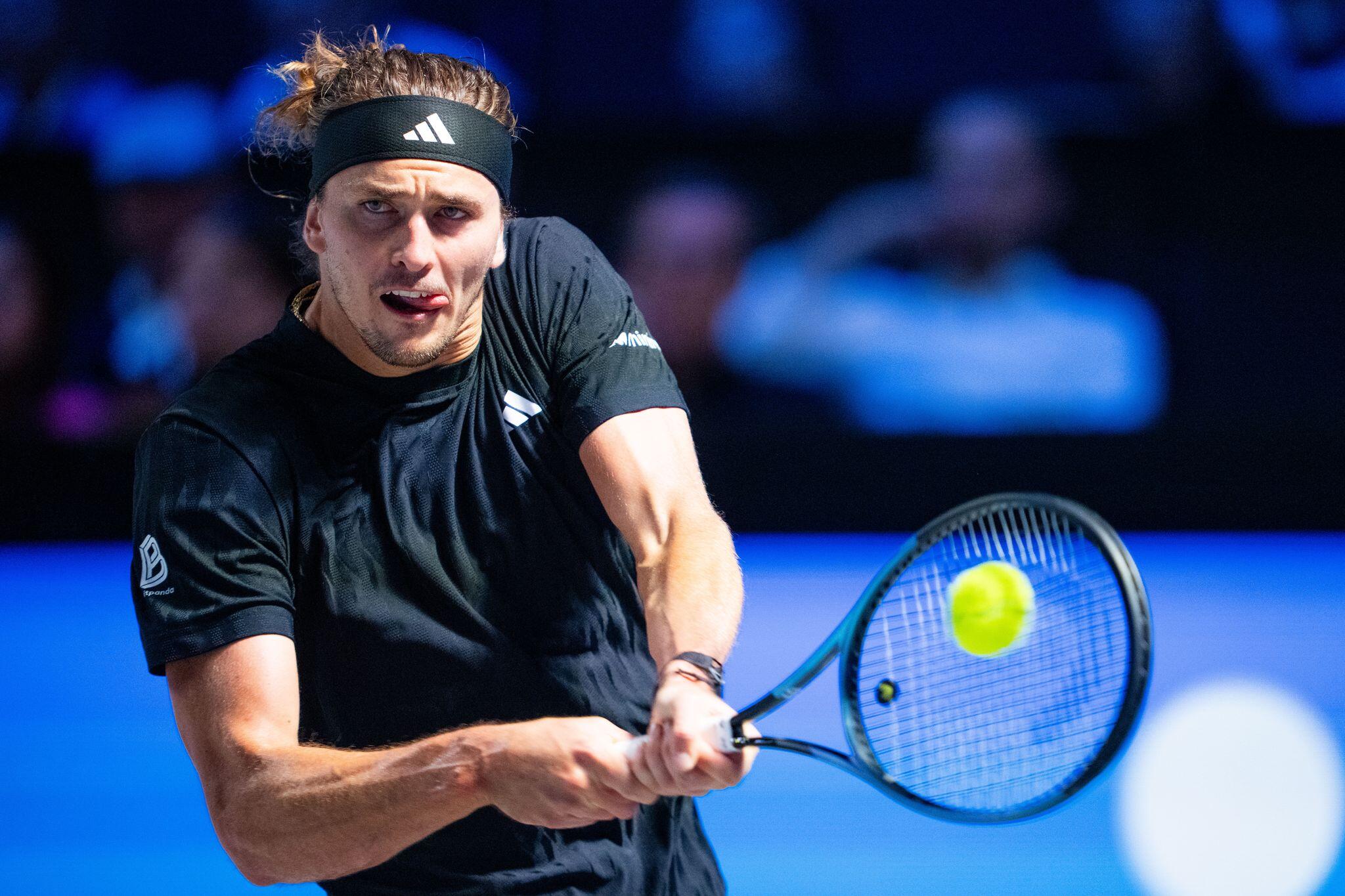
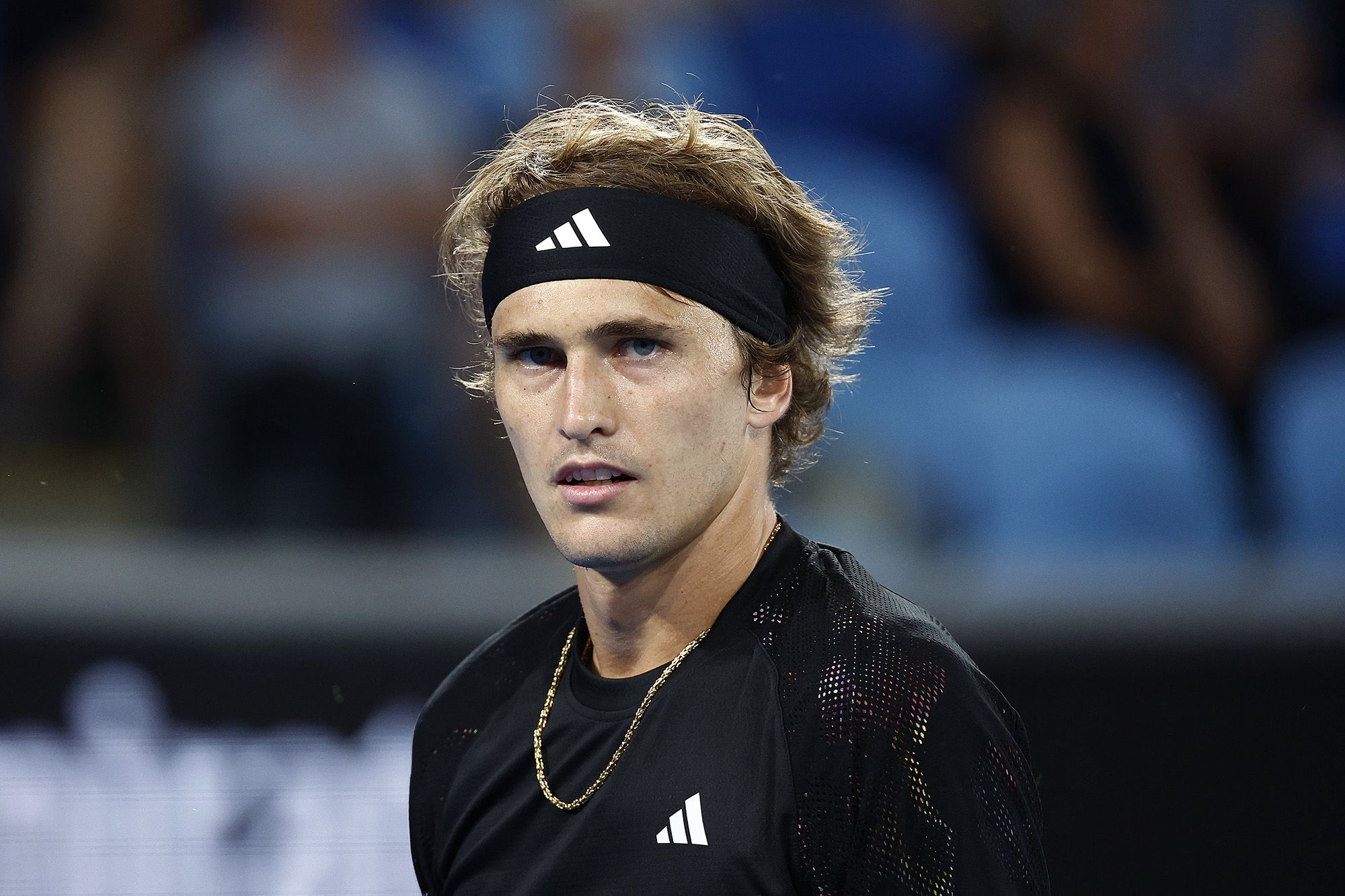
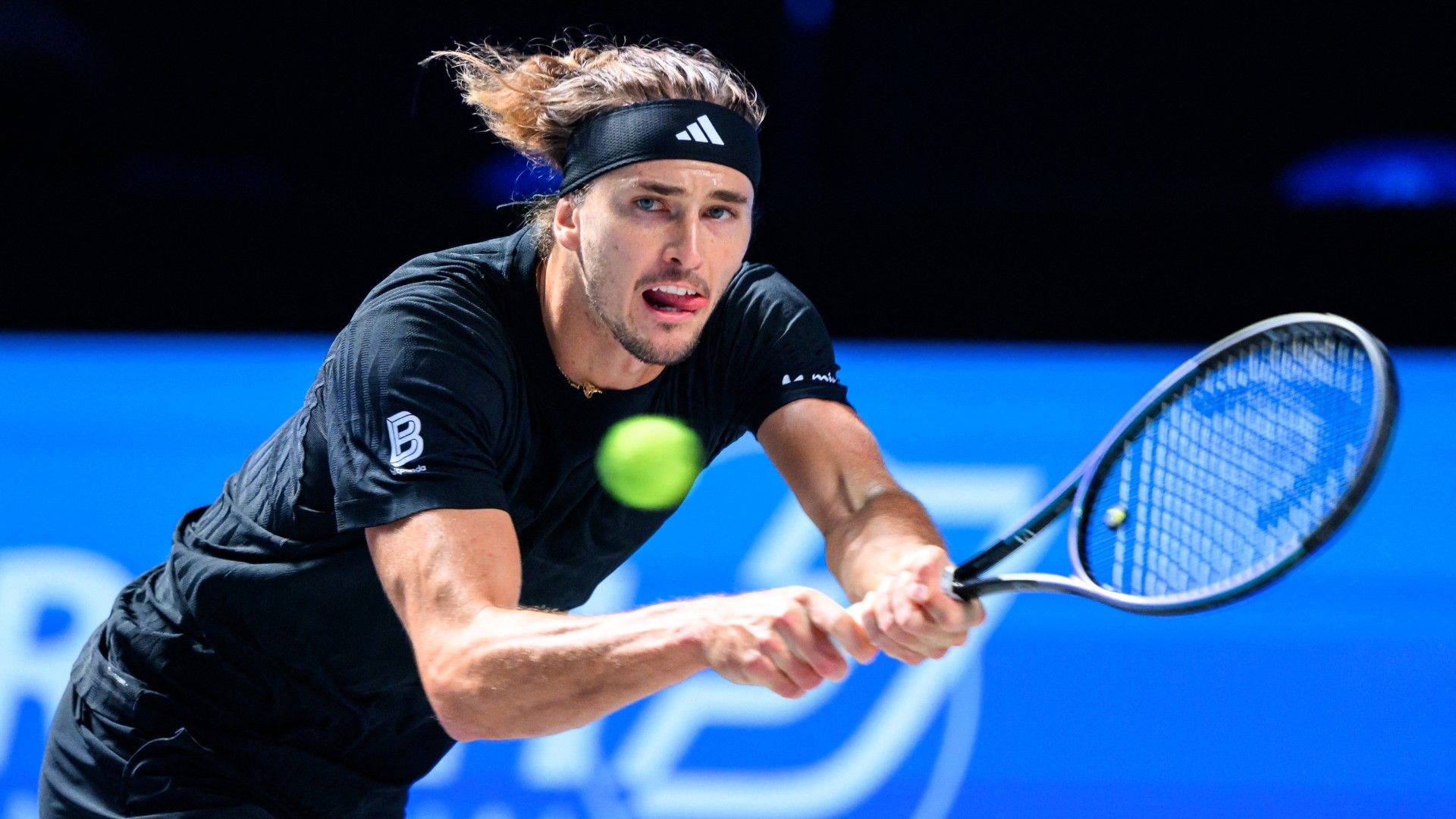
Alexander Zverev stands as a defining pillar of modern men’s professional tennis, combining towering athletic stature, a devastating baseline game, and relentless competitive drive to anchor Germany’s presence at the absolute summit of the sport.
As a fixture of the Association of Tennis Professionals (ATP) elite, Alexander Zverev has cemented his legacy through elite Masters 1000 titles, deep Grand Slam runs, and an Olympic singles gold medal. This comprehensive examination explores the technical foundation of his game, his trajectory on the global tour, his mental fortitude following significant injury setbacks, and his profound impact on German tennis culture.
The Evolution of a Prodigy: From Hamburg Courts to Global Prominence
Born in Hamburg, Germany, in 1997 to former professional tennis players Alexander Zverev Sr. and Irina Zvereva, Alexander—often affectionately called "Sascha"—was immersed in the sport from infancy. Coached heavily by his father during his formative years and later joined by former world number one Juan Carlos Ferrero and Spanish coach Sergi Bruguera, Zverev progressed rapidly through the junior ranks. He captured the ITF junior world number one ranking in 2013 and claimed the junior Australian Open boys' singles title in 2014.
Transitioning to the senior professional circuit, Zverev did not merely make up the numbers; he shattered age-related benchmarks. In 2016, at age 19, he secured his maiden ATP singles title at the St. Petersburg Open, defeating reigning champion Stan Wawrinka in the final. This breakthrough signaled to the wider tennis world that a new generational talent had arrived. His ability to translate junior dominance into professional success quickly established him as the leader of the ATP Next Gen cohort, setting high expectations for a career destined to challenge the historical hegemony of the "Big Three" of Roger Federer, Rafael Nadal, and Novak Djokovic.
Technical Analysis: Breaking Down Zverev’s Elite Arsenal
At 6 feet 6 inches tall, Alexander Zverev defies conventional expectations of how a player of his height should move and strike the ball. His physical dimensions grant him an exceptionally wide defensive radius and a formidable serving leverage, yet his agility allows him to slide and recover on clay courts as fluidly as he dictates play on fast hard courts.
The Serve and Groundstroke Mechanics
Zverev’s serve functions as both a primary weapon and a tactical anchor. Utilizing a fluid, high-toss motion, he consistently generates first-serve speeds exceeding 130 mph, complemented by a heavy kick second serve that bounces high to trouble opposing returners.
Off the ground, his backhand is widely regarded as one of the cleanest and most penetrating two-handed strokes in the history of the sport. Capable of redirecting pace down the line or pinning opponents deep with cross-court depth, the backhand acts as his offensive engine. While his forehand has historically faced scrutiny during high-pressure moments due to a more extreme Western grip and varying swing lengths, strategic adjustments and physical maturation have transformed it into a reliable, heavy-ball-striking instrument.
Tactical Versatility Across Surfaces
Unlike many modern baseliners who favor a single preferred surface, Zverev possesses a game tailored for success across all conditions:
- Hard Courts: His flat, penetrating groundstrokes and aggressive first serve allow him to dictate play early in rallies, yielding significant success at the Australian Open and the US Open.
- Clay Courts: Exceptional sliding mechanics, stamina, and patience enable him to construct points effectively, neutralizing opponents through deep topspin and relentless baseline coverage.
- Grass Courts: While historically requiring more adaptation due to low bounces and quick exchanges, his sheer reach and serving prowess make him a dangerous opponent on lawns.
Milestone Achievements and Historical Significance
Zverev’s trophy cabinet reflects a career spent consistently among the world's elite. Among his most consequential achievements are multiple ATP Masters 1000 titles—won across different venues such as Madrid, Rome, and Cincinnati—demonstrating his ability to conquer elite fields in multi-week and grueling weekly formats.
His crowning individual achievement arrived at the 2020 Tokyo Olympic Games (held in 2021). Representing Germany, Zverev delivered a masterclass in resilience during the semi-finals, overcoming a set and a break deficit against world number one Novak Djokovic to deny the Serbian player the Calendar Golden Slam. Zverev subsequently defeated Karen Khachanov in the gold-medal match, securing Germany’s first-ever Olympic gold medal in men's singles tennis.
Furthermore, Zverev has triumphed twice at the prestigious ATP Finals (season-ending championships), defeating top-tier opponents in indoor hard-court conditions that test physical endurance and tactical discipline to their absolute limits.
| Tournament Category | Key Titles / Best Finishes | Notable Opponents Defeated |
|---|---|---|
| Olympic Games | Gold Medal (Tokyo 2020) | Novak Djokovic, Karen Khachanov |
| ATP Finals | Champion (2018, 2021) | Novak Djokovic, Daniil Medvedev |
| ATP Masters 1000 | Multiple Titles (Madrid, Rome, Cincinnati) | Rafael Nadal, Dominic Thiem, Stefanos Tsitsipas |
| Grand Slam Tournaments | Finalist / Multiple Semifinalist | Elite Top 10 Competitors |
Overcoming Adversity: Resilience After Injury
Every elite career encounters severe tests, and for Zverev, the ultimate test arrived during the 2022 French Open semi-final against Rafael Nadal. Trailing in a grueling, high-intensity second set, Zverev suffered a severe right ankle injury, tearing multiple lateral ligaments. The graphic nature of the injury and the immediate departure from the court cast uncertainty over his professional future.
Rather than allowing the setback to derail his trajectory, Zverev undertook a rigorous, multi-month rehabilitation program. His return to the ATP tour in 2023 required immense patience, as he rebuilt his footwork, regained confidence in his movement, and recaptured the crisp timing on his groundstrokes. Reaching the semi-finals of the French Open shortly after his return served as definitive proof of his physical recovery and mental fortitude, validating the arduous rehabilitation process and silencing doubts regarding his competitive longevity.
Cultural Impact and Legacy in German Tennis
Germany holds a rich tennis history, immortalized by legends such as Boris Becker and Steffi Graf. For decades, German sports media and fans searched for a successor capable of replicating their historic dominance on the global stage. Zverev stepped into this immense vacuum with poise, carrying the expectations of an entire nation.
Beyond individual accolades, Zverev’s success has injected renewed vigor into German tennis participation and viewership. By inspiring a younger generation of players across European academies, he serves as a living blueprint for modern athletic development. His presence in Davis Cup ties and international team competitions also highlights his commitment to German sports representation, bridging the gap between individual tour glory and national pride.
Frequently Asked Questions
What are Alexander Zverev's career-high rankings and major titles?
Alexander Zverev reached a career-high ATP singles ranking of world number two. His most notable titles include an Olympic singles gold medal from the 2020 Tokyo Games, two ATP Finals championships, and multiple ATP Masters 1000 trophies.
How tall is Alexander Zverev and how does it affect his playing style?
Zverev stands 6 feet 6 inches tall. This exceptional height provides him with an extraordinarily powerful first serve and a vast defensive reach, allowing him to cover the baseline effectively despite his size while generating heavy, penetrating groundstrokes.
Which surface is considered Alexander Zverev's strongest?
While Zverev performs at an elite level on both hard courts and clay courts, his physical agility, sliding technique, and sliding recovery have yielded some of his most dominant performances on European clay courts, highlighted by multiple Masters titles in Madrid and Rome.
How did Alexander Zverev recover from his 2022 French Open injury?
Zverev suffered torn lateral ligaments in his right ankle during the 2022 French Open semi-final. He underwent immediate surgery followed by a rigorous, months-long rehabilitation protocol focusing on joint stabilization, physical conditioning, and gradual re-entry into competitive match play.
Has Alexander Zverev won a Grand Slam singles title?
Zverev has reached the final and semi-final stages of multiple Grand Slam tournaments, including the US Open and the French Open, establishing himself as a perennial contender at the four major championships.
Strategic Outlook and Future Objectives
As Alexander Zverev continues to navigate the upper echelons of professional tennis, his immediate trajectory remains focused on securing that elusive maiden Grand Slam singles title. With experience, tactical maturity, and a fully rehabilitated physical foundation, Zverev possesses all the necessary technical tools to break through the final barrier at major championships. For fans, analysts, and aspiring athletes alike, watching Germany’s premier tennis star compete at the highest level offers a masterclass in resilience, power, and enduring athletic excellence.