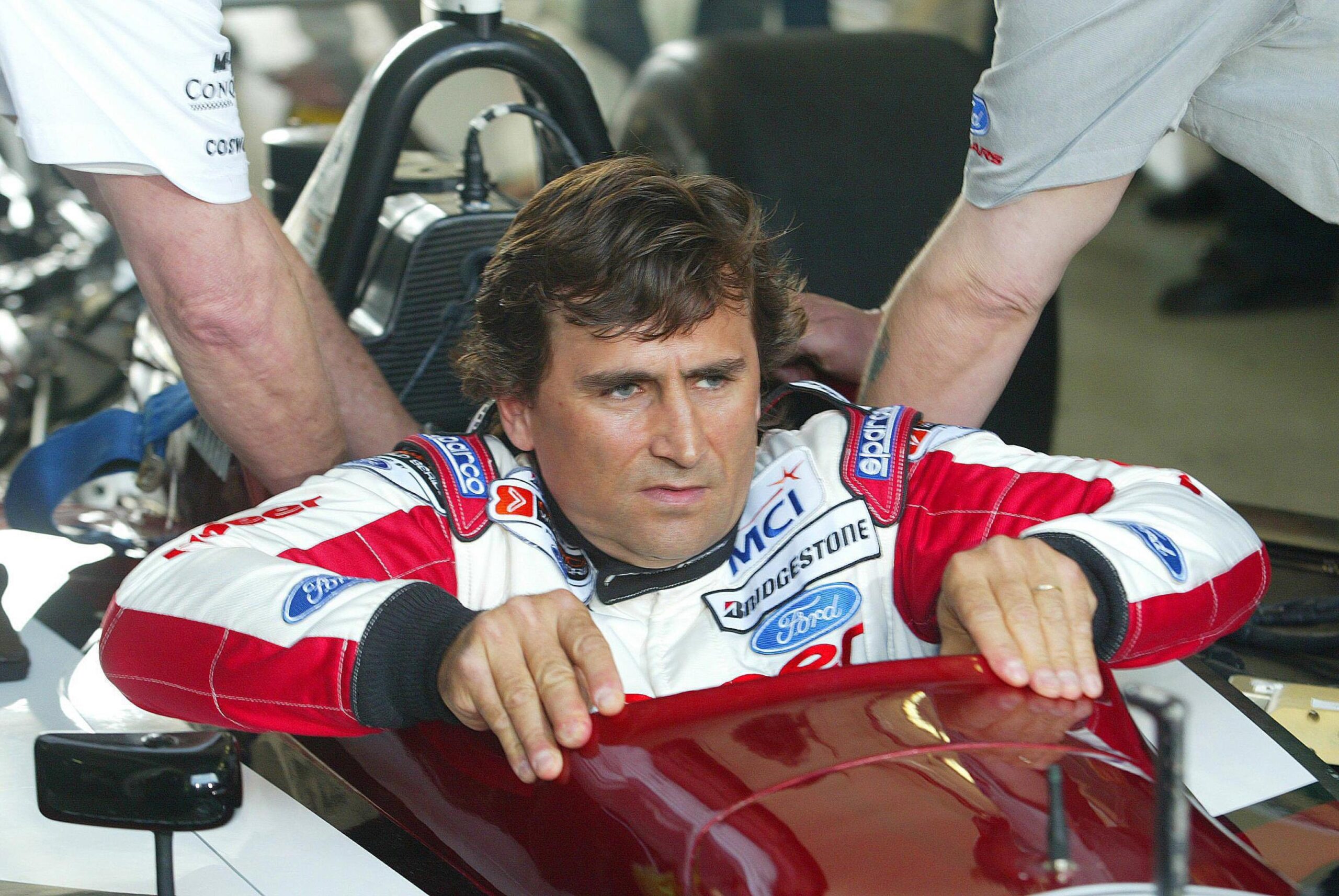
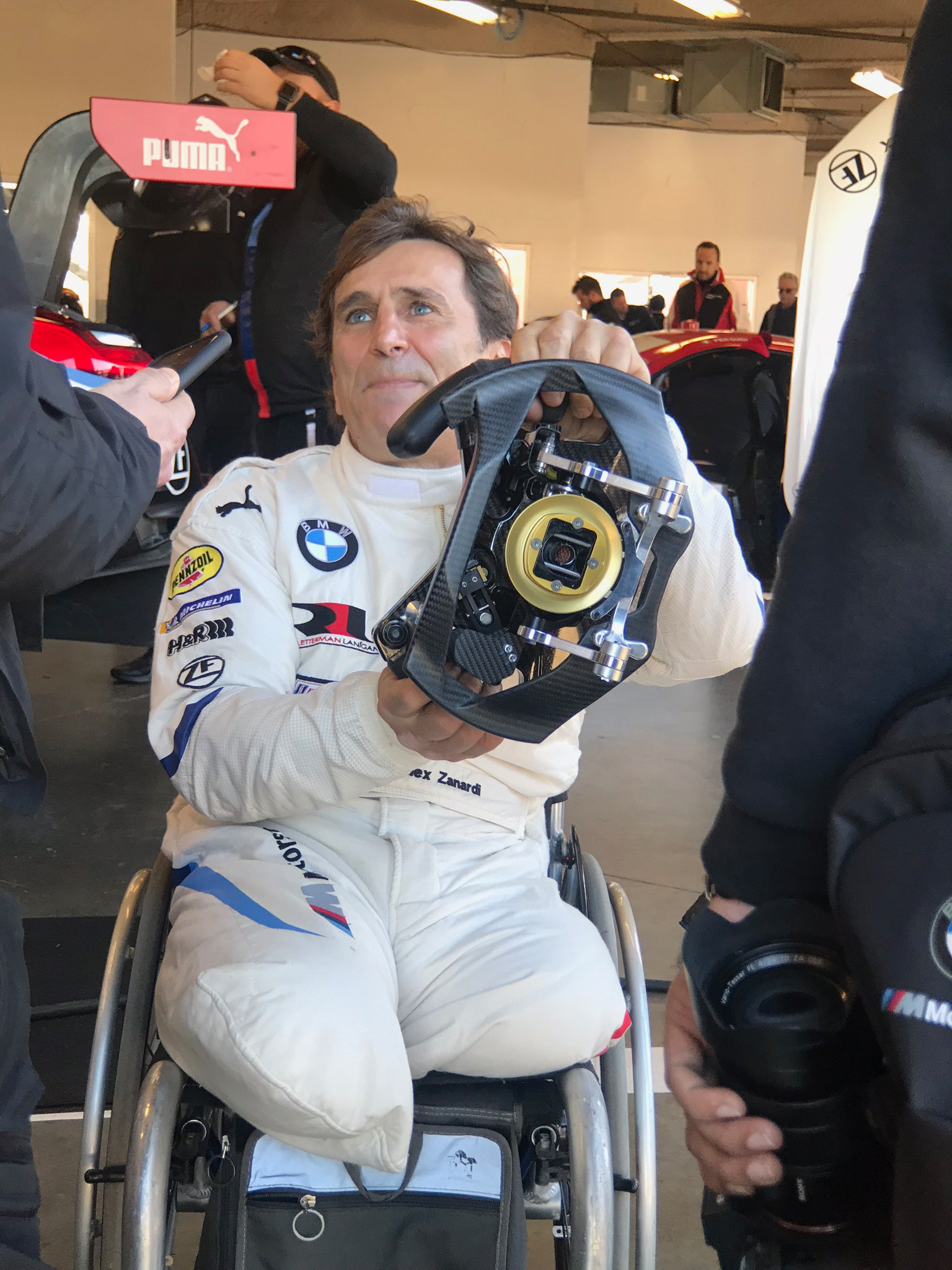
Alex Zanardi is an Italian racing driver and paracyclist whose remarkable career spans top-tier open-wheel competition, a miraculous recovery from a devastating 2001 Champ Car accident, and multiple Paralympic gold medals, defining an enduring legacy of elite athletic resilience and adaptation.
Early Life and Rise Through European Junior Formulas
Born in Bologna, Italy, in 1966, Alessandro Zanardi demonstrated an early mechanical aptitude and a deep passion for motorsport. He began his competitive journey in karting during his youth, operating on modest family resources compared to many of his affluent peers. His natural car control and tactical racecraft quickly caught the attention of regional team managers, propelling him through the intensely competitive ranks of Italian junior formulas.
Zanardi transitioned to the Italian Formula Three Championship in the late 1980s, establishing himself as a front-runner against formidable international talent. His performances secured his promotion to the International Formula 3000 Championship, the primary proving ground for Formula One hopefuls. Driving for various competitive outfits, Zanardi secured notable victories and podium finishes, proving his ability to manage high-horsepower machinery on challenging European circuits. This sustained success attracted the interest of Formula One team principals, setting the stage for his entry into the pinnacle of global motorsport.
Formula One Career and IndyCar Breakthrough
Zanardi’s initial foray into Formula One began in 1991 when he made his Grand Prix debut with Jordan Grand Prix, followed by stints with Minardi, Lotus, and Williams. While his raw speed was evident, he frequently contended with uncompetitive machinery and mechanical unreliability, scoring his first championship point at the 1991 Brazilian Grand Prix. Seeking fresh opportunities away from the constraints of backmarker Formula One teams, Zanardi crossed the Atlantic in 1996 to compete in the American CART FedEx Championship Series (later known as Champ Car) with Target Chip Ganassi Racing.
The move to American open-wheel racing proved transformative. Driving a Reynard chassis powered by a Honda engine and running on Firestone tires, Zanardi dominated the 1997 and 1998 CART seasons. His aggressive yet precise driving style, exceptional overtaking maneuvers—exemplified by his legendary, last-lap pass of Bryan Herta at the Laguna Seca corkscrew in 1996—earned him back-to-back drivers' championship titles. These dominant campaigns established him as one of the most charismatic and formidable drivers in international motorsport.
| Series / Category | Active Years | Championship Titles | Notable Achievements |
|---|---|---|---|
| Formula One | 1991–1994, 1999 | 0 | 1 Championship Point scored (1991) |
| CART / Champ Car | 1996–1998, 2001 | 2 (1997, 1998) | 15 race wins, 28 podium finishes |
| World Touring Car Championship | 2003–2009 | 0 (Independent Trophy: 2005, 2006) | 4 overall race victories with BMW |
| Para-cycling (Handbike) | 2009–2020 | 4 Paralympic Gold Medals | 12 World Championship titles |
The 2001 Lausitzring Crash and Life-Changing Recovery
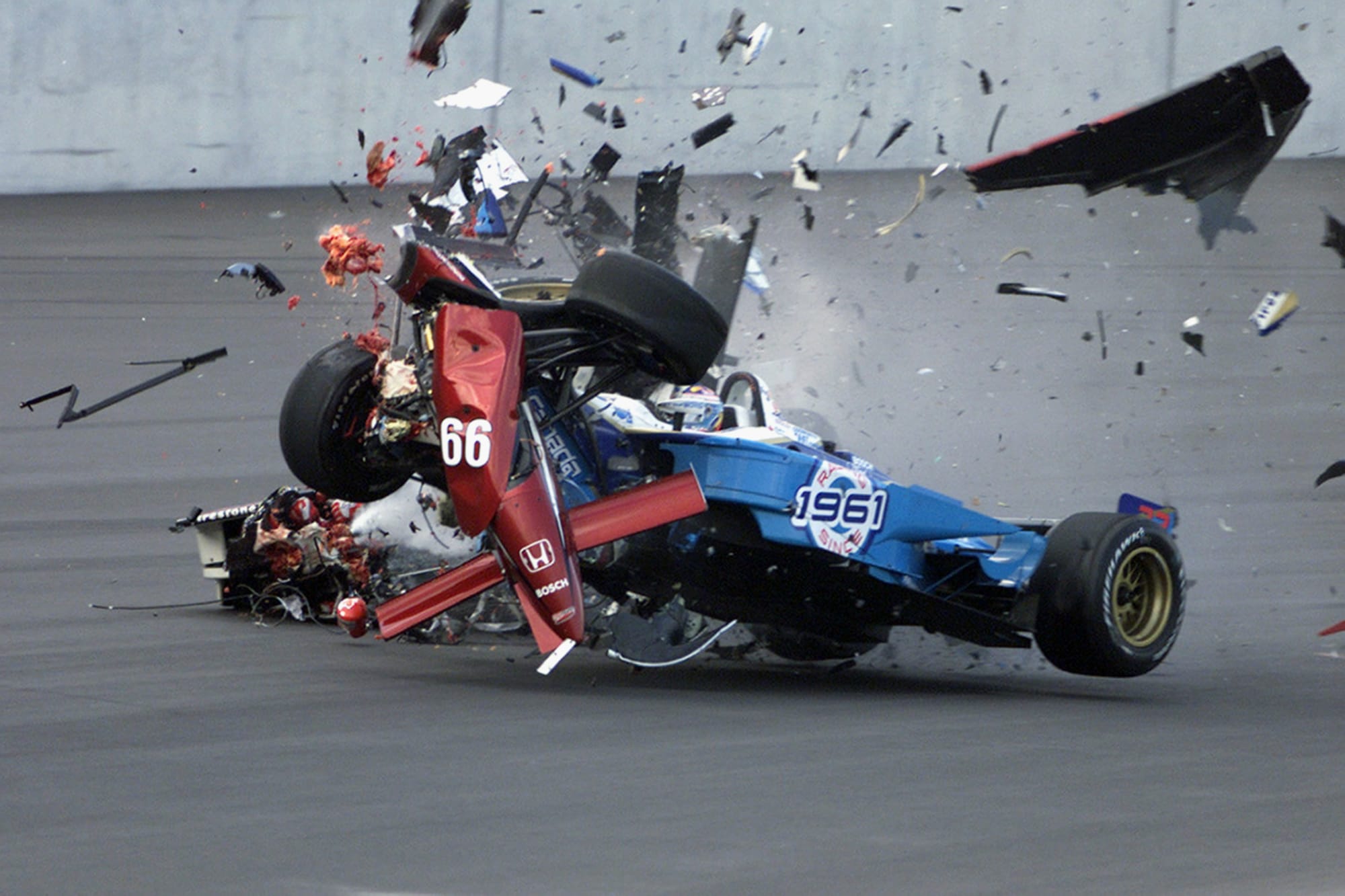
In 2001, Zanardi returned to American open-wheel racing, competing in the CART series with Mo Nunn Racing. On September 15, 2001, during the American Memorial at the Lausitzring in Germany, Zanardi suffered a catastrophic accident. Exiting the pit lane following a routine stop, his car spun onto the racing surface and was struck at high speed by Canadian driver Alex Tagliani. The violent impact severed Zanardi's car in half, causing massive traumatic injuries and acute blood loss.
Immediate trackside intervention by CART medical director Dr. Steve Olvey and orthopedic surgeon Dr. Terry Trammell saved Zanardi's life. Clinically dead upon arrival at the medical helicopter due to severe exsanguination, he underwent emergency surgery and medically induced comas to stabilize his condition. Ultimately, surgeons were forced to perform bilateral amputations above the knee to save his life. Despite the gravity of the trauma, Zanardi retained his trademark optimism, initiating a rigorous rehabilitation program focused on mastering advanced prosthetic technology and returning to competitive athletic endeavors.
Return to Motorsport and Touring Car Success
Demonstrating extraordinary determination, Zanardi returned to the cockpit less than two years after his accident, utilizing hand-controlled braking and acceleration systems developed in collaboration with BMW. In 2003, he competed in the final round of the European Touring Car Championship (ETCC) at Monza, driving a specially adapted BMW 320i. Completing the full race distance without incident provided profound validation of his technical adaptations and physical conditioning.
Zanardi subsequently competed full-time in the World Touring Car Championship (WTCC) for BMW Team Italy-Spain, securing his first victory in the series at Oschersleben in 2005. He added three more WTCC race victories over the following seasons, showcasing that his competitive instincts remained undiminished. Beyond touring cars, he participated in specialized endurance events, including the 2006 24 Hours of Daytona and a 2019 DTM guest appearance at Misano, where he achieved a remarkable podium finish against able-bodied factory drivers.
Transition to Elite Para-Cycling and Paralympic Glory
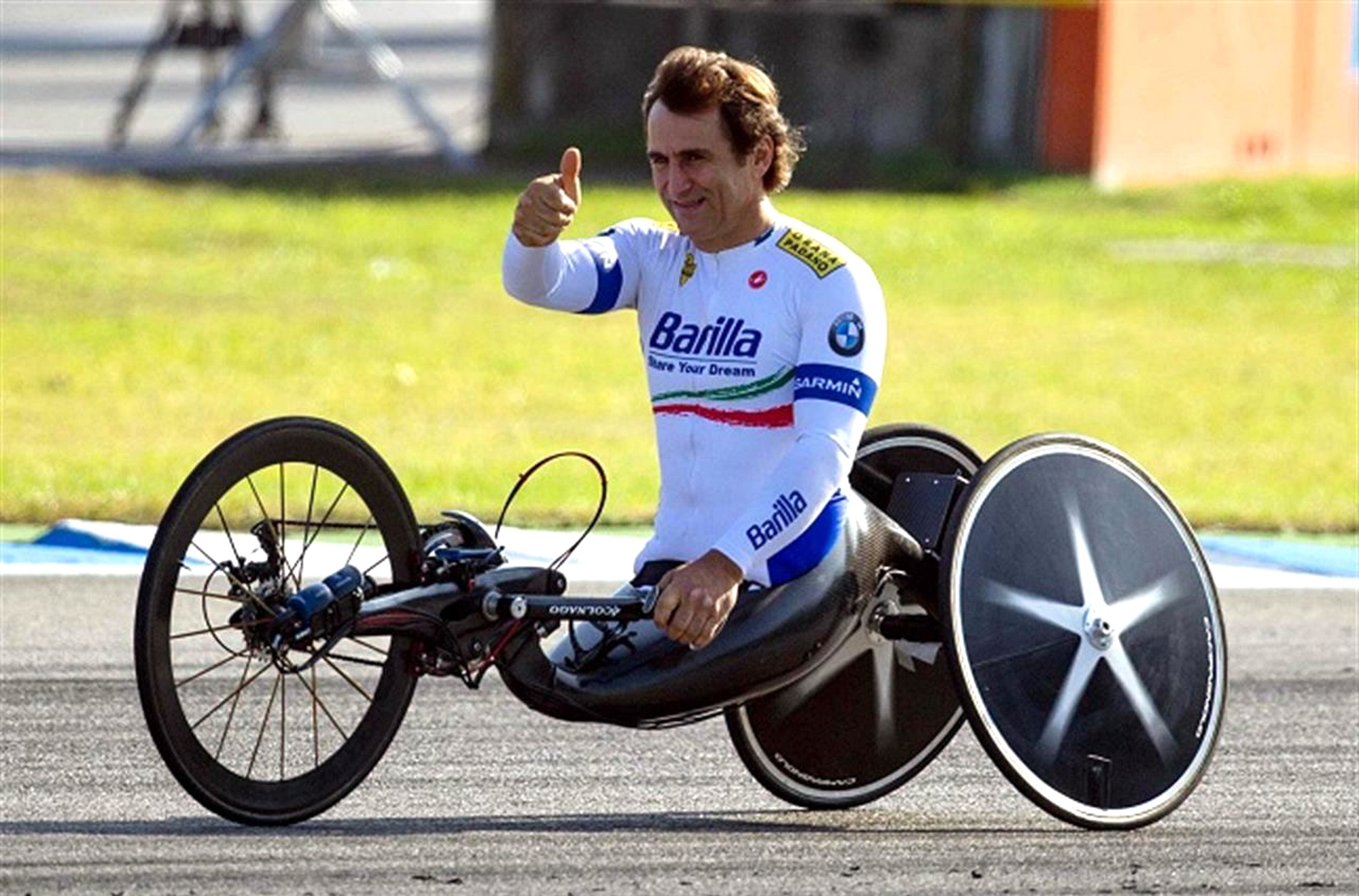
Parallel to his motorsport commitments, Zanardi discovered handcycling in the late 2000s, quickly channeling his competitive drive into international para-cycling competition. Training rigorously with the Italian national cycling federation, he developed specialized aerodynamic handbikes tailored to his physical classification (H4). His natural endurance and technical discipline translated seamlessly to the sport, leading to rapid international success.
Zanardi captured his first major international titles at the UCI Para-cycling Road World Championships, establishing himself as a dominant force in time trial and road race disciplines. At the 2012 Summer Paralympics in London, he triumphed in the H4 handbike time trial and the H4 road relay, claiming two gold medals. He defended his titles at the 2016 Summer Paralympics in Rio de Janeiro, securing gold in the H5 time trial and the mixed team relay, alongside a silver medal in the road race. These achievements cemented his status as a multi-sport global icon.
Ongoing Legacy, Humanitarian Efforts, and Personal Resilience
Zanardi’s influence extends far beyond athletic achievements, encompassing extensive philanthropic work and public advocacy for individuals with disabilities. Through initiatives like "Obiettivo Tricolore," he established a project designed to help disabled individuals discover sport as a pathway to physical and psychological rehabilitation. His public appearances and media commentary consistently emphasize adaptability, mental fortitude, and the refusal to let physical limitations define human potential.
In June 2020, Zanardi faced another profound health challenge following a severe handbike accident during a charity relay in Tuscany, Italy. Sustaining significant neurological trauma, he underwent multiple complex neurosurgeries and prolonged rehabilitative care. While his family maintains privacy regarding his exact clinical status, his enduring impact on motorsport safety, adaptive athletics, and human resilience remains an indelible part of modern sporting history.
Frequently Asked Questions
What caused Alex Zanardi’s leg amputations?
Alex Zanardi lost both legs above the knee as a direct result of a horrific, high-speed Champ Car accident at the Lausitzring in Germany on September 15, 2001. His car was T-boned at over 200 miles per hour after spinning onto the racing line, causing catastrophic traumatic injuries and severe blood loss that required emergency lifesaving amputations.
How many Paralympic gold medals did Alex Zanardi win?
Alex Zanardi won four Paralympic gold medals during his elite handcycling career. He claimed two gold medals at the 2012 London Paralympics (H4 time trial and road relay) and two gold medals at the 2016 Rio Paralympics (H5 time trial and mixed team relay).
Did Alex Zanardi race in Formula One?
Yes, Alex Zanardi raced in Formula One during the early 1990s and again in 1999. He competed for teams including Jordan, Minardi, Lotus, and Williams, participating in 41 Grands Prix and scoring one championship point at the 1991 Brazilian Grand Prix.
How was Alex Zanardi able to drive race cars after his accident?
Zanardi returned to competitive motorsport by working closely with engineers to develop bespoke hand-controlled driving systems. These mechanical and electronic modifications allowed him to operate the throttle, brakes, and clutch entirely through hand controls mounted on the steering wheel, compensating for the absence of his lower limbs.
What is Alex Zanardi's current status?
Zanardi has largely remained out of the public eye following severe neurological injuries sustained in a handbike accident in June 2020. While he has undergone extensive multi-year rehabilitation in specialized clinical facilities, his family protects his medical privacy, and detailed updates on his condition are scarce.