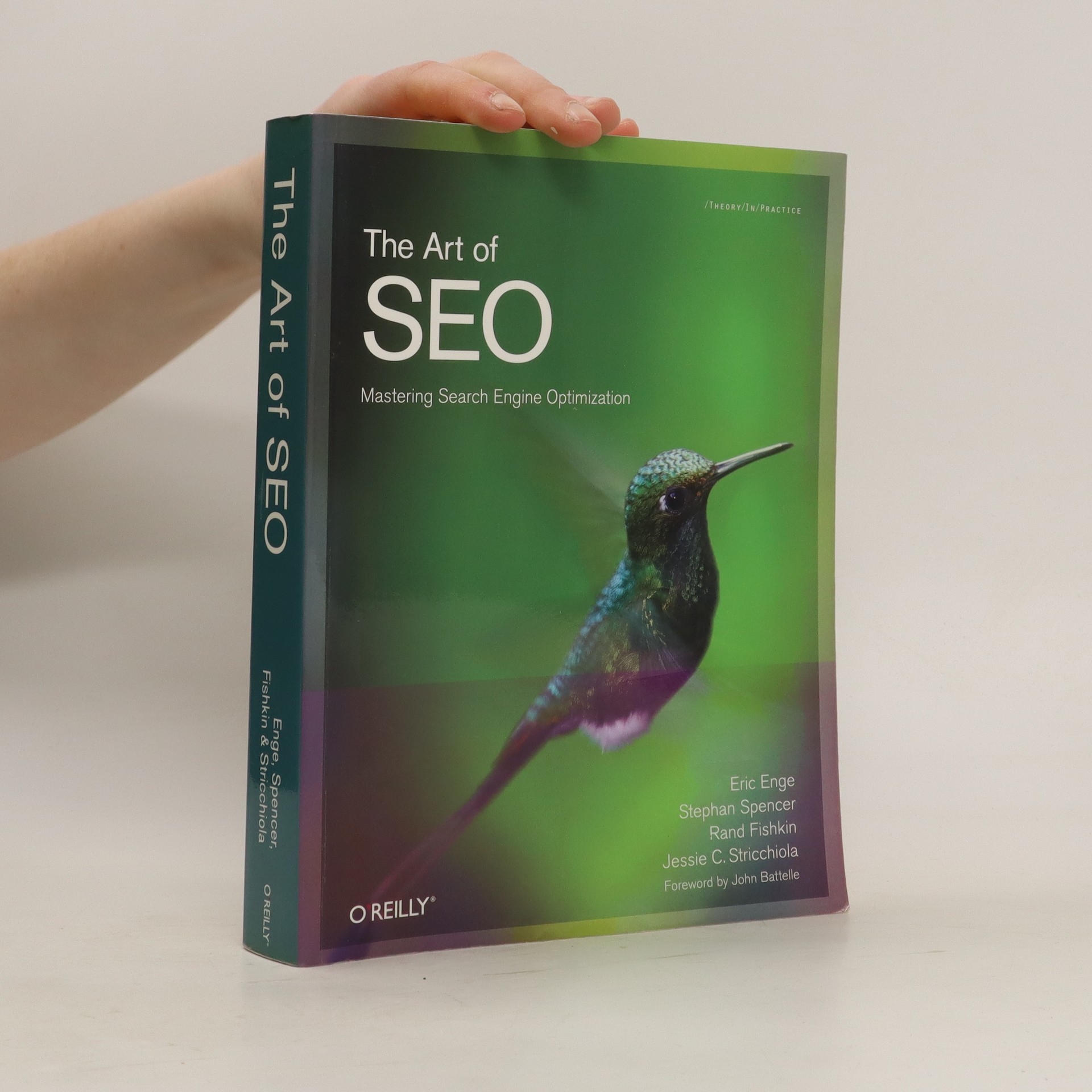
Mastering search engine optimization requires a strategic synthesis of technical architecture, semantic content modeling, and authority-building frameworks that align with modern algorithmic evaluation criteria. Professionals seeking to achieve sustainable search visibility must move beyond superficial keyword optimization and implement comprehensive optimization frameworks that satisfy user intent while maintaining strict technical compliance.
Understanding the Fundamentals of Modern Search Engine Optimization
Search engine optimization operates on the principle of connecting user queries with the most relevant, authoritative, and structurally sound digital assets available on the web. Historically, optimization relied heavily on exact-match keyword repetition and isolated backlink acquisition. Today, search engines utilize sophisticated machine learning models to evaluate the contextual relevance, semantic depth, and overall user experience of a website. Understanding this shift is the foundational prerequisite for any practitioner aiming to build long-term organic visibility.
The modern search ecosystem prioritizes E-E-A-T principles—Experience, Expertise, Authoritativeness, and Trustworthiness—particularly for content impacting financial, medical, or legal queries. Search crawlers analyze not only the text on a specific page but also the broader entity relationships across the web, the reputation of the publishing organization, and the verifiable credentials of the content creators. Consequently, mastering search success demands an integrated approach where technical performance, content quality, and brand authority reinforce one another.
Technical Architecture and Core Web Vitals Optimization
A website can feature exceptional content and authoritative backlinks, but poor technical architecture will systematically suppress its ranking potential. Technical optimization ensures that search engine bots can efficiently crawl, render, and index site assets without encountering roadblocks. This involves managing crawl budgets, establishing logical URL structures, maintaining clean XML sitemaps, and preventing duplicate content issues through proper canonicalization.
Performance metrics known as Core Web Vitals have become critical components of technical evaluation. These metrics measure real-world user experience aspects such as loading performance, visual stability, and interactivity:
- Largest Contentful Paint (LCP): Measures loading performance. To provide a good user experience, LCP should occur within 2.5 seconds of when the page first starts loading.
- Interaction to Next Paint (INP): Assesses page responsiveness by observing the latency of all interactions a user has with the page. A good INP score is 200 milliseconds or less.
- Cumulative Layout Shift (CLS): Quantifies visual stability by measuring unexpected layout shifts during the entire lifespan of a page. A good score is less than 0.1.
Optimizing these elements requires rigorous auditing using tools like Google PageSpeed Insights, Chrome User Experience Report, and server-level adjustments such as implementing efficient caching, compressing images, and minimizing render-blocking JavaScript.
Semantic Content Strategy and Intent Matching
Content remains the primary vehicle for capturing organic traffic, but its creation must be guided by rigorous semantic analysis rather than arbitrary word counts. Search engines evaluate whether a page thoroughly answers a user's query by analyzing semantic co-occurrences, related entities, and contextual depth. Writers and strategists must map content to specific search intents, which generally fall into four primary categories: informational, navigational, commercial, and transactional.
| Intent Type | Primary User Goal | Optimal Content Format | Key Optimization Focus |
|---|---|---|---|
| Informational | Learn about a topic or answer a specific question | Comprehensive guides, FAQs, tutorials | Clear structure, direct answers, semantic depth |
| Navigational | Find a specific website or brand page | Brand hubs, login portals, contact pages | Exact brand terms, clear site hierarchy |
| Commercial | Research products or services before purchasing | Comparison articles, reviews, buyer guides | Unbiased analysis, product specs, pros and cons |
| Transactional | Complete a purchase or conversion action | Product pages, service landing pages | Clear CTAs, pricing transparency, secure checkout |
Executing a semantic content strategy involves identifying primary keywords alongside secondary latent semantic indexing (LSI) terms and related entities. By addressing sub-topics and related user questions organically within the text, creators signal to search engines that their document provides comprehensive coverage of the subject matter.
Authority Building and Off-Page Optimization
Off-page optimization centers on establishing the credibility, relevance, and authority of a domain within its specific niche. While content and technical health form the internal foundation of a site, off-page signals act as external votes of confidence. Backlinks from reputable, high-authority websites remain one of the most significant ranking factors, though the quality and context of those links far outweigh sheer volume.
Effective off-page strategies focus on digital PR, original research publication, asset creation, and strategic outreach. When industry publications or authoritative bodies link to a resource, search engines interpret that connection as an endorsement of quality. Furthermore, brand mentions across the web—even without a direct hyperlink—contribute to entity recognition and overall domain trustworthiness. Practitioners must continuously audit their backlink profiles to disavow toxic or spammy links that could trigger algorithmic or manual penalties.
Analytics, Performance Tracking, and Continuous Iteration
Search engine optimization is not a static project with a definitive end date; it is an ongoing process of monitoring, testing, and refinement. Relying on intuition is insufficient in a data-driven discipline. Practitioners must utilize robust analytics platforms to track key performance indicators such as organic traffic growth, keyword ranking fluctuations, click-through rates (CTR), and conversion rates.
Regular auditing routines should include the following procedures:
- Reviewing Google Search Console data to identify impressions, clicks, and average positions for target queries.
- Analyzing landing page performance to spot underperforming content that requires updating or consolidation.
- Conducting technical crawls to identify newly introduced broken links, redirect chains, or indexation errors.
- Monitoring competitor movements and algorithmic updates to adapt optimization tactics proactively.
Through systematic data analysis, marketers can isolate variables, measure the impact of implemented changes, and continuously refine their approach to maintain or improve search visibility over time.
Frequently Asked Questions
What is the most critical factor in achieving long-term search success?
No single factor guarantees success, but the combination of high technical health, authoritative backlink profiles, and content that precisely satisfies user intent creates the most resilient foundation for organic growth.
How long does it take to see results from technical and content optimization?
Search engine optimization is a medium-to-long-term strategy. Depending on competition levels, domain age, and the extent of technical improvements, measurable ranking shifts typically manifest between three to six months.
Are meta tags still relevant for modern search engine optimization?
Meta titles and descriptions remain crucial for communicating page topics to search engines and driving click-through rates from search engine results pages, even though meta keywords hold no ranking weight.
How do core web vitals impact search rankings?
Core web vitals serve as ranking signals that evaluate real-world user experience regarding loading speed, interactivity, and visual stability, directly influencing a page's ability to rank competitively.
What distinguishes brand authority from technical optimization?
Technical optimization ensures search engines can crawl and process a site efficiently, whereas brand authority reflects the external trustworthiness, reputation, and industry standing of the domain as perceived by algorithms and users.
Strategic Implementation and Next Steps
Achieving sustainable visibility in organic search channels requires a disciplined commitment to aligning technical infrastructure, semantic content depth, and authoritative off-page signals. Begin by conducting a comprehensive technical audit of your digital assets to resolve crawl errors and improve Core Web Vitals. Concurrently, perform a content gap analysis to ensure your publishing schedule addresses the specific intents of your target audience with superior depth and accuracy. Maintain a rigorous schedule of performance monitoring through analytics platforms, allowing empirical data to guide your ongoing optimization refinements.