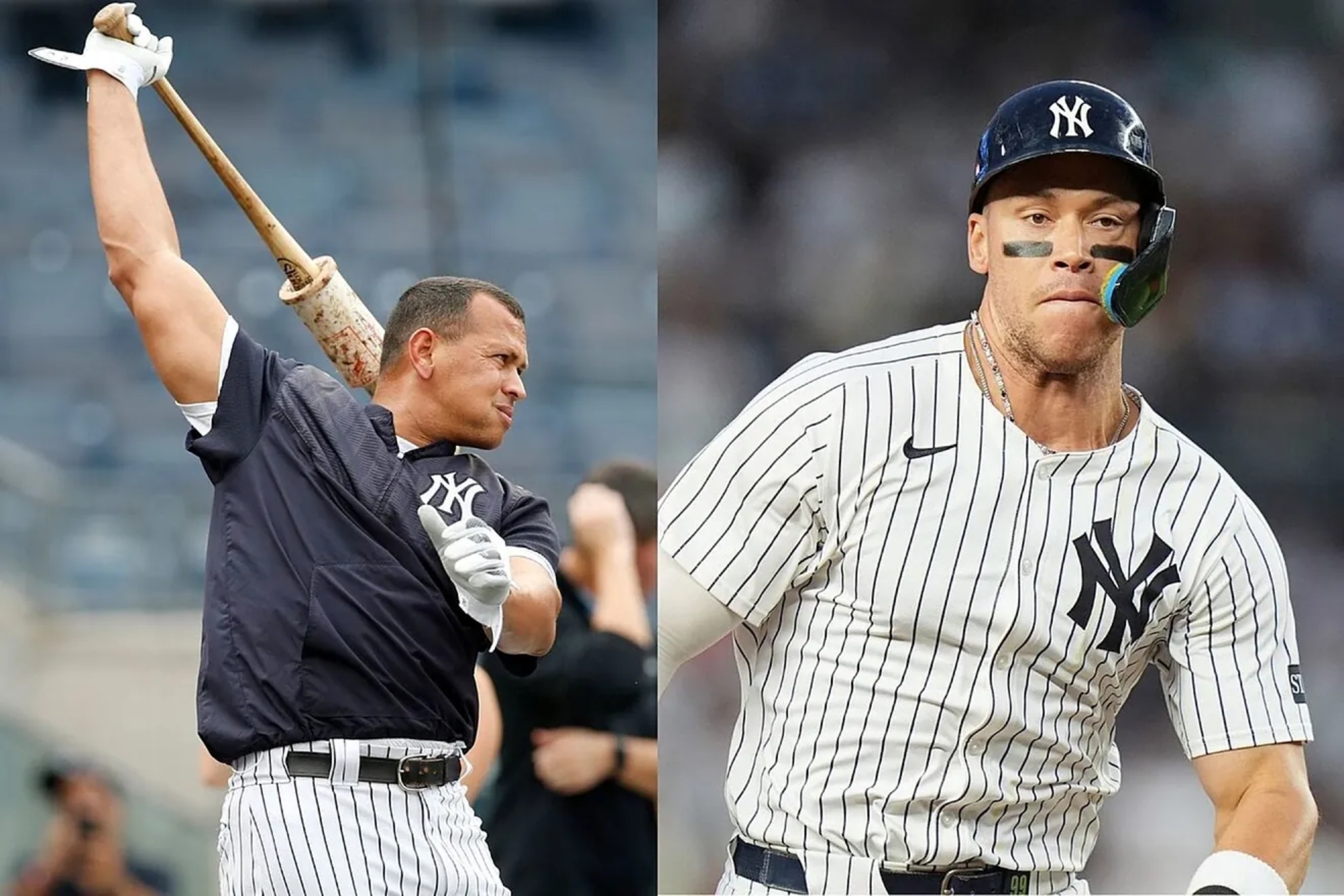
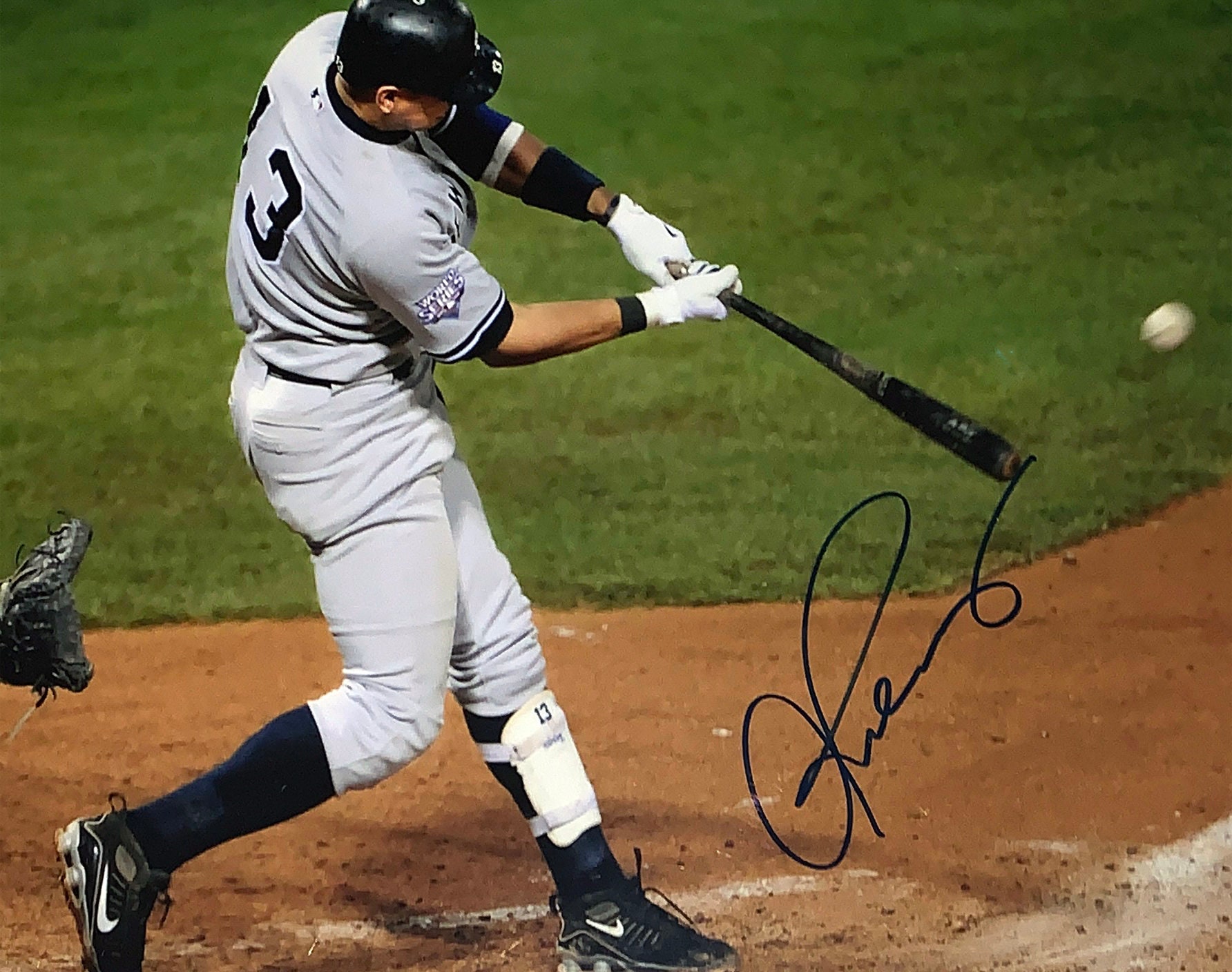
Alex Rodriguez’s tenure with the New York Yankees was defined by two of the most significant contracts in sports history. His initial 10-year, $252 million deal was inherited via trade, while his subsequent 10-year, $275 million extension set new records for total value and average annual salary at the time.
The financial narrative of Alex Rodriguez (A-Rod) and the New York Yankees is a complex study of market-setting aggression, legal disputes over marketing bonuses, and the eventual impact of the MLB luxury tax system. From 2004 to 2017, the Yankees paid Rodriguez hundreds of millions of dollars, a period that included two MVP awards, a World Series title, and a season-long suspension that significantly altered the contract’s final payout. As we look back from 2026, these deals remain the benchmark for "mega-contracts" that attempt to secure a player's entire prime and decline years.
The Inheritance: The $252 Million Texas Rangers Deal
When Alex Rodriguez arrived in the Bronx in 2004, he didn’t sign a new contract; he brought one with him. In 2000, Rodriguez had signed a 10-year, $252 million deal with the Texas Rangers, which was more than double the previous record for a sports contract. By 2004, the Rangers were struggling with the financial weight of the deal and sought to trade their superstar shortstop.
The Yankees agreed to take on the remainder of the contract, but with a significant caveat: the Texas Rangers agreed to pay approximately $67 million of the remaining $179 million left on the deal. This subsidy made Rodriguez more affordable for the Yankees' payroll than he would have been as a pure free agent. For the first four years of his Yankees tenure (2004–2007), Rodriguez was remarkably productive, winning two American League MVP awards and establishing himself as the premier power hitter in the game.
However, the 2000 contract contained a pivotal "opt-out" clause. This clause allowed Rodriguez to terminate the deal after the 2007 season to test free agency again. Despite the massive remaining balance, Rodriguez, encouraged by his then-agent Scott Boras, famously opted out during Game 4 of the 2007 World Series. This move initially angered the Yankees' front office, leading to a public declaration that they would not negotiate further.
The 2007 Re-signing: The $275 Million Extension
The standoff between the Yankees and Rodriguez didn't last long. Recognizing that losing the reigning MVP would create a massive hole in their lineup and branding, the Yankees re-entered negotiations. Notably, Rodriguez bypassed Boras to negotiate more directly with the Steinbrenner family. The result was a new 10-year, $275 million contract, which shattered his own previous record.
This contract was designed to keep Rodriguez in pinstripes until he was 42 years old. It featured a base salary of roughly $27.5 million per year, but it also included a unique "marketing agreement" tied to historic home run milestones. The Yankees and Rodriguez agreed to a side deal worth up to $30 million in bonuses if he reached specific benchmarks: tying Willie Mays (660), Babe Ruth (714), Hank Aaron (755), and eventually breaking Barry Bonds’ record (762).
From a strategic perspective, the Yankees viewed this as a way to capitalize on the historical significance of A-Rod’s career. However, as the 2010s progressed, the deal became a lightning rod for criticism as Rodriguez's health declined and his involvement in the Biogenesis performance-enhancing drug scandal came to light.
Contract Milestone Bonuses and Legal Friction
The "Milestone HR" bonuses became a major point of contention in 2015. When Rodriguez hit his 660th home run to tie Willie Mays, the Yankees initially refused to pay the $6 million marketing bonus. The team argued that due to his 2014 suspension and the surrounding PED scandal, the "marketing" value of the milestone had been nullified. They claimed the milestone was no longer "marketable" to fans or sponsors.
After several months of legal posturing and the threat of a grievance filed by the MLB Players Association (MLBPA), the two parties reached a settlement. The Yankees agreed to pay $5.5 million, but rather than going directly into Rodriguez's pocket, the funds were donated to various charities, including the Special Operations Warrior Foundation and the Boys & Girls Clubs of America. This resolution allowed the Yankees to avoid the luxury tax hit associated with the bonus while technically fulfilling a version of the contractual obligation.
Financial Impact of the 2014 Suspension
The single largest financial disruption to the contract occurred in 2014. Following the Biogenesis investigation, MLB Commissioner Bud Selig suspended Rodriguez for the entire 162-game season plus the postseason. This suspension had a massive impact on the Yankees’ luxury tax obligations and Rodriguez’s take-home pay.
Because players are not paid while suspended, Rodriguez forfeited his entire $25 million salary for the 2014 season. For the Yankees, this provided significant relief. Under MLB’s Collective Bargaining Agreement, suspended salaries do not count toward the Luxury Tax (Competitive Balance Tax). This "savings" essentially allowed the Yankees to reset or lower their tax rate, which had been climbing due to years of being over the threshold. By the time Rodriguez returned in 2015, he was 39 years old, and the contract was widely viewed as an "underwater" asset, where the cost far exceeded the on-field production.
Comparing the Two Major A-Rod Contracts
To understand the scale of these deals, it is helpful to look at the raw numbers side-by-side. While both were 10-year agreements, the context of the sport and the Yankees' financial strategy shifted between the two.
| Feature | 2000 Texas Rangers Contract | 2007 New York Yankees Contract |
|---|---|---|
| Total Value | $252,000,000 | $275,000,000 |
| Duration | 10 Years (2001–2010) | 10 Years (2008–2017) |
| Average Annual Value (AAV) | $25,200,000 | $27,500,000 |
| Opt-out Clauses | Included (Triggered in 2007) | None |
| Marketing Bonuses | Minimal / Performance Based | $30 Million (Home Run Milestones) |
| Full No-Trade Clause | Yes | Yes |
| Key Status | Inherited by NYY in 2004 | Signed as Free Agent with NYY |
The 2016 Retirement and Final Payouts
By mid-2016, Rodriguez’s performance had dipped significantly. He was primarily a designated hitter with a batting average hovering around .200. On August 12, 2016, the Yankees and Rodriguez announced a "mutual" agreement for his retirement from active play. However, in financial terms, the Yankees released him.
Because MLB contracts are fully guaranteed, the Yankees were obligated to pay the remainder of his $20 million salary for 2016 and his entire $21 million salary for 2017. To manage this transition, the Yankees signed him to a new contract as a "Special Advisor." This allowed Rodriguez to remain with the organization through the end of the original contract term (2017) while freeing up a roster spot for younger talents like Aaron Judge.
By the time the final checks were cut in 2017, the Yankees had paid Rodriguez roughly $317 million in total salary over 12 seasons (including the portions subsidized by Texas but excluding the forfeited 2014 salary).
Legacy of the Contract in the Modern Era (2026 Perspective)
As we evaluate this contract from the year 2026, the A-Rod deals are seen as the precursor to the massive "lifetime" contracts currently seen in MLB. While the $275 million figure was once shocking, it has since been surpassed by players like Shohei Ohtani, Juan Soto, and Mike Trout.
The A-Rod era taught MLB front offices several vital lessons:
- The Back-End Risk: 10-year deals for players in their 30s almost always result in several "dead money" years at the end.
- Marketing Clauses: Teams became much more cautious about tying cash bonuses to specific milestones that could be tainted by off-field controversies.
- Luxury Tax Management: The Yankees' handling of the 2014 suspension and the 2016 release demonstrated how large-market teams use technicalities to manage their "Competitive Balance Tax" hits.
Was the contract a success for the Yankees?
From a strictly financial ROI (Return on Investment) perspective, the back half of the 2007 deal was a failure. Rodriguez provided only 2.2 fWAR (FanGraphs Wins Above Replacement) between 2013 and 2016. However, from a franchise perspective, the 2009 World Series title—fueled by a legendary postseason performance from Rodriguez—is often cited by Yankees ownership as the justification for the entire expenditure.
How much did the Texas Rangers pay of the Yankees contract?
The Rangers paid $67 million toward the original $252 million contract. This payment was spread out over the remaining years of that specific deal. When Rodriguez opted out in 2007, the Rangers were relieved of any further obligations, meaning the Yankees took on the full weight of the subsequent $275 million deal.
Did Alex Rodriguez have deferred money?
Unlike many current mega-deals (such as Shohei Ohtani’s), the majority of A-Rod’s Yankees salary was paid out in real-time. There were some minor deferrals in the initial Rangers deal that the Yankees inherited, but the 2007 extension was largely structured as straight annual salary, which contributed to the high luxury tax hits the Yankees faced annually.
What was the highest yearly salary A-Rod earned with the Yankees?
His peak base salary was $33 million in 2009 and 2010. When combined with the Yankees' luxury tax penalties, the actual cost to the organization for those specific years exceeded $40 million.
How did the contract affect the Yankees' ability to sign other players?
The A-Rod contract, combined with large deals for Derek Jeter, CC Sabathia, and Mark Teixeira, frequently pushed the Yankees into the highest bracket of the luxury tax. For several years in the mid-2010s, this caused the front office to become more "cost-conscious," leading to a period where they avoided the top-tier free-agent market to get their payroll back under the tax threshold.
Reviewing the Financial Documentation
For those researching the specific legal and financial filings of these deals, it is recommended to consult the MLB Collective Bargaining Agreement (CBA) archives and the MLB Players Association (MLBPA) historical salary database. These sources provide the framework for how "guaranteed money" and "marketing agreements" are adjudicated in professional baseball. Additionally, the 2014 grievance filings provide a rare look into the internal "morality" and "marketing" clauses that teams attempt to use to void portions of large contracts.