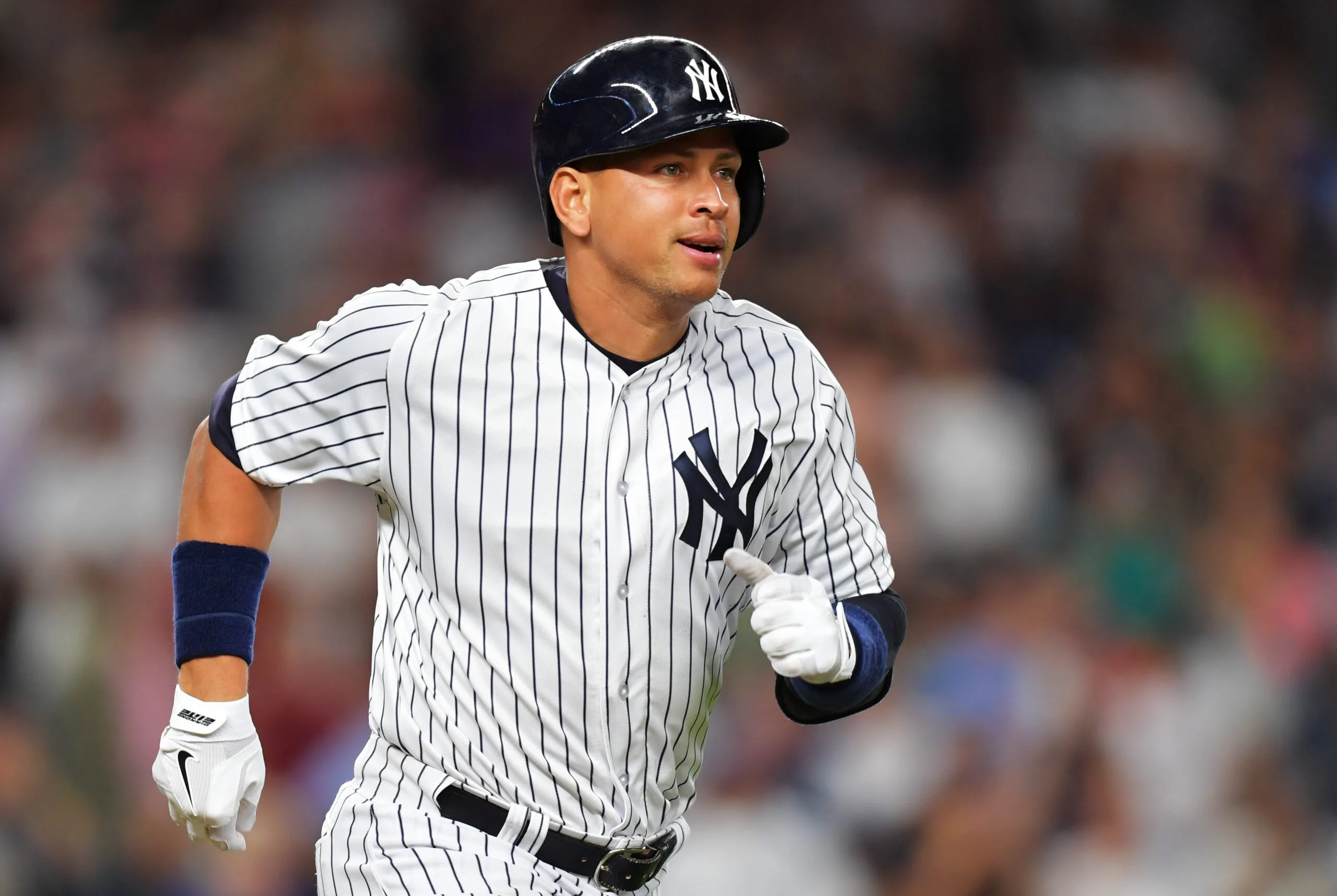
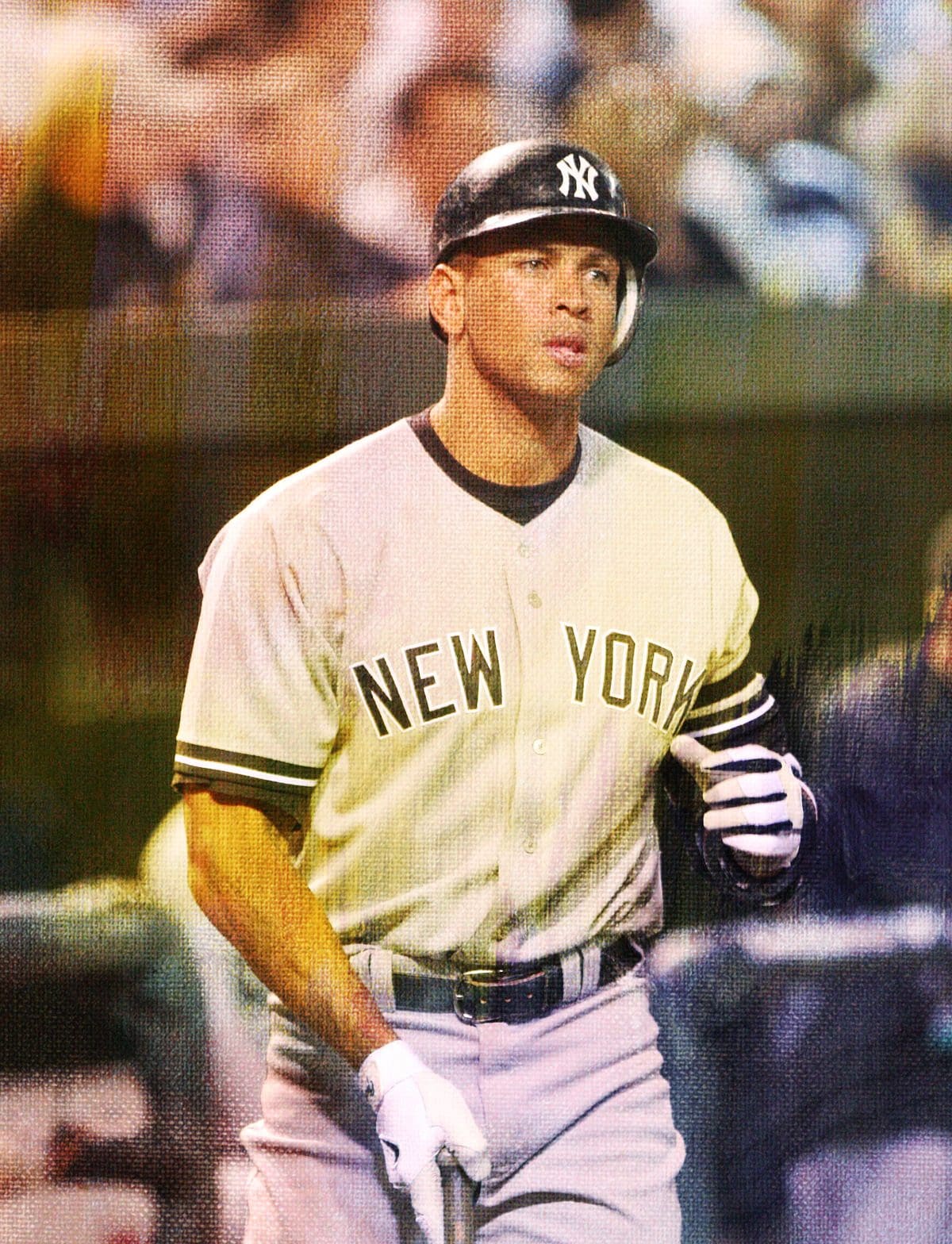
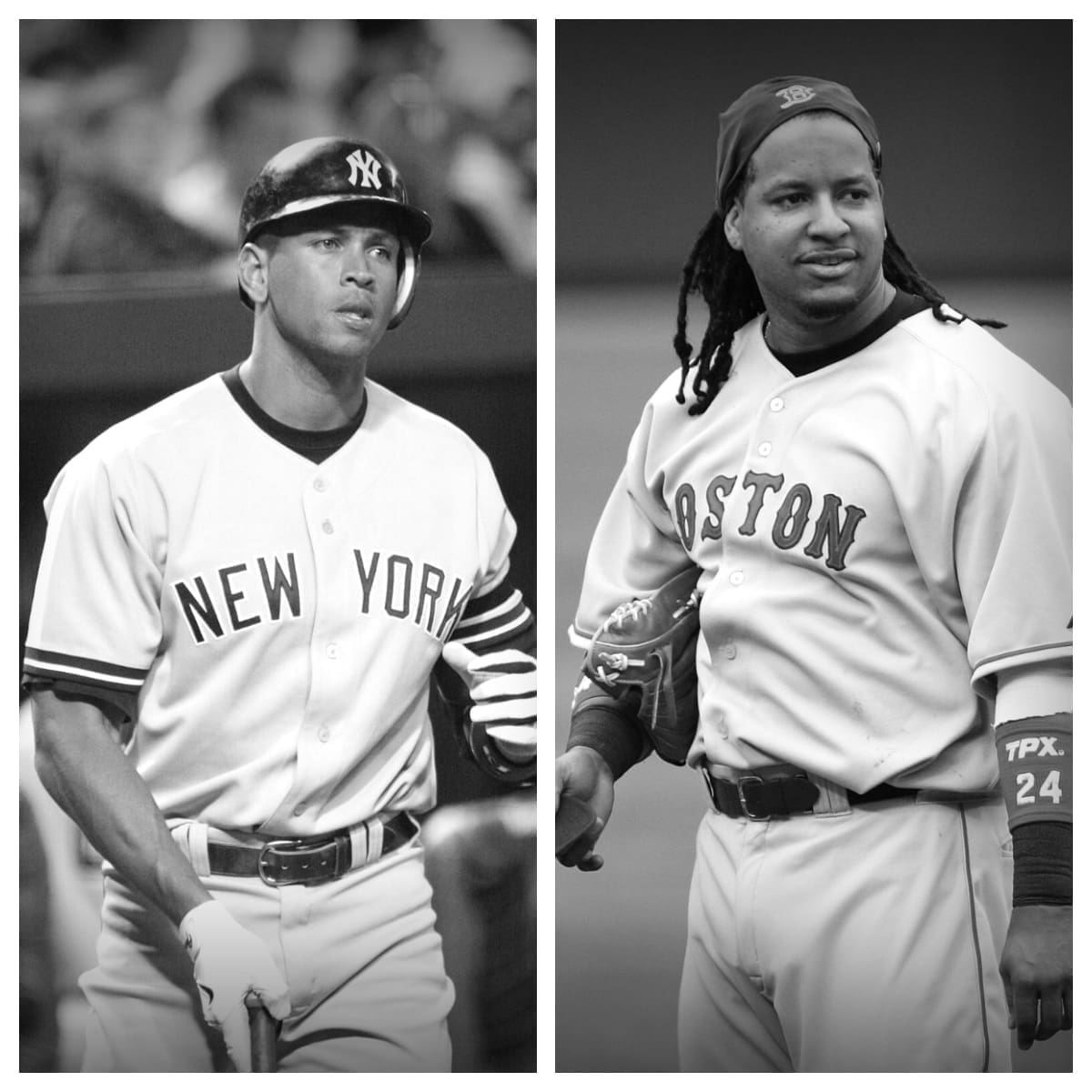
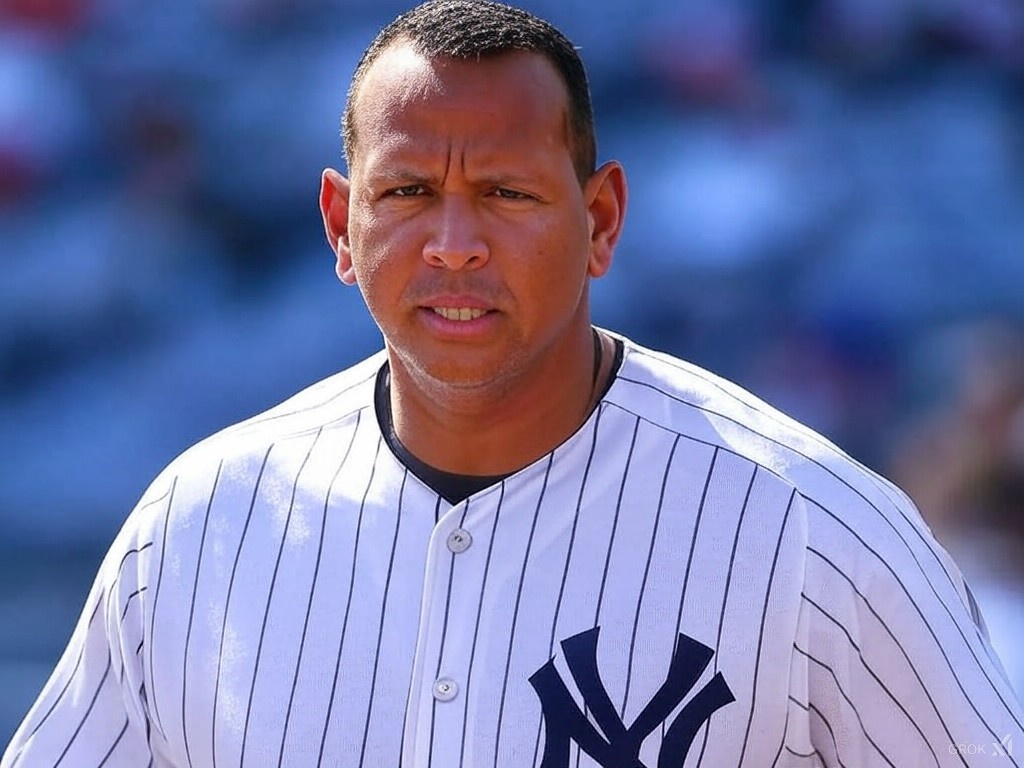
Alex Rodriguez remains one of the most polarizing figures in professional sports history. While his statistical achievements rank among the greatest to ever play Major League Baseball, his legacy is inextricably linked to performance-enhancing drug controversies. From his meteoric rise in Seattle to his post-career success as a businessman and team owner, his journey offers a complex study of talent, ambition, and redemption.
The Rise of a Prodigy: Seattle and the Shortstop Revolution
Alexander Emmanuel Rodriguez was drafted first overall by the Seattle Mariners in 1993, entering the league with expectations that few players could ever meet. By 1996, at just 20 years old, he had already finished second in the American League MVP voting, hitting .358 with 36 home runs and 123 RBIs. This season was a paradigm shift for the sport; traditionally, the shortstop position was reserved for defensive specialists who provided little offensive production. Rodriguez, along with contemporaries like Derek Jeter and Nomar Garciaparra, redefined the role.
During his tenure in Seattle, Rodriguez established himself as the premier talent in the game. His combination of Gold Glove-caliber defense and elite power-hitting was unprecedented for his position. Between 1996 and 2000, he averaged over 40 home runs per season while maintaining a high batting average. This period of his career was marked by pure athletic dominance and relatively little public scrutiny, setting the stage for what would become the most lucrative contract in sports history at the time.
The $252 Million Milestone and the Texas Rangers Era
In 2000, Rodriguez signed a historic 10-year, $252 million contract with the Texas Rangers. The deal was nearly double the previous record for a sports contract, signaling his status as the "face of baseball." While the team struggled to find postseason success during his three years in Arlington, Rodriguez’s individual performance reached its absolute peak. He led the American League in home runs for three consecutive seasons, culminating in his first MVP award in 2003.
Despite his individual brilliance—including a 57-home run season in 2002—the Rangers were unable to build a winning culture around him. The immense pressure of the contract, combined with the team's lack of success, eventually led to the Rangers seeking a trade. Initially, a deal to the Boston Red Sox was blocked by the MLB Players Association due to proposed salary reductions. This paved the way for one of the most famous trades in sports history, sending Rodriguez to the New York Yankees in exchange for Alfonso Soriano.
The New York Yankees: Postseason Glory and the "A-Rod" Persona
Joining the Yankees required Rodriguez to make a significant sacrifice: moving from shortstop to third base to accommodate the team’s captain, Derek Jeter. His time in New York was a rollercoaster of incredible highs and devastating lows. He won two more MVP awards (2005 and 2007) and was a central figure in the Yankees' 2009 World Series victory. During that 2009 postseason, he finally silenced critics who labeled him a "choke artist" by hitting .365 with six home runs and 18 RBIs across the playoffs.
However, the "A-Rod" persona often clashed with the traditionalist culture of the Yankees. His high-profile relationships, public feuds, and perceived lack of "clutch" performance in earlier playoff runs made him a lightning rod for criticism from the New York media. Even as he climbed the all-time home run charts, there was a sense that fans were waiting for the other shoe to drop—a premonition that would eventually manifest in the Biogenesis scandal.
Comprehensive Career Statistics and Historical Standing
To understand the magnitude of Alex Rodriguez's impact, one must look at the sheer volume of his statistical output. As of 2026, he remains in the elite tier of almost every major offensive category. He is one of only a handful of players to surpass both 3,000 hits and 600 home runs, a feat that typically guarantees a first-ballot entry into the Hall of Fame.
Career Statistical Summary
| Category | Career Total | MLB All-Time Rank (Approx.) |
|---|---|---|
| Games Played | 2,784 | Top 25 |
| Home Runs | 696 | 5th |
| Hits | 3,115 | 22nd |
| RBIs | 2,086 | 4th |
| Runs Scored | 2,021 | 8th |
| Slugging % | .550 | Top 30 |
| Total Bases | 5,813 | 7th |
Rodriguez’s official MLB profile highlights his 14 All-Star selections and 10 Silver Slugger Awards. His ability to maintain elite production across three different decades is a testament to his preparation and work ethic, even when filtered through the lens of the controversies that followed.
Major MLB Records and Achievements
Beyond the standard counting stats, Rodriguez holds several specific records that highlight his unique skill set. Perhaps his most impressive record is his 25 career grand slams, which remains the most in Major League history. This record underscores his ability to produce in high-leverage situations, despite the narrative that he struggled under pressure early in his career.
He is also a member of the exclusive 40-40 club (40 home runs and 40 stolen bases in a single season), achieving the feat in 1998. This accomplishment showcased the rare speed-power combination he possessed during his younger years in Seattle. Furthermore, Rodriguez is one of only five players in history to have 2,000 or more RBIs, placing him in the company of legends like Hank Aaron and Babe Ruth. His three MVP awards at two different positions (Shortstop and Third Base) further solidify his versatility as an athlete.
The Shadow of Controversy: PEDs and the Biogenesis Scandal
The most significant stain on Rodriguez’s career is his involvement with performance-enhancing drugs (PEDs). The controversy began in 2009 when a leaked report indicated he had tested positive for steroids during a 2003 "survey" test while with the Rangers. Rodriguez eventually admitted to using "banned substances" during his time in Texas, citing the immense pressure to perform under his record-breaking contract.
The situation escalated significantly in 2013 with the Biogenesis scandal. Investigations revealed that Rodriguez had received PEDs from a clinic in Florida. Unlike his previous admission, this instance involved a sophisticated effort to circumvent MLB’s drug-testing protocols. The league ultimately handed down a 211-game suspension, which was later reduced to 162 games (the entire 2014 season) after an appeal. This remains one of the longest non-lifetime bans in baseball history. The fallout from Biogenesis severely damaged his relationship with the Yankees and MLB, leaving a permanent asterisk on his statistical achievements in the eyes of many voters and fans.
Post-Career Transition: Business, Media, and Ownership
Since his retirement in 2016, Rodriguez has undergone a remarkable public relations transformation. He pivoted from a disgraced athlete to a highly successful businessman and media personality. Through A-Rod Corp, his investment firm, he has built a massive portfolio spanning real estate, technology, and wellness. His business acumen has been widely recognized, leading to his role as a guest shark on "Shark Tank" and various speaking engagements at financial summits.
Perhaps his most high-profile post-career move was his entry into sports ownership. In 2021, Rodriguez and business partner Marc Lore reached an agreement to purchase the Minnesota Timberwolves (NBA) and the Minnesota Lynx (WNBA). By 2026, his role as a team owner has become a defining characteristic of his "second act." Additionally, his work as a broadcaster for FOX Sports and ESPN has allowed him to use his deep knowledge of the game to reconnect with fans, proving that while his playing career ended in controversy, his influence on the sports world remains profound.
FAQ: Common Questions About Alex Rodriguez
Is Alex Rodriguez in the Hall of Fame?
As of 2026, Alex Rodriguez has not been inducted into the National Baseball Hall of Fame. Despite having the statistical credentials, his repeated ties to performance-enhancing drugs have prevented him from reaching the 75% voting threshold required from the Baseball Writers' Association of America (BBWAA).
How many home runs did A-Rod finish with?
Rodriguez finished his career with 696 home runs, placing him fifth on the all-time list behind Barry Bonds, Hank Aaron, Babe Ruth, and Albert Pujols. He fell just four home runs short of the prestigious 700-home run club.
What teams did Alex Rodriguez play for?
He played for three teams during his 22-season career: the Seattle Mariners (1994–2000), the Texas Rangers (2001–2003), and the New York Yankees (2004–2016).
Does A-Rod still own the Minnesota Timberwolves?
Yes, as of 2026, Rodriguez is a primary owner of the Minnesota Timberwolves and the Minnesota Lynx. His transition into ownership was a multi-year process involving several equity tranches, which he and Marc Lore completed to take majority control of the franchise.
Evaluating the Legacy of Alex Rodriguez
When assessing the career of Alex Rodriguez, one must balance his undeniable talent with the choices that compromised the integrity of his numbers. For students of the game and historians, he serves as a cautionary tale of the "Steroid Era," representing both the peak of human performance and the pitfalls of professional sports culture. To understand his full story, readers should look beyond the Wikipedia summaries and examine the era's broader context, the evolution of MLB's drug policy, and the business of modern sports. For those interested in the technical aspects of his swing and defensive play, archived footage from the late 90s remains some of the best educational material for aspiring infielders.