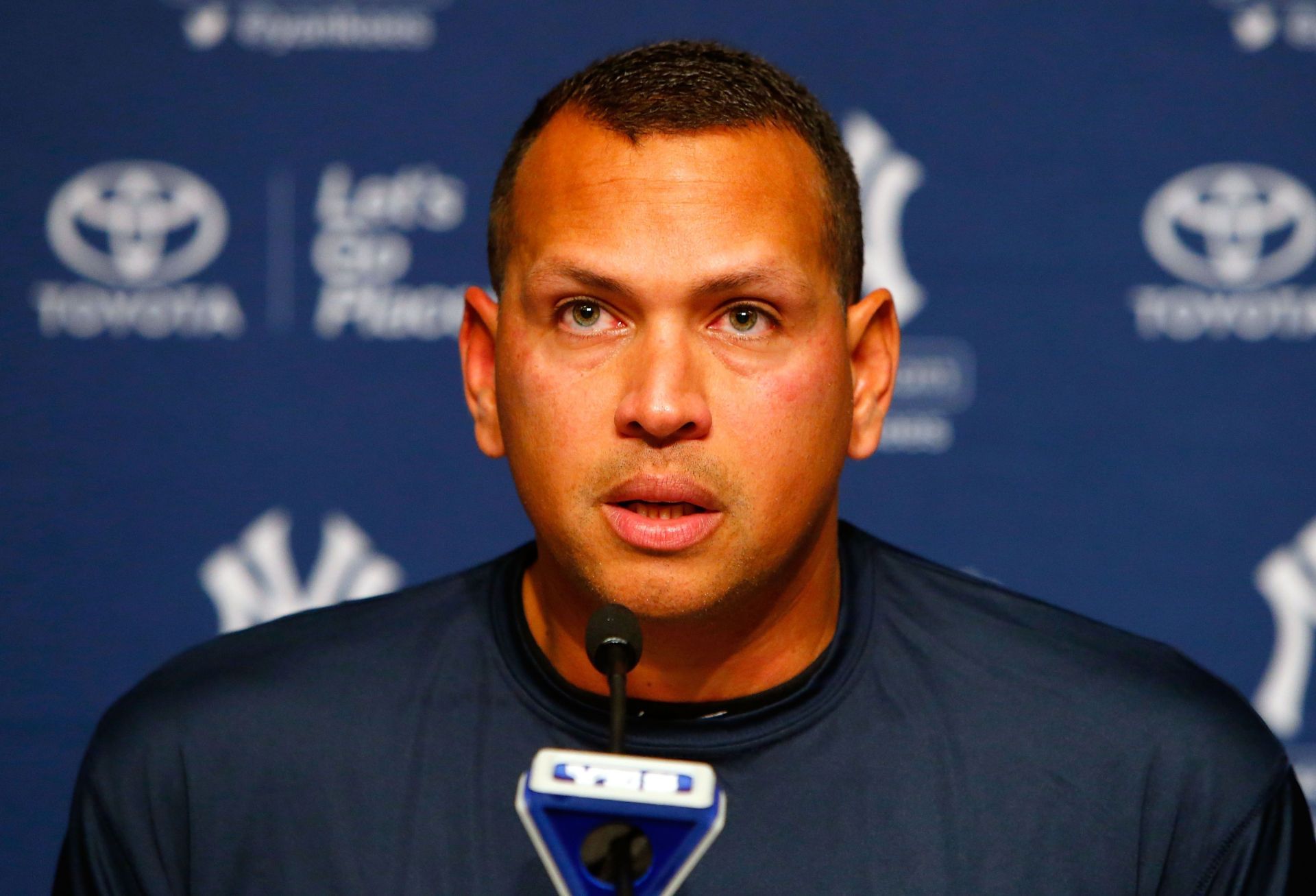
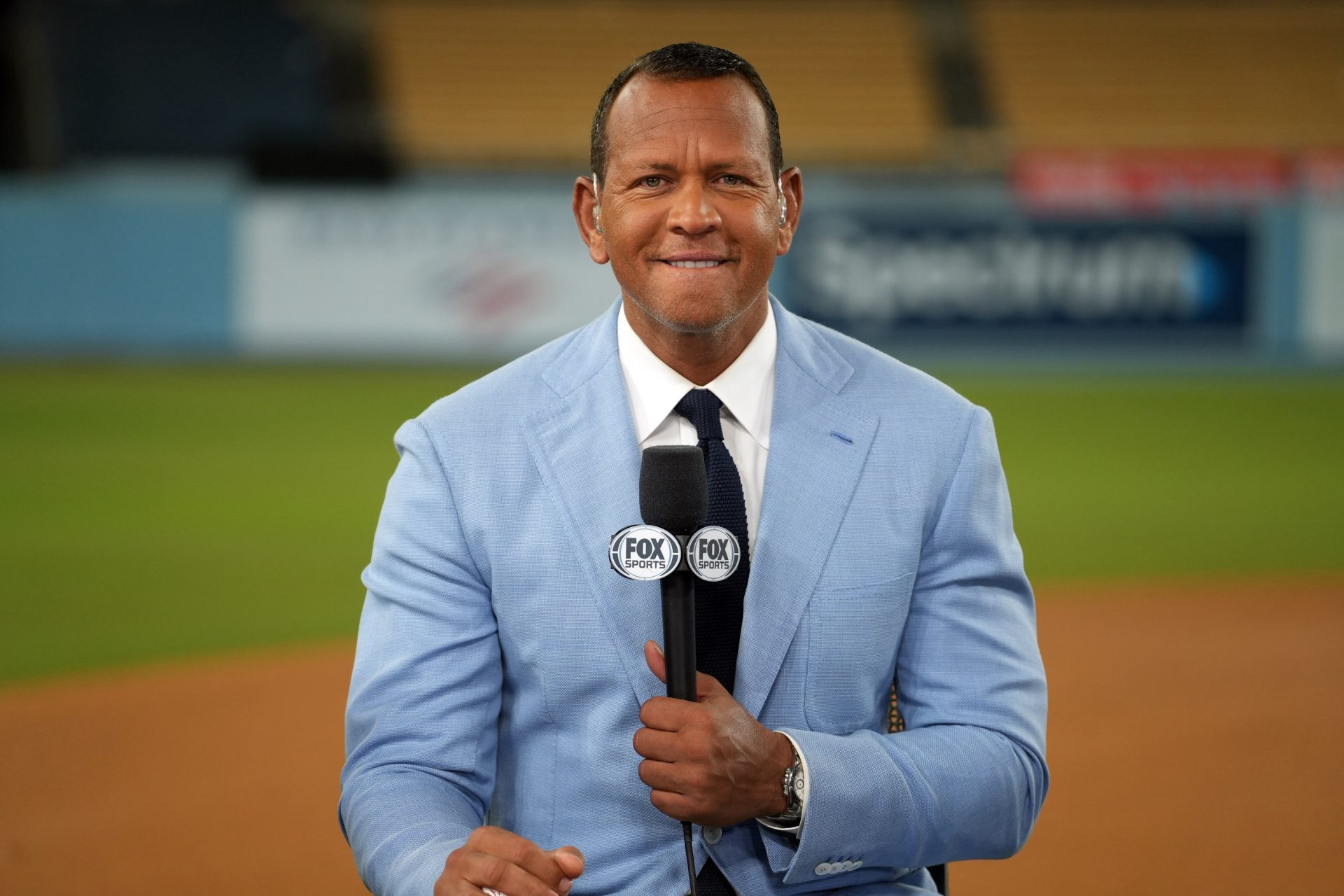
Alex Rodriguez, widely known by his initials "A-Rod," is a retired professional baseball player who transitioned into a prolific entrepreneur and media personality. Over a 22-season Major League Baseball (MLB) career, he achieved significant statistical milestones while simultaneously building a diversified investment portfolio through his firm, A-Rod Corp, which currently manages assets across real estate, sports, and technology sectors.
Early Life and Professional Baseball Trajectory
Born on July 27, 1975, in New York City, Alex Rodriguez spent his formative years in the Dominican Republic and Miami, Florida. His baseball potential became evident early, leading to his selection as the first overall pick in the 1993 MLB draft by the Seattle Mariners. His professional ascent was rapid, marked by a rare combination of power, speed, and defensive versatility at the shortstop position.
Rodriguez’s career is defined by his tenure with three primary franchises: the Seattle Mariners (1994–2000), the Texas Rangers (2001–2003), and the New York Yankees (2004–2016). Throughout these periods, he secured three American League Most Valuable Player (MVP) awards, ten Silver Slugger awards, and fourteen All-Star selections. His career statistics place him among the most prolific offensive players in the history of the sport, characterized by 696 career home runs and over 3,000 career hits.
Following his retirement in 2016, Rodriguez transitioned into roles as a broadcaster for major networks, including ESPN and Fox Sports, where he provides analytical commentary on MLB games. This move bridged the gap between his athletic legacy and his emerging identity as a business executive.
Strategic Investments and A-Rod Corp
The shift from professional athlete to corporate leader was facilitated by the growth of A-Rod Corp. Founded by Rodriguez, the firm focuses on private equity, real estate, and venture capital. Unlike many athletes who maintain passive investment roles, Rodriguez has structured his business operations to mirror the analytical approach he utilized in baseball, emphasizing long-term growth and strategic partnerships.
The firm's real estate division has been a primary engine for wealth generation. It specializes in the acquisition and management of multi-family residential properties, particularly in underserved markets across the United States. By leveraging his background in high-stakes negotiations, Rodriguez has scaled his real estate holdings, often partnering with established investment firms to secure large-scale capital projects.
Beyond real estate, the company has diversified into health and wellness, professional services, and sports media. These ventures are managed with a focus on institutional-grade operations, ensuring that the brand maintains stability across various economic cycles.
Ownership in Professional Sports
A significant milestone in Rodriguez’s post-playing career occurred in 2021 when he and businessman Marc Lore reached an agreement to purchase the Minnesota Timberwolves of the National Basketball Association (NBA) and the Minnesota Lynx of the Women's National Basketball Association (WNBA). The acquisition process, completed in staged tranches, represents a departure from traditional athlete celebrity-endorsement models toward institutional sports ownership.
This investment serves as a cornerstone of his portfolio, reflecting a shift in how former star athletes interact with professional leagues. Ownership involves navigating complex league bylaws, revenue-sharing agreements, and stadium infrastructure developments. This transition from a participant on the field to a decision-maker at the executive level requires proficiency in corporate governance, media rights negotiation, and fan engagement strategies.
Career Milestones and Comparative Analysis
The following table compares the distinct phases of Alex Rodriguez’s professional life, highlighting the metrics and objectives associated with each stage of his career.
| Career Phase | Primary Focus | Key Metrics | Strategic Objective |
|---|---|---|---|
| MLB Athlete | Athletic Performance | Home Runs, Batting Avg, WAR | Statistical Dominance |
| Media Analyst | Sports Commentary | Viewer Engagement, Insights | Brand Authority |
| Business Executive | Capital Allocation | IRR, Equity Growth, AUM | Wealth Diversification |
| Sports Owner | Franchise Valuation | Attendance, Revenue, Wins | Long-term Asset Appreciation |
Challenges and Regulatory Compliance
Rodriguez’s career has not been without significant controversy. Most notably, his involvement in the use of performance-enhancing drugs (PEDs) during his time with the Texas Rangers—and the subsequent Biogenesis scandal during his tenure with the Yankees—led to a season-long suspension in 2014. This period served as a critical inflection point in his career, prompting a public rehabilitation of his image and a formal pivot toward his business interests.
In the context of his current business operations, Rodriguez is subject to strict regulatory oversight, particularly regarding SEC guidelines for his investment firm and NBA/WNBA league governance regarding ownership eligibility and financial transparency. Maintaining compliance in these areas is a prerequisite for his continued involvement in high-level institutional finance and professional sports management.
Frequently Asked Questions
What is the primary role of A-Rod Corp?
A-Rod Corp functions as a private equity and investment firm that manages assets across real estate, venture capital, and sports. Its primary objective is the strategic deployment of capital into long-term, scalable businesses that provide consistent returns through asset management and operational oversight.
How did the transition from professional baseball to business occur?
The transition was a gradual process that began during Rodriguez’s later years in MLB. He utilized his time off-season to learn financial management and real estate acquisition, eventually codifying these interests into his own firm. Following his retirement, he leveraged his high-profile reputation to network with established institutional investors.
Is Alex Rodriguez still involved with professional baseball?
While he is no longer an active player, Rodriguez remains involved in the sport through his work as an analyst for broadcast networks. He provides color commentary and tactical analysis, keeping him engaged with current league trends, roster construction, and advanced metrics, which also informs his broader interest in the sports-business ecosystem.
What are the main risks associated with his current investment strategy?
The primary risks for his investment firm include market volatility in the real estate sector and the inherently unpredictable nature of professional sports ownership. Because his firm manages significant capital, it is also subject to macroeconomic shifts, interest rate changes, and the stringent regulatory requirements imposed by leagues and financial oversight bodies.
What is the ownership status of the Minnesota Timberwolves?
As of 2026, Alex Rodriguez and Marc Lore hold a majority stake in the Minnesota Timberwolves and Minnesota Lynx. Their ownership involves oversight of the teams’ financial operations, strategic decision-making regarding basketball operations, and the management of long-term franchise development projects, including stadium enhancements and community initiatives.
Recommendations for Professional Transitions
Individuals looking to replicate elements of a career transition from high-performance fields to executive roles should focus on the following:
- Continuous Education: Even after achieving mastery in a primary field, seek formal training in finance, corporate law, or business management to understand the regulatory and economic environments of new industries.
- Strategic Networking: Transitioning to business requires moving beyond the social circles of one’s former profession. Engage with institutional partners, legal counsel, and business consultants who bring experience in high-stakes capital management.
- Governance Compliance: When moving into regulated industries like professional sports or investment management, prioritize transparency. Understanding the governance rules of a league or the disclosure requirements of a regulator is essential to maintaining professional longevity and credibility.
- Operational Discipline: Successful athletes often rely on physical discipline; success in business requires operational discipline—the ability to delegate, manage budgets, and oversee human capital effectively.