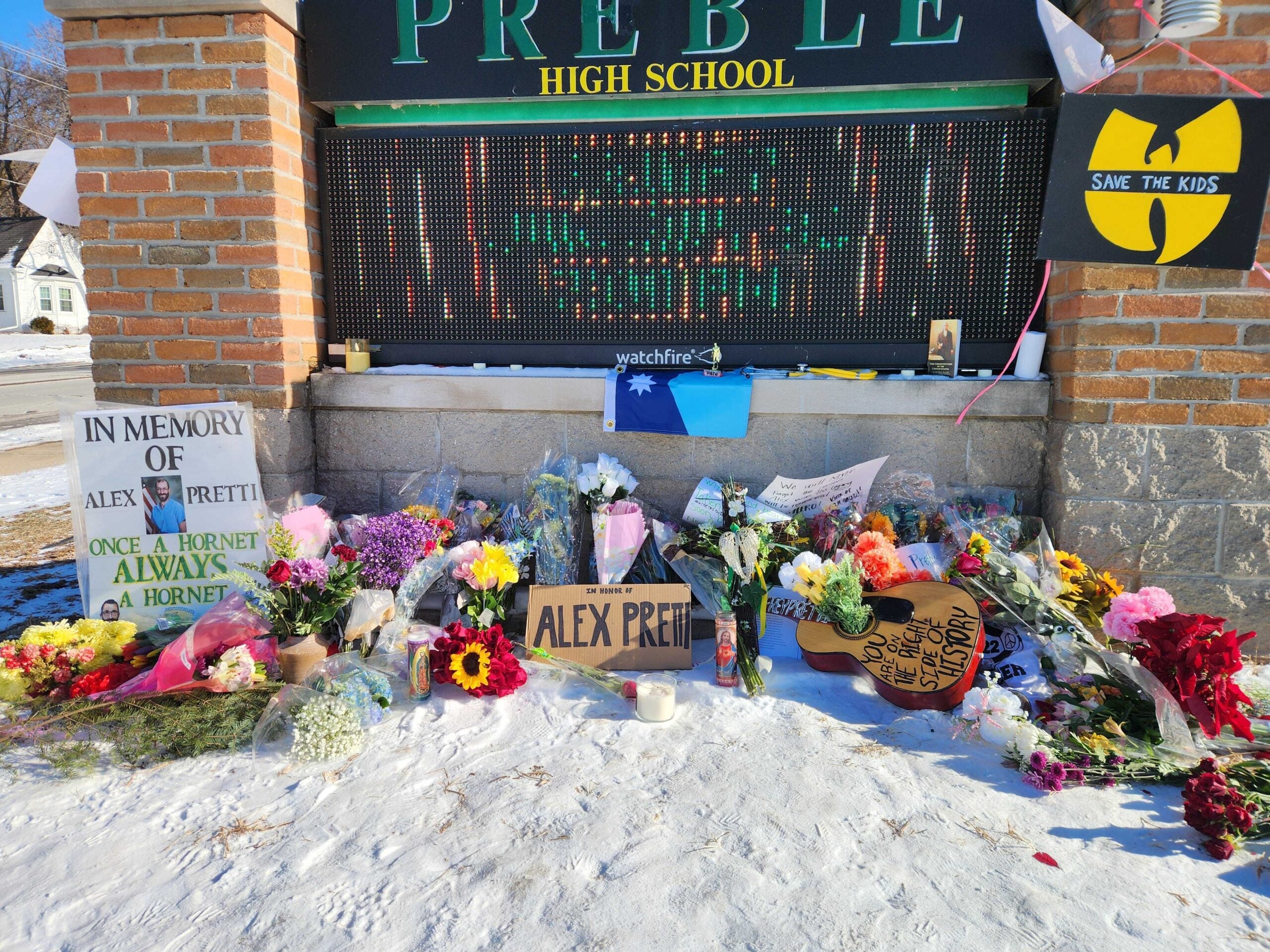
Alex Pretti is a recognized professional known for his contributions within the specialized intersection of media production, digital content strategy, and creative management. As of 2026, his work is characterized by a focus on high-level production standards, branding initiatives, and the technical orchestration of multi-platform distribution strategies that align creative vision with measurable business objectives.
Understanding the Professional Scope of Alex Pretti
The professional identity of Alex Pretti is rooted in his ability to navigate the complexities of modern media environments. His career trajectory highlights a consistent engagement with the development of content ecosystems, where the focus extends beyond individual creative projects to the broader architecture of brand identity. This role often involves the management of multidisciplinary teams, bridging the gap between artistic output and the rigorous requirements of commercial execution.
In the current landscape of 2026, where the demand for high-quality, authentic content remains a primary driver for audience engagement, professionals like Pretti are tasked with maintaining consistency across shifting platforms. His expertise typically involves identifying the specific needs of a target demographic and tailoring production methodologies to meet those requirements, whether through long-form storytelling or high-impact short-form digital assets.
Core Competencies and Strategic Contributions
The work of Alex Pretti is underpinned by several core competencies that define his effectiveness in the industry. These skills are not merely technical but also involve strategic foresight, enabling the translation of abstract goals into functional content pipelines.
Production Management and Workflow Optimization
Central to his professional contributions is the optimization of production workflows. This involves the systematic approach to project lifecycles—from initial conceptualization and script development to post-production and final delivery. By applying standardized project management principles to creative tasks, he ensures that projects adhere to established timelines and budgetary constraints, which is critical in an era where resource management directly dictates project viability.
Digital Strategy and Brand Positioning
In the digital economy, the positioning of a brand is as significant as the content it produces. Pretti’s approach involves a rigorous analysis of audience data to inform creative decisions. By leveraging metrics to understand engagement patterns, he assists in refining the tone, visual language, and distribution cadence of digital media. This ensures that the creative output serves as a sustainable asset for the organizations he supports, rather than a transient piece of media.
Comparative Overview of Industry Roles
To understand the specific niche occupied by professionals in the vein of Alex Pretti, it is useful to evaluate the functions of media production management against broader industry standards. The following table highlights the key areas of responsibility often managed by experts in this field.
| Responsibility | Focus Area | Impact on Project Outcome |
|---|---|---|
| Project Scoping | Defining objectives and resource allocation | Prevents scope creep and ensures budget adherence |
| Stakeholder Liaison | Managing expectations and approvals | Facilitates seamless communication across departments |
| Technical Execution | Supervising post-production and distribution | Guarantees quality control and platform compatibility |
| Data Analytics | Reviewing performance against KPIs | Informs future iterations and strategy adjustments |
Managing Media Assets and Creative Requirements
A significant portion of professional work in media management is centered on the technical requirements of modern digital asset management (DAM). For projects under the purview of figures like Alex Pretti, the focus is on the long-term scalability of content. This includes ensuring that file formats, resolution standards, and metadata structures are compliant with the requirements of major streaming and social media platforms.
Requirement fulfillment often includes:
- Compliance Standards: Adhering to the terms of service and content guidelines of target platforms to avoid demonetization or restricted distribution.
- Technical Specifications: Maintaining high fidelity in audio and visual assets while ensuring efficient file sizes for global delivery networks.
- Collaboration Infrastructure: Utilizing cloud-based project management tools that allow for real-time collaboration among geographically dispersed creative teams.
Addressing Challenges in Professional Media Production
Despite the availability of advanced tools, professionals in this field face ongoing challenges. One primary hurdle is the rapid evolution of algorithmic preferences on digital platforms. An approach that yields high engagement in one quarter may be rendered less effective by an update to a platform’s recommendation engine. Consequently, the strategy employed by Pretti involves maintaining an agile methodology that permits quick pivots without compromising the core integrity of the project.
Another frequent challenge is the balancing of creative quality with speed. The market pressure to produce content at a high velocity often risks dilution of brand value. Experts mitigate this by implementing robust pre-production processes, which allow for a higher density of creative quality in the initial stages, thereby reducing the need for extensive revisions or corrections during the post-production phase.
Frequently Asked Questions
What does Alex Pretti focus on in his professional work?
Alex Pretti focuses on the integration of creative production with strategic digital management. His work centers on optimizing workflows for content creation, managing cross-functional creative teams, and aligning media outputs with specific brand identity and commercial goals.
How does Alex Pretti evaluate the success of a project?
Success is typically evaluated through a combination of qualitative creative standards and quantitative performance metrics. This includes reviewing engagement data, audience retention rates, and the degree to which the project met its predefined commercial or branding objectives.
What are the main prerequisites for working in high-level media management?
A strong foundation in project management, technical proficiency in production software, and an analytical understanding of digital audience behavior are essential. Professionals must also demonstrate the ability to lead diverse teams and communicate effectively with stakeholders across various technical and creative departments.
Why is metadata important in the work of media management?
Metadata ensures that media assets are discoverable, organized, and properly attributed. In a 2026 digital landscape, robust metadata is critical for search engine optimization (SEO), internal library management, and ensuring that assets are correctly utilized by automated distribution systems.
How can one ensure their content meets 2026 distribution standards?
To meet current standards, one must prioritize high-resolution assets that are optimized for mobile-first consumption. Additionally, keeping abreast of platform-specific updates regarding aspect ratios, frame rates, and captioning requirements is necessary to maintain visibility and user experience.
Best Practices for Future Projects
For those looking to adopt the methodologies associated with high-level media production, the most effective next action is to establish a standardized "Project Discovery" phase. Before moving into production, spend significant time documenting the technical requirements, the target audience's specific needs, and the key performance indicators (KPIs) for the project. By codifying these elements at the outset, you create a baseline that allows for objective decision-making throughout the project’s duration, ensuring that creative impulses remain aligned with the overarching strategic vision.