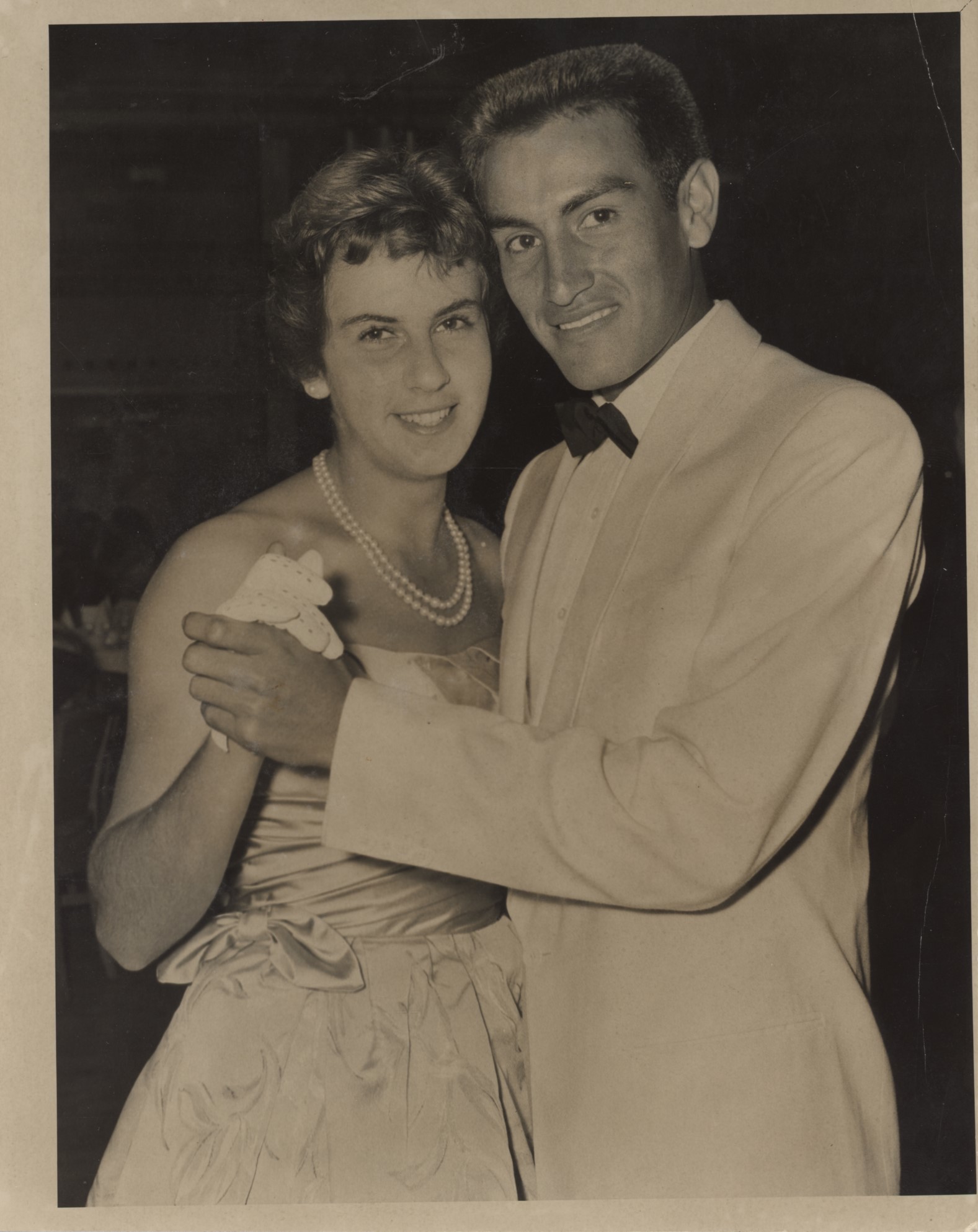
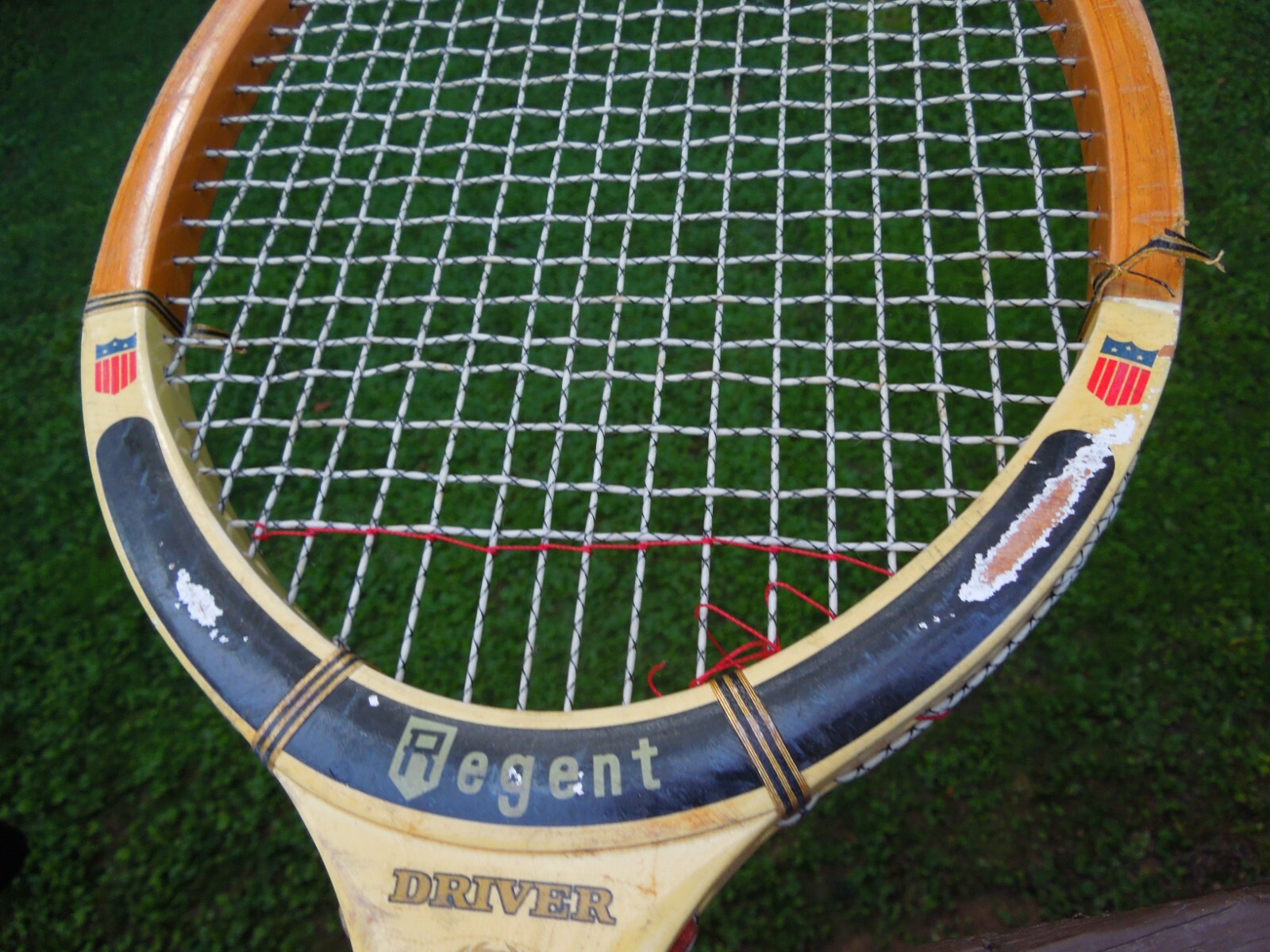
Alejandro "Alex" Olmedo strode onto the amateur and professional tennis circuits in the late 1950s, bringing a brilliant blend of tactical precision, effortless stroke-making, and psychological fortitude that earned him global renown as a true tennis maestro. Born in Arequipa, Peru, Olmedo carved a fascinating path through international sports, moving from humble ballboy roots in South America to the pinnacle of lawn tennis at Wimbledon and the championships of the United States. His ascent captures a defining era of tennis history, illustrating how an elite competitor from a non-traditional tennis nation could master the grass and hard courts of the amateur-to-open transition period and secure an enduring legacy.
From Arequipa to Southern California: The Formative Years of an Exceptional Talent
The journey of Alex Olmedo began far from the hallowed country clubs of Europe and the United States. Born in March 1936 in Arequipa, Peru, Olmedo grew up around the game because his father worked as a tennis coach and club manager at the Arequipa Tennis Club. This environment immersed the young Olmedo in the mechanics of the sport from an early age. He spent countless hours as a ballboy, absorbing tactical concepts and developing a natural eye for ball-tracking, spatial awareness, and court geometry long before he ever received formal, high-level coaching.
Recognizing his raw potential, the tennis community in Peru arranged for Olmedo to relocate to the United States during his late adolescence. He settled in Southern California, a region renowned for its vibrant tennis culture, year-round outdoor play, and innovative coaching methodologies. Training under renowned mentors, particularly George Toley at the University of Southern California (USC), Olmedo refined his natural gifts. Toley and other California-based coaches helped him transform his fluent, fluid groundstrokes into weapons capable of neutralizing heavy hitters. Olmedo anchored the USC Trojans tennis team, leading them to consecutive NCAA team championships in 1956 and 1958, proving his capacity to perform under pressure in high-stakes team environments.
Mastering the Surface: The Tactical Brilliance of the Maestro
What separated Alex Olmedo from many of his contemporaries was an uncanny tactical versatility. While the late 1950s featured dominant serve-and-volley specialists and staunch baseline grinders, Olmedo combined aspects of both styles with an exceptional feel for the ball. His nickname, "The Chief"—a moniker he earned due to his Peruvian indigenous heritage—often accompanied descriptions of his calm, unflappable demeanor on the court. While opponents fumed or panicked during tense tie-breaks or crucial service breaks, Olmedo maintained an icy exterior that allowed him to assess weaknesses and adjust his strategy mid-match.
Olmedo possessed one of the most aesthetic and functional serves of his era. Though not built with the towering frame of giants like later serve-and-volley exponents, he leveraged excellent timing, a smooth kinetic chain, and precise placement to secure easy points or set up his approach shots. His footwork was exceptionally light, allowing him to glide across slick grass surfaces with minimal wasted motion. On the backhand side, he could drive the ball flat with penetrating depth or slice it low to keep opponents from lifting clean passing shots. This multi-dimensional game plan made him exceptionally dangerous on fast surfaces where control and anticipation outweighed sheer muscle.
The Breakthrough Year: 1959 and the Triumph at Wimbledon
The crowning achievement of Olmedo’s amateur career arrived in 1959, a year that cemented his status among the global elite. Representing the United States in international team competitions like the Davis Cup—a complex citizenship arrangement facilitated by his residency and USLTA backing—Olmedo proved instrumental in helping the United States capture the Davis Cup title in late 1958 by defeating Australia on their home soil in Brisbane. This monumental team success set the stage for his individual masterpiece at the All England Club a few months later.
At the 1959 Wimbledon Championships, Olmedo played sublime tennis across two weeks of grueling competition. Seeded fifth, he navigated a treacherous draw by blending aggressive net play with disciplined baseline rallies. In the singles final, he faced the formidable Australian player Rod Laver, dismantling his younger opponent in straight sets (6–4, 6–3, 6–4) with a masterclass in tactical execution. Beyond winning the singles crown, Olmedo also partnered with fellow American Barry Mackay to capture the Wimbledon men's doubles title, completing a prestigious double. He followed this up later that year by winning the U.S. Championships (now the US Open) at Forest Hills, defeating Neale Fraser in another tactical masterclass.
Major Career Highlights and Tournament Successes
| Tournament / Event | Year | Surface | Result / Achievement |
|---|---|---|---|
| NCAA Championships | 1956 | Hard / Outdoor | Team Champion (USC) |
| NCAA Championships | 1958 | Hard / Outdoor | Team & Singles Champion (USC) |
| Davis Cup | 1958 | Grass | Champion (Representing the USA) |
| Wimbledon Championships | 1959 | Grass | Singles & Doubles Champion |
| U.S. Championships (USOpen) | 1959 | Grass | Singles Champion |
Transitioning to the Professional Ranks and Later Influence
Following his stellar 1959 amateur campaign, the landscape of tennis hovered on the precipice of the Open Era. Professional promoters pursued top-tier talent aggressively, and Olmedo signed a professional contract to tour alongside legends like Pancho Gonzales, Ken Rosewall, and Lew Hoad. Competing in the rigorous, barnstorming professional circuit exposed Olmedo to the absolute highest tier of day-in, day-out competition. While the travel was grueling and the financial rewards were modest compared to modern multi-million dollar purses, these matches burnished his reputation as a cerebral player who could dissect the games of the sport's all-time greats.
Injuries eventually slowed his competitive momentum, leading Olmedo to transition smoothly into coaching and club management. He spent decades as the head pro at the Beverly Hills Hotel, where he taught Hollywood celebrities, corporate executives, and promising juniors alike. In this role, Olmedo passed down the classical techniques and court positioning wisdom he had acquired from George Toley and his own championship experiences. His induction into the International Tennis Hall of Fame in 1987 formally recognized his contributions as both an extraordinary competitor and an ambassador for the game.
Frequently Asked Questions About Alex Olmedo
Where was Alex Olmedo born and how did he start playing tennis?
Alex Olmedo was born in Arequipa, Peru, in 1936. He started playing tennis because his father managed and coached at the Arequipa Tennis Club, allowing Olmedo to spend his childhood immersed in the sport as a ballboy and junior player.
What were Alex Olmedo’s most significant Grand Slam victories?
His most significant victories occurred in 1959, when he won the Wimbledon singles and doubles titles, followed by capturing the singles title at the U.S. Championships at Forest Hills later that same year.
Why was Alex Olmedo often referred to as "The Chief"?
The nickname "The Chief" was given to Olmedo by his peers and American media in recognition of his Peruvian indigenous heritage and his calm, commanding authority and composure during high-pressure matches.
Did Alex Olmedo play in the Open Era of professional tennis?
Yes, Olmedo competed during the transition phase from amateur to professional tennis in the late 1950s and 1960s, playing on the grueling professional tours against top-flight contemporaries before dedicating his later years to coaching.
What was Alex Olmedo’s legacy in American collegiate tennis?
Olmedo starred for the University of Southern California (USC) under coach George Toley, winning NCAA team championships in 1956 and 1958, as well as the individual NCAA singles title in 1958.
Preserving a Classical Legacy in Modern Tennis
Examining the career of Alex Olmedo offers contemporary enthusiasts a valuable perspective on how tactical intelligence, fluid movement, and mental poise can compensate for physical power in elite competition. Long before advanced sports science and data analytics transformed player preparation, Olmedo relied on pure court vision and structural discipline to dismantle opponents on the world's biggest stages. Aspiring players and coaches studying his matches can learn timeless lessons about shot selection, emotional control under pressure, and the art of constructing points on fast surfaces. Remembering Olmedo ensures that the lineage of South American tennis pioneers remains vibrant and celebrated in the annals of sports history.