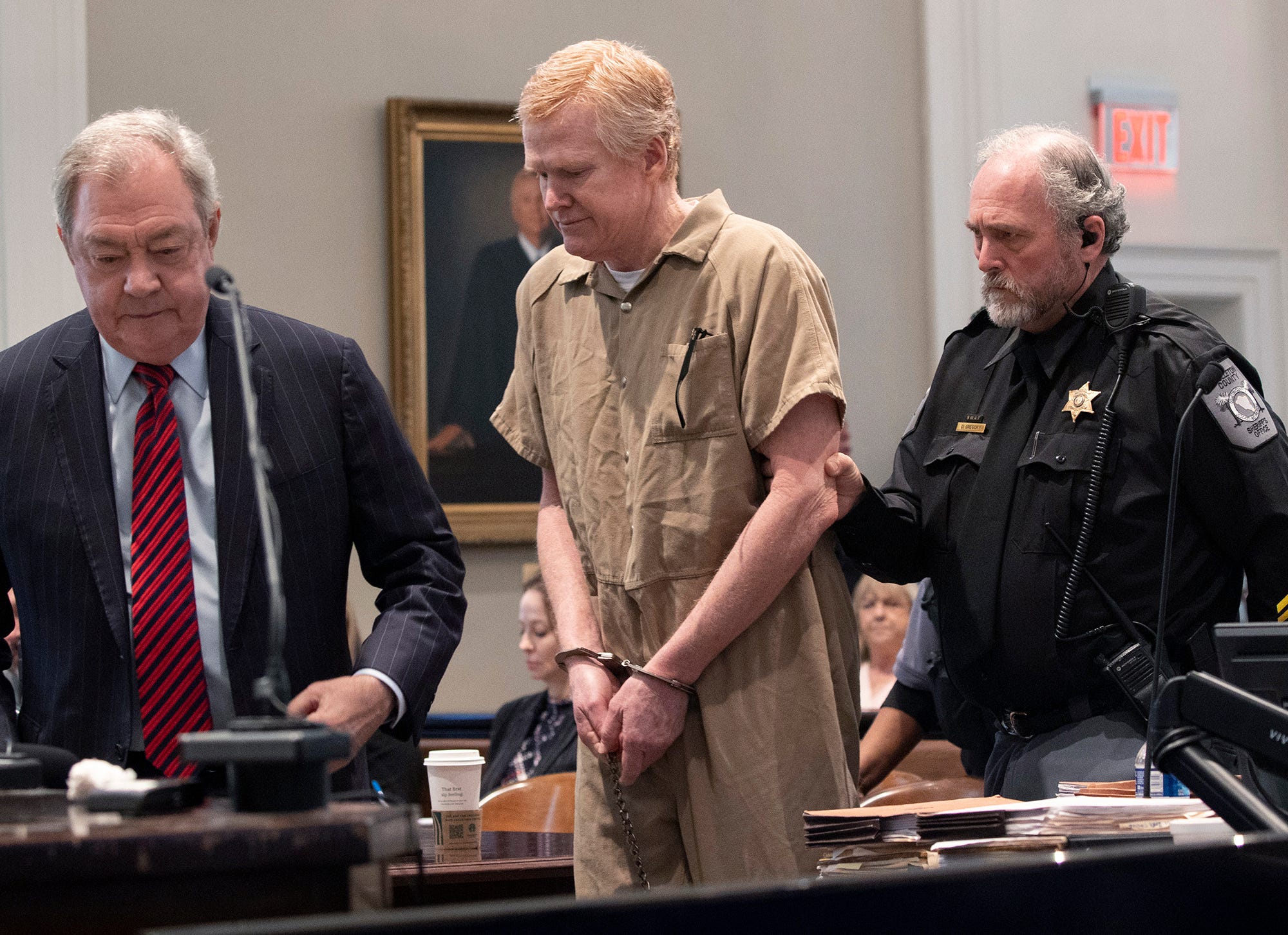
The phrase "death in the family" within the context of the Alex Murdaugh legal saga typically refers to the tragic, highly publicized homicides of his wife, Margaret "Maggie" Murdaugh, and their younger son, Paul Murdaugh, on June 7, 2021. This dual murder upended a powerful South Carolina legal dynasty, exposed decades of financial fraud, and triggered a massive multi-jurisdictional investigation that culminated in Alex Murdaugh’s conviction and life imprisonment, fundamentally altering public perception of accountability, institutional power, and the American criminal justice system.
The Tragic Events of June 7, 2021
On the evening of June 7, 2021, emergency services received a 911 call from Alex Murdaugh reporting that he had found his wife, Maggie, and their 22-year-old son, Paul, shot dead near the dog kennels of the family's rural estate, known as Moselle, located in Colleton County, South Carolina. Paul Murdaugh sustained fatal shotgun wounds to the head and chest, while Maggie Murdaugh was killed with a semi-automatic rifle. At the time of the discovery, the local community and law enforcement plunged into an intensive search for the perpetrators, unaware that the investigation would eventually circle back to the patriarch of the family.
The initial response by local authorities faced immediate scrutiny due to the Murdaugh family's deep-rooted historical influence in the South Carolina Lowcountry. For generations, members of the Murdaugh family had served as the solicitor for the Fourteenth Judicial Circuit, creating a web of personal and professional relationships across local law enforcement agencies and judicial offices. This dynamic necessitated the intervention of the South Carolina Law Enforcement Division (SLED) to ensure an impartial investigation. As SLED investigators processed the crime scene, gathered forensic evidence, and began interviewing witnesses, the narrative surrounding a random act of violence quickly unraveled.
Unraveling the Motive: Financial Collapse and Fraud
The investigation into the deaths of Maggie and Paul Murdaugh cannot be separated from the concurrent collapse of Alex Murdaugh's personal and professional life. In the months preceding the murders, Murdaugh faced mounting pressure regarding his financial improprieties. As a prominent personal injury attorney, Murdaugh had systematically embezzled millions of dollars from his law firm clients, insurance settlements, and associates over a multi-year period to fund a severe opioid addiction and maintain an unsustainable lifestyle.
Just days before the killings, partners at Murdaugh’s law firm—then known as Peters, Murdaugh, Parker, Eltzroth & Detrick (PMPED)—confronted him about missing settlement funds. Furthermore, a civil lawsuit stemming from a fatal 2019 boat crash involving Paul Murdaugh was heading toward a discovery phase that threatened to expose Alex Murdaugh's total financial ruin. Prosecutors later argued during the double-homicide trial that Murdaugh executed his wife and son to generate sympathy, distract from his impending financial exposure, and buy time as his web of deceit collapsed.
The Criminal Trials and Legal Proceedings
The legal fallout from the deaths at Moselle expanded into a sprawling array of state and federal indictments, transforming the tragedy into one of the most closely watched legal proceedings in modern American history.
| Case / Proceeding | Core Charge or Focus | Primary Jurisdiction | Outcome or Status |
|---|---|---|---|
| Double Homicide Trial | Murder of Maggie and Paul Murdaugh | South Carolina Circuit Court | Convicted of two counts of murder; sentenced to consecutive life terms in March 2023. |
| Financial Crimes Prosecution | Wire fraud, money laundering, tax evasion | Federal and State Courts | Pleaded guilty to federal financial crimes; sentenced to 40 years federal prison, running concurrently with state sentences. |
| Bailiffs and Jury Tampering Allegations | Allegations of improper influence during the murder trial | South Carolina Court of Appeals | Motion for a new trial denied after evidentiary hearings regarding clerk of court conduct. |
The state murder trial, presided over by Judge Clifton Newman, captivated public attention through gavel-to-gavel television coverage. The prosecution presented compelling circumstantial evidence, including a pivotal mobile phone video recovered from Paul Murdaugh’s phone recorded moments before the murders. The video placed Alex Murdaugh at the crime scene near the dog kennels, directly contradicting his initial statements to law enforcement claiming he had not been at the kennels that evening. In March 2023, a Colleton County jury found Murdaugh guilty on two counts of murder and two counts of possession of a weapon during the commission of a violent crime.
Broader Cultural and Systemic Impacts
Beyond the specific criminal convictions, the Murdaugh family tragedy exposed systemic vulnerabilities within the South Carolina legal and political establishment. The case prompted renewed scrutiny of how rural judicial circuits operate when intertwined with powerful legal dynasties. Investigative journalists, legal scholars, and lawmakers examined the historical handling of prior suspicious incidents linked to the family, including the 2015 death of Stephen Smith and the 2018 death of housekeeper Gloria Satterfield.
The public exposure of institutional blind spots catalyzed legislative discussions regarding judicial accountability, ethics enforcement within law enforcement agencies, and the oversight of trust accounts managed by attorneys. The saga also fueled a massive true-crime media ecosystem, comprising documentaries, podcasts, and investigative books that dissected the psychology of white-collar crime, rural power structures, and the devastating human cost of unchecked addiction and deception.
What It Means for Accountability and Public Trust
The ultimate resolution of the Alex Murdaugh case carries profound symbolic meaning regarding the principle that no individual is above the law, regardless of familial legacy or social standing. For the South Carolina Lowcountry community, the trials provided a measure of legal closure, yet they left behind deep institutional scars. The systematic dismantling of Murdaugh's professional standing and his removal from society through multiple life sentences underscored the judiciary's capacity to eventually pierce through layers of influence when confronted with overwhelming forensic and financial evidence.
Frequently Asked Questions
Was Alex Murdaugh convicted of killing his wife and son?
Yes. Following a six-week trial in early 2023, a South Carolina jury convicted Alex Murdaugh of the June 2021 murders of his wife, Maggie, and his son, Paul. He received two consecutive life sentences without the possibility of parole.
What was the primary motive established by prosecutors?
Prosecutors established that Murdaugh committed the murders to distract from his multi-million-dollar financial frauds and impending professional ruin. He faced intense scrutiny from his law firm and a civil lawsuit that threatened to expose years of client embezzlement.
Are there other criminal charges associated with the Murdaugh family case?
Yes. In addition to the murder convictions, Alex Murdaugh pleaded guilty to dozens of state and federal charges involving financial fraud, money laundering, tax evasion, and forgery, resulting in significant federal and state prison sentences running concurrently with his life terms.
How did the investigation shift toward Alex Murdaugh?
The investigation shifted after digital forensics, specifically a video recovered from Paul Murdaugh's cellular device, proved that Alex Murdaugh was present at the Moselle kennels minutes before the murders, contradicting his consistent alibi given to investigators.
What happened to the family estate at Moselle?
The Moselle property was placed into receivership as part of civil settlements and financial restitution efforts. The estate was subsequently sold to independent buyers, with the proceeds directed toward victims of Murdaugh's financial crimes and the wrongful death settlements stemming from the 2019 boat crash.