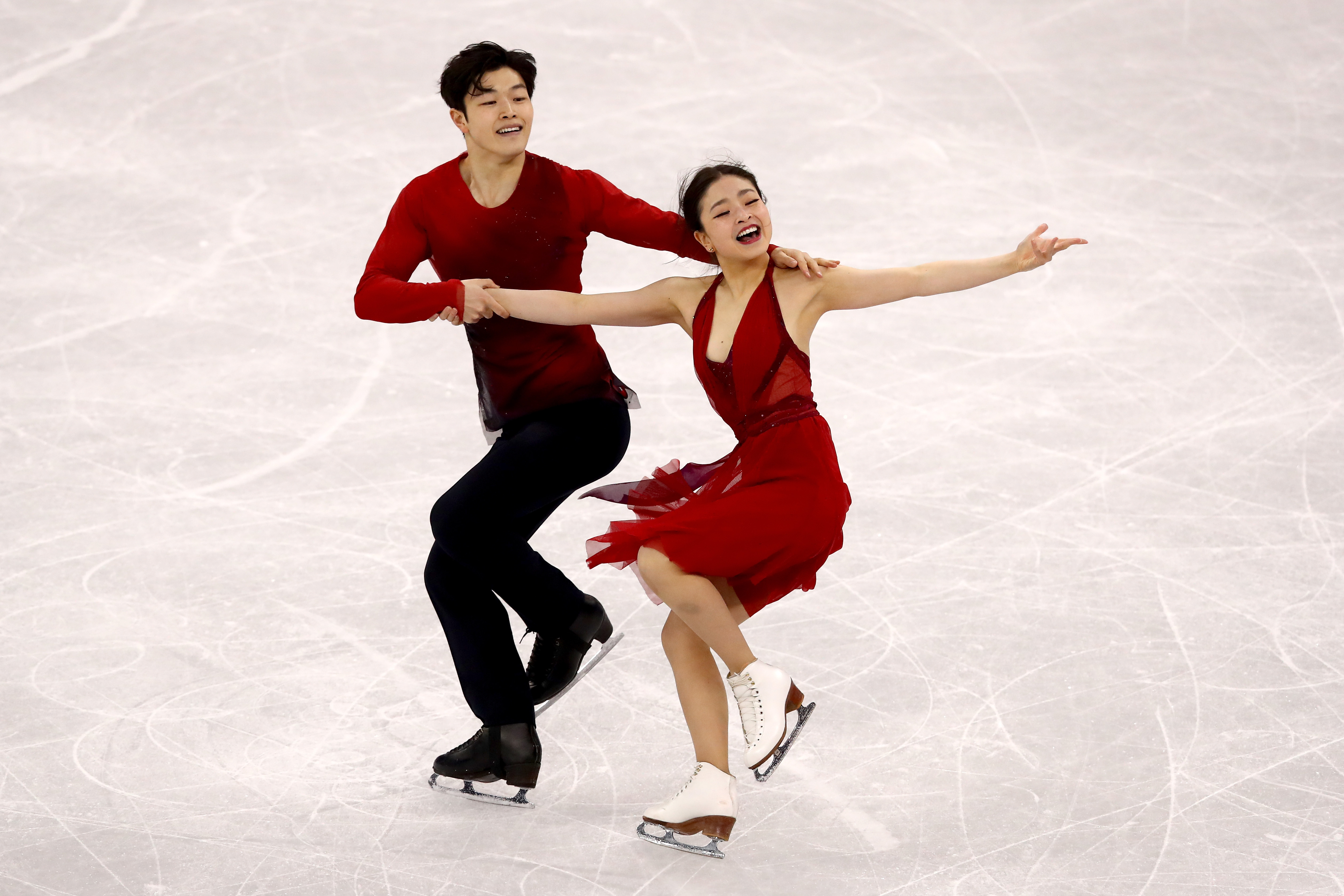
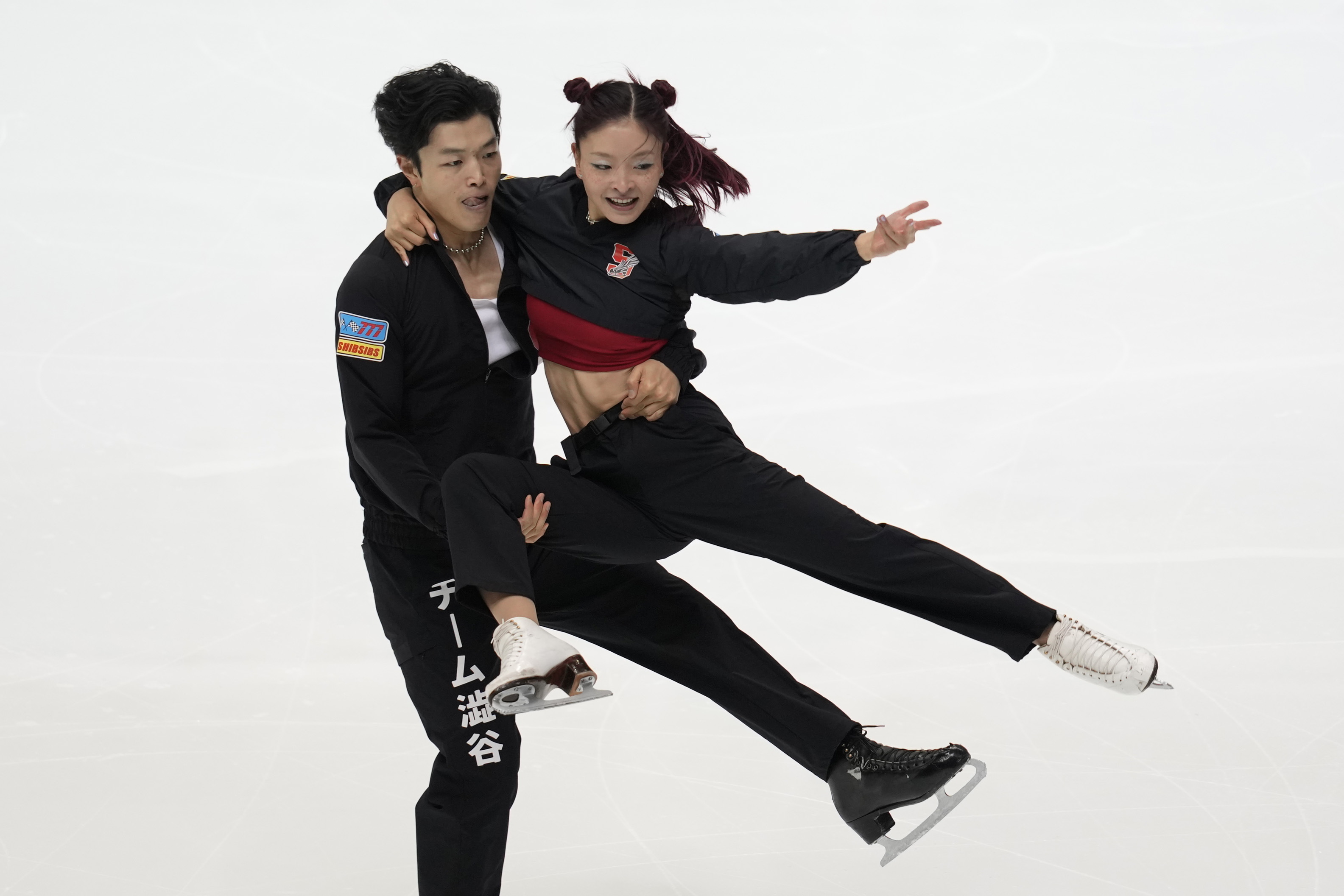
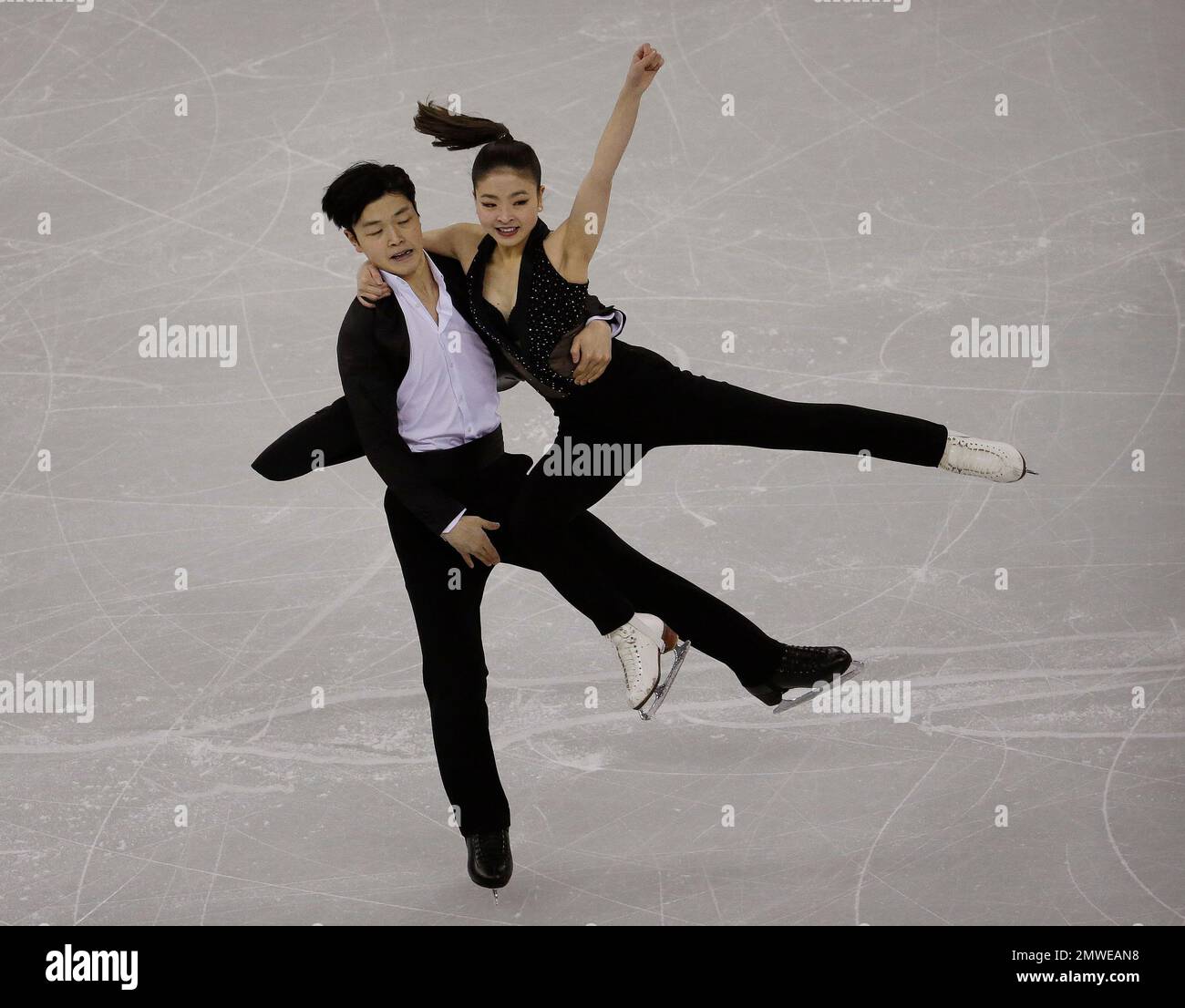
Alex and Maia Shibutani, universally celebrated as the "ShibSibs," represent a historic pinnacle in American ice dancing through their remarkable synchronization, technical precision, and sustained competitive excellence on the international stage.
As siblings who competed at the highest levels of elite figure skating, Alex and Maia Shibutani carved out a unique legacy defined by three-time World medalists status, two-time U.S. National Champions titles, and an Olympic bronze medal in the team event at the 2018 Pyeongchang Winter Games. Their partnership redefined modern ice dance by blending athletic difficulty with an exquisite, artistic unison that earned them global admiration and cemented their status as a legendary duo in winter sports history.
The Origins and Early Development of the ShibSibs
The journey of Alex and Maia Shibutani began in the suburbs of the United States, where both siblings developed a passion for ice skating at an early age. Maia, born in New York City, and Alex, born in Boston, grew up in Connecticut before eventually relocating to Michigan to train with elite coaching personnel. Skating together initially as a recreational activity, their natural chemistry and identical sense of rhythm quickly became apparent to coaches who recognized rare potential in sibling partnerships.
Ice dancing requires an extraordinary degree of physical proximity, emotional synchronization, and non-verbal communication. While many partnerships struggle to achieve this level of unison, the lifelong bond between Alex and Maia provided an innate foundation. They transitioned through the juvenile, intermediate, and novice ranks with remarkable speed, capturing the U.S. Junior Championship title in 2007. This early triumph signaled to the international skating community that a formidable new force was emerging within the American pipeline.
As they ascended to the junior international circuit, the duo embraced rigorous training regimes under the guidance of renowned choreographers and technicians. Their meticulous attention to detail, particularly in edge quality and intricate footwork sequences, set them apart from their peers. By the time they graduated to the senior international level, they had already established a distinct artistic identity characterized by sophistication, musicality, and a clean, classical execution of compulsory and original dances.
Ascending the Senior Ranks and International Breakthrough
Entering the senior international arena presented a formidable challenge, but Alex and Maia Shibutani adapted rapidly to the heightened technical and artistic demands. They made their senior Grand Prix debut during the 2010-2011 season, stunning the skating world by capturing a medal at Skate America and subsequently earning a spot on the World Championship team. Their debut World Championship appearance in 2011 resulted in a sensational bronze medal, making them one of the youngest ice dance teams in history to podium at their first senior World event.
This immediate success established high expectations, prompting the duo to continuously refine their programs to meet evolving International Skating Union (ISU) standards. Over the next several cycles, they navigated the intense competitive pressures of the quadrennial system, balancing technical innovations with emotional expression. Their partnership was characterized by a relentless work ethic, enabling them to adapt seamlessly as the sport transitioned from compulsory dances to the short dance and free dance formats.
| Competition / Milestone | Year | Achievement / Result |
|---|---|---|
| U.S. Junior Championships | 2007 | Gold Medal |
| ISU World Championships | 2011 | Bronze Medal |
| Four Continents Championships | 2016 | Gold Medal |
| U.S. National Championships | 2016 | Gold Medal (First Senior Title) |
| Olympic Winter Games (Pyeongchang) | 2018 | Ice Dance Bronze Medal & Team Bronze Medal |
The tactical evolution of their programs reflected a deep understanding of skating mechanics. They collaborated with top-tier choreographers like Marina Zoueva and Igor Shpilband, developing routines that showcased their signature speed across the ice and seamless twizzle sequences. Their ability to execute side-by-side twizzles with absolute synchronization became a benchmark for the discipline, routinely earning maximum level-four evaluations from technical panels.
Securing Historic Glory at the 2018 Pyeongchang Olympics
The culmination of the Shibutani siblings' competitive career occurred at the 2018 Winter Olympic Games in Pyeongchang, South Korea. Entering the Games as reigning U.S. Champions and perennial world podium contenders, they faced immense scrutiny from media and fans alike. The ice dance field was exceptionally deep, featuring legendary competitors such as Tessa Virtue and Scott Moir, as well as Gabriella Papadakis and Guillaume Cizeron.
In the inaugural team event, Alex and Maia delivered a flawless free dance performance that contributed significantly to the United States securing the bronze medal. This achievement marked their first Olympic medal and set a confident tone for the individual ice dance competition. Performing to a medley that highlighted their theatrical range and technical security, they executed their short and free dances with poise and precision.
| Olympic Event (2018) | Program | Technical Execution | Final Placement |
|---|---|---|---|
| Team Event | Free Dance | Flawless twizzles and lifts | Bronze Medal |
| Individual Event | Short Dance / Free Dance | Consistent execution, high grade of execution (GOE) | Bronze Medal |
When the scores were tallied for the individual ice dance event, Alex and Maia Shibutani stood on the podium with the bronze medal around their necks. In doing so, they became the first ice dancers of Asian descent to win an Olympic medal, etching their names permanently into sports history. Their achievement expanded cultural representation within figure skating and inspired a new generation of skaters from diverse backgrounds to pursue ice sports.
Artistic Style, Technical Mastery, and Legacy
Beyond their medal count, the enduring legacy of Alex and Maia Shibutani rests upon their distinctive artistic aesthetic and unwavering sportsmanship. Ice dance is frequently judged on nuance, partnership harmony, and the ability to interpret complex musical phrasing. The ShibSibs possessed a unique capacity to translate musicality into physical movement, ensuring that every transition, lift, and spin served the overarching narrative of their program.
Their technical mastery was anchored in deep edges, exceptional speed, and remarkable ice coverage. While some teams relied heavily on dramatic theatricality, Alex and Maia favored sophisticated elegance, precision, and athletic harmony. Their partnership also broke cultural barriers, earning them widespread acclaim as ambassadors for the sport. They utilized their platform to advocate for inclusivity, mental wellness, and physical longevity in elite athletics.
Following their competitive appearance at the 2018 Olympics, the duo embarked on extensive tours with Stars on Ice, captivating live audiences worldwide with their signature programs. Their transition away from immediate competitive eligibility allowed them to explore creative pursuits outside of competitive skating, including writing, design, and media collaborations. Despite stepping back from ISU-sanctioned competition, their influence on modern ice dance coaching methodologies and choreography remains distinctly visible.
Navigating Life Beyond Competitive Figure Skating
Transitioning away from the demands of elite international competition represents a complex phase for any professional athlete, yet Alex and Maia Shibutani managed this shift with characteristic grace and strategic foresight. Having spent decades dedicating their lives to rigorous morning practices, international travel, and constant judging scrutiny, they leveraged their professional discipline to build successful careers in literature, public speaking, and creative direction.
As authors, they expanded their cultural impact by publishing children's literature, including their inspiring graphic novel series Kudo Kids, which blends mystery, adventure, and themes of Asian-American identity. This literary endeavor allowed them to connect with younger audiences outside of sports arenas, promoting literacy and representation. Furthermore, their involvement with various cultural organizations and philanthropic initiatives highlights their commitment to community mentorship and leadership development.
Their enduring partnership—whether on the ice, in literary collaborations, or through public appearances—demonstrates that the synergy of the ShibSibs extends far beyond athletic performance. They continue to serve as prominent figures within the Olympic movement, offering expert commentary, supporting youth sports development, and demonstrating how elite athletic careers can serve as a foundation for multifaceted, lifelong professional success.
Frequently Asked Questions About Alex and Maia Shibutani
Are Alex and Maia Shibutani related?
Yes, Alex and Maia Shibutani are brother and sister. They are widely recognized in the figure skating world by their nickname, the "ShibSibs," and are one of the most successful sibling ice dance partnerships in the history of the sport.
What are the biggest career achievements of the ShibSibs?
Their most notable achievements include winning the bronze medal in ice dance at the 2018 Pyeongchang Winter Games, capturing a bronze medal in the team event at the same Olympics, winning three World Championship medals, and claiming the U.S. National Championship title in 2016 and 2017.
When did Alex and Maia Shibutani retire from competitive figure skating?
While they did not officially announce a formal retirement in the traditional sense, they decided to take a competitive break following the 2017-2018 Olympic season to focus on touring, writing, and other creative professional projects outside of ISU competition.
What cultural milestones did Alex and Maia achieve at the Olympics?
At the 2018 Pyeongchang Winter Olympics, Alex and Maia Shibutani became the first ice dancers of Asian descent to win an Olympic medal, breaking significant barriers for representation and diversity in competitive figure skating.
What are Alex and Maia Shibutani doing now?
In their post-competitive career, Alex and Maia have authored books—such as the Kudo Kids series—engaged in public speaking, worked with educational and cultural organizations, and occasionally performed in professional ice shows like Stars on Ice.