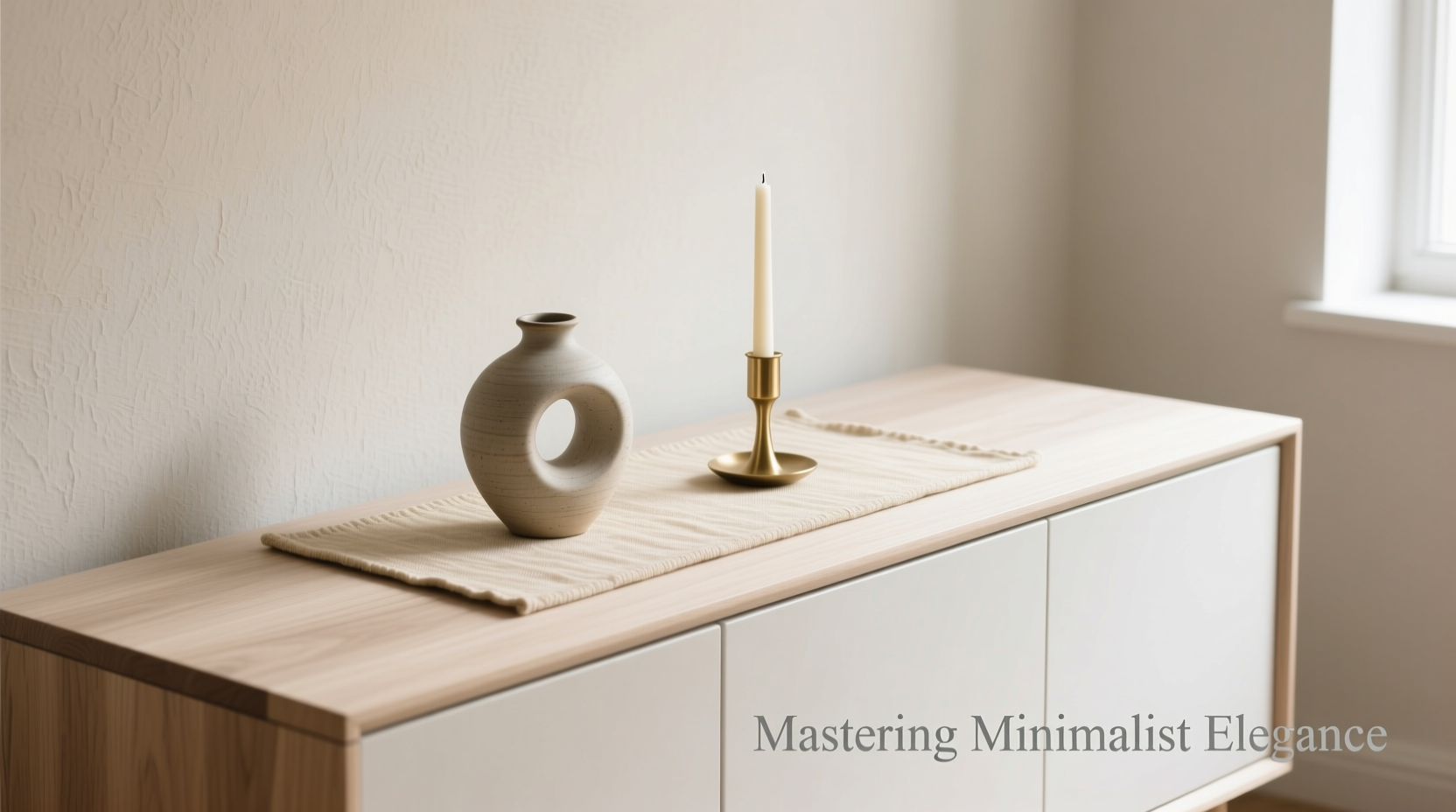
Stripping away clutter to focus on essential elements, the minimalist aesthetic championed by creatives like Alex Kinsey combines clean design lines, intentional living, and effortless grace to create functional, distraction-free environments and personal styles.
Understanding the Roots of Minimalist Aesthetics
Minimalism as a design and lifestyle philosophy emerged as a reaction against consumer excess, finding its roots in the modernist architecture and art movements of the mid-20th century. At its core, the philosophy posits that removing non-essential elements allows the true quality of remaining items to shine. When applied to personal expression, daily routines, and living spaces, minimalism shifts the focus from quantity to quality, prioritizing utility, longevity, and visual harmony.
The integration of grace into minimalist style is what prevents sparse environments or streamlined wardrobes from feeling cold or sterile. Grace introduces a human element of fluidity, warmth, and natural movement. In visual compositions and personal branding, this balance ensures that simplicity does not equate to austerity. Instead, it creates breathing room that highlights deliberate choices, thoughtful curation, and an understated elegance.
Core Principles of Simple Design and Curation
Mastering a minimalist approach requires a rigorous commitment to intentionality. Every object, color choice, and structural element must justify its presence. When building a simplified framework—whether for a capsule wardrobe, a digital workspace, or a physical room—several foundational rules guide the process:
- Reduction of Noise: Actively eliminate visual and mental clutter by removing items that serve no functional or emotional purpose.
- Focus on Proportion and Scale: Ensure that remaining elements command the right amount of space, allowing negative space to act as a design feature rather than an empty void.
- Textural Richness: Since color palettes are often constrained to neutral or monochromatic tones, variation in textures—such as linen, wood, raw metal, and matte finishes—adds depth without adding clutter.
- Quality over Quantity: Invest in durable, timeless pieces that withstand trends and wear, reducing the lifecycle cost and environmental footprint of consumption.
By adhering to these parameters, individuals can establish a baseline of order that supports productivity and reduces decision fatigue. The deliberate nature of this curation transforms everyday interactions with one's surroundings into mindful experiences.
Applying Minimalist Grace to Daily Routines and Spaces
Translating minimalist concepts from theory into practice involves systematic editing of both physical environments and daily habits. In a living or working space, this begins with a complete inventory of possessions. Items are categorized by utility, sentiment, and frequency of use. Those that fail to meet high standards of relevance are removed, ensuring that surfaces remain clear and pathways unobstructed.
In daily routines, minimalism manifests as time-blocking and the elimination of multitasking in favor of single-task focus. By reducing commitments to those that align with core personal values, individuals create margin in their schedules. This structural simplicity fosters grace, as hurried franticness is replaced by calm, deliberate action.
| Design Element | Traditional Approach | Minimalist Minimal Approach | Impact on Environment |
|---|---|---|---|
| Color Palette | Multi-colored accents, busy patterns, frequent shifts | Monochromatic or neutral base with one subtle tone | Reduces visual noise and promotes calm |
| Furnishing / Wardrobe | High turnover, trend-driven accumulation | Curated capsule pieces, high durability | Enhances longevity and sustainability |
| Spatial Arrangement | Maximized surface coverage, decorative fillers | Generous negative space, functional placement | Improves airflow, light distribution, and focus |
| Maintenance Routine | Frequent deep cleaning, constant reorganizing | Simple daily resets, low friction upkeep | Saves time and prevents accumulation |
Common Challenges and Pitfalls in Mastering Minimalism
While the appeal of a streamlined life is universal, the journey toward mastery often presents distinct obstacles. Recognizing these pitfalls helps maintain momentum and prevents the philosophy from becoming rigid or dogmatic.
A primary mistake is treating minimalism as an aesthetic competition or a strict numerical restriction rather than a personal tool. Adhering to arbitrary rules, such as owning fewer than a specific number of items, can induce stress rather than relief. Minimalism should serve the individual, not the other way around.
Another common challenge is the urge to purge prematurely, leading to the disposal of items that are later needed, resulting in a cycle of replacement and waste. True mastery requires patience, allowing the editing process to unfold gradually as lifestyle needs shift and evolve. Furthermore, avoiding sterile perfection is vital; a space or routine should accommodate real life, including moments of spontaneity and comfort.
Practical Steps to Cultivate Your Own Minimalist Framework
Implementing a sustainable minimalist lifestyle requires a structured, step-by-step approach that prevents overwhelm and encourages long-term adherence.
- Audit Your Environment: Select one specific drawer, closet, or digital folder to evaluate. Remove everything and assess each item against its utility and resonance.
- Define Your Palette: Establish a cohesive visual or functional baseline. Choose a restricted color palette or a core set of daily priorities to anchor your choices.
- Establish Guardrails: Implement a "one in, one out" rule for new purchases or commitments to maintain equilibrium within your spaces and schedules.
- Embrace Negative Space: Resist the urge to fill empty corners on shelves or vacant blocks on your calendar. Allow space to remain open as a buffer for creativity and rest.
- Refine Continuously: Revisit your environment and habits quarterly to adjust for changing seasons, projects, and personal growth.
Frequently Asked Questions
What does it mean to combine minimalism with grace?
Combining minimalism with grace means moving beyond stark, rigid austerity to incorporate warmth, fluidity, and human comfort into streamlined spaces and routines. It ensures that simplicity feels welcoming rather than clinical.
How do I start decluttering without feeling overwhelmed?
Start small by focusing on a single, contained area, such as a desktop, a single drawer, or one category of clothing. Process these items thoroughly before expanding your efforts to larger rooms or overarching lifestyle commitments.
Does minimalism require an all-white color palette?
No. While neutral and monochromatic palettes are popular for their calming properties, minimalism is defined by intentionality and the removal of excess, not a specific color scheme. You can use deep, moody tones or natural earth colors as long as the visual noise remains controlled.
How can I maintain a minimalist lifestyle long-term?
Long-term maintenance relies on conscious consumption habits, regular periodic reviews of your possessions and schedule, and adopting a strict policy of balancing new additions with the removal of existing non-essential items.
Is minimalism suitable for families with children?
Yes, family minimalism focuses on quality toys, organized rotation systems, and shared spaces that prioritize ease of cleaning and functional play over decorative clutter, teaching children the value of intentional ownership.
Cultivating Your Personal Standard of Intentional Living
Achieving mastery over minimalist style and grace is not about reaching a permanent destination of absolute perfection, but rather committing to a continuous practice of intentional selection. By consistently stripping away the non-essential, you clear a path for what truly matters, creating an environment that supports clarity, beauty, and peace. Begin your journey today by identifying one area of friction in your daily routine or physical space and applying the principles of thoughtful reduction.