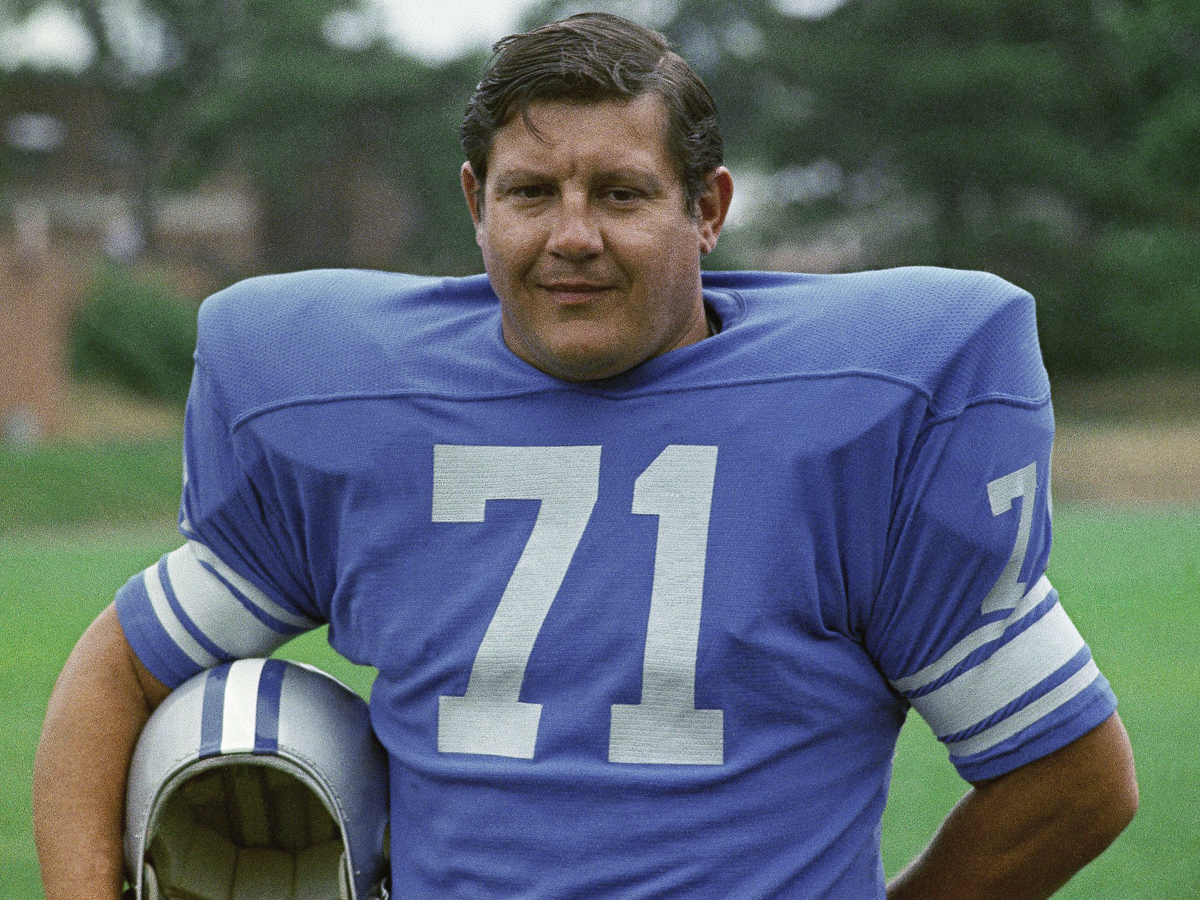
Alex Karras forged a rare cultural footprint by dominating the trenches as an All-American tackle for the Detroit Lions and later transforming into a versatile, comedic television star and author. While millions remember him for his ferocious athletic prime in the National Football League and his memorable cinematic turns—most notably as the towering, gentle-hearted Mongo in Blazing Saddles—his creative pursuits extended deep into writing and production. Among his lesser-known yet fascinating entertainment ventures was his involvement with the persona and narrative of the "Bashful Bandit," a character concept that showcased his unique blend of physical imposingness and self-effacing humor.
The Athletic Foundation: From Iowa Hawkeyes to the Detroit Lions
Before captivating television and film audiences, Alexander George Karras established himself as one of the most ferocious and disruptive defensive linemen in American football history. Born in Gary, Indiana, in 1935, Karras developed his athletic prowess through a rugged upbringing before starring at the University of Iowa. During his collegiate career with the Iowa Hawkeyes, he earned unanimous All-American honors in 1957 and finished as the runner-up for the prestigious Heisman Trophy, a remarkably rare feat for a defensive lineman. His combination of lateral quickness, immense upper-body strength, and relentless competitive drive made him a nightmare for opposing offensive coordinators.
| Career Phase | Affiliation | Notable Achievements & Milestones |
|---|---|---|
| Collegiate Era | University of Iowa | Unanimous All-American (1957), Heisman Runner-Up |
| Professional NFL | Detroit Lions | 4x Pro Bowl Selection, 3x First-Team All-Pro |
| Post-Football Film | Hollywood Studios | Portrayed Mongo in Blazing Saddles (1974) |
| Television Stardom | Webster (ABC/Synd.) | Starred as George Papadapolis (1983–1989) |
Drafted tenth overall by the Detroit Lions in the 1958 NFL Draft, Karras anchored the Lions' defensive line for twelve stellar seasons. He missed only a handful of games throughout his career, earning four Pro Bowl selections and three First-Team All-Pro nods. Renowned for his sharp wit and unfiltered commentary, Karras was famously suspended for the 1963 season alongside Green Bay Packers star Paul Hornung due to gambling associations. Rather than letting the suspension derail his focus, Karras successfully managed a restaurant and honed the public persona that would eventually ease his transition into the entertainment industry upon his retirement from professional football in 1970.
Transitioning to Hollywood: The Birth of a Screen Presence
Moving from the gridiron to the soundstage is a notoriously difficult leap for professional athletes, but Karras possessed an innate theatricality and sharp comedic timing that set him apart. His large physical frame made him an obvious choice for tough-guy roles, yet his genuine warmth and willingness to poke fun at his own intimidation factor allowed him to secure diverse character parts. He initially took on television guest spots and sports commentary roles, but his breakout cinematic moment arrived in 1974 when director Mel Brooks cast him in the satirical Western masterpiece Blazing Saddles.
As Mongo, the massive, chain-gang prisoner who famously punches a horse and utters the line "Mongo only pawn in game of life," Karras cemented his status in cinematic comedy history. The role required a delicate balance of physical menace and deadpan innocence, a dichotomy that Karras executed flawlessly. This performance opened doors to a steady stream of film and television appearances throughout the 1970s and early 1980s, including roles in Porky's, Against All Odds, and television movies where he continually refined his range beyond the stereotypical brute-force casting typical of former football players.
Exploring the Persona Behind the Bashful Bandit
The phrase "Bashful Bandit" captures the distinctive duality that defined Alex Karras's public identity: a towering, fiercely competitive athlete who simultaneously projected a self-deprecating, approachable charm. While popular media and marketing campaigns often leaned into his intimidating physical attributes, Karras consistently subverted these expectations through self-aware humor, authorial work, and character interpretations that embraced vulnerability. Whether he was writing candidly about the brutal realities of professional football in his memoirs or portraying characters who hid gentle hearts beneath gruff exteriors, the "bashful" archetype served as a recurring motif in his creative output.
This persona manifested in his writing, media interviews, and promotional appearances where he contrasted his ferocious on-field reputation with a thoughtful, analytical, and humorous perspective on fame and sports culture. Karras authored several works, including Paper Lion collaborator George Plimpton's orbit and his own autobiographical writings, where he detailed the physical toll and psychological pressures of playing defensive tackle in an era before modern sports medicine. By embracing the moniker of the bashful giant, Karras successfully humanized the larger-than-life athlete archetype, paving the way for modern sports personalities to display vulnerability and comedic versatility.
Securing Prime-Time Stardom: The Success of Webster
Karras achieved his greatest mainstream television success in the 1980s when he starred alongside his real-life wife, Susan Clark, in the ABC sitcom Webster. Premiering in 1983, the series cast Karras as George Papadapolis, a retired professional football player living in Chicago who, along with his socialite wife, adopts the young son of his former teammate after a tragic accident. The premise allowed Karras to draw directly from his own life experiences—bridging the worlds of professional athletics, domestic life, and paternal responsibility.
Running for six seasons through 1989, Webster became a staple of 1980s family television. Karras brought immense charm and steady paternal warmth to the role, balancing heartwarming family dynamics with lighthearted comedy. The show demonstrated his staying power as an entertainer, proving that his appeal extended far beyond guest appearances or novelty movie roles. Through George Papadapolis, Karras solidified his legacy as a comforting, reliable presence in living rooms across America, cementing his transition from gridiron star to beloved television icon.
Frequently Asked Questions
What were Alex Karras's greatest achievements in professional football?
Alex Karras was a four-time Pro Bowl selection and a three-time First-Team All-Pro defensive tackle for the Detroit Lions. He anchored the team's defensive line for twelve seasons from 1958 to 1970 and was later named to the NFL 1960s All-Decade Team in recognition of his dominant play.
How did Alex Karras transition from football to acting?
Following his retirement from the NFL in 1970, Karras leveraged his sharp wit, distinctive voice, and imposing physical presence to secure television guest roles and sports broadcasting positions. His big break came in 1974 when Mel Brooks cast him as Mongo in the comedy film Blazing Saddles, launching a successful Hollywood acting career.
What role did Alex Karras play in the television sitcom Webster?
Karras starred as George Papadapolis, a retired professional football player who adopts his late former teammate's young son, Webster, alongside his wife Katherine. He played the lead role throughout the series' six-season run from 1983 to 1989, showcasing his comedic timing and paternal warmth.
Why was Alex Karras suspended from the NFL in 1963?
NFL Commissioner Pete Rozelle suspended Karras for the entire 1963 season, along with Green Bay Packers running back Paul Hornung, due to their associations with gamblers and betting on NFL games. Karras returned to the Detroit Lions in 1964 and resumed his All-Pro level of play without further incident.
What is the significance of the Bashful Bandit concept in relation to Karras?
The concept reflects Karras's famous public duality: possessing the fierce, intimidating demeanor of an elite NFL defensive lineman while maintaining a deeply self-effacing, humorous, and vulnerable personality. This contrast defined his memoirs, interviews, and many of his most memorable acting roles.
Sustaining a Multifaceted Legacy in Sports and Entertainment
Alex Karras remains an enduring figure of mid-century American culture because he successfully conquered two entirely distinct entertainment arenas. By refusing to be typecast solely as a violent sports enforcer, he demonstrated that athletic discipline, literary self-reflection, and comedic timing could coexist within a single career. From terrorizing offensive backfields at Iowa and Detroit to making audiences laugh as Mongo and George Papadapolis, Karras built a diverse professional legacy. Examining his journey reveals a pioneer who bridged the gap between sports heroism and Hollywood entertainment with authenticity, intellect, and enduring charm.