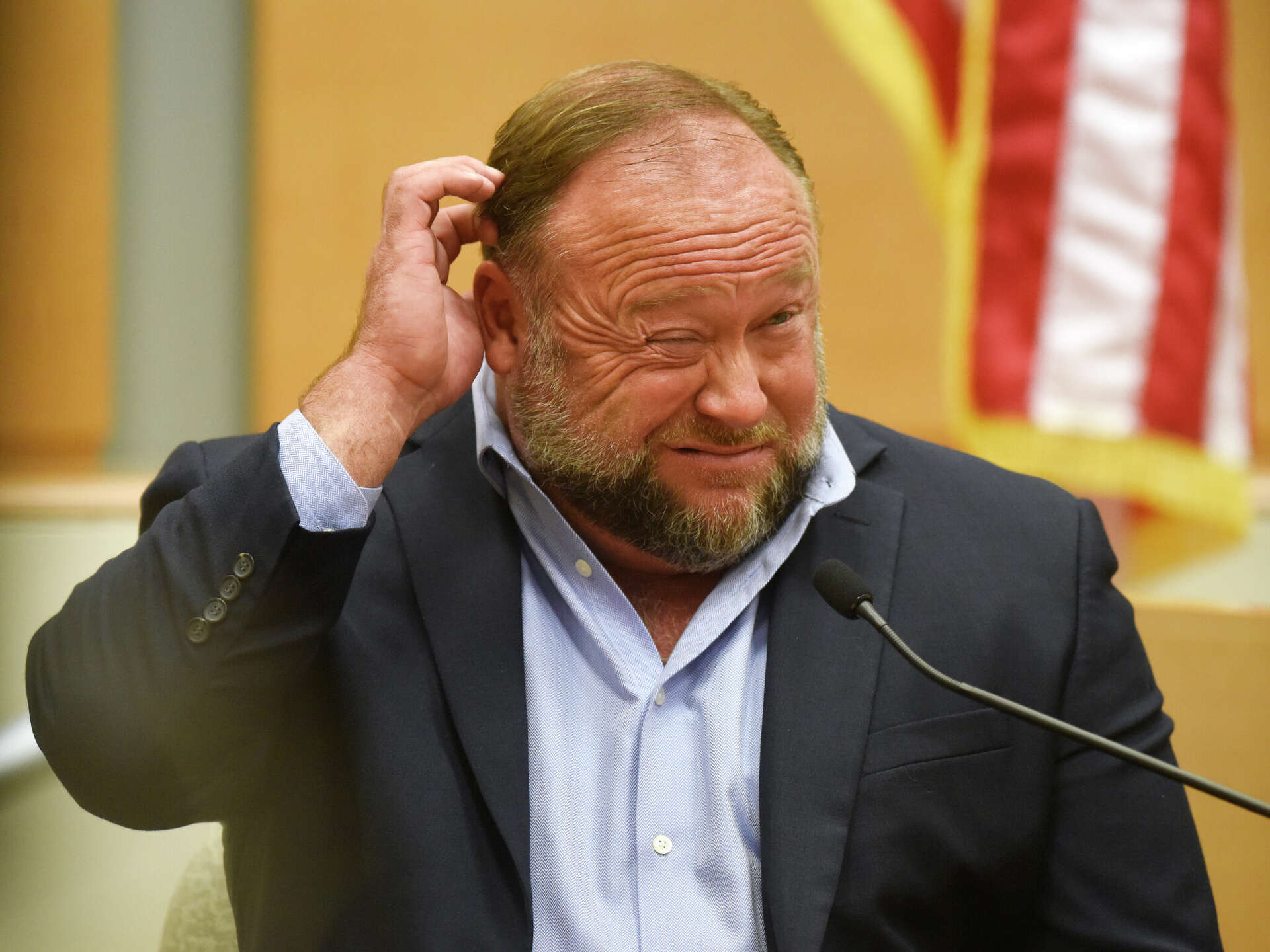
During the height of his media prominence and prior to major legal judgments, Alex Jones's net worth in 2018 was estimated to range between several million dollars and tens of millions of dollars, driven primarily by high-volume merchandise sales, advertising revenue, and product syndication through Free Speech Systems LLC and InfoWars. While exact personal earnings were heavily contested during contemporary legal proceedings, financial disclosures and corporate records from that era revealed a multi-million-dollar operational cash flow generated by alternative media monetization.
Understanding the financial standing of high-profile alternative media figures requires looking past public personas to examine corporate revenue structures, product fulfillment models, and the cost of daily broadcasting operations. By 2018, the business ecosystem surrounding Alex Jones had evolved from a fringe internet broadcast into a sophisticated commercial enterprise. This analysis examines the revenue streams, corporate entities, and financial estimates that defined that period.
The Business Ecosystem of InfoWars and Free Speech Systems
To understand how much Alex Jones earned around 2018, one must first examine the corporate machinery behind his broadcasts. The primary engine of his wealth was Free Speech Systems LLC, the parent company operating InfoWars, Prison Planet, and associated e-commerce platforms. Unlike traditional broadcast networks that rely solely on ad-space sales or subscription models, InfoWars pioneered an integrated direct-to-consumer retail model.
The core of this business model relied on selling private-label dietary supplements, survival gear, emergency food supplies, and branded merchandise directly to listeners and website visitors. During court proceedings and investigative reporting in the late 2010s, it became clear that product sales significantly outpaced traditional advertising revenue. Listeners were constantly urged to purchase supplements such as "Super Male Vitality," colloidal silver products, and tactical equipment, creating a high-margin revenue loop where the broadcast served as the marketing arm for a massive online storefront.
Revenue Streams and Estimated Earnings Around 2018
Financial documents and testimony emerging from family law depositions and subsequent media investigations around 2018 provided rare glimpses into the cash flow of the enterprise. While public estimates varied wildly—ranging from conservative figures of $2 million to speculative claims exceeding $20 million annually—court records indicated that Free Speech Systems was grossing tens of millions of dollars per year during peak viewership periods.
| Revenue Source | Primary Mechanism | Estimated Financial Impact (Circa 2018) |
|---|---|---|
| Dietary Supplements | Direct sales of branded health and wellness products | Major revenue driver; high profit margins |
| Emergency Supplies | Survival food kits, water filters, and tactical gear | High average order value during peak demand |
| Digital Advertising | Banner ads, video prerolls, and third-party sponsorships | Steady supplemental income stream |
| Merchandise & Media | Books, DVDs, apparel, and premium subscriptions | Consistent brand-reinforcing revenue |
The profitability of these streams was substantial. Retail markups on specialty supplements and survival equipment allowed the enterprise to fund extensive studio operations, personnel salaries, and high-end broadcasting equipment while leaving substantial capital for ownership and management.
Legal Disclosures and Court Testimony
The most accurate, albeit contested, figures regarding Alex Jones's personal wealth and earnings came to light during his 2017–2018 custody trial and subsequent civil litigation. During these proceedings, financial experts and legal teams scrutinized corporate accounts to determine alimony, child support, and operational viability.
Testimony during the legal proceedings indicated that while corporate revenues were robust, personal compensation packages and corporate expenses were frequently intertwined. Critics and plaintiffs' attorneys argued that corporate funds were utilized to maintain a high standard of living, while defense representatives maintained that a significant portion of incoming revenue was immediately reinvested into equipment, infrastructure, and payroll to keep the network operational. Discrepancies between public posturing and sworn financial affidavits highlighted the complexities of valuing independent digital media empires where the host is also the primary brand asset.
Operational Costs and Overhead Expenses
Generating millions in revenue required a corresponding scale of operational expenditures. By 2018, Free Speech Systems maintained a large facility in Austin, Texas, employing dozens of producers, researchers, technicians, administrative staff, and co-hosts.
Key overhead expenses that impacted net earnings included:
- Studio Infrastructure: Maintaining high-definition broadcasting equipment, secure server networks to handle millions of web visitors, and continuous live-stream delivery systems.
- Payroll and Benefits: Compensating a full-time media production crew, legal counsel, and operational management.
- Inventory and Fulfillment: Sourcing, bottling, labeling, and shipping thousands of supplement and merchandise orders daily through third-party or in-house fulfillment centers.
- Legal and Compliance: Retaining legal counsel to navigate growing regulatory, defamation, and platform-compliance challenges.
When these operational expenditures were deducted from gross revenues, the net profit available for personal accumulation was lower than the gross top-line figures suggested, though still placing the enterprise owner in a high-income bracket relative to traditional media workers.
Comparing Independent Digital Media vs. Traditional Broadcasting
The monetization strategy employed by InfoWars in 2018 represented a significant departure from traditional network television or legacy radio syndication. Traditional hosts relied on network salaries and ad-revenue splits, whereas independent digital operators captured the entire retail margin of physical products sold to their audience.
| Feature | Traditional Broadcast Model | InfoWars Direct-Sales Model (2018) |
|---|---|---|
| Primary Revenue | Advertising spots and syndication fees | Direct-to-consumer e-commerce (supplements, gear) |
| Platform Control | High reliance on network executives and affiliates | High ownership of website, servers, and distribution channels |
| Profit Margins | Fixed salaries or percentage-based ad splits | Variable, often high-margin product sales |
| Financial Vulnerability | Network contract renewals and ratings shifts | Payment processor restrictions and advertising boycotts |
This model provided immense financial upside during periods of high audience engagement, but it also exposed the enterprise to severe vulnerabilities when payment processors, social media networks, and e-commerce platforms began restricting accounts and transactions later in 2018 and subsequent years.
Frequently Asked Questions
What was Alex Jones estimated to be worth in 2018?
Financial estimates for Alex Jones in 2018 varied widely, with public reports and legal arguments placing his net worth anywhere from several million dollars to over $10 million, largely tied to the valuation of his media and e-commerce operations.
How did InfoWars make most of its money in 2018?
The vast majority of revenue came from direct-to-consumer sales of private-label dietary supplements, emergency survival supplies, and branded merchandise rather than traditional advertising.
Were Alex Jones's personal finances made public in 2018?
Yes, portions of his financial status and corporate revenues became public record during high-profile legal proceedings and family court depositions in 2017 and 2018.
Did Free Speech Systems own its broadcasting equipment?
The corporation maintained its own studios, servers, and production facilities in Austin, Texas, allowing independent control over content creation and digital distribution workflows.
How did subsequent legal judgments affect this financial standing?
While 2018 reflected a peak period of commercial revenue and operational expansion, massive defamation judgments and subsequent bankruptcy filings in later years fundamentally dismantled the financial structures established during that era.
Strategic Financial Management and Future Outlook
Evaluating the financial footprint of media personalities requires examining both peak earning periods and long-term liabilities. For readers, researchers, and media analysts studying the economics of alternative digital publishing in 2018, the case of InfoWars serves as a primary example of how direct-response e-commerce can generate substantial wealth outside traditional corporate media channels. Anyone examining digital media monetization should carefully weigh the risks of reliance on high-margin physical product sales against evolving platform governance, payment processing policies, and rising legal liabilities.