When exploring the connection between professional free solo climber Alex Honnold and the capital of Taiwan, audiences are typically looking at the intersection of urban high-rise ascents, documentary production logistics, and the specific geographical and cultural significance of landmarks like Taipei 101. Understanding this dynamic involves examining how world-class adventure athletes interact with monumental architecture, local legal frameworks, and global media distribution.
Understanding the Intersection of Alex Honnold and Taipei
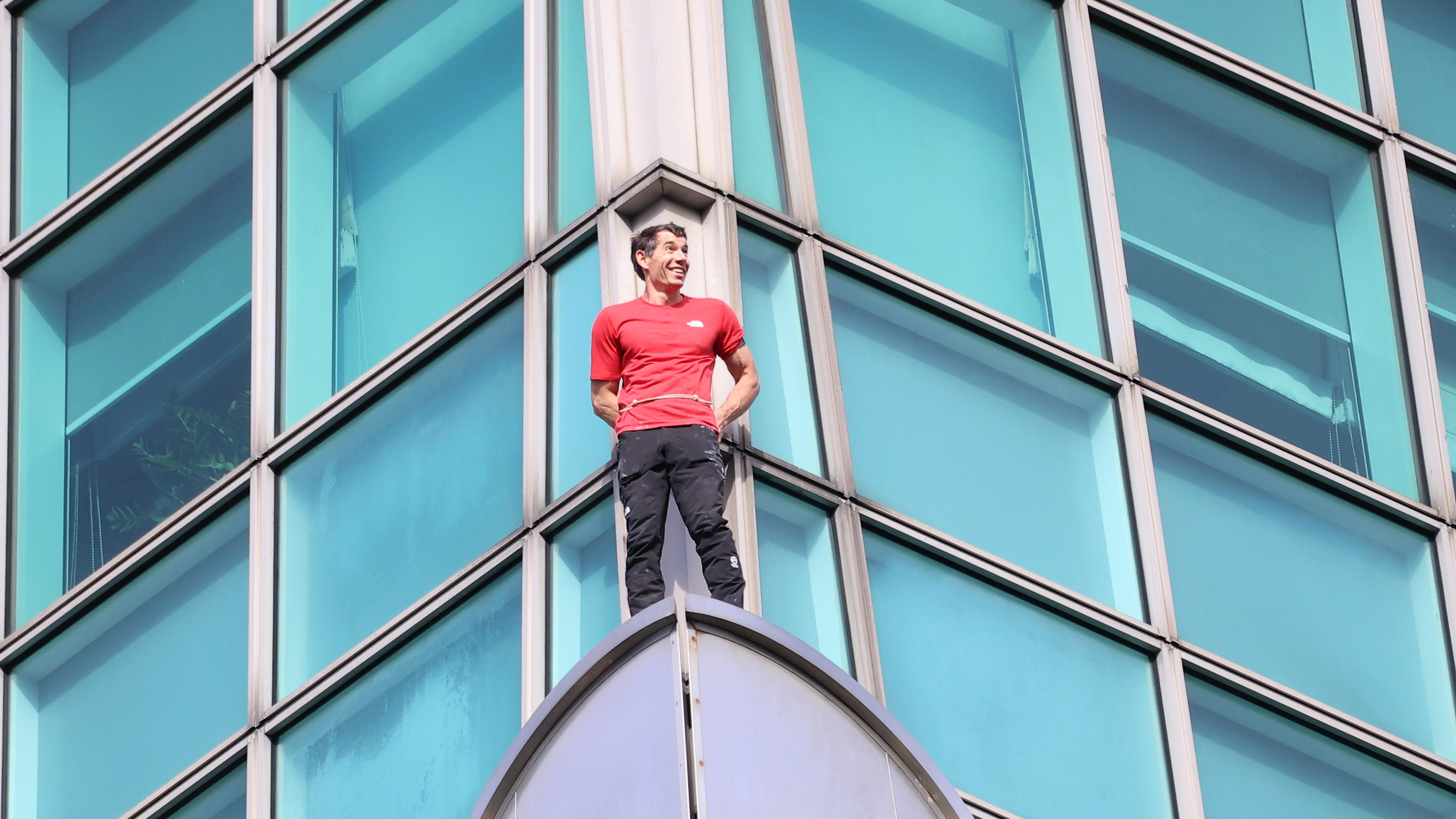
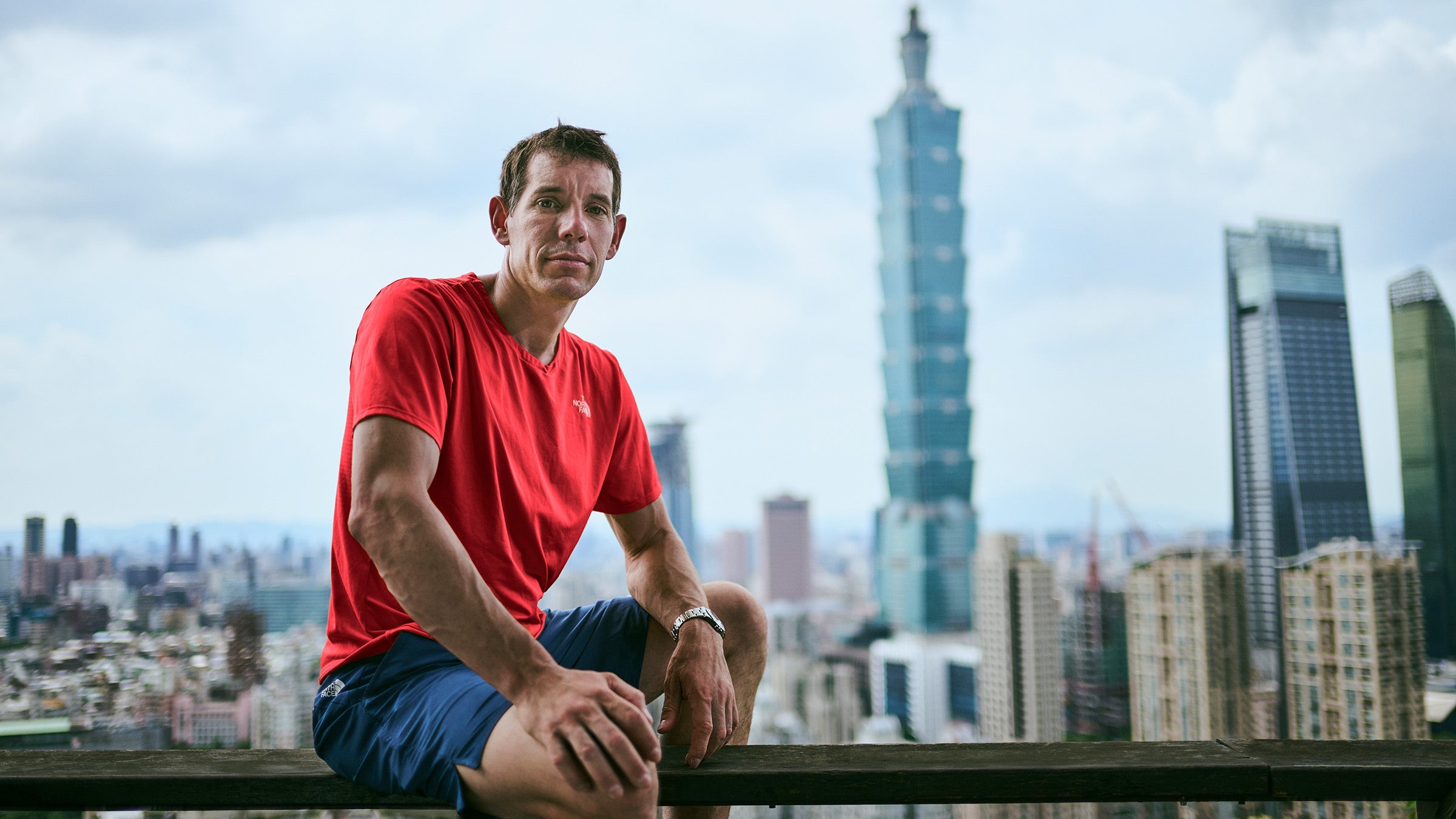
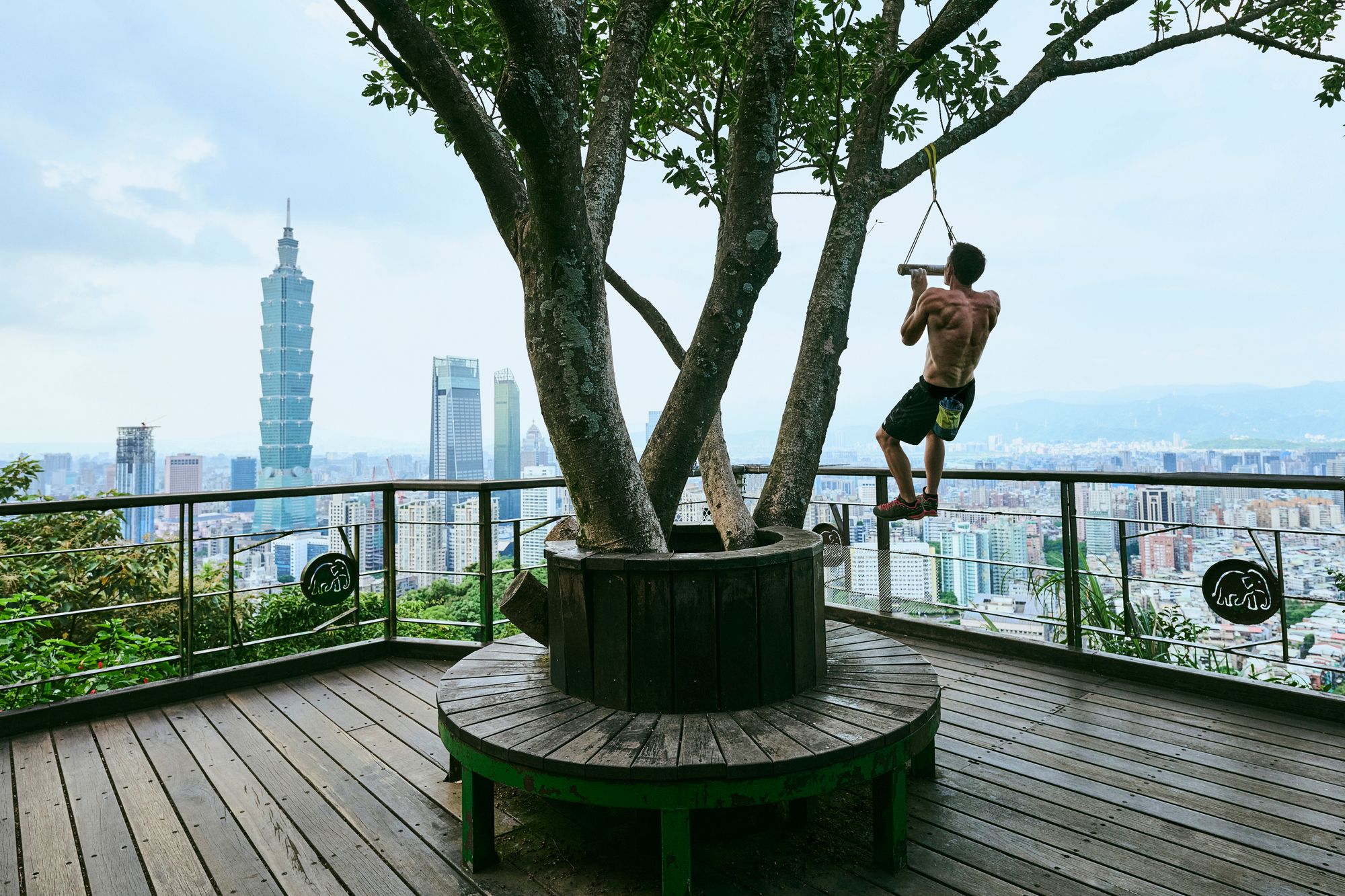
The association between Alex Honnold—globally renowned for his ropeless ascent of El Capitan in Yosemite National Park—and Taipei generally centers around speculation, media coverage, or high-profile urban scaling projects associated with Taiwan's most famous skyscraper, Taipei 101. As one of the world's most recognizable free soloists, Honnold’s name frequently surfaces whenever discussions arise regarding modern structural ascents. Urban free soloing, unlike traditional rock climbing, takes place on artificial, man-made structures such as skyscrapers, bridges, and monuments. This discipline carries distinct technical, legal, and safety challenges that differentiate it fundamentally from natural rock formations.
When world-class climbers are linked with major urban metropolises like Taipei, several logistical layers must be considered. Skyscraper ascents are rarely spontaneous; they require months or years of meticulous planning, architectural analysis, municipal permits, and coordination with building management. In the context of Taipei, Taipei 101 stands as the primary focal point for any such architectural ambition. Standing at 508 meters (1,667 feet), the tower’s distinct postmodern architectural design—inspired by traditional bamboo stalks and ancient pagodas—presents unique climbing challenges, including segmented setbacks, glass-and-steel curtain walls, and high-velocity wind tunnels common to the Taipei basin.
The Architectural Significance of Taipei 101 for Vertical Ascents
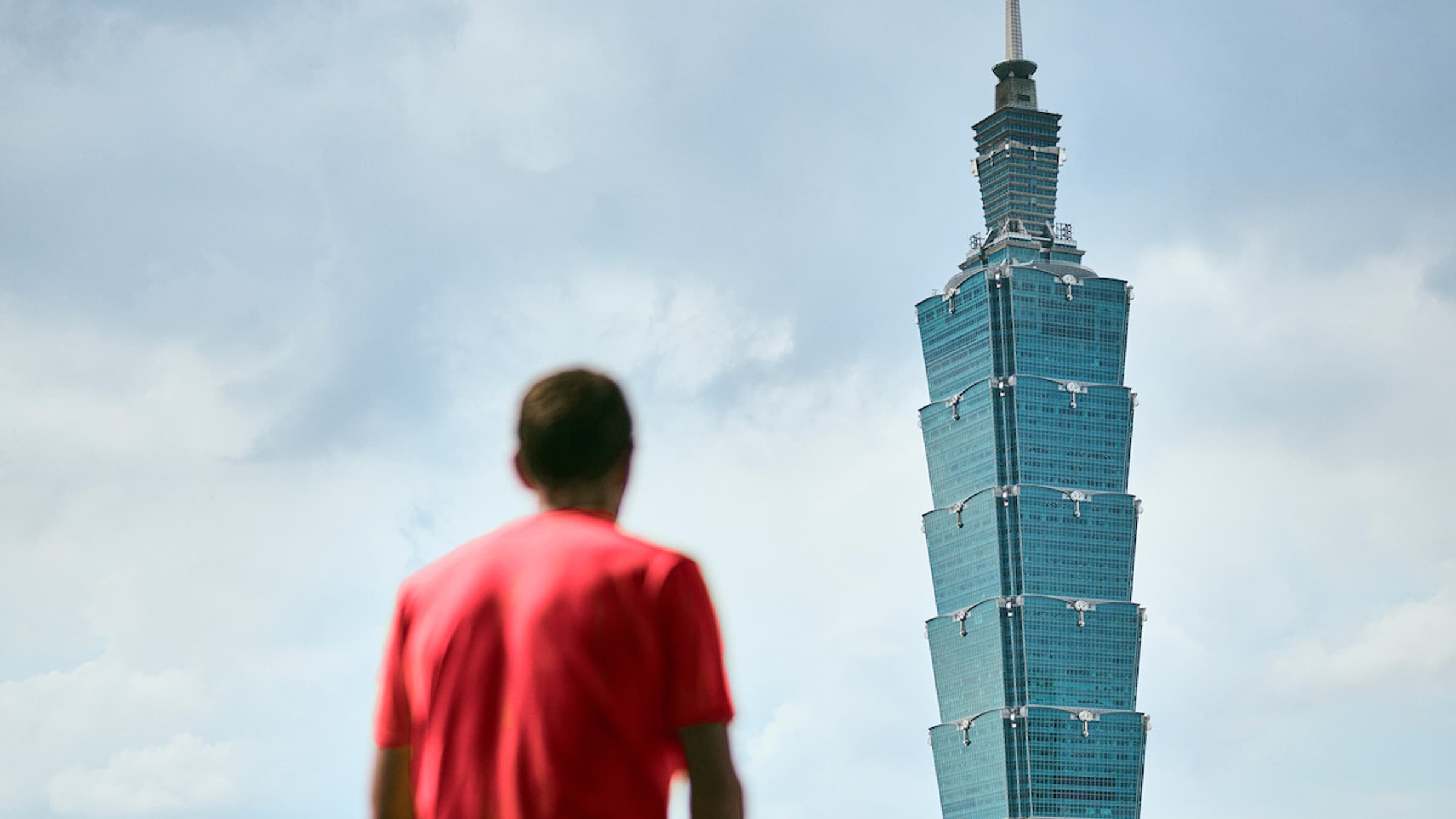
Taipei 101 is an engineering marvel located in the Xinyi District of Taipei, Taiwan. Designed by C.Y. Lee & Partners, the building held the record for the tallest in the world from its opening in 2004 until the completion of the Burj Khalifa in Dubai in 2010. For any elite climber evaluating the structure, the building's exterior geometry dictates the feasibility and safety of a potential ascent.
The tower features eight distinct structural segments, each rising eight floors. This modular, pagoda-like stacking provides visual symmetry and functional wind resistance, but it also creates distinct horizontal transitions. Unlike a sheer granite cliff face, a modern skyscraper exterior consists primarily of double-pane blue-green glass curtain walls, aluminum framing, and structural steel. These materials offer drastically different friction coefficients and grip profiles compared to natural stone. Furthermore, building maintenance systems, such as window-washing tracks and decorative structural nodes, heavily influence potential handholds and footholds.
| Structural Feature | Taipei 101 Specification | Climbing Implications |
|---|---|---|
| Total Height | 508 meters (1,667 feet) | Demands exceptional endurance and high-altitude physiological management. |
| Exterior Material | Glass curtain walls and aluminum frames | Low-friction surfaces requiring specialized footwear and technical smearing or edging. |
| Segmented Design | Eight 8-floor modular pagodas | Creates horizontal architectural breaks and potential resting ledges. |
| Wind Exposure | Prone to typhoons and strong gusts | Requires strict meteorological monitoring to mitigate high-altitude wind hazards. |
Legal, Regulatory, and Safety Protocols for Skyscraper Climbing in Taiwan
Executing a high-profile urban climb on a landmark structure like Taipei 101 involves navigating a complex web of legal statutes and municipal regulations in Taiwan. Unauthorized scaling of skyscrapers is strictly prohibited under local laws, typically violating public safety ordinances, trespassing regulations, and civil liability codes. Consequently, any legitimate media production or athletic exhibition requires extensive pre-planning and official authorization from both building ownership (Taipei Financial Center Corp.) and Taipei City Government authorities.
Safety protocols for urban free soloing or permitted structural ascents differ vastly from traditional mountaineering. Because structural glass and composite panels cannot be damaged, climbers must utilize specialized non-marring equipment. Furthermore, emergency response plans must account for dense urban surroundings, pedestrian traffic below, and the specific mechanics of the building's internal infrastructure. In professional documentary contexts, safety measures often include hidden redundancy systems, safety ropes rigged out of camera view, or comprehensive rescue teams stationed on upper-floor maintenance decks, ensuring that athletes can perform under controlled yet authentic conditions.
Media Production and Documentary Contexts in Urban Environments
When athletes of Honnold's caliber participate in major vertical media projects, the production scale matches the physical challenge. Modern adventure documentary filmmaking relies on specialized cinematography crews, including drone operators, telephoto camera lenses, and mechanical rigging systems designed to capture high-definition footage without compromising the climber's safety or focus.
Filming a skyscraper ascent in a densely populated East Asian capital introduces significant logistical hurdles. Securing airspace clearances from the Civil Aeronautics Administration of Taiwan, managing public crowds, and coordinating international media crews require months of diplomatic and administrative clearance. These productions balance the raw, unfiltered nature of extreme adventure sports with the rigorous corporate and municipal accountability expected by property owners and public safety officials in modern metropolitan centers.
Frequently Asked Questions
Has Alex Honnold officially climbed Taipei 101?
As of current public records, Alex Honnold has not performed a free solo or roped ascent of Taipei 101. While major media outlets and climbing enthusiasts frequently discuss the feasibility of scaling the world's most iconic skyscrapers, specific projects involving Honnold and Taipei 101 remain speculative or unrealized.
What makes climbing a skyscraper different from natural rock climbing?
Skyscraper climbing involves artificial materials such as glass, steel, and aluminum composite panels, which offer vastly different friction and tactile feedback than natural rock like granite or sandstone. Additionally, urban ascents are subject to strict municipal laws, private property rights, and unpredictable wind patterns created by surrounding high-rise architecture.
Who was the first person to legally climb Taipei 101?
French urban climber Alain Robert, widely known as the "French Spiderman," scaled Taipei 101 on December 25, 2004. Robert completed the ascent using his hands and feet without safety ropes, though he utilized a safety harness connected to a security line during portions of the climb as required by local authorities and building management.
What are the main weather hazards when climbing in Taipei?
Taipei experiences a humid subtropical climate characterized by frequent rainfall, high humidity, and susceptibility to typhoons during the summer and autumn months. High-altitude wind gusts around supertall structures like Taipei 101 can change rapidly, posing severe stability risks to any climber operating on exposed exterior surfaces.
How do building owners manage safety and security against unauthorized climbers?
Taipei 101 employs comprehensive security measures, including 24-hour closed-circuit television monitoring, motion sensors along exterior maintenance tracks, on-site security patrols, and restricted-access maintenance balconies to prevent unauthorized trespassing and stunt climbing.
Practical Next Actions for Adventure Media and Architecture Research
For researchers, journalists, and enthusiasts investigating urban climbing history and structural engineering feats, examining primary documentation is essential. To deepen your understanding of these subjects, review official architectural blueprints and engineering reports published by Taipei 101, consult legal frameworks governing public space and private property in Taiwan, and reference accredited sports journalism archives regarding permitted urban ascents. Always verify claims through official statements released by building management or verified athlete representatives rather than relying on unverified internet speculation.