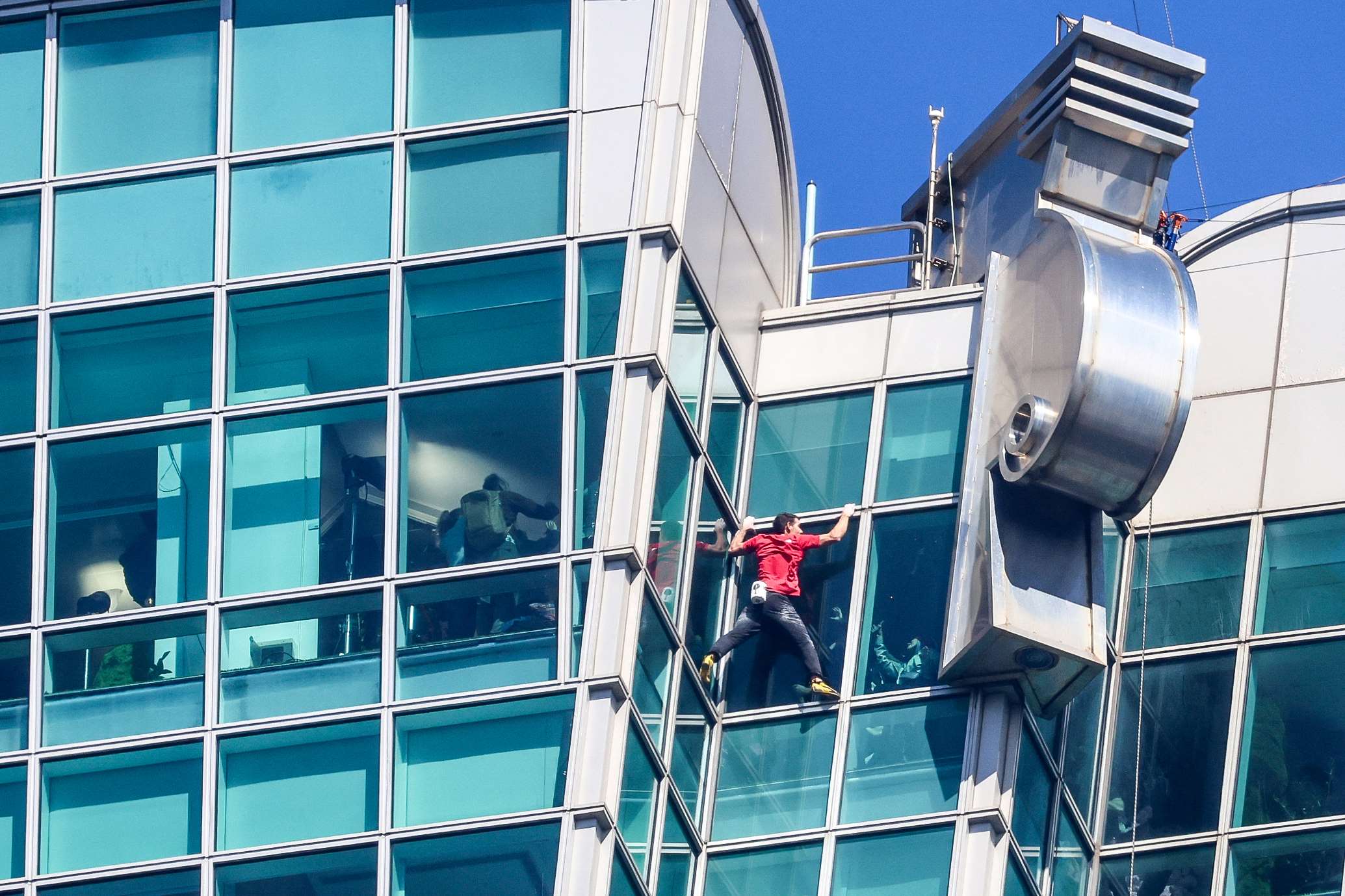
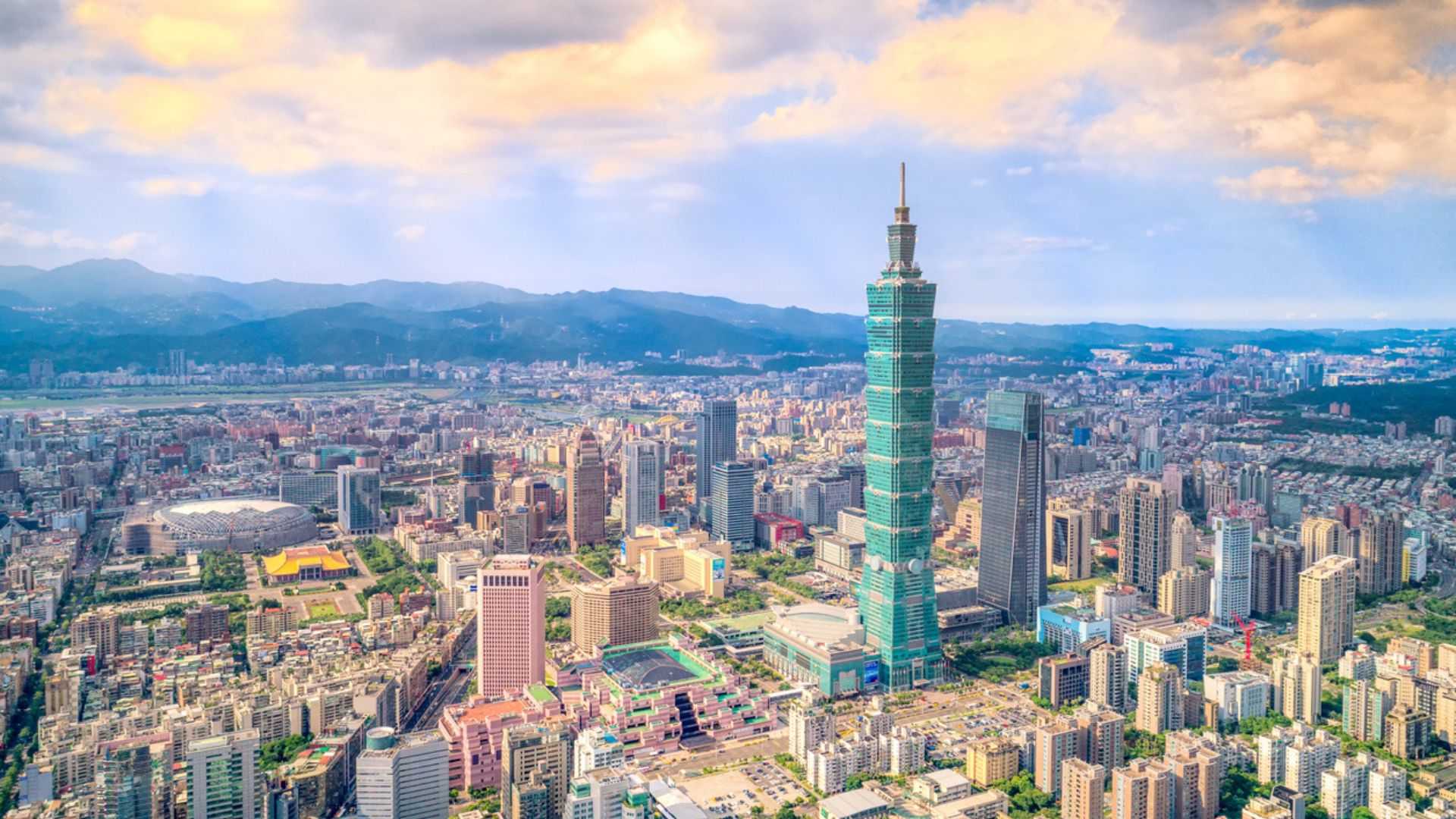
Alex Honnold’s high-profile ascent linked to Taipei 101 represents a monumental crossover between elite urban climbing, global documentary filmmaking, and architectural engineering marvels. As one of the most recognizable structures in the world, the 508-meter Taiwanese skyscraper has long captivated climbers and daredevils, but Honnold’s engagement with the tower introduced unprecedented logistical, safety, and media dimensions that continue to fascinate sports enthusiasts and cultural analysts alike.
Understanding the Architectural Context of Taipei 101
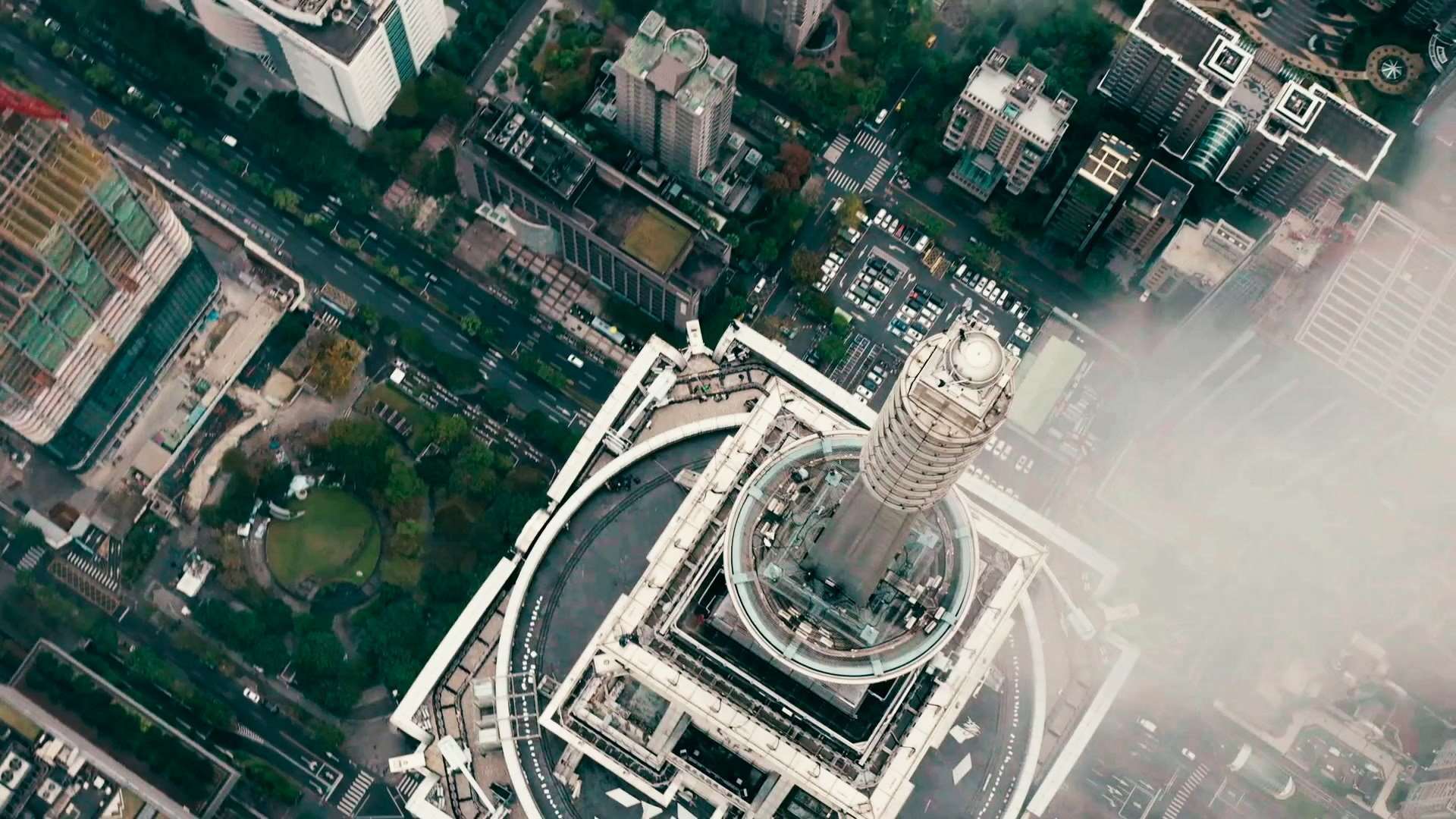
Taipei 101 is not merely a towering commercial center; it is a masterclass in modern structural engineering designed to withstand typhoons and seismic tremors. Rising 508 meters (1,667 feet) into the skyline of Xinyi District, Taipei, Taiwan, the building features a distinctive postmodern architectural style that evokes traditional Asian aesthetics, such as a towering bamboo stalk segmented into eight distinct modules. Each eight-story section is engineered to flex independently under extreme wind loads, supported by a massive 660-metric-ton tuned mass damper suspended near its core.
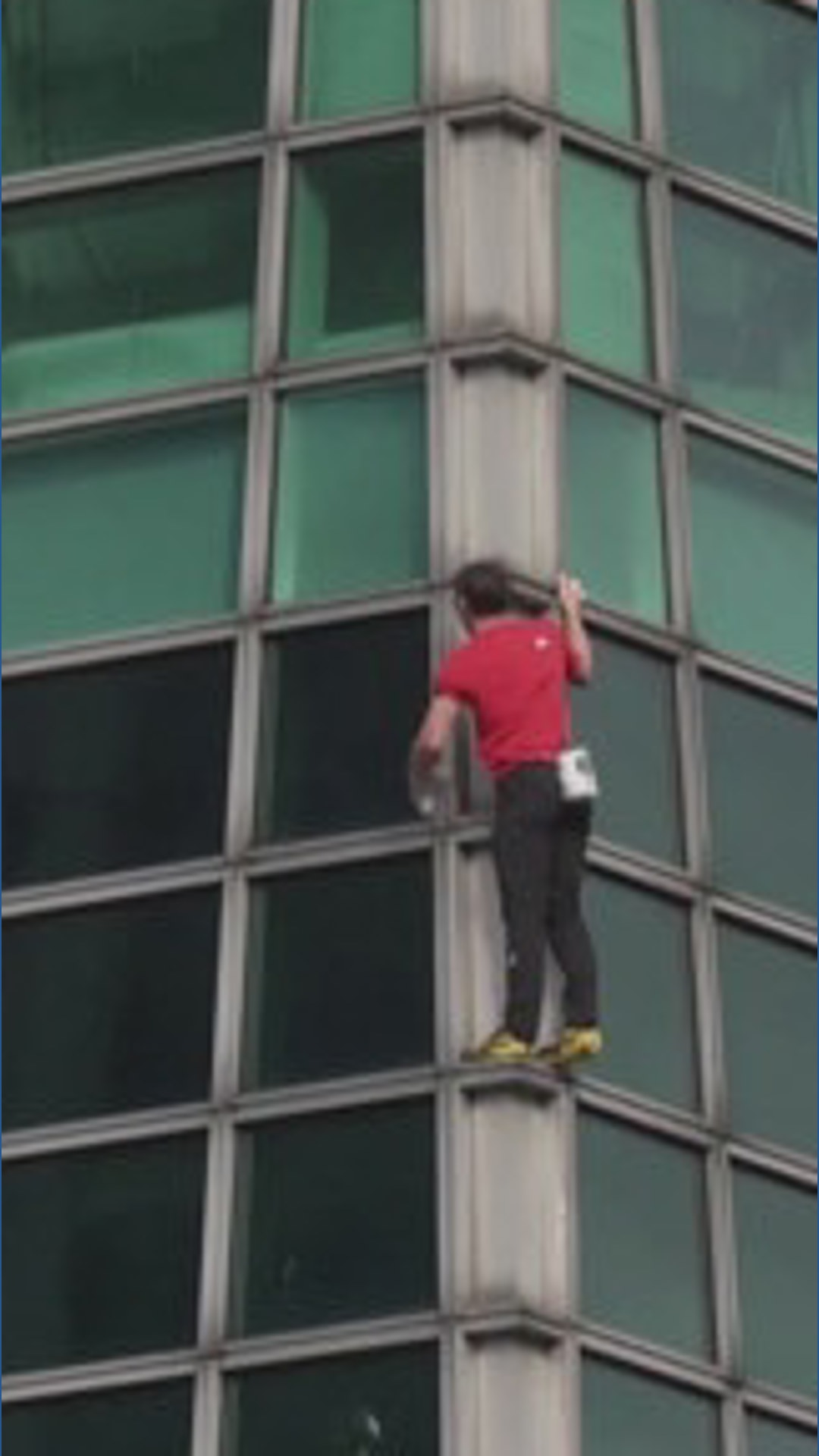
For urban climbers and documentary producers, the sheer verticality and iconic stepped silhouette of Taipei 101 present a compelling canvas. Unlike natural rock faces, where geomorphology dictates the holds, a skyscraper offers a repeating facade of glass curtain walls, steel frames, and decorative structural elements. These materials demand specialized vertical progression techniques, careful weather assessment, and close coordination with building management to navigate security parameters and municipal regulations.
The Evolution of Urban Free Soloing and High-Rise Ascents
Urban climbing, often colloquially termed building climbing or "skyscraper scaling," has a rich and controversial history. While traditional free soloing—climbing rock walls without ropes or protective gear—has well-established ethics rooted in natural wilderness environments, scaling artificial structures brings an entirely different set of variables. Urban environments introduce legal hurdles, unpredictable public spectacles, unpredictable thermal properties on glass and steel surfaces, and heightened public safety liabilities.
Alex Honnold redefined global perceptions of free soloing through his historic, ropeless ascent of El Capitan in Yosemite National Park, a feat immortalized in the Academy Award-winning documentary Free Solo. When Honnold’s name or professional profile becomes associated with towering architectural feats like Taipei 101, public interest immediately spikes because his methodology prioritizes meticulous preparation, risk mitigation, and calculated physical execution over reckless endangerment. Even when operating within structured documentary productions or controlled architectural projects rather than illicit stunts, Honnold brings the rigorous risk-management philosophy of elite mountaineering to the engineered verticality of the world's megastructures.
| Feature / Aspect | Natural Rock Climbing (e.g., El Capitan) | Urban Skyscraper Climbing (e.g., Taipei 101) |
|---|---|---|
| Surface Composition | Granite, sandstone, limestone | Glass curtain walls, steel frames, aluminum panels |
| Grip and Friction | Natural cracks, pockets, edges, and friction slabs | Manufactured ledges, structural joints, window frames |
| Environmental Factors | Weather, loose rock, moisture, sun exposure | Wind shear, thermal expansion of glass, slick panels |
| Legal & Regulatory Status | Public lands, national parks, established access rules | Private commercial property, municipal airspace laws |
| Safety Infrastructure | Removable protection, crash pads, or pure free solo | Engineered fall-arrest systems, staging, production safety crews |
Behind the Lens: Media Production and Global Visibility
The intense public fascination with urban ascents is heavily driven by modern cinematic production standards. Capturing a climber scaling a skyscraper requires sophisticated aerial drone cinematography, specialized high-definition telephoto lenses, and coordinated camera rigs that can track vertical movement without compromising the structural integrity of the facade or interfering with the athlete.
When major media networks or streaming platforms document high-altitude architectural climbs, the narrative typically balances raw physical endurance with the broader cultural significance of the landmark. Taipei 101 serves not just as a vertical playground, but as a symbol of modern Asian technological prowess and urban development. The visual contrast between Honnold’s minimalist climbing gear and the sleek, high-tech metallic facade of the tower creates a striking cinematic tableau that resonates across global digital platforms.
Safety, Logistics, and Risk Mitigation Protocols
Executing a high-altitude project on a skyscraper of this magnitude requires months of multidisciplinary planning. Unlike spontaneous, unauthorized urban scaling stunts—which frequently end in swift legal interventions or severe safety hazards—professional media productions involving elite climbers adhere to strict operational frameworks.
- Engineering Audits: Structural engineers inspect the specific facade sections, window brackets, and anchoring points to ensure that any applied loads or safety rigging will not compromise the building's exterior envelope.
- Meteorological Monitoring: Advanced wind shear forecasting and atmospheric pressure tracking are mandatory, as microclimates around supertall skyscrapers can generate sudden, violent gusts at higher elevations.
- Emergency Response Integration: On-site medical teams, specialized high-angle rescue technicians, and localized communication channels are established before any physical ascent begins.
- Permitting and Jurisdiction: Comprehensive legal clearances must be secured from building owners, corporate management committees, and municipal authorities to manage public access, airspace regulations, and pedestrian safety zones below.
Frequently Asked Questions
Did Alex Honnold climb Taipei 101 without ropes?
Alex Honnold is globally famous for his unroped free solo ascents in natural environments, but high-profile media projects and urban building events typically incorporate rigorous safety parameters, protective gear, or controlled documentary production setups to comply with legal, insurance, and structural safety mandates.
What makes Taipei 101 structurally unique for climbers?
Taipei 101 features an iconic pagoda-like stepped architecture with eight distinct eight-story modules. Its exterior combines glass curtain walls, steel vertical trusses, and distinctive aesthetic flourishes that alter traditional climbing handholds and require specialized vertical progression techniques.
Why do urban skyscraper climbs attract so much public attention?
Skyscraper ascents combine the raw athletic tension of extreme sports with the familiar cultural landmarks of modern global cities. This creates a visually arresting spectacle that bridges athletics, architecture, and high-production documentary storytelling.
How are safety protocols handled during high-altitude building projects?
Professional projects on supertall structures require extensive multi-agency coordination, including structural engineering inspections of the facade, real-time meteorological wind monitoring, and specialized on-site high-angle rescue teams.
Can tourists climb the exterior of Taipei 101?
No, the exterior facade of Taipei 101 is strictly restricted to authorized maintenance personnel, professional engineers, and specially approved media or athletic production crews under highly regulated conditions.
Planning Your Visit or Exploring Further
For travelers and architectural enthusiasts who wish to experience Taipei 101 without scaling its glass exterior, the skyscraper offers world-class public infrastructure. Visitors can access the indoor observatory on the 89th floor, the outdoor observation deck on the 91st floor, and the highest floor accessible to the public at level 101, all serviced by one of the fastest high-speed elevators in the world. Reviewing official visitor guidelines, booking observation deck tickets in advance, and checking local weather forecasts will ensure a seamless experience of this architectural icon.