Alex Honnold does not receive a traditional annual salary, but his professional climbing career, commercial partnerships, media projects, and public speaking engagements generate an estimated annual income ranging between $1 million and $2 million, contributing to a total net worth estimated at roughly $2 million to $5 million. Unlike traditional professional athletes who sign multi-year team contracts with guaranteed base salaries, Honnold operates as an independent professional adventurer. His earnings fluctuate annually based on the scale of his expedition projects, book royalties, documentary distribution residuals, and high-profile brand endorsements with major outdoor and lifestyle corporations.
Understanding how professional climbers generate revenue requires looking beyond traditional sports economics. In extreme sports, financial compensation relies heavily on personal branding, media production, and corporate sponsorship rather than stadium ticket sales or television broadcast rights. For Honnold, the monumental success of the Academy Award-winning documentary Free Solo fundamentally transformed his earning potential, shifting his financial model from modest stipend-based climbing sponsorships to mainstream media production and global speaking circuits.
The Economics of Professional Climbing: How Elite Climbers Make Money
The professional climbing industry operates on a vastly different financial scale than major league team sports or individual mainstream disciplines like tennis or golf. Very few professional climbers earn a living wage exclusively from climbing hard routes or winning competitions. Most elite outdoor climbers rely on a diversified portfolio of income streams to sustain their careers, travel expenses, and living costs.
For decades, the standard financial model for elite climbers involved signing modest contracts with outdoor gear manufacturers—such as footwear brands, apparel companies, and hardware producers—in exchange for product development feedback, promotional imagery, and wearing branded gear during notable ascents. These contracts typically ranged from a few thousand dollars a year for rising talents to six figures for world-class icons. In addition to gear sponsorships, professional climbers supplement their incomes through prize money from climbing competitions, editorial contributions to outdoor magazines, guiding services, and slide shows presented at climbing festivals and local gear shops.
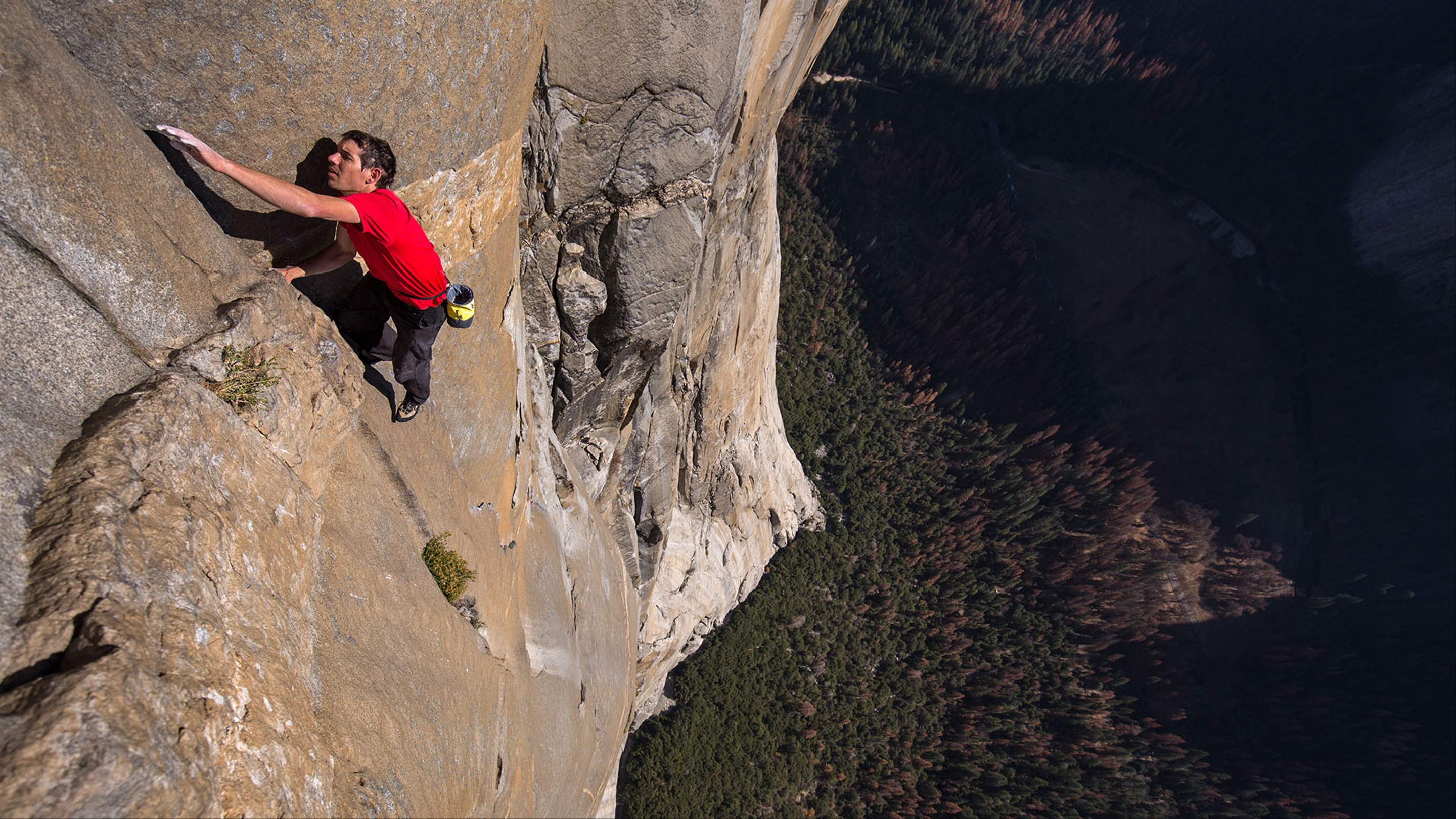
However, Honnold transcended this traditional niche ecosystem long before his historic 2017 rope-free ascent of El Capitan's Freerider route in Yosemite National Park. His minimalist lifestyle, characterized by living out of a converted Econoline van for over a decade, meant his personal overhead costs were exceptionally low. This financial discipline allowed him to reinvest earnings into his foundation and long-term financial security while maintaining complete autonomy over his climbing projects, choosing objectives based on personal inspiration rather than corporate commercial pressure.
Brand Partnerships and Corporate Sponsorships
Corporate sponsorships represent a foundational pillar of Alex Honnold’s revenue generation. Rather than aligning with dozens of minor brands, Honnold maintains long-term, exclusive partnerships with premier corporations that align with his personal ethos, environmental commitments, and adventure profile. His primary and most enduring sponsor is The North Face, an outdoor apparel and equipment manufacturer that has supported his expeditions for many years. Additional major sponsors historically include Black Diamond Equipment, Stride Health, and Peak Design.
These corporate partnerships function differently than traditional sports endorsements. Brands do not merely pay for logo placement on a jersey; they finance Honnold’s expeditions, fund documentary film crews to capture his feats, and collaborate on signature product lines or marketing campaigns. In return, Honnold serves as a global ambassador for these brands, generating organic media coverage through high-risk, high-reward ascents that capture public attention worldwide.
The financial terms of these elite outdoor contracts are generally proprietary, but industry analysts estimate that top-tier athletes in Honnold’s unique category command annual retainer fees ranging from several hundred thousand dollars to upwards of $1 million when factoring in performance bonuses, media bonuses, and global marketing activations. Furthermore, these partnerships often include environmental grant contributions, allowing Honnold to channel corporate resources into his philanthropic initiatives.
The Financial Impact of Free Solo and Media Production
The release of the National Geographic documentary Free Solo in 2018 marked a definitive turning point in Alex Honnold’s financial trajectory. Directed by Jimmy Chin and Elizabeth Chai Vasarhelyi, the film chronicled Honnold’s meticulous preparation and eventual execution of the first-ever free solo climb of El Capitan. The film achieved massive commercial and critical success, grossing over $29 million at the global box office and winning the Academy Award for Best Documentary Feature in 2019.
While documentary subjects typically do not receive traditional blockbuster movie backend percentages akin to Hollywood actors, the immense success of Free Solo dramatically elevated Honnold’s global public profile. This visibility translated into several lucrative downstream financial opportunities:
- Book Royalties: Honnold’s memoir, Alone on the Wall, co-authored with David Roberts, experienced significant surges in sales following the documentary's release, generating steady residual royalties.
- Media Production and Television: Honnold expanded his media footprint by hosting and producing television series and specials for platforms like National Geographic and Disney+, such as Arctic Ascent with Alex Honnold, which command substantial production fees and talent payouts.
- Global Speaking Engagements: As a sought-after keynote speaker for corporate events, universities, and leadership summits, Honnold commands significant appearance fees, often reported to range between $20,000 and $50,000 per speaking engagement, depending on the venue and organization.
Financial Comparison: Traditional Climbers vs. Media-Driven Icons
To understand the disparity in earnings within the climbing profession, it is helpful to examine how income sources differ across career stages and media visibility.
| Income Stream | Entry-Level Professional Climber | Elite Competitor / Traditional Pro | Media-Driven Icon (e.g., Alex Honnold) |
|---|---|---|---|
| Primary Gear Sponsors | Free gear / small stipends ($1K - $10K/yr) | Moderate cash retainers ($15K - $50K/yr) | Major global retainers ($250K - $1M+/yr) |
| Media & Film Royalties | Minimal or none | Occasional article or photo fees | Substantial documentary shares & series pay |
| Public Speaking Fees | Local slide nights (expenses covered) | Regional festivals ($1K - $5K per event) | Premium keynote circuits ($20K - $50K+ per event) |
| Book & Product Sales | None | Occasional self-published media | Bestselling memoirs & signature gear lines |
| Estimated Annual Income | Under $25,000 | $30,000 – $80,000 | $1,000,000 – $2,000,000+ |
The Honnold Foundation and Philanthropic Investments
Financial success has also allowed Alex Honnold to formalize his long-standing commitment to environmental sustainability and social equity through the Honnold Foundation, which he established in 2012. The foundation provides funding for solar energy initiatives worldwide, aiming to reduce environmental impact and improve livelihoods in marginalized communities.
Honnold famously pledged one-third of his personal income to environmental causes long before achieving mainstream fame, maintaining a modest personal standard of living despite his growing wealth. His financial portfolio extends beyond personal savings into venture investments in clean energy technology, sustainable food systems, and outdoor equipment startups. These investments reflect a deliberate strategy to align his personal capital accumulation with his core values, ensuring long-term financial stability while supporting systemic ecological solutions.
Frequently Asked Questions
What is Alex Honnold’s net worth?
Alex Honnold’s net worth is estimated to be between $2 million and $5 million. This wealth has been accumulated over two decades of professional climbing, corporate sponsorships, book sales, global speaking engagements, and media production deals, most notably anchored by the success of the documentary Free Solo.
Does Alex Honnold make money from free soloing?
Honnold does not receive direct financial payment for the act of free soloing itself. Instead, he earns income through corporate sponsorships, brand partnerships, media appearances, and documentary projects that document his climbing achievements and expeditions.
Who are Alex Honnold’s primary sponsors?
Honnold’s most prominent and enduring corporate sponsor is The North Face. Throughout his career, he has also maintained partnerships with companies such as Black Diamond Equipment, Peak Design, and Stride Health, which support his expeditions and product development efforts.
How much does Alex Honnold charge for speaking engagements?
As a globally recognized adventurer and media figure, Honnold commands premium appearance fees for keynote speeches at corporate events, universities, and conferences. While exact contracts vary, industry standards for top-tier motivational speakers of his caliber typically range from $20,000 to over $50,000 per event.
Does Alex Honnold still live in a van?
While Honnold spent over a decade living full-time out of a converted Econoline van to minimize living expenses and remain close to climbing destinations, he has since transitioned to owning permanent residential property in Las Vegas, Nevada, though he continues to travel extensively for global climbing expeditions.
Plan Your Financial Review or Media Career Research
When researching the financial realities of professional athletes and media personalities, examining verified disclosures, production contracts, and corporate partnerships provides an accurate picture of total compensation. To explore related topics further, investigate the economics of extreme sports sponsorships, examine the operational structures of outdoor non-profit foundations, or review how documentary film distribution agreements compensate on-screen talent.