Alex Honnold’s high-profile ascents have continually redefined human limits, shifting public perception of free solo climbing—the practice of scaling sheer rock or artificial faces without ropes, harnesses, or protective gear. When analyzing a major urban skyscraper project like Taipei 101, observers must examine the specific engineering challenges of the structure, the strict safety protocols surrounding modern live-broadcasted stunts, and how urban architectural ascents compare to traditional big wall alpine routes. This endeavor represents a fascinating intersection of elite athletic performance, media production, and urban vertical architecture.
Understanding the Anatomy and Architectural Scale of Taipei 101
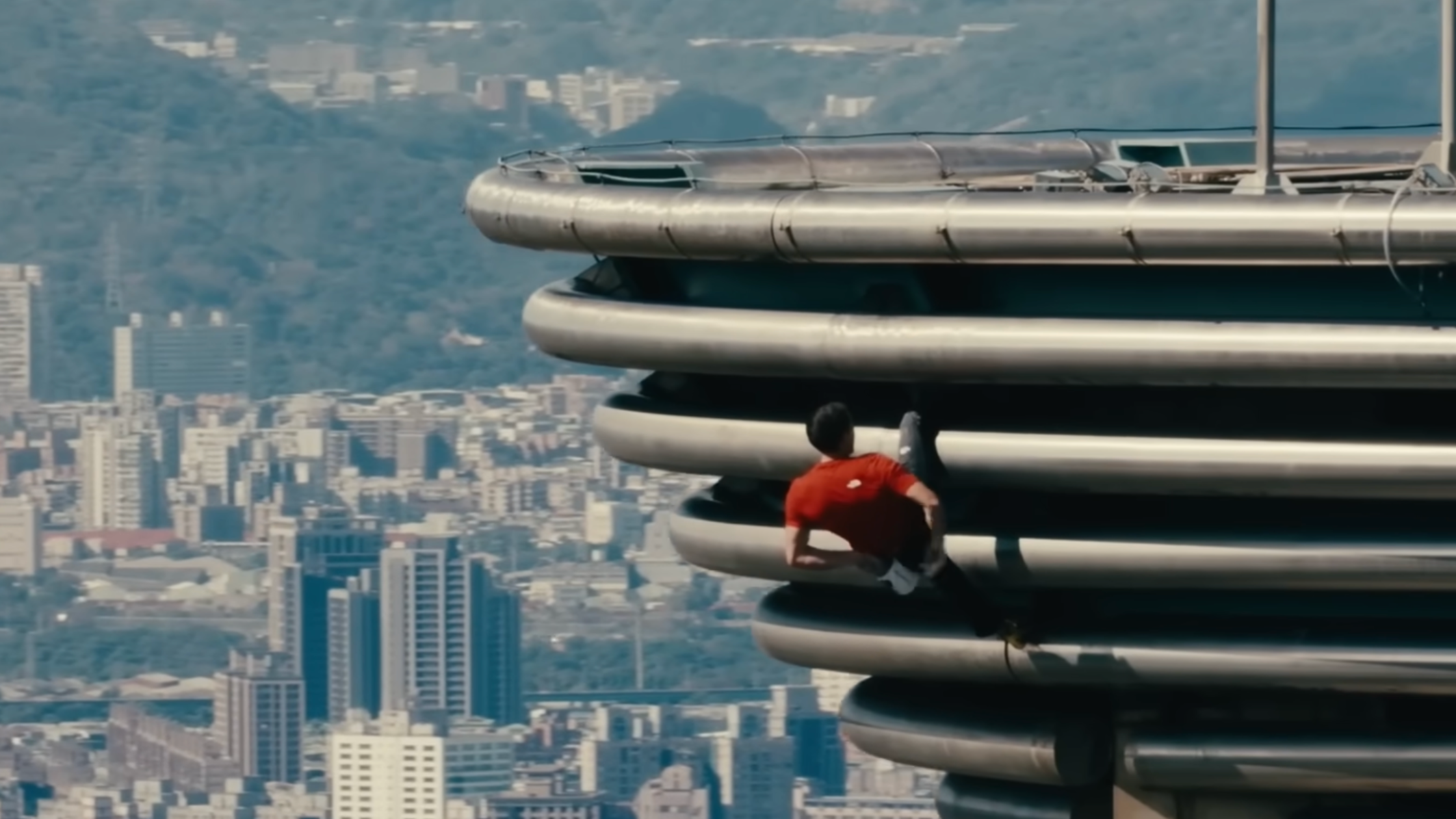
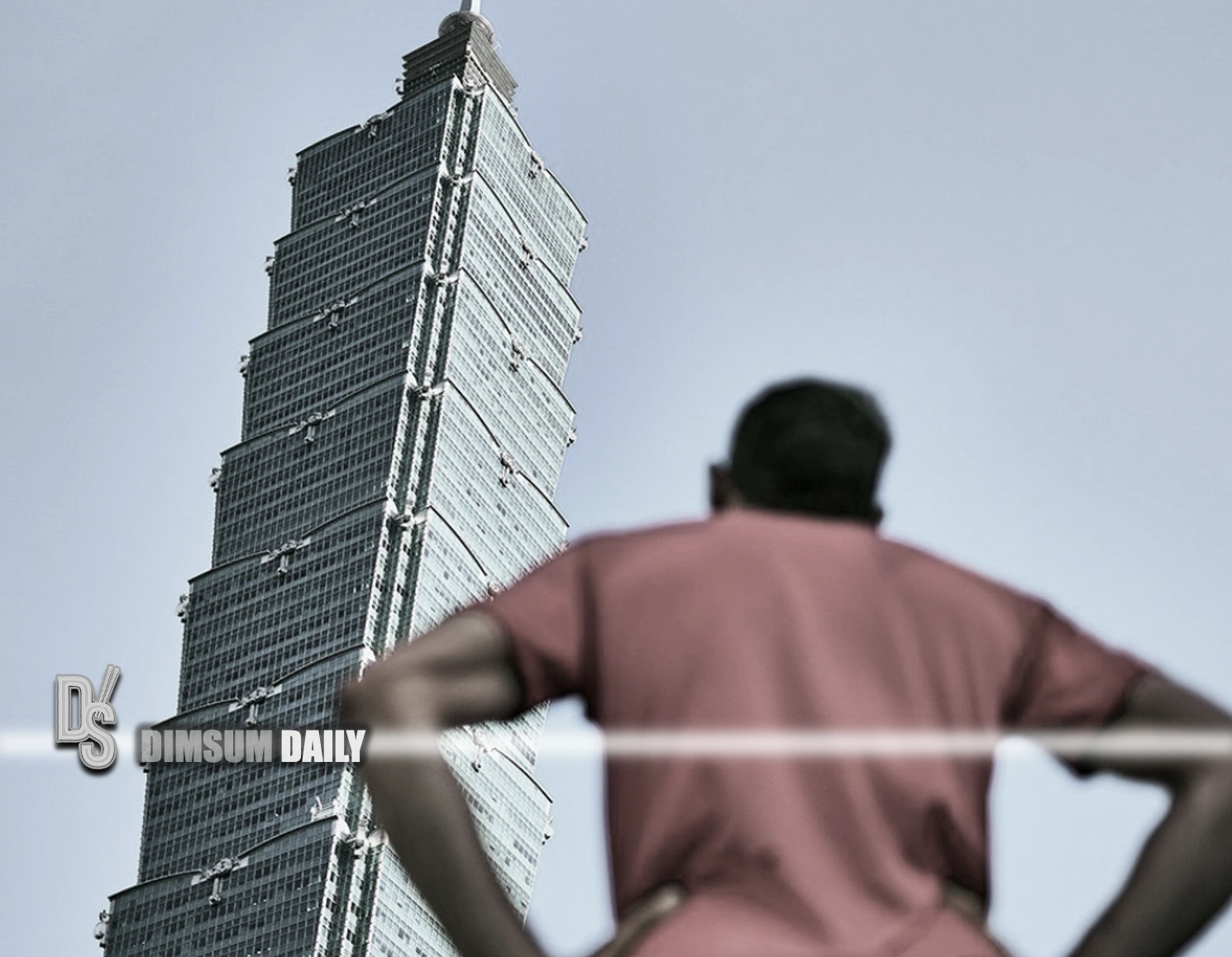
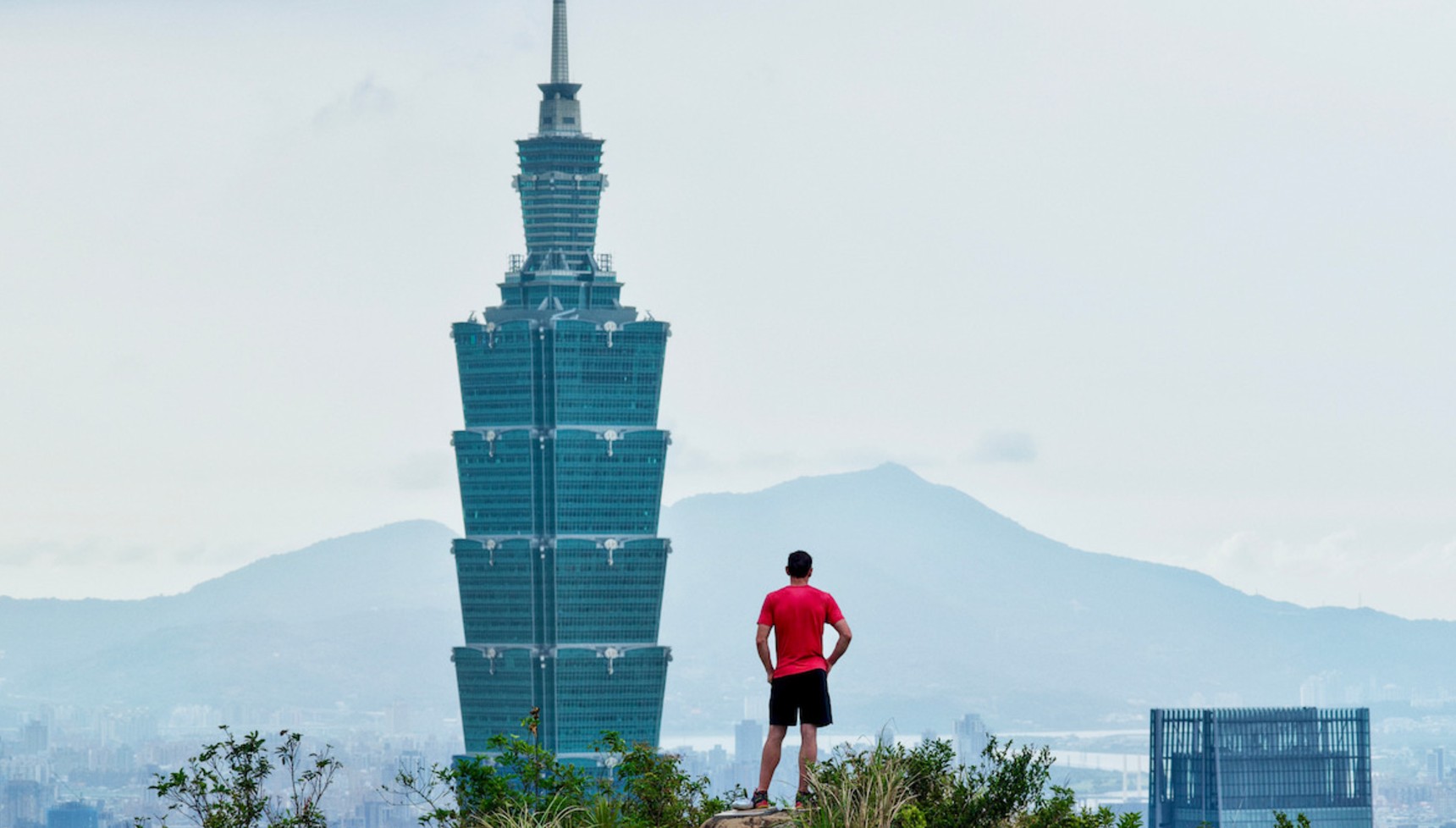
Taipei 101, located in the Xinyi District of Taipei, Taiwan, stands as a masterclass of postmodern engineering. Rising to a height of 508 meters (1,667 feet) across 101 structural floors, the skyscraper was designed by C.Y. Lee & Partners to resemble a giant, growing bamboo stalk—a traditional symbol of strength, resilience, and unending growth in Asian culture. Its exterior facade features a series of eight upward-flaring segments of eight floors each, a design choice deeply rooted in cultural symbolism where the number eight represents prosperity and good fortune.
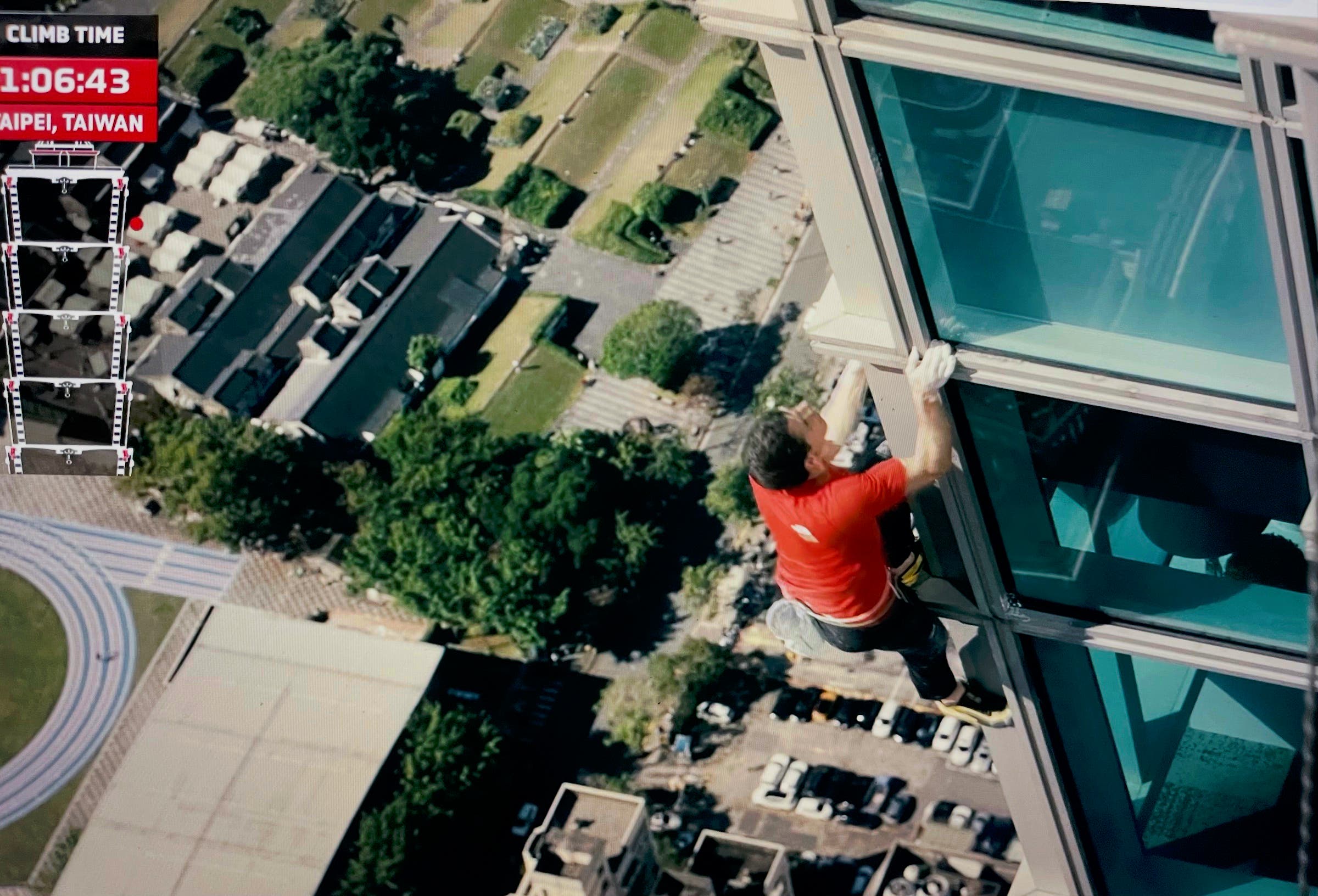
From a structural perspective, the building utilizes high-performance steel and concrete. The exterior is clad in blue-green glass curtain walls that present entirely different friction coefficients, wind exposure profiles, and surface characteristics compared to natural granite or sandstone cliffs. The building incorporates a massive 660-metric-ton tuned mass damper suspended between the 87th and 92nd floors to counteract typhoon-force winds and seismic tremors.
For an elite free solo climber, these architectural features dictate every movement. Unlike a uniform granite wall in Yosemite National Park, a skyscraper presents a complex grid of structural steel, ornamental ledges, glass panels, and periodic transition zones. The climber must contend with engineered materials that offer zero natural texture, shifting wind vectors driven by urban canyon effects, and the constant scrutiny of a built environment fundamentally engineered to keep people inside, not on the exterior.
The Evolution of Urban Skyscrapers as Free Solo Climbing Venues
Urban climbing—often termed building climbing or "human fly" stunts—has a long, checkered history characterized by sensationalist daredevils, unauthorized ascents, and modern, highly regulated media productions. Historically, urban climbers relied on suction cups, homemade mechanical ascenders, or sheer brute strength to scale facades, often operating in legal gray areas or courting arrest. Notable figures over the past century have treated urban towers as monumental vertical canvases, transforming public plazas into viewing galleries for gravity-defying spectacles.
In the modern era, high-end urban ascents have shifted from rogue, clandestine operations toward meticulously planned, safety-vetted television and streaming events. Broadcasters and production companies partner with elite athletes to execute these climbs under controlled conditions, balancing the genuine physical risk with comprehensive contingency planning.
| Structure / Route | Height (Meters) | Primary Surface Type | Environmental Challenges | Typical Risk Profile |
|---|---|---|---|---|
| Taipei 101 | 508m | Glass curtain wall, steel | Urban wind tunnels, slick panels | Engineered angles, high visibility |
| El Capitan (Freerider) | 914m | Granite | Weather shifts, rockfall, fatigue | Natural rock, multi-pitch endurance |
| El Capitan (Free Rider Media) | 914m | Granite | Live broadcasting weight, crowds | Extreme psychological pressure |
| Shard London Bridge | 309m | Glass, steel framing | Coastal wind, smooth metallic joints | Complex grip transitions, exposure |
This evolution reflects a broader cultural fascination with extreme human achievement. When an athlete of Honnold’s caliber approaches a man-made skyscraper, the performance is evaluated not just by the absence of a rope, but by how the climber adapts natural rock-climbing movement patterns to an artificial, highly engineered vertical plane.
Technical Comparisons: Skyscrapers Versus Traditional Big Wall Free Soloing
Translating big wall free soloing skills from natural rock formations like El Capitan in Yosemite Valley to urban skyscrapers requires a fundamental reassessment of technique, equipment, and psychological endurance. While both environments demand absolute precision and zero margin for error, the physical realities of the surfaces diverge sharply.
Traditional big wall free soloing relies on natural geological features: cracks, flakes, pockets, and friction slabs formed over millennia. A climber reads the stone, utilizing subtle variations in rock texture and body positioning to maintain upward momentum. Hand jams, foot placements, and body weight distribution are governed by natural friction and gravity. The psychological burden involves isolation, sustained physical fatigue over thousands of vertical feet, and remote environmental hazards such as sudden weather changes or loose rock.
Conversely, an urban skyscraper presents an artificial geometry. The holds are often narrow steel framing joints, window ledges, or engineered facade elements that may offer uniform grip followed by completely featureless smooth glass transitions.
- Surface Texture: Natural rock provides variable mineral friction; glass and polished steel require precise edge-loading and friction-dependent friction climbing.
- Route Finding: Alpine routes require intuition and micro-route finding; skyscrapers present rigid, pre-designed geometric grids with little room for improvisation.
- Environmental Factors: Natural walls expose climbers to alpine weather, whereas skyscrapers generate localized wind shear, thermal updrafts from asphalt plazas, and acoustic reverberation from city traffic.
- Audience Presence: Big wall solos are traditionally solitary or witnessed by a tiny handful of distant photographers; urban solos frequently unfold before massive live crowds and global broadcast cameras.
Safety Protocols, Logistics, and Production Realities
Executing a high-visibility urban climb of a landmark structure like Taipei 101 requires a massive logistical apparatus. Far from a spontaneous act of rebellion, modern commercial-scale urban ascents involve months of architectural analysis, engineering consultations, local government coordination, and broadcasting logistics.
Production teams must secure legal permits from municipal authorities and building management, ensuring that public safety is maintained on the ground. Safety contingencies for elite free soloists in these environments typically involve hidden rescue teams, medical staging areas, and, in some broadcast formats, discreet fall-arrest systems or staged safety interventions should conditions deteriorate. However, true free soloing remains defined by the absolute absence of active ropes during the ascent.
Meteorological monitoring plays a decisive role. Urban towers act as vertical obstacles that accelerate wind speeds at higher elevations. Engineers analyze wind tunnel data, barometric pressure shifts, and solar radiation impacts on glass panels, which can expand or shift slightly under intense direct sunlight. The logistical coordination ensures that the athlete can perform at peak physical capacity without encountering unexpected environmental hazards mid-climb.
What Major Urban Ascents Mean for the Future of Big Wall Athletes
The integration of elite rock climbers into urban skyscraper projects signals a significant shift in how extreme sports intersect with mainstream media, commercial sponsorship, and architectural public relations. For decades, free soloing existed in a specialized, counter-cultural niche, viewed primarily through independent documentary filmmaking and print journalism.
High-profile urban ascents bridge the gap between niche mountaineering culture and global live entertainment. For professional athletes, these projects offer unprecedented platform reach and financial validation, allowing them to sustain careers at the absolute pinnacle of human performance. However, this commercialization introduces complex cultural debates within the climbing community regarding authenticity, risk management, and the commodification of extreme exposure.
Furthermore, these projects expand the definition of what constitutes elite climbing. As traditional natural routes become increasingly documented and repeated, athletes look toward novel, highly visible challenges that test their adaptability. The transition from granite monoliths to steel-and-glass towers demonstrates that human movement is not bound strictly by geology; rather, elite climbers possess transferable physical intelligence that allows them to decode any vertical landscape, whether carved by glaciers or constructed by modern engineers.
Frequently Asked Questions
Did Alex Honnold use ropes during his Taipei 101 climb?
In a pure free solo ascent, the defining criterion is the complete absence of ropes, harnesses, or safety nets designed to catch a fall. Media productions and broadcast partnerships involving skyscrapers occasionally incorporate strict safety parameters or contingency staging depending on regulatory requirements, but the core athletic achievement of free soloing rests entirely on unroped execution.
How do glass and steel surfaces affect climbing technique compared to natural rock?
Glass and polished steel lack the porous texture and mineral friction found on natural rock surfaces like granite or limestone. Climbers must rely heavily on precise edge-loading, balancing body weight over narrow structural joints, and utilizing minute variations in window frames and architectural panel seams for traction.
Why do elite climbers choose to scale urban skyscrapers?
Scaling urban landmarks offers a unique combination of architectural novelty, global media reach, and unprecedented physical challenges. These projects allow elite athletes to test their movement skills on artificial geometry while engaging with massive public audiences and securing high-level commercial partnerships.
What are the primary environmental hazards of climbing a skyscraper?
Urban climbers face distinct meteorological challenges, including severe wind shear caused by surrounding high-rise buildings, thermal updrafts from hot pavement, and temperature-induced expansion or contraction of exterior glass and metal panels.
How long does it take to plan a major urban building climb?
Planning a high-profile architectural ascent typically takes months of preparation. This timeframe includes structural engineering assessments, meteorological data collection, municipal permit acquisition, and the coordination of complex live-broadcast production logistics.
Strategic Next Steps for Following Elite Climbing and Urban Ascents
For enthusiasts and analysts tracking the evolution of elite climbing, the focus should remain on how athletes balance traditional alpine ethics with modern commercial media demands. Reviewing historical documentation of urban architectural ascents, studying the mechanics of building facades, and examining the rigorous safety planning behind live broadcast stunts provide a comprehensive understanding of this rapidly evolving discipline. Watch official sports documentaries, consult architectural records of major global landmarks, and follow verified reports from accredited sports journalists to stay informed on future developments in vertical exploration.