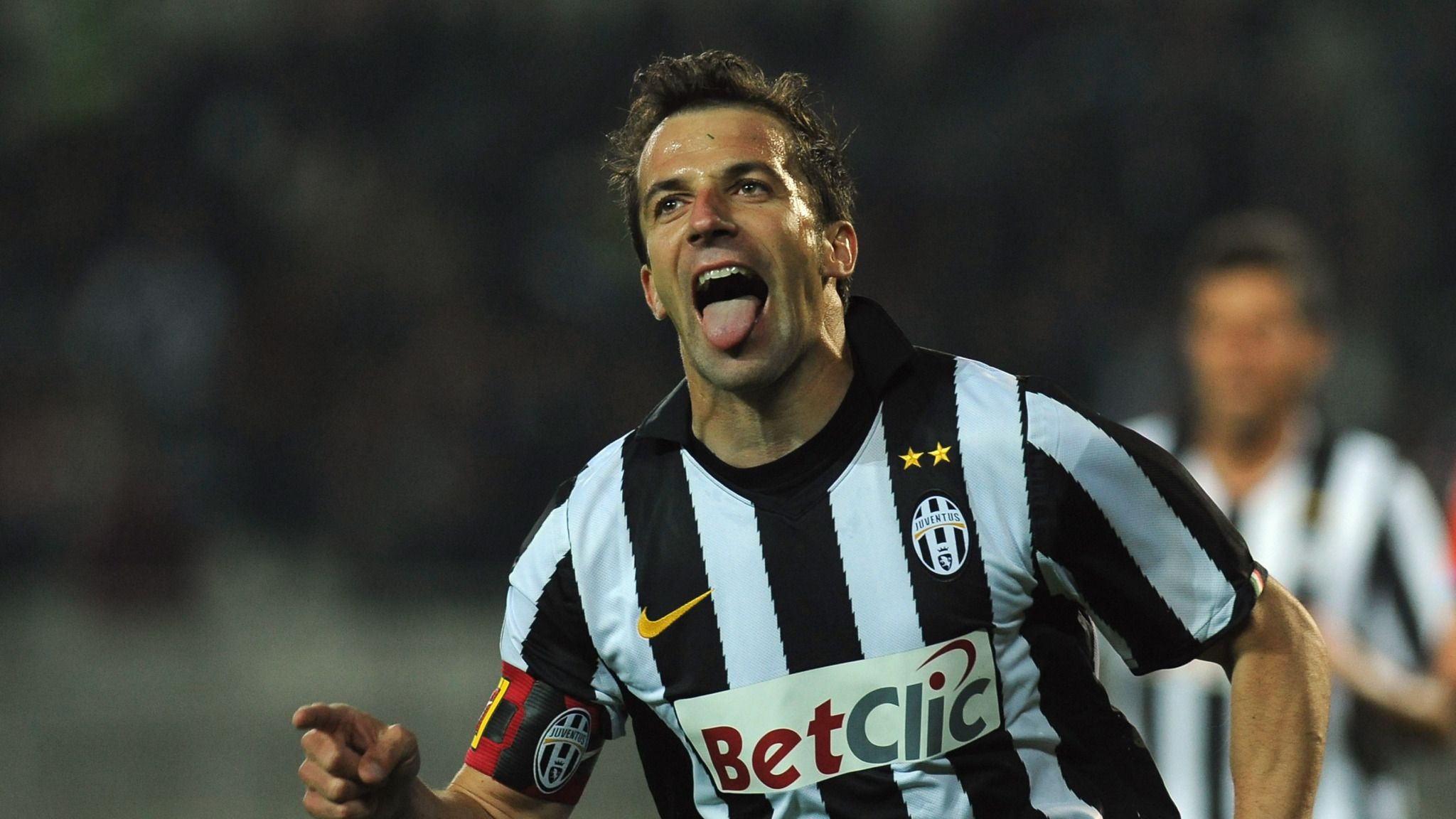
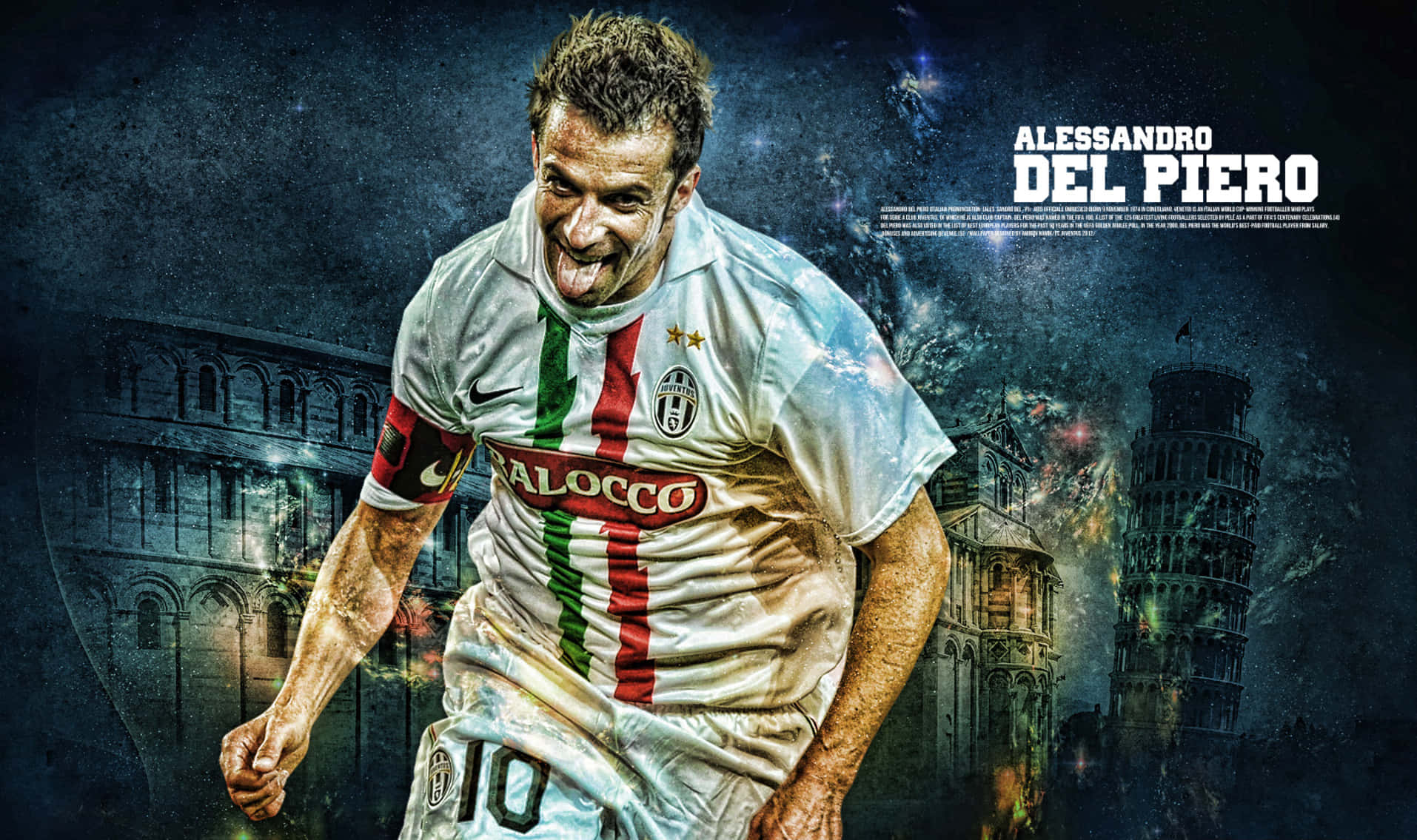
Alessandro Del Piero is an iconic Italian forward celebrated for his 19-year tenure at Juventus and his 2006 FIFA World Cup triumph with Italy. Known as "Pinturicchio," he is revered for his technical elegance, set-piece mastery, and unwavering loyalty, holding the record for most appearances and goals in Juventus history.
The Genesis of a Maestro: Early Years and Padova
The story of Alessandro Del Piero begins in San Vendemiano, where his obsession with football was nurtured in a humble, hardworking environment. Unlike many modern prodigies who are scouted at infancy, Del Piero’s path was one of steady progression and clinical refinement. His mother initially wanted him to play as a goalkeeper to prevent him from getting too tired or injured, but his brother Stefano recognized his offensive potential, urging the young Alessandro to move further up the pitch.
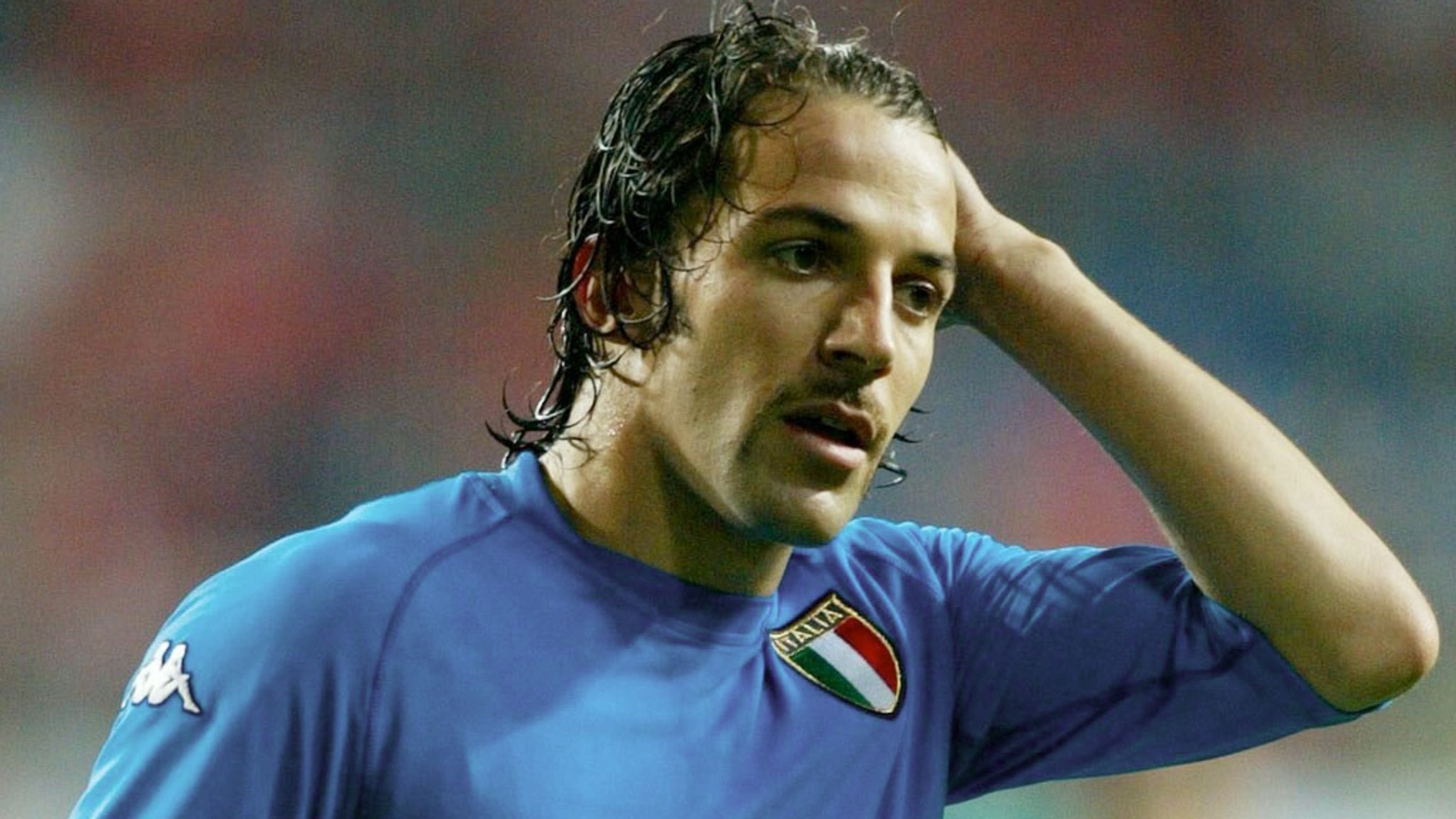
In 1988, Del Piero joined the youth ranks of Padova. It was here that the footballing world first caught a glimpse of his precocious talent. He made his professional debut in Serie B in 1991, and though he only played 14 games for the club, his impact was immediate. His ability to manipulate the ball in tight spaces and his vision for goal attracted the attention of Italy's biggest clubs.
The turning point came in 1993 when Giampiero Boniperti, the legendary Juventus executive, secured his signature. Moving to Turin was not merely a career step; it was the beginning of a nearly two-decade-long love affair between a player and a club. At Juventus, he was mentored by the likes of Roberto Baggio, eventually inheriting the prestigious number 10 shirt—a jersey he would make synonymous with his own name.
The Golden Era and the "Pinturicchio" Identity
The mid-1990s marked the ascent of Del Piero as a global superstar. Under the tutelage of Marcello Lippi, he became the fulcrum of a Juventus side that dominated both Italy and Europe. His performance in the 1995-96 UEFA Champions League was particularly noteworthy; he scored in five consecutive matches, leading the "Old Lady" to their second European crown.
It was during this period that Gianni Agnelli, the influential owner of Juventus, bestowed upon him the nickname "Pinturicchio." Agnelli compared Del Piero to the Renaissance painter Bernardino di Betto, suggesting that while Roberto Baggio was the master "Raffaello," Del Piero was the rising artist whose style was equally refined but perhaps more delicate.
Technically, Del Piero was a "Trequartista"—a creative playmaker who operated in the hole between the midfield and the attack. However, his scoring rate was that of a pure striker. He popularized the "Gol alla Del Piero" (the Del Piero Goal), characterized by a curling shot from the left corner of the penalty area into the far top corner. This specific region of the pitch became colloquially known as the "Del Piero Zone."
Tactical Versatility and the 1998 Injury
By 1998, Del Piero was arguably the best player in the world, outshining even Ronaldo in the lead-up to the Champions League final. However, a catastrophic knee injury sustained against Udinese in November 1998 sidelined him for nearly a year. This injury serves as a critical demarcation line in his career. Before the injury, he was a player of explosive pace and daring dribbles; after the injury, he adapted his game, relying more on intelligence, positioning, and set-piece accuracy. This evolution is a testament to his tactical maturity and mental fortitude.
Loyalty Above All: Relegation and the Serie B Journey
Perhaps the most defining chapter of Del Piero’s legacy is his response to the Calciopoli scandal in 2006. Following Italy’s World Cup victory, Juventus was stripped of two Scudetto titles and relegated to Serie B due to administrative scandals. While other stars like Fabio Cannavaro and Zlatan Ibrahimović departed for other European giants, Del Piero famously stated, "A gentleman never leaves his lady."
His decision to stay in the second division solidified his status as a club deity. He finished the Serie B season as the top scorer, leading Juventus back to the top flight immediately. This act of loyalty was not just sentimental; it was a stabilizer for a club in crisis. He followed this by winning the Capocannoniere (Serie A top scorer) in the very next season (2007-08), becoming only the second player in history to win the top scorer award in Serie B and Serie A in consecutive years.
International Glory: The 2006 World Cup Redemption
Del Piero’s relationship with the Italian national team (Azzurri) was often a source of debate. Despite his club success, he faced intense competition from Francesco Totti and suffered through a disappointing Euro 2000 final where he missed two crucial chances. However, 2006 provided the ultimate redemption.
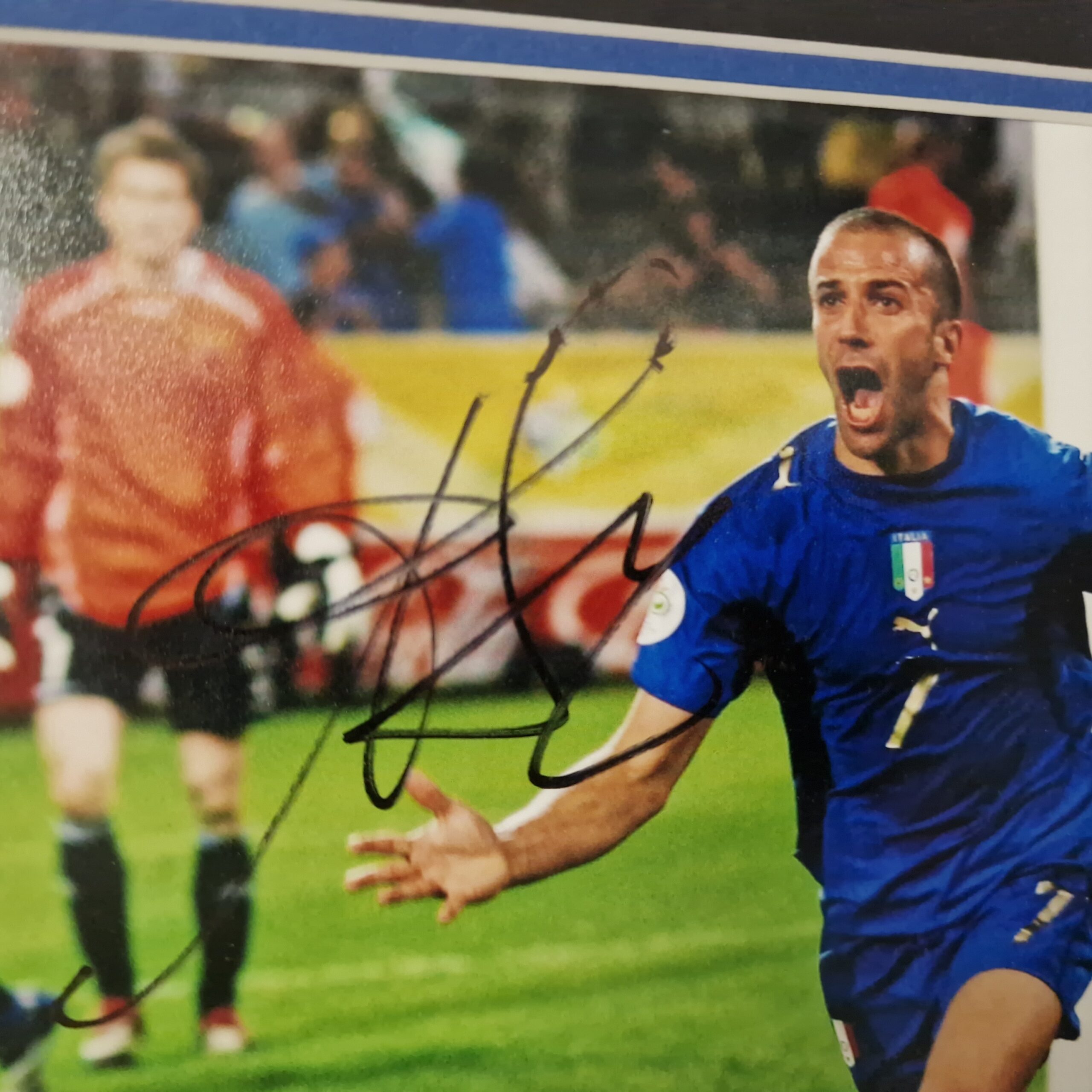
During the World Cup in Germany, Del Piero accepted a secondary role, often coming off the bench to provide veteran leadership and technical spark. His contribution in the semi-final against the hosts, Germany, is etched in footballing lore. In the 121st minute, after Fabio Grosso had opened the scoring, Del Piero finished a clinical counter-attack with a trademark curling shot to seal a 2-0 victory.
In the final against France, he successfully converted his penalty in the shootout, helping Italy claim their fourth world title. With 27 goals in 91 appearances, he remains the fourth all-time leading scorer for the Italian national team, tied with Roberto Baggio.
Statistical Overview and Career Achievements
To understand the scale of Del Piero’s impact, one must look at the consistency of his output across two decades. The following table summarizes his primary professional phases and achievements:
| Category | Juventus Era (1993–2012) | National Team (1995–2008) | Post-Juventus (2012–2014) |
|---|---|---|---|
| Appearances | 705 (Record) | 91 | 48 (Sydney FC) |
| Goals Scored | 290 (Record) | 27 | 24 (Sydney FC) |
| Major Titles | 6 Serie A, 1 UCL, 1 Intercontinental Cup | 1 FIFA World Cup | N/A |
| Individual Honors | Serie A Player of the Year (1998, 2008) | Golden Foot (2007) | A-League Player of the Year (2013) |
| Key Role | Captain and Trequartista | Impact Substitute / Forward | Marquee Ambassador |
The Global Ambassador: Australia, India, and Beyond
In 2012, after an emotional farewell at the Juventus Stadium, Del Piero chose an unconventional path for his final playing years. Rather than moving to a rival European club or a lucrative Middle Eastern league, he signed with Sydney FC in the Australian A-League.
His arrival in Australia was a watershed moment for the sport in the region. He wasn't just a "retirement league" passenger; he scored 14 goals in his debut season and helped raise the profile of the league globally. He finished his playing career with a brief stint at Delhi Dynamos in the Indian Super League (ISL), further cementing his role as a global ambassador for football.
As of 2026, Del Piero remains heavily involved in the sport. He is a prominent pundit for Sky Italia and ESPN, providing deep tactical analysis that reflects his high footballing IQ. He also manages various business interests, including his ADP10 brand and football academies that focus on technical development and sportsmanship—traits he exemplified throughout his career.
Frequently Asked Questions
Why is Alessandro Del Piero called "Pinturicchio"?
The nickname was given to him by the late Juventus chairman Gianni Agnelli. It refers to the Renaissance painter Bernardino di Betto, whose nickname was Pinturicchio. Agnelli used the name to describe Del Piero’s artistic and elegant style of play, contrasting him with the more established "Raffaello" (Roberto Baggio).
What is the "Del Piero Zone"?
The "Del Piero Zone" refers to the area just outside the left side of the penalty box. Del Piero became famous for cutting inside from the left wing and hitting a high, curling shot into the far top corner of the goal. This specific type of goal became his signature move during the mid-1990s.
Did Del Piero ever win the Ballon d'Or?
No, Del Piero never won the Ballon d'Or. His highest finish was 4th place, achieved in both 1995 and 1996. Despite his immense talent and trophy haul, he played in an era of extraordinary individuals like Ronaldo, Zinedine Zidane, and Rivaldo, which made the competition for the award incredibly fierce.
Why did he stay at Juventus during the Serie B relegation?
Del Piero viewed himself as a symbol of the club. His decision to stay was based on a sense of duty and loyalty to the fans and the institution that had supported him since 1933. He famously remarked that a "gentleman never leaves his lady," referring to Juventus’s nickname, La Vecchia Signora (The Old Lady).
How many goals did Del Piero score for Italy?
Del Piero scored 27 goals in 91 appearances for the Italian national team. This tally makes him the joint-fourth highest scorer in Italy's history, tied with the legendary Roberto Baggio. His most famous international goal was the second goal in the 2-0 win over Germany in the 2006 World Cup semi-final.
Following the Legacy: How to Engage with Del Piero’s Career
For fans and students of the game looking to understand the nuances of Del Piero's play, several resources are available. Reviewing archival footage from the official Juventus website or the Lega Serie A YouTube channel provides insight into his tactical positioning and free-kick techniques.
Aspiring players should study his 2007-2008 season specifically, as it serves as a masterclass in how a veteran player can dominate a league through superior positioning and technical execution rather than raw physical speed. Additionally, his autobiography, Playing On, offers a detailed look at the mental challenges he faced during his 1998 injury and the 2006 scandal.