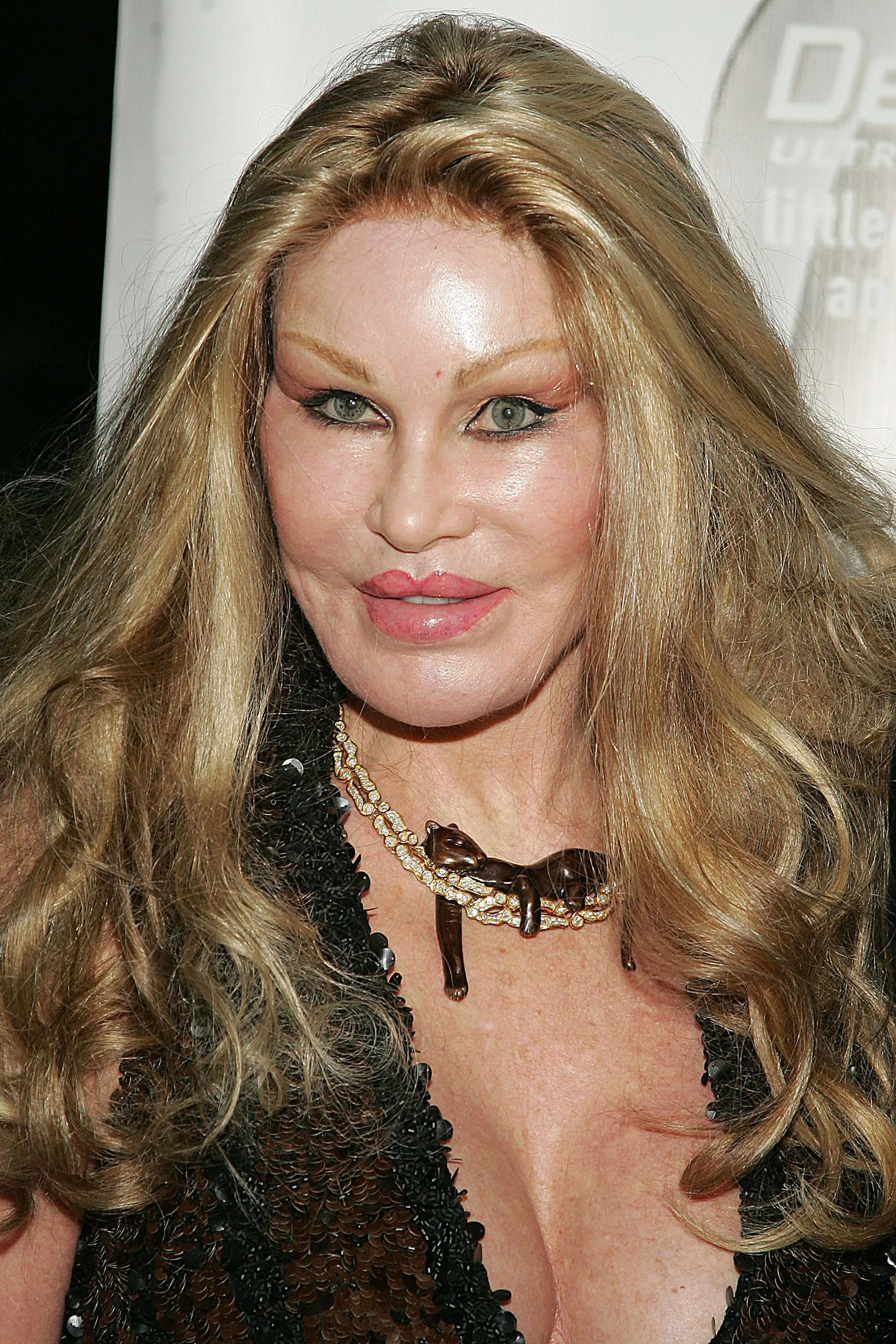
Alessandra Wildenstein is the daughter of the late billionaire art dealer Alec Wildenstein and his former wife, Jocelyn Wildenstein. As an heir to one of the most powerful art-dealing dynasties in history, she occupies a unique position within a family known for its multi-billion-dollar collection, high-profile legal battles, and extreme privacy.
The Wildenstein name has been synonymous with the pinnacle of the international art market for over a century. While Alessandra has largely avoided the intense media scrutiny that defined her mother’s public life, her role within the family’s vast estate remains a subject of significant interest for those tracking the intersection of high finance, art history, and global real estate. To understand Alessandra Wildenstein in 2026, one must look at the historical foundation of the Wildenstein empire and the complex legal landscape the family has navigated over the last several decades.
The Wildenstein Family Lineage and Art Empire
The story of Alessandra Wildenstein begins with a lineage that shaped the Western art world. The dynasty was established in the 19th century by Nathan Wildenstein, who moved from Alsace to Paris and built a reputation for dealing in 18th-century French art. This foundation was expanded by his son, Georges, and later by his grandson, Daniel Wildenstein, Alessandra’s grandfather.
By the time Alessandra was born, the family firm, Wildenstein & Co., was arguably the most influential art dealership in the world. They were not merely sellers; they were scholars who produced definitive catalogues raisonnés for artists like Monet, Gauguin, and Velázquez. This scholarly authority allowed the family to control the provenance and market value of some of the world’s most sought-after masterpieces.
The family’s wealth was historically held in a web of offshore trusts and private holdings, including:
- Thousands of Old Master and Impressionist paintings.
- The Ol Jogi ranch in Kenya, a 58,000-acre private conservancy.
- Significant real estate holdings in New York City, Paris, and the Virgin Islands.
- An elite thoroughbred horse racing and breeding operation.
The "Divorce of the Century" and Its Impact
Alessandra’s life was irrevocably marked by the 1999 divorce of her parents, Alec and Jocelyn Wildenstein. At the time, it was the most expensive divorce settlement in history, with Jocelyn awarded an estimated $2.5 billion, plus $100 million annually for 13 years.
The proceedings were a tabloid sensation, primarily due to Jocelyn’s extensive cosmetic surgeries and the revelations of the family’s opulent lifestyle. However, for Alessandra and her brother, Alec Wildenstein Jr., the divorce represented a fracturing of the family’s private world. Alec Wildenstein Sr. eventually moved to Paris and remarried, while the children remained tied to both the family legacy and the complications of their mother’s public image.
In the years following the divorce, Alessandra maintained a level of discretion that contrasted sharply with the media's portrayal of her mother. She focused on the management of family interests and social circles that valued the traditional privacy of the "old money" art world.
Legal Challenges and the French Tax Trials
The most significant event affecting Alessandra’s inheritance and the family standing in the 21st century was the protracted legal battle with the French government. Following the death of Daniel Wildenstein in 2001 and Alec Wildenstein Sr. in 2008, French authorities accused the family of "the longest and most sophisticated tax fraud" in modern French history.
The core of the dispute involved the use of offshore trusts in the Bahamas and the Cayman Islands to hide the true value of the family’s assets, thereby avoiding billions in inheritance taxes. The assets included the Ol Jogi ranch and the massive art collection stored in a high-security vault in New York known as "The Vault."
| Key Event | Date | Significance for the Wildenstein Estate |
|---|---|---|
| Death of Daniel Wildenstein | 2001 | Triggered the initial investigation into the family’s tax filings in France. |
| Divorce Settlement | 1999 | Publicly exposed the scale of the Wildenstein fortune for the first time. |
| Death of Alec Wildenstein Sr. | 2008 | Led to further disputes over the division of the family’s secret trusts. |
| First Tax Fraud Trial | 2016 | A Paris court examined charges of tax evasion involving over €500 million. |
| Appeals and Rulings | 2018–2024 | Years of legal maneuvering regarding the legality of the family's offshore trusts. |
| Current Status | 2026 | The estate remains active, but heavily restructured due to legal settlements. |
The legal battles placed Alessandra and her brother in a difficult position as they sought to preserve the family’s reputation while dealing with the fallout of their father’s and grandfather’s financial structures. Although the French courts eventually delivered various rulings—some favoring the family based on the statute of limitations and others imposing fines—the process necessitated a more transparent approach to the family’s holdings than had existed for a century.
The Ol Jogi Estate and Conservation Efforts
One of the most enduring legacies associated with Alessandra Wildenstein is the Ol Jogi ranch in Laikipia, Kenya. Originally acquired by Alec Wildenstein Sr., the estate is a sprawling sanctuary for endangered species, including the black rhino and Grevy’s zebra.
Alessandra has been closely linked to the management and preservation of this property. Unlike the commercial art dealings of the New York and Paris branches of the family, Ol Jogi represents a commitment to environmental stewardship. The ranch features:
- State-of-the-Art Veterinary Facilities: A hospital dedicated to the care of injured wildlife.
- Anti-Poaching Units: Highly trained security teams that protect the sanctuary's rhino population.
- Elite Tourism: To fund conservation, the estate operates as an ultra-exclusive private retreat, catering to high-net-worth individuals seeking privacy and proximity to nature.
For Alessandra, Ol Jogi has often served as a sanctuary away from the legal complexities of the European art market. Her involvement in the estate highlights a shift in the family’s public profile toward philanthropy and conservation.
Financial Status and Net Worth in 2026
Assessing the personal net worth of Alessandra Wildenstein in 2026 requires differentiating between her personal liquid assets and her stake in the broader Wildenstein trusts. While her mother, Jocelyn, famously filed for Chapter 11 bankruptcy in 2018—claiming she had "zero dollars" despite the massive 1999 settlement—Alessandra’s financial standing is tied to the more stable, trust-managed side of the family fortune.
The Wildenstein collection, though some pieces have been sold to cover legal costs and tax settlements, remains one of the most valuable private art holdings in existence. Estimates for the total family wealth continue to hover in the multi-billion dollar range, though much of this is illiquid art and real estate. Alessandra, alongside her brother Alec Jr., remains a primary beneficiary of the trusts established by their father and grandfather.
The Future of the Wildenstein Legacy
As we look at Alessandra Wildenstein’s position today, it is clear that she represents the "quiet" side of a very loud history. Her focus remains on maintaining the integrity of the family’s remaining assets while navigating the modern requirements of financial transparency.
The art world has changed significantly since the heyday of Wildenstein & Co. The rise of auction houses like Sotheby’s and Christie’s, combined with the emergence of digital art and a more regulated market, has diminished the absolute power once held by private dealers. However, the depth of the Wildenstein archives and the quality of their primary holdings ensure that Alessandra’s family will remain relevant in the art world for decades to come.
Frequently Asked Questions
Is Alessandra Wildenstein involved in the family art business?
While she is an heir to the estate that owns Wildenstein & Co., she does not typically take a public-facing role in the day-to-day operations of the dealership. Most business matters have historically been handled by her uncle Guy and her brother Alec Jr., though Alessandra remains a key stakeholder in the family trusts.
What happened to the Wildenstein art collection?
A significant portion of the collection remains in private vaults or at the family’s various estates. Over the years, some pieces have been sold through private channels or at auction to settle tax obligations in France, but the core of the collection, which includes rare works by Old Masters, remains intact under the management of various family-controlled entities.
Does Alessandra Wildenstein live in New York?
Alessandra maintains a global lifestyle, splitting her time between New York, Europe, and the family’s estate in Kenya. Like many members of the "international set," she maintains a high degree of privacy regarding her primary residence.
How did the French tax trials end for the family?
The legal proceedings lasted for over a decade. While the family faced massive fines and the threat of prison sentences, several court rulings in the early 2020s provided some relief based on technicalities in French tax law regarding trusts. However, the process forced a massive disclosure of previously hidden assets, forever changing how the family manages its wealth.
What is the relationship between Alessandra and her mother, Jocelyn?
Despite the public drama surrounding Jocelyn Wildenstein’s life and finances, Alessandra has generally maintained a private relationship with her mother. She has avoided making public statements regarding her mother’s surgeries or financial struggles, preferring to remain out of the tabloid spotlight.
Navigating the Wildenstein History
For those researching the Wildenstein family or the history of the 20th-century art market, Alessandra represents the bridge between the old-world secrecy of art dealing and the modern need for transparency. Her life serves as a case study in managing a massive, complex inheritance under the pressure of international legal scrutiny. To follow her impact, one should focus on the activities of the Wildenstein Institute and the continued conservation successes at the Ol Jogi ranch, as these remain the most visible markers of the family’s contemporary contributions.